The facade maintenance industry is undergoing a quiet revolution. Where
swing stages and cherry pickers once dominated, cleaning UAVs are now
ascending—literally—to tackle glass curtain walls, solar arrays, and industrial
exteriors at heights that put human crews at risk. But not all aerial cleaning
platforms are built the same. Choosing between different cleaning drone types is
not simply a matter of comparing tank size, flight time, or maximum spray
pressure. The more important question is how the complete cleaning system moves
liquid and electrical power from the ground to the working surface.
This distinction matters because “onboard tank,” “hose-fed,” and “tethered”
do not describe exactly the same part of a cleaning UAV. An onboard tank
cleaning drone describes where the cleaning liquid is stored. A hose-fed
cleaning drone describes how water or cleaning solution reaches the aircraft. A
tethered cleaning drone, when the term is used precisely, usually describes how
electrical power reaches the aircraft.
That means these configurations can overlap. A battery-powered cleaning
drone can still receive water through a ground hose, while a power-tethered
drone will often use a separate hose for water or cleaning chemicals. Current
commercial systems already use both approaches: battery-powered aircraft with
ground-fed cleaning hoses, as well as cleaning platforms that add continuous
ground power to extend operating time.Understanding the different cleaning drone
types is essential for optimizing payload capacity, managing fluid supplies, and
maximizing flight times.
This guide explains how each cleaning drone system works, how it is
powered, where it performs best, and how to select the right architecture for
façade washing, solar-panel cleaning, industrial maintenance, and other elevated
cleaning tasks.
What Is an Onboard Tank Cleaning Drone?
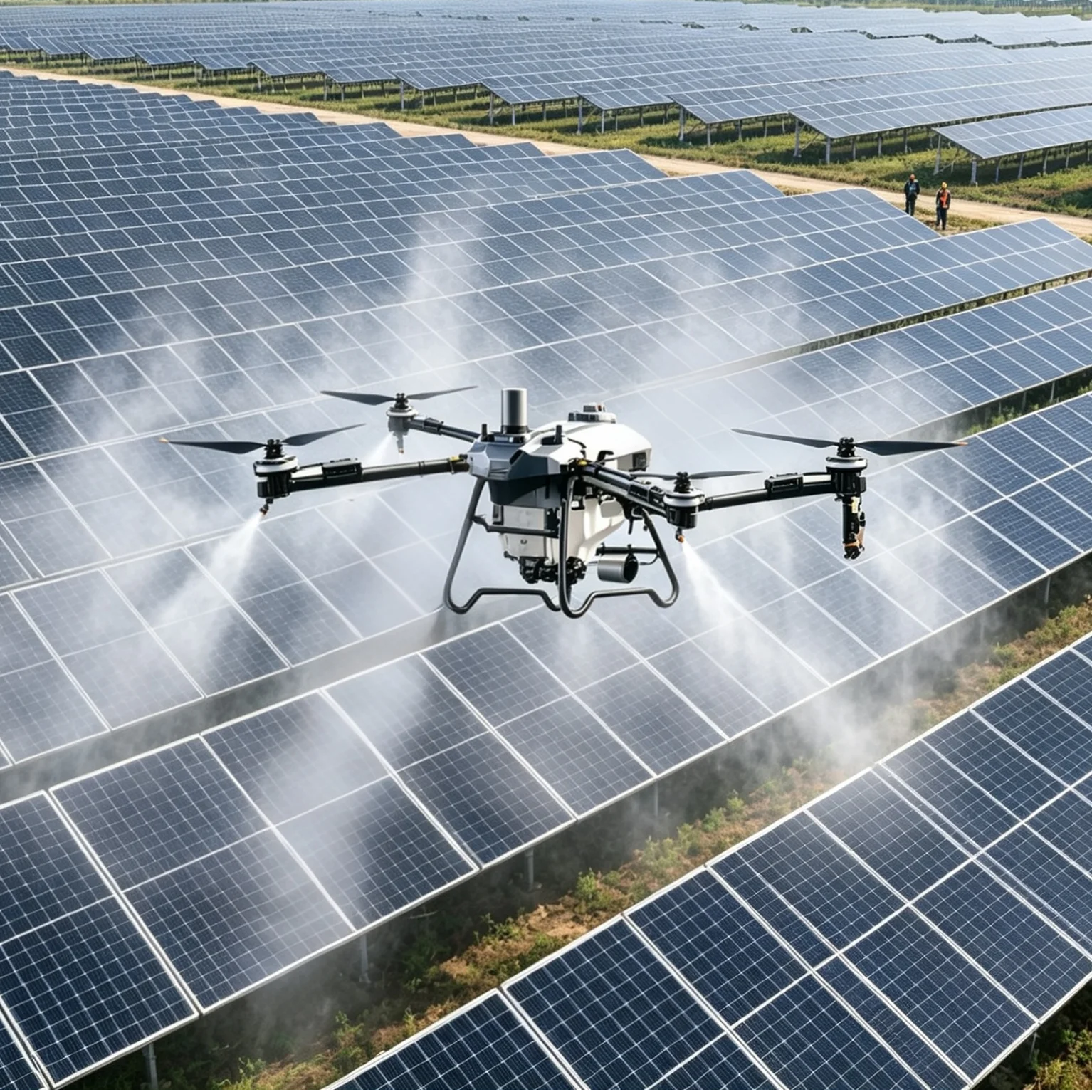
An onboard tank cleaning drone is the most self-contained type of cleaning
UAV. It carries its cleaning fluid in a tank mounted directly on the aircraft.
The drone also carries its own battery, pump, and spray nozzle. There is no
hose, no power cable, and no physical link to the ground other than the pilot’s
radio control signal. This makes them the premier choice for complex, sprawling
environments like large-scale solar farms, intricate roof structures, or
offshore wind turbines.
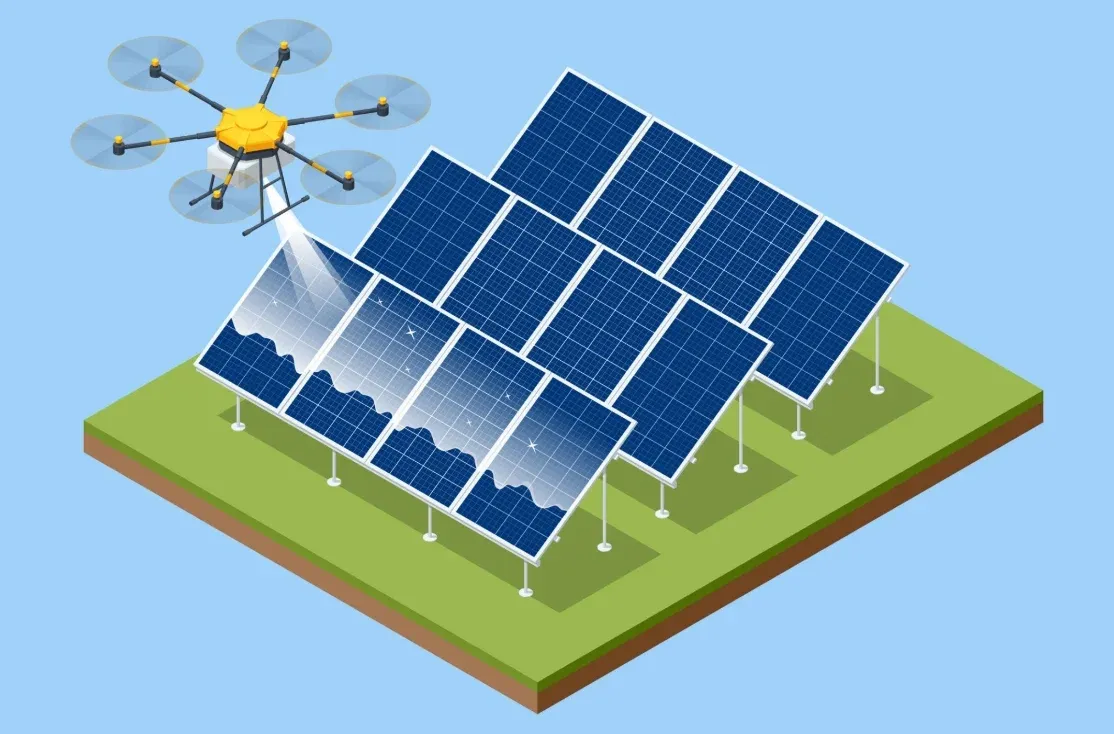
That freedom, however, comes at a substantial weight cost. Water weighs
approximately one kilogram per liter. A 10-liter tank therefore adds roughly 10
kilograms of liquid before accounting for the tank, pump, hoses, nozzle,
batteries, and structural hardware. For a multirotor aircraft, every additional
kilogram affects propulsion demand and available flight time. Consequently, a
typical battery-powered cleaning drone of this type requires frequent landings
to swap batteries and refill tanks, making it highly effective for targeted,
localized cleaning but less efficient for continuous, heavy-duty washing.
What Is a Hose-Fed Cleaning Drone?
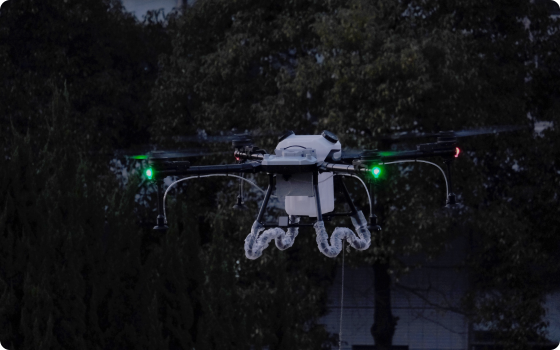
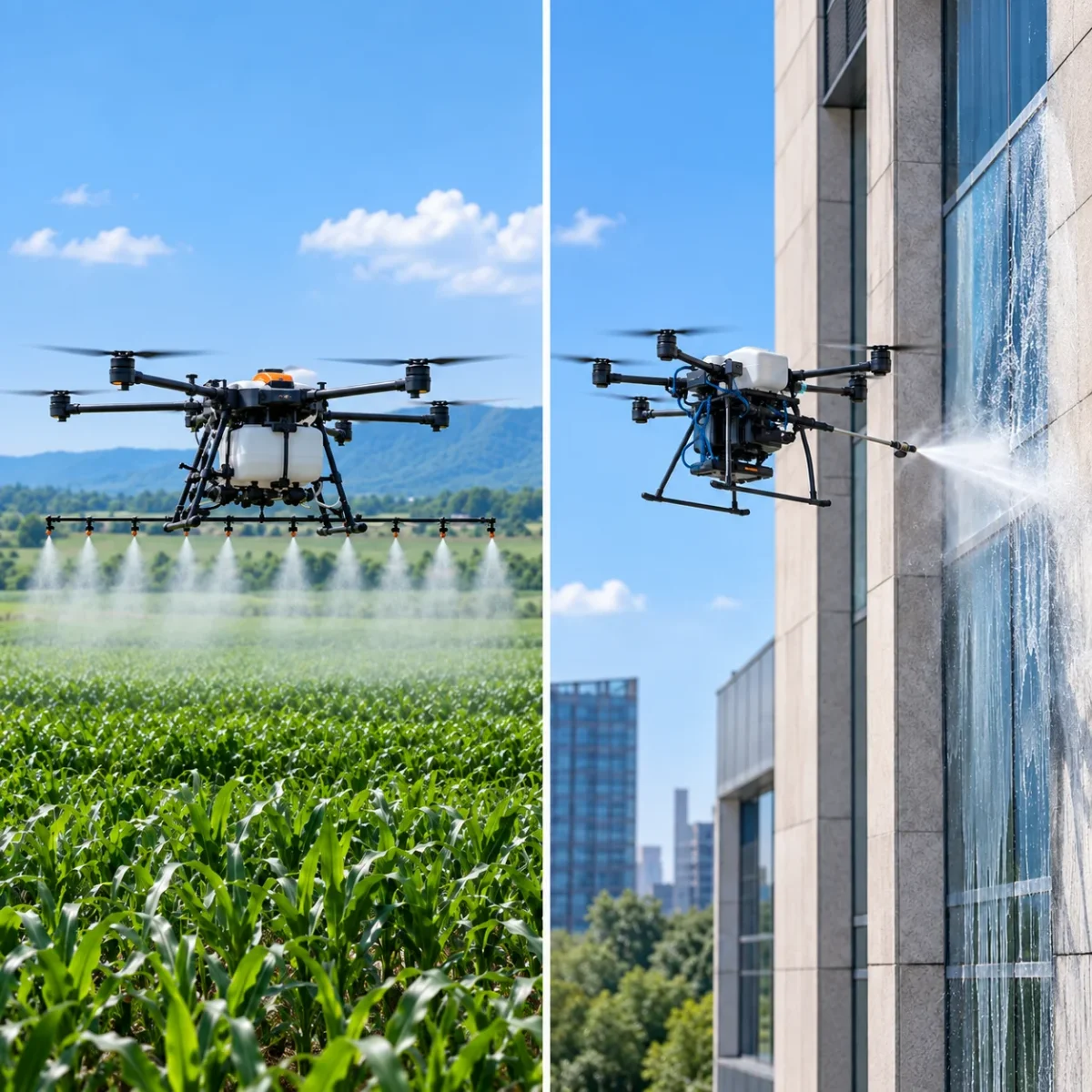
A hose-fed cleaning drone moves the fluid supply off the aircraft and down
to the ground. Instead of carrying water in a tank, the drone receives water or
cleaning solution through a lightweight hose connected to a ground-based pump or
pressure washer. The drone still carries its own battery for flight, but the
cleaning fluid is pushed from below.
This changes the economics of cleaning dramatically. Because the drone no
longer has to lift the full weight of its water, it can spray continuously
without landing to refill. The ground pump can deliver higher flow rates and
more consistent pressure than a small onboard pump ever could. The aircraft’s
battery is now used almost exclusively for propulsion and flight control, which
improves endurance relative to the volume of cleaning performed.
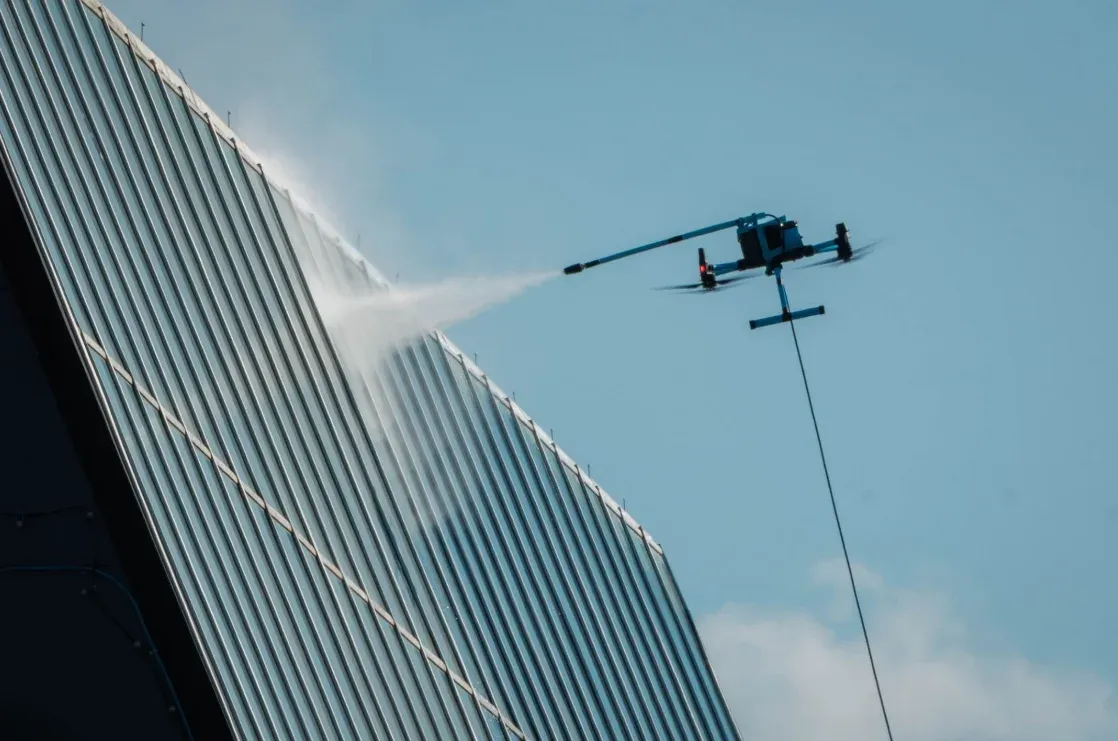
The trade-off is the hose itself. A water-fed cleaning drone with a ground
hose is physically tethered by fluid dynamics and hose weight. As the drone
climbs higher, the weight of the water-filled hose increases. Wind can push the
hose, pulling the drone off course. Hose drag limits maneuverability and sets a
practical ceiling for how high the system can work. Most hose-fed drone
operations for facade cleaning are realistic up to roughly 30 to 60 meters,
depending on hose diameter, pump pressure, and wind conditions.
What Is a Tethered Cleaning Drone?
A tethered cleaning drone is connected to a ground station by a cable that
supplies power, and in many cleaning configurations, fluid as well. Unlike a
hose-fed drone, which still relies on onboard batteries for flight, a tethered
cleaning drone draws electrical power from the ground continuously. This removes
the flight-time limit almost entirely. A properly designed tethered system can
operate for hours, landing only for maintenance or nozzle changes.
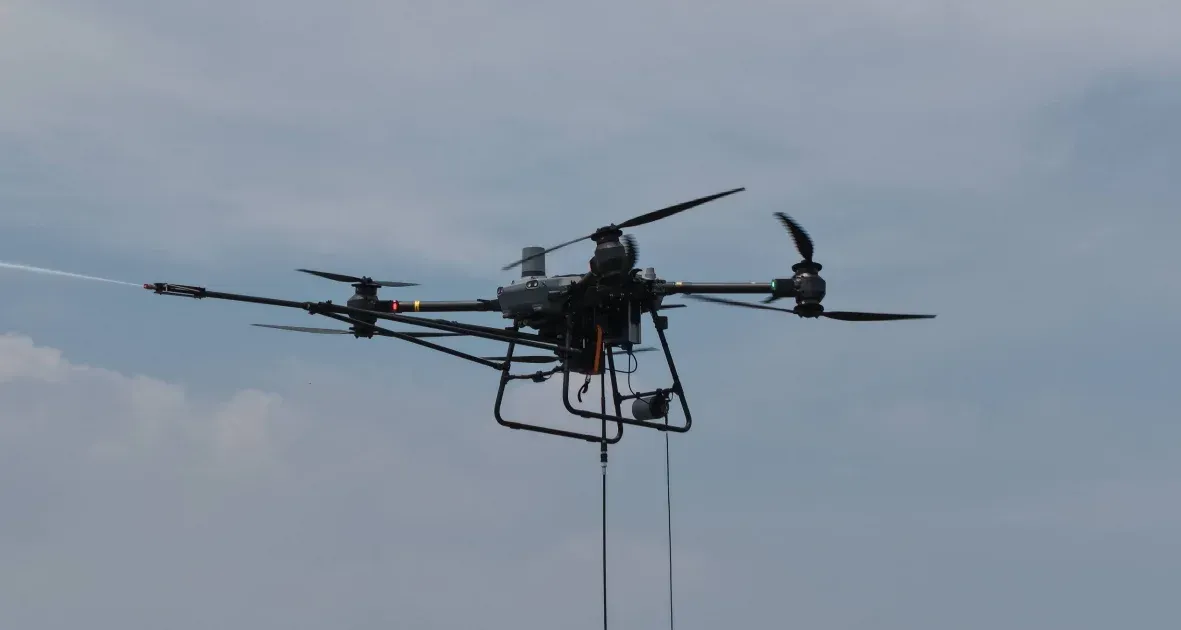
The tether is not just an extension cord. In a modern cleaning drone
system, the tether often integrates high-voltage DC power conductors, a fluid
line, and sometimes data lines for telemetry or camera feeds. The ground station
converts AC mains or generator power into the appropriate DC voltage for the
aircraft. The drone may carry no onboard batteries at all, or only a small
emergency backup for controlled descent if the tether is severed.
By removing heavy onboard batteries from the equation, the drone achieves
an indefinite flight time. A tethered cleaning UAV can stay airborne for hours
or even days, stopping only for scheduled ground-station maintenance or pilot
fatigue. This is the ultimate cleaning drone system for towering skyscrapers,
massive industrial cooling towers, and continuous daily operations.
Onboard Tank vs Hose-Fed vs Tethered Cleaning Drone: How Do You Power
Them?
Power architecture is one of the most important distinctions among cleaning
drone types. The water-delivery method and power-delivery method are related,
but they are not the same thing. An aircraft can be battery-powered while
receiving water from a hose. It can also be tether-powered while carrying a
small onboard tank. The right approach depends on duration, payload, height,
mobility, and site conditions.
| Cleaning drone configuration | Aircraft power source | Water or fluid source | Practical operating characteristic |
| Onboard tank cleaning drone | Usually onboard LiPo or Li-ion battery packs | Onboard tank | Highly mobile, but constrained by liquid payload and battery endurance |
| Hose-fed cleaning drone | Usually onboard batteries | Ground pump through hose | Longer cleaning runs, but hose drag and ground logistics must be managed |
| Tethered cleaning drone | Continuous ground-supplied electrical power | May be onboard, hose-fed, or integrated into tether system | Very long endurance, with reduced mobility and higher system complexity |
A battery-powered cleaning drone is typically the simplest deployment
option. It can be operated without a generator, tether power station, or power
cable. This makes it useful where the site is spread out, ground access is poor,
or the work involves frequent relocation.
But cleaning work is unusually demanding for batteries because the drone
must support:
•Hovering near a vertical structure
•Payload mass from pumps, nozzles, tanks, and sensors
•Possible recoil force from high-pressure spray
•Wind disturbance around building corners
•Extra power draw from onboard pumps
•Safety margin for return and landing
The correct design target is not the maximum advertised flight time with no
payload. It is the usable flight time with the full cleaning payload, a
realistic wind margin, and sufficient reserve capacity for abnormal
conditions.
Ground-powered tethered systems
A tethered platform receives power from the ground, commonly through
high-voltage transmission in the tether followed by voltage conversion near the
aircraft. Sending power at a higher voltage can reduce current for a given power
level, which helps reduce resistive losses in a long cable.
For a simplified example: P=V×I
For a required power level PPP, raising voltage VVV lowers current III.
Since cable heating loss is approximately proportional to I2RI^2RI2R, lower
current can make long-distance power transmission more practical.
However, tether design is not only an electrical problem. The cable must
also remain lightweight, mechanically robust, flexible, weather-resistant, and
safe around people and structures. The system needs protection against cable
damage, electrical faults, loss of tension, and emergency descent scenarios.
Onboard Tank vs Hose-Fed vs Tethered Cleaning Drone: What’s the
Difference?
The best cleaning drone system is the one that matches the site
workflow—not necessarily the one with the longest flight time or highest listed
payload.
Factor | Onboard tank cleaning drone | Hose-fed cleaning drone | Tethered cleaning drone |
Water supply | Carried by the drone | Supplied from the ground through a hose | Can use onboard liquid, a separate hose, or a hybrid tether/fluid system |
Power Supply | Battery-powered (10-20 min flights) | Battery-powered (15-30 min flights) | Continuous via ground umbilical |
Mobility & Agility | Maximum (Fully untethered, high lateral movement) | Moderate (Restricted by hose drag) | Limited (Anchored to ground station) |
Max Altitude | Unlimited (Regulated only by aviation laws) | Medium (Restricted by the weight of a filled hose) | High (Restricted only by tether length, often 200+ ft) |
Ideal Use Case | Sprawling solar farms, complex roofs, wind turbines | Mid-rise buildings, localized facade washing | Skyscraper windows, industrial continuous operations |
Relative operating cost | Low initial cost, high labor per liter cleaned | Moderate | High initial cost, lower cost per square meter on large jobs |
Choose an onboard-tank system when mobility matters most
An onboard tank cleaning drone is often the better option when each
cleaning task is short, the target locations are dispersed, or setting up hoses
and tether equipment would take longer than the work itself. For example, a
maintenance contractor cleaning localized dirt deposits on several
low-to-mid-rise building sections may gain more from rapid deployment than from
continuous water flow.
Choose a hose-fed system when fluid volume drives the job
A hose-fed cleaning drone is generally the more logical choice for large
surface areas and water-intensive work. It can maintain cleaning output longer
because water is supplied continuously from the ground.
Choose a tethered system when uptime is the priority
A tethered cleaning drone is most compelling when the aircraft needs to
stay airborne for long periods in a relatively predictable working area. It is
particularly useful for vertical, repetitive cleaning operations where a fixed
ground station can be safely positioned.
Conclusion
The three main types of cleaning drones—onboard tank, hose-fed, and
tethered—are not competing versions of the same idea. An operator cleaning rural
solar arrays will find a tethered system needlessly restrictive, while a
contractor washing a 40-story glass high-rise would find an onboard tank system
completely unworkable. Matching the specific architecture to the environmental
constraints is the definitive key to operational profitability.They are
different solutions for different problems. Understanding these distinctions
before you buy or bid on a job will save you from overpaying for capability you
cannot use, or worse, under-specifying a system that cannot finish the work. The
right cleaning drone system is the one that matches your real operating
conditions, not the one with the most impressive headline specification. As a
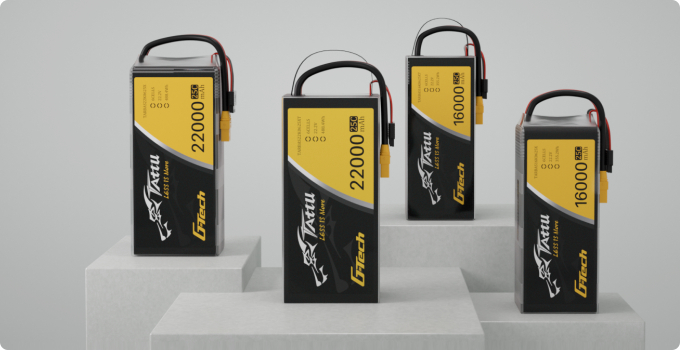
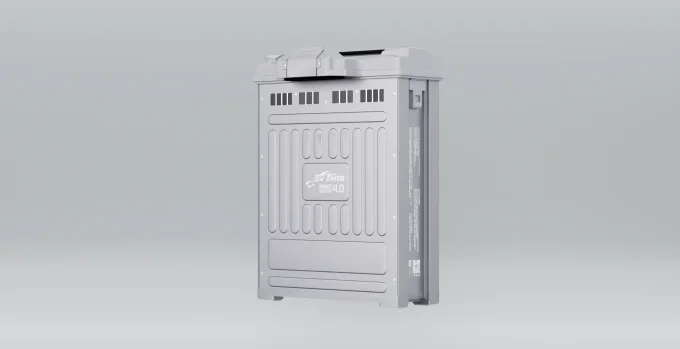
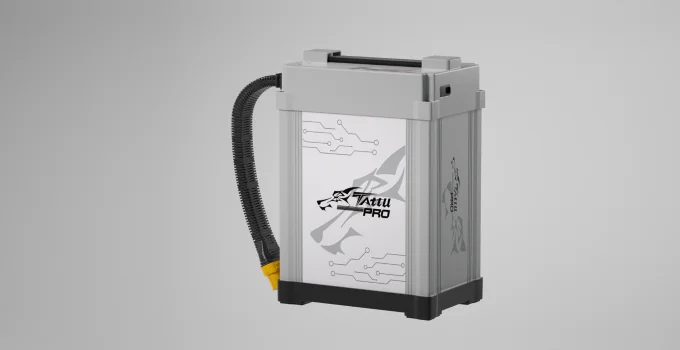
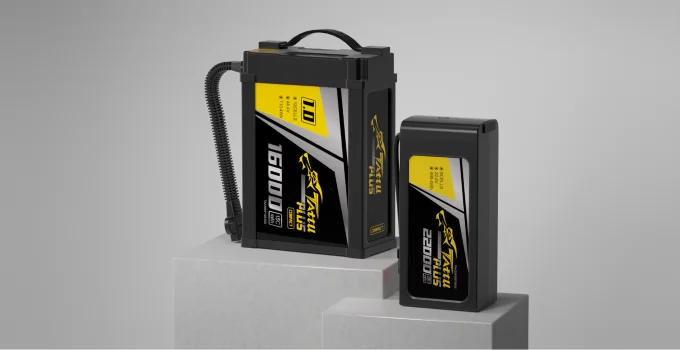
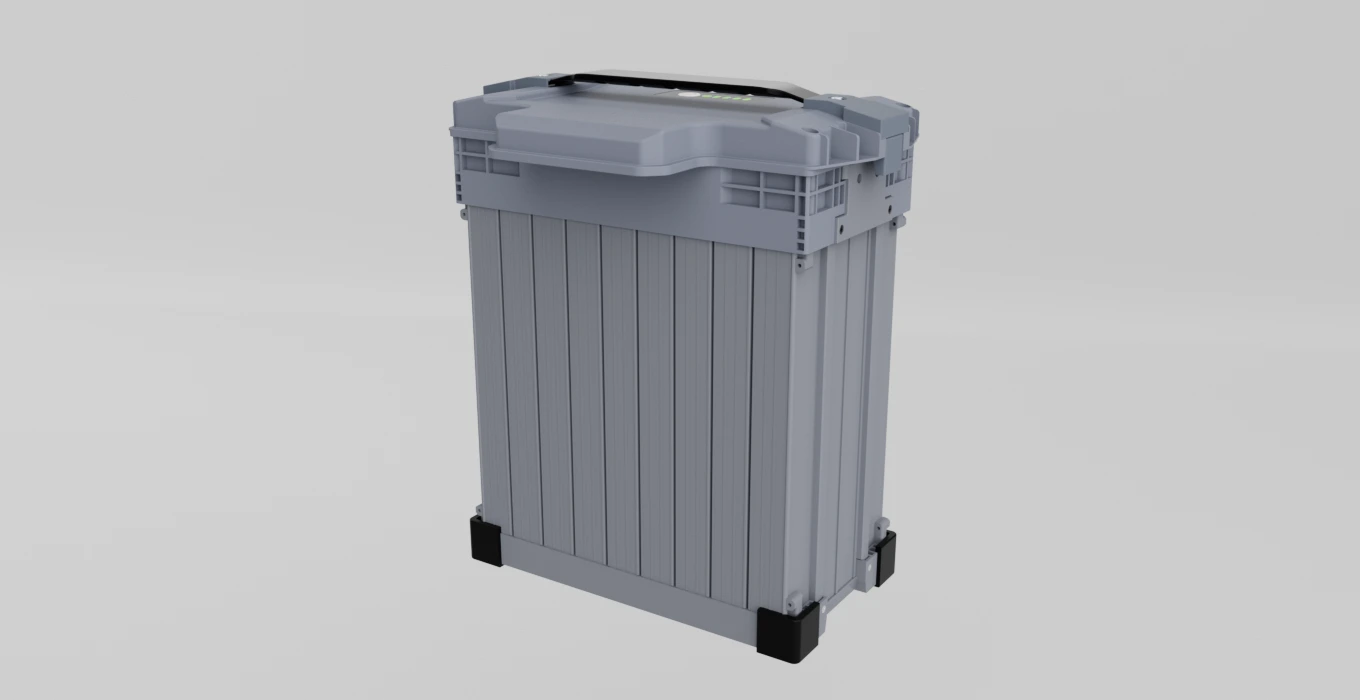
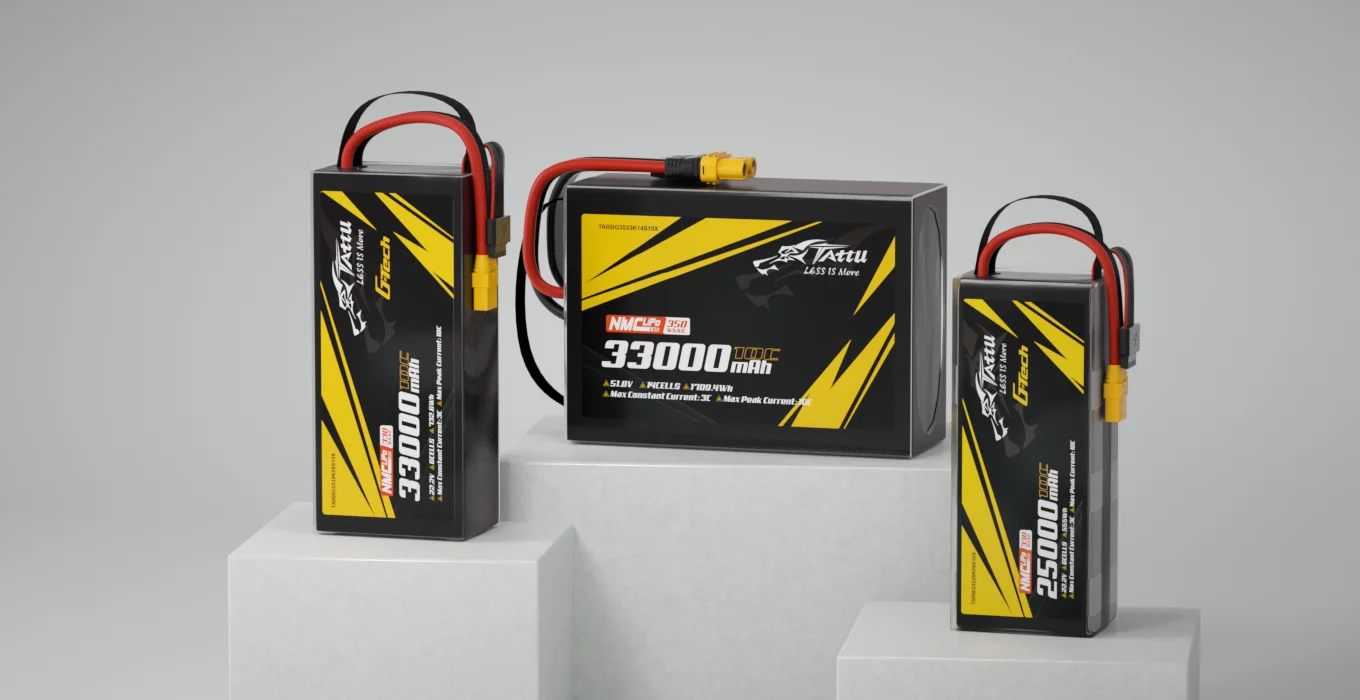
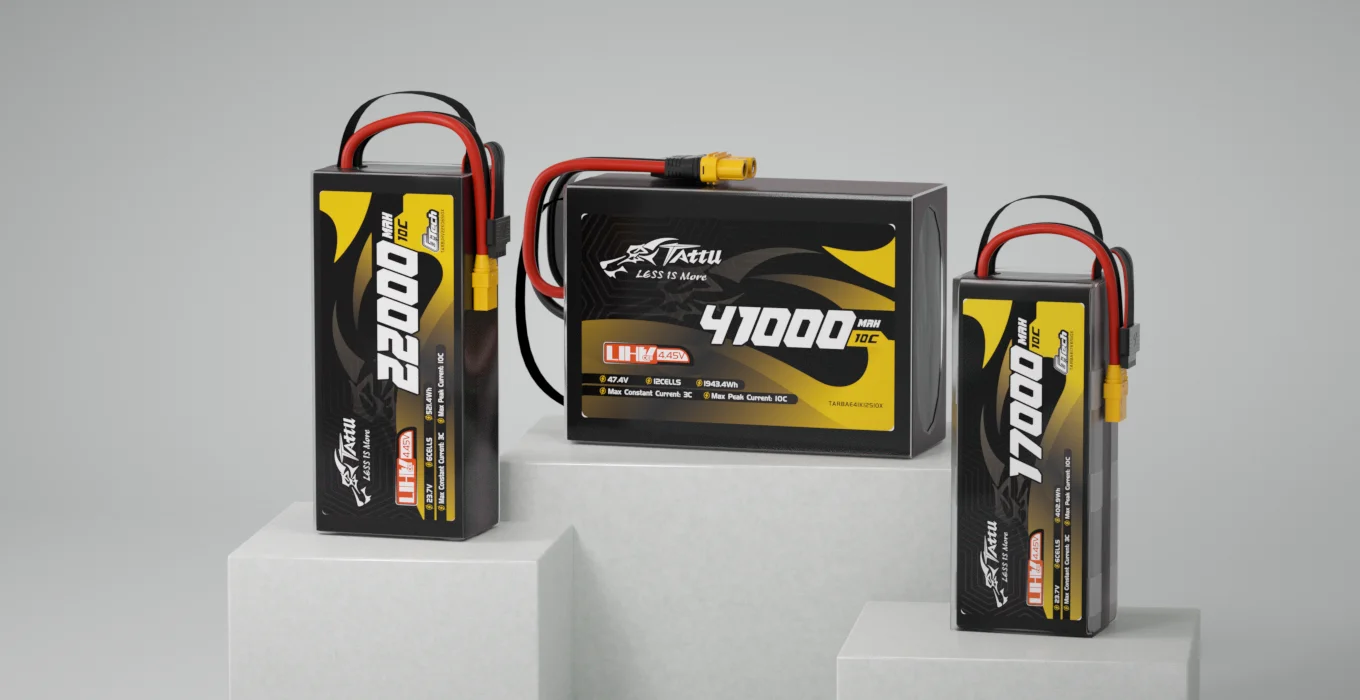
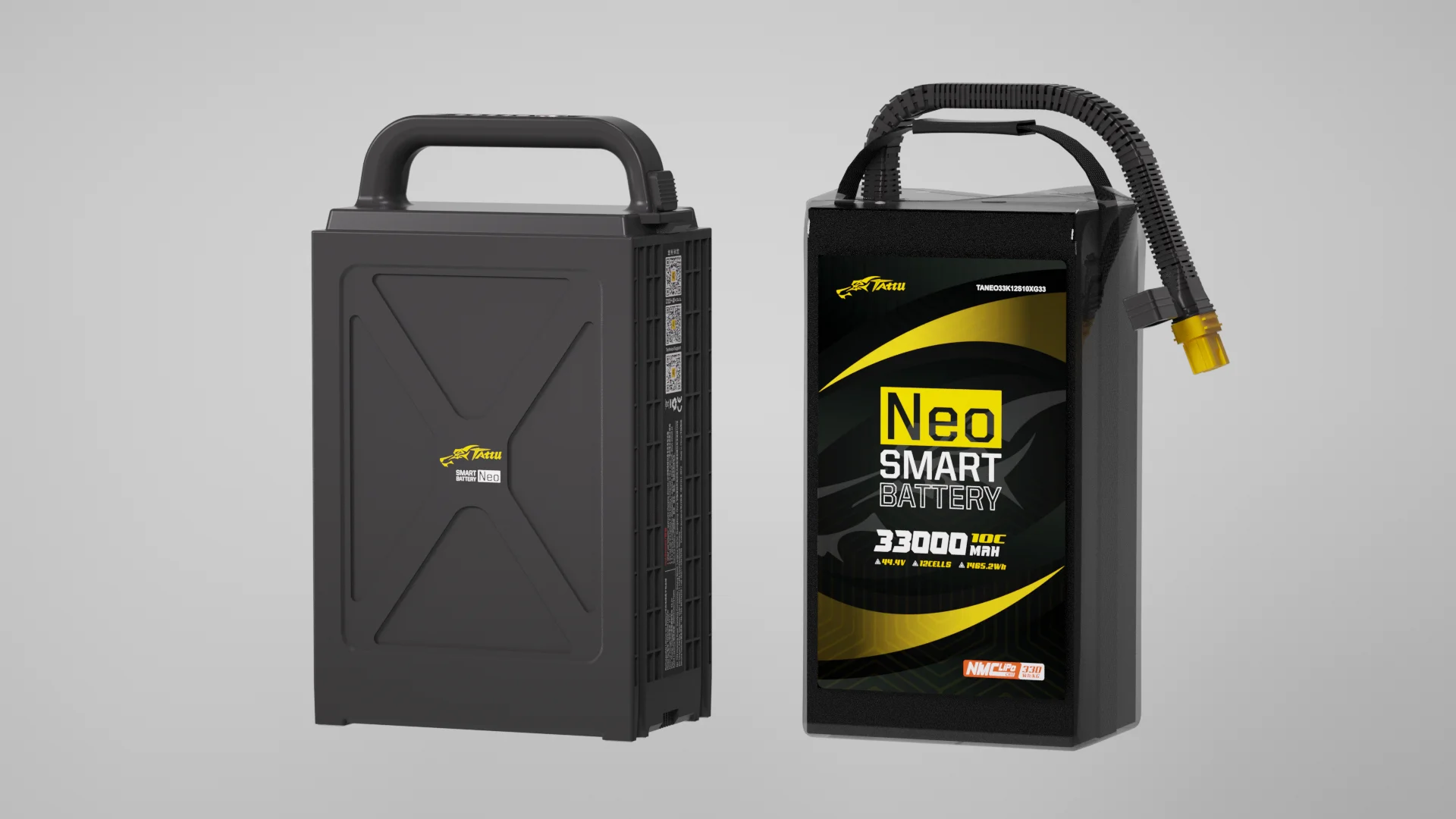
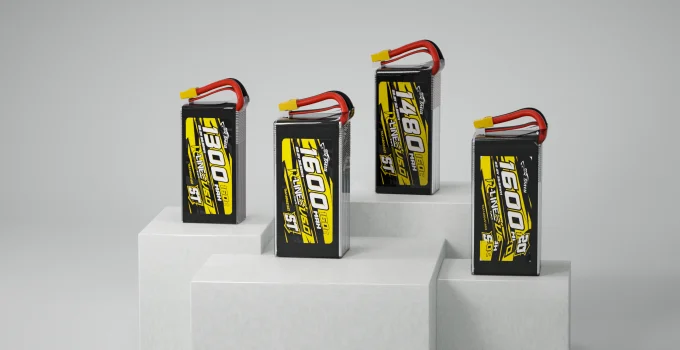
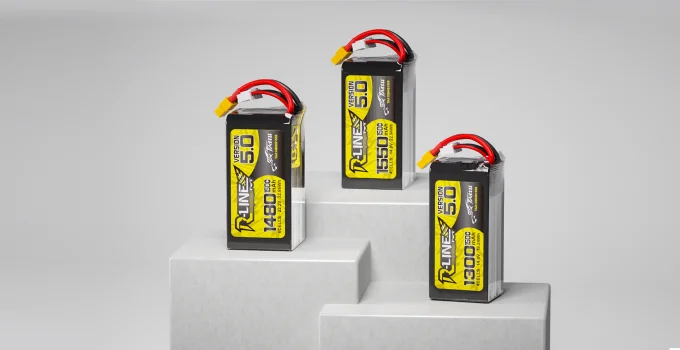
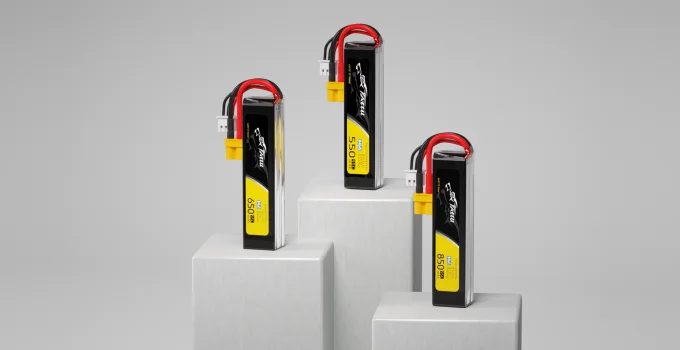
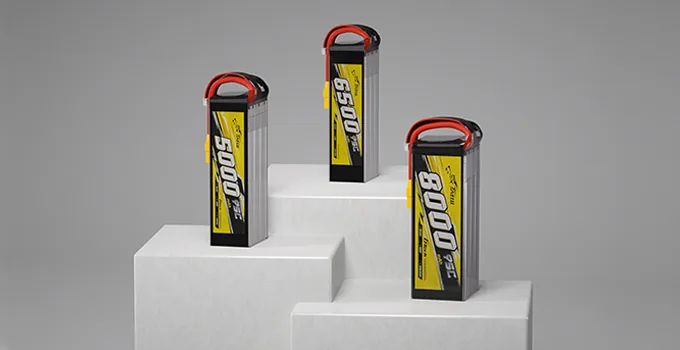
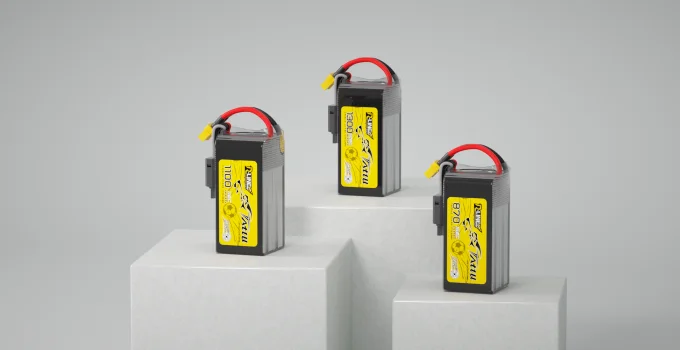
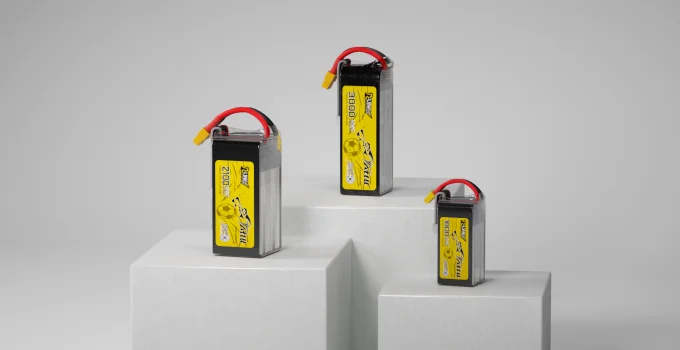
premier UAV battery Manufacturer, Tattu supplies advanced 6S to 18S
solutions—including both a high power uav battery and a high energy density uav
battery—to maximize flight endurance and operational efficiency across all types
of cleaning drones. Engineered to handle heavy liquid payloads and continuous
high-discharge demands, our batteries minimize downtime and elevate maintenance
productivity; contact us at [email protected] to optimize your fleet.



 Blog
Blog
 Blog
Blog
 Blog
Blog


