Cleaning drones are moving from experimental equipment into a practical
tool for commercial building maintenance, facade washing, window cleaning, roof
treatment, solar panel maintenance, and industrial surface cleaning.
Unlike conventional camera drones, cleaning drones must manage not only
their own aircraft weight but also spraying equipment, hoses, water, nozzle
reaction forces, and sustained hovering close to structures. As a result,
specifications such as maximum takeoff weight (MTOW), working pressure, flight
time, and maximum working height are especially important when evaluating a
cleaning drone. This article looks at 10 cleaning drone systems available or
actively marketed in 2026.
What Is a Cleaning Drone?
A cleaning drone is an unmanned aerial vehicle designed to clean, wash,
rinse, coat, or treat surfaces that are difficult, expensive, or potentially
hazardous for workers to reach. Most professional cleaning drones use a
ground-fed water or cleaning-fluid system. Instead of carrying a large volume of
water onboard, the drone lifts a lightweight hose connected to a pump or
water-treatment system on the ground. This reduces airborne payload and enables
longer cleaning operations.
The cleaning method can vary significantly. Soft-wash systems operate at
relatively low pressure and often use cleaning agents to remove algae, mold,
dust, and organic contamination. High-pressure systems can deliver several
thousand PSI to remove heavier contamination from concrete, masonry, industrial
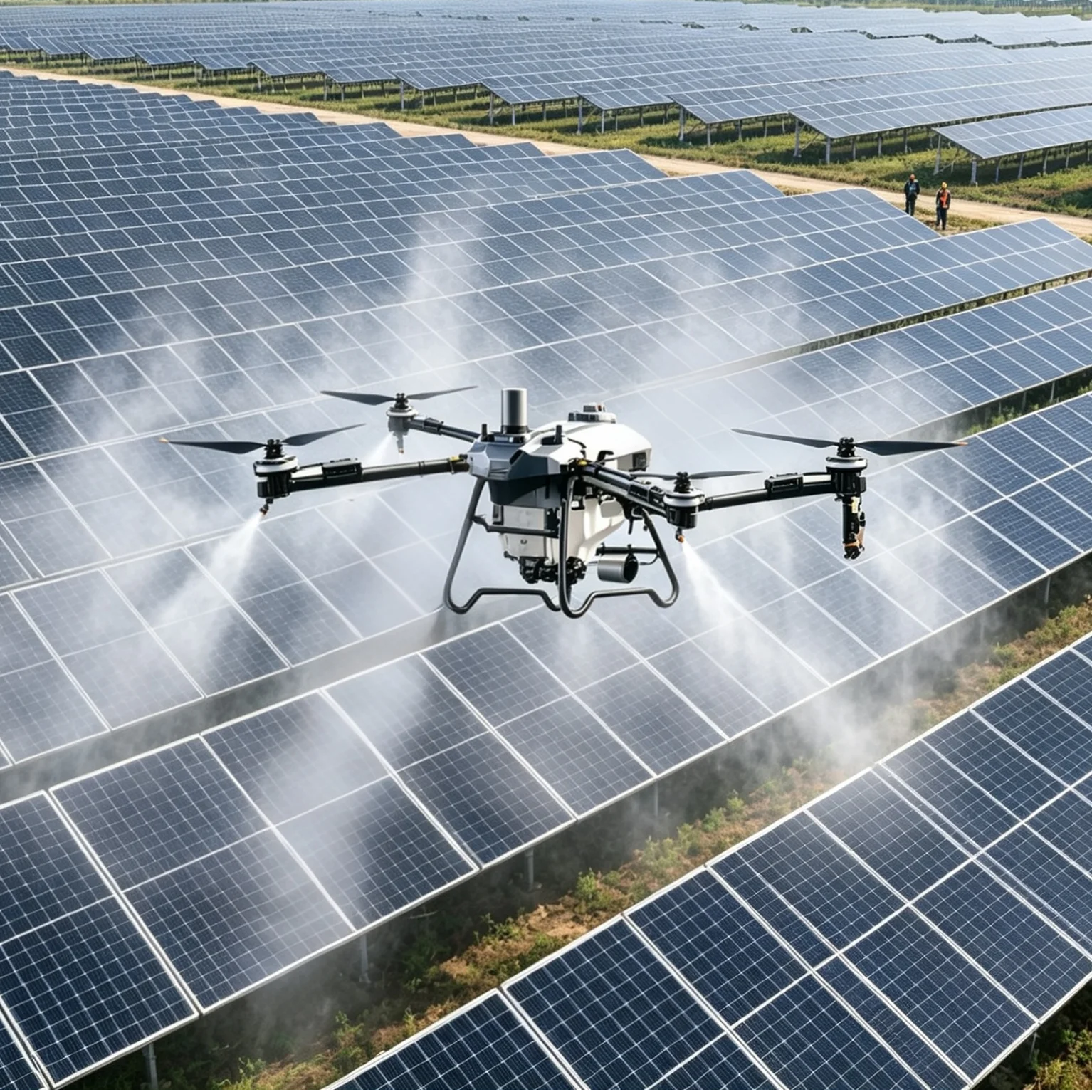
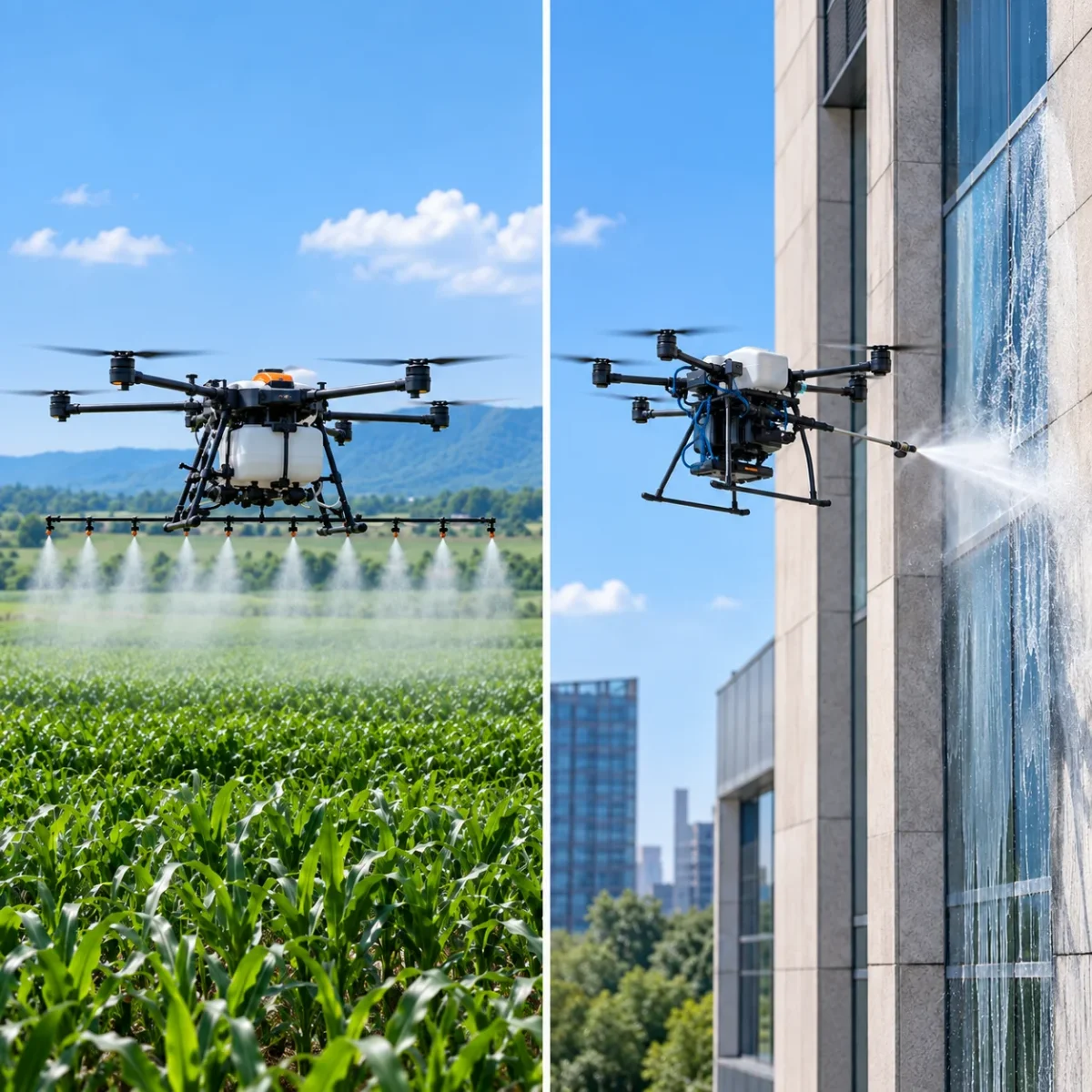
structures, and other durable surfaces.The cleaning drone spans facade and
window washing for commercial buildings, solar panel cleaning, graffiti removal,
and industrial surface treatment.
How Does a Cleaning Drone Work?
Cleaning drones rely on an integrated ecosystem that links aerial robotics
with ground-based fluid dynamics. The operational workflow centers around
several core engineering principles:
Fluid Dynamics and Ground-Fed Delivery
High-pressure water or chemical solutions (such as soft-wash detergents or
pure deionized water) are pressurized on the ground and pumped up through a
reinforced fluid line. The ground system controls variable pressure
levels—ranging from soft-wash pressures (~300 PSI) for delicate glass and solar
coatings up to high-pressure wash levels (>4,000 PSI) for masonry and
industrial surface stripping.
Thrust Management and Stabilization
Pumping fluid at high pressure generates significant reactive thrust
(recoil) at the nozzle head. To keep the aircraft stable, cleaning drones
utilize customized flight controllers, dual-antenna Real-Time Kinematic (RTK)
GPS positioning, and onboard counter-thrust algorithms. These systems
continuously adjust motor RPM to counteract spray recoil and environmental wind,
keeping the drone balanced in a steady hover.
Standoff Distance Control and Obstacle Avoidance
Precision cleaning requires maintaining a constant distance from the target
surface (typically 1.5 to 3 meters). Drones employ millimeter-wave (mmWave)
radar, LiDAR, and ultrasonic sensors to continuously measure the distance
between the spray nozzle and the building facade, adjusting flight positioning
automatically to prevent collisions while delivering uniform cleaning
coverage.
Power Management
Most systems utilize high-capacity, quick-change lithium-polymer (LiPo)
battery sets or hybrid power-tether systems. Ground crews perform hot-swaps to
maintain a continuous operational cycle, enabling the drone to stay in the air
for maximum daily output.
Top 10 Cleaning Drones of 2026
The following list prioritizes purpose-built or commercially marketed
cleaning, washing, or surface-treatment drone platforms from the United States,
Europe, and China. It is not a laboratory ranking: “best” depends on working
height, cleaning method, pressure/flow architecture, local regulations, support
capability, aircraft certification, and the target asset type.
| Cleaning Drone | MTOW | Working Pressure | Flight Time | Max. Working Height |
| Apellix B2 Power Wash System | 55 lbs (25 kg) | Up to 4,000 PSI | Up to 32 min | 195 ft / 59.4 m |
| Lucid Bots Sherpa | / | Up to 4,500 PSI | Up to 19 min | 150 ft / 45.7 m |
| KTV Working Drone | / | Up to 4,351 PSI / 300 bar* | / | / |
| JIUSI D15R | 24.9 kg* | Up to ~2,901 PSI / 20 MPa | About 45 min | 94 m |
| Aquiline AD Endure | 41.75 lb / 18.9 kg | Up to 4,000 PSI | Up to 40 min, no payload | / |
| Joyance JTC30 | 45 kg-55.7 kg | Up to 4,100 PSI | 30–40 min | Up to 200 m |
| Drone Volt Hercules 20 Spray | 25 kg | ~145 PSI / 10 bar at nozzle | Up to 40 min | 30 m |
| JINGHONG CL65 | 111 kg | / | 7–40 min (config-dependent) | Up to 100 m |
| Aspira AC4 | 25 kg | Up to 5,000 PSI | Approx. 40 min | Up to 120 m |
| OBJECTIF DRONE Chronos | / | Up to ~1,595 PSI / 110 bar | 30 min LP / 20 min HP | 50 m LP / 25 m HP |
1. Apellix B2 Power Wash System (U.S.)
U. S.-designed and assembled heavy-lift platform certified and flown by the
U.S. Department of Defense. It supports both power-wash and soft-wash modes with
ground-pump pressures up to 4,000 PSI and flow up to 11 GPM. Published maximum
working height is 195 ft while remaining inside the common 55 lb all-up limit.
Flight time reaches approximately 32 minutes per battery set; the system
includes obstacle sensing and optional autonomy features. It is frequently cited
for industrial façades, solar panels, ships, and storage tanks.
2. Lucid Bots Sherpa (U.S.)
Lucid Bots’ Sherpa is a commercial exterior-cleaning drone designed for
soft washing, pressure washing, and optional window-cleaning workflows. The
system can work with soft-wash flow rates up to 12 GPM at 300 PSI and supports
high-pressure applications up to 4,500 PSI. Lucid Bots states a maximum exterior
cleaning height of 150 feet and flight time of up to 19 minutes. Its
window-cleaning payload combines onboard cleaning solution with a
ground-supplied water feed, allowing operators to apply solution and rinse with
deionized water from the ground. Lucid's published specification sheet shows two
12S 10,000mAh batteries, illustrating the substantial onboard power requirement
of this type of aircraft.
3. KTV Working Drone (Norway)
Depending on the drone and ground-pump configuration, KTV's cleaning systems
support applications ranging from pure-water and moderate-pressure facade
cleaning to high-pressure operation of up to 300 bar. The system combines
specialized ground-pumping equipment, lightweight hoses, autonomous flight
software, and dedicated cleaning methods for facades, offshore structures,
infrastructure, and other industrial surfaces.
4. JIUSI D15R (China)
The JIUSI D15R is a multifunctional cleaning UAV developed for building
facades, photovoltaic panels, towers, wind turbines, and other elevated
surfaces. It uses a ground-fed water system and can accept multiple cleaning
attachments and nozzle angles. JIUSI publishes a maximum pressure of 20 MPa and
cleaning output of up to 1,000 m²/h under specified conditions. The company also
states that one 41,000mAh battery can support about 45 minutes of operation and
lists a maximum flight altitude of 94 m in its D15R FAQ. Dual RTK, wall-distance
radar, and autonomous route-planning functions are used to support operation
close to large vertical surfaces.
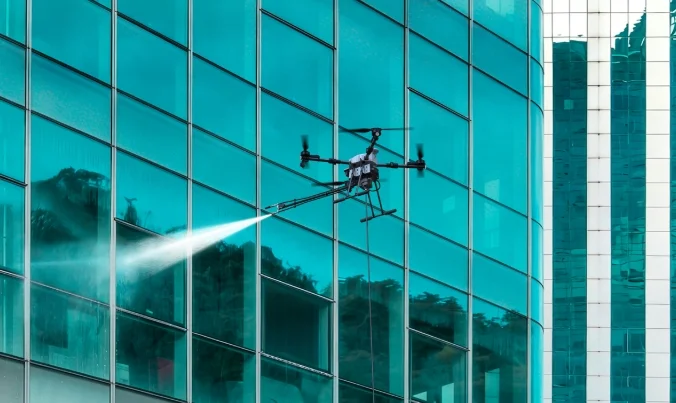
5. Aquiline AD Endure (U.S.)
Manufactured in Connecticut by Aquiline Drones, the AD Endure is a
heavy-lift modular multirotor designed for demanding industrial operations,
including high-pressure surface cleaning, protective coating application, and
exterior soft washing. Built with a carbon-fiber frame weighing 24.2 lbs excluding the battery,
it supports total system payloads up to 33 lbs, allowing it to interface with high-pressure ground systems capable of delivering
up to 4,000 PSI. Supported
by Aquiline's commercial training and franchise framework, the AD Endure is
designed to accommodate hose extensions reaching up to 600 feet, making it
suitable for infrastructure maintenance on water towers and commercial
structures.
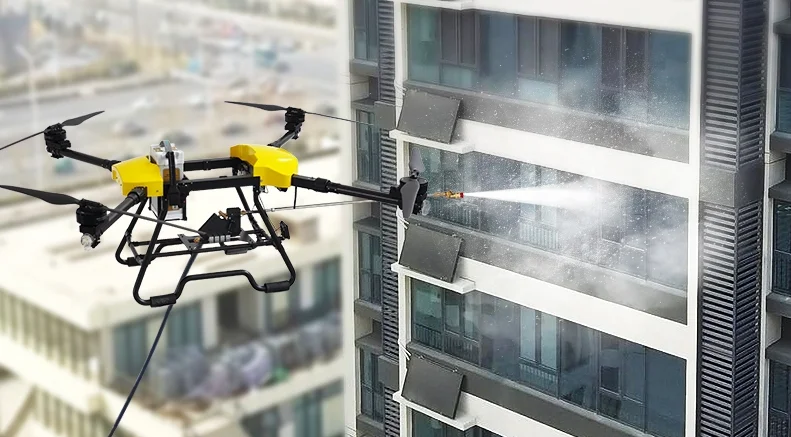
6. Joyance JTC30 (China)
The Joyance JTC30 is a high-pressure cleaning drone designed for high-rise
building exteriors, glass curtain walls, roofs, and solar panels, with a maximum
flight altitude of 200 meters and a 160-meter water hose. Its cleaning system
delivers up to 4,100 PSI with adjustable pressure from 0 to full capacity, and
flight time is rated at 30–40 minutes depending on configuration. Maximum
takeoff weight varies by configuration, with manufacturer listings showing 45 kg
for some configurations and 55.7 kg for others. The platform uses RTK
positioning and obstacle avoidance radar, and offers both electric and
gasoline-powered ground pump options.
7. Drone Volt Hercules 20 Spray (France)
France-based DRONE VOLT offers the Hercules 20 Spray as a spraying platform
for roofs, facades, surfaces, and infrastructure. The low-pressure Hercules 20
Spray configuration delivers 10 bar at the nozzle, or approximately 145 PSI, and
supports up to 18 L/min of liquid flow. DRONE VOLT lists a maximum working
height of 30 m for the low-pressure version. The underlying Hercules 20 aircraft has a 25 kg maximum takeoff weight and can carry payloads up to 15 kg. Maximum flight time is listed as up to 40 minutes with no payload. DRONE VOLT
also offers the separate Hercules 20 High-Dra system for substantially
higher-pressure cleaning, reaching 250 bar, so it is important not to treat the
Spray and High-Dra configurations as identical products.
8. JINGHONG JH CL65 (China)
The JINGHONG JH CL65 is a large mid-altitude cleaning drone designed for
50–100 m operations on high-rise façades and glass surfaces. Jinghong publishes
an MTOW of 111 kg, an empty weight of 34 kg, maximum flight altitude of 100 m,
and a range of 7–28 minutes with standard batteries or 25–40 minutes with
customized batteries, depending on whether the configuration uses a water tank
or ground-pressurized endurance system. The company positions the CL65 as a
higher-payload, longer-endurance alternative to its smaller cleaning-drone
platforms. No verified model-specific PSI specification was found in the
reviewed manufacturer material, so the pressure field is intentionally
blank.
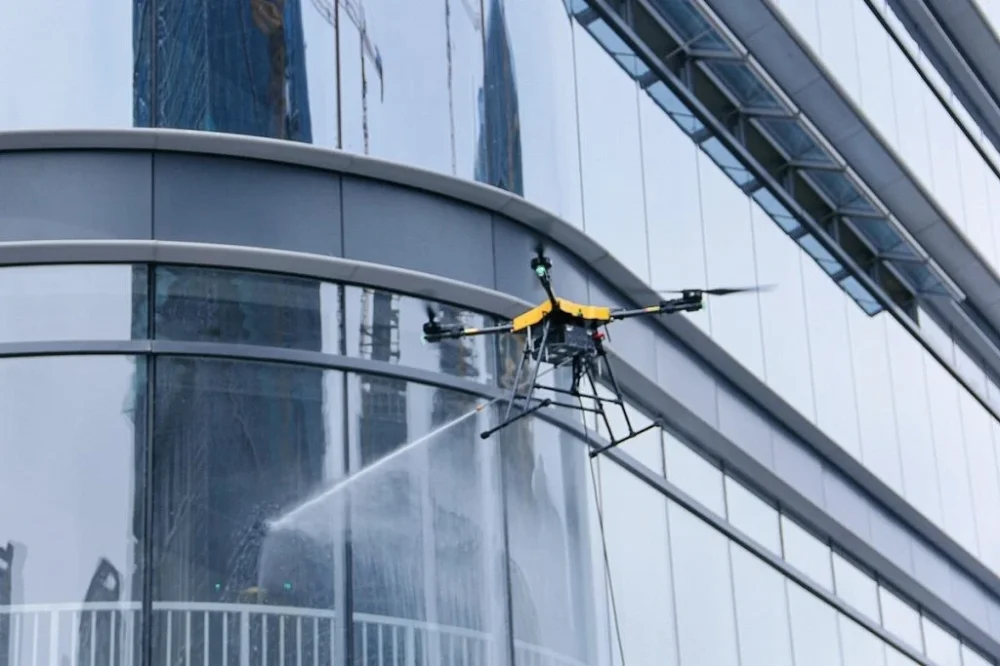
9. Aspira AC4 (U.K.)
The Aspira AC4 is a U.K.-built octocopter with class-leading pressure
capability of up to 5,000 PSI and a maximum flow rate of 40 liters per minute.
It holds a C5 certification under EASA and has received approvals from civil
aviation authorities in the U.K., South Africa, Hong Kong, and Australia.
Maximum takeoff mass is 25 kg, flight time is approximately 40 minutes, and
maximum working height is 120 meters. The AC4.2 and Ultimate variants include
Aspira's CLIVE intelligence system with advanced surface tracking that maintains
constant distance from the cleaning face even when that surface is moving—a
capability developed for wind turbine blade cleaning where blades can flex
several meters during operation.
10. OBJECTIF DRONE Chronos (France)
Developed by French UAV manufacturer Objectif Drone Production, the Chronos is a
specialized cleaning drone designed for roof, facade, industrial, and
solar-panel cleaning. It supports both low-pressure and high-pressure cleaning,
with pressure up to 110 bar. Objectif Drone lists approximately 30 minutes of operating time in
low-pressure mode and 20 minutes in high-pressure mode, with a maximum spraying
height of 50 m in low-pressure operation and 25 m in high-pressure operation.
The Chronos is offered as a C5 captive drone, with C5/C6 capability available
with the optional FTS system.
Conclusion
The cleaning-drone market in 2026 includes several very different
engineering approaches. Platforms such as the Apellix B2, Lucid Sherpa, Aspira
AC4, JIUSI D15R, and OBJECTIF DRONE Chronos are designed specifically around
aerial cleaning. Others, such as the Aquiline AD Endure and Drone Volt Hercules
20, use adaptable industrial UAV platforms that can carry cleaning equipment
alongside other payloads. Larger systems such as the Joyance JTC30 and JINGHONG
CL65 push toward higher MTOW, longer hoses, and larger-scale commercial or
industrial applications.
For real-world procurement, buyers should also verify water flow rate, hose
weight, cleaning pressure at the nozzle rather than only at the ground pump,
wind resistance, battery performance under load, positioning technology, surface
tracking, IP protection, local aviation requirements, and the availability of
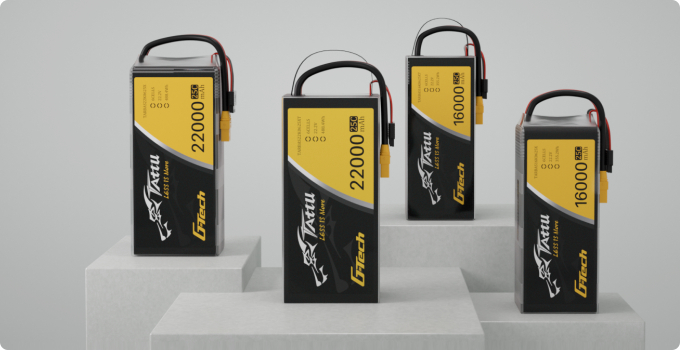
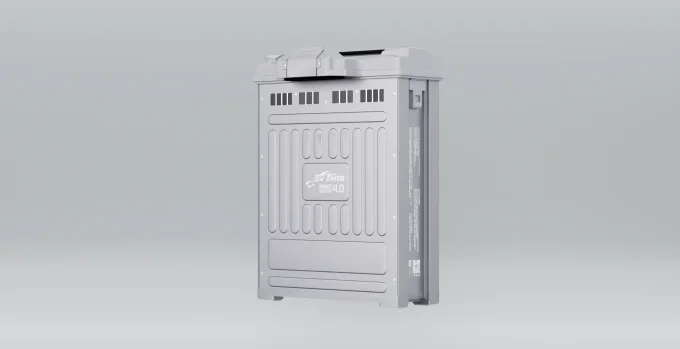
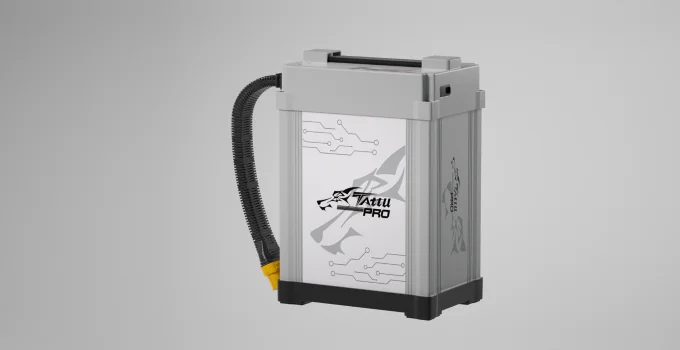
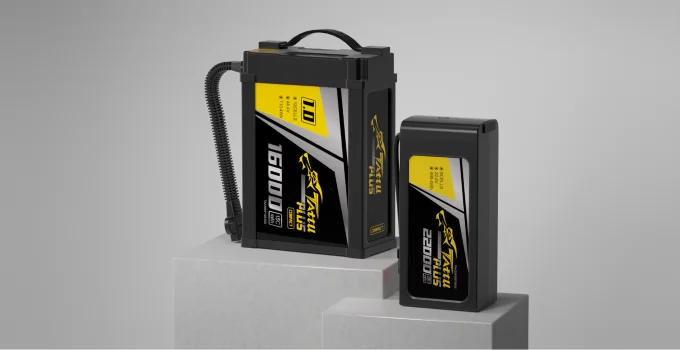
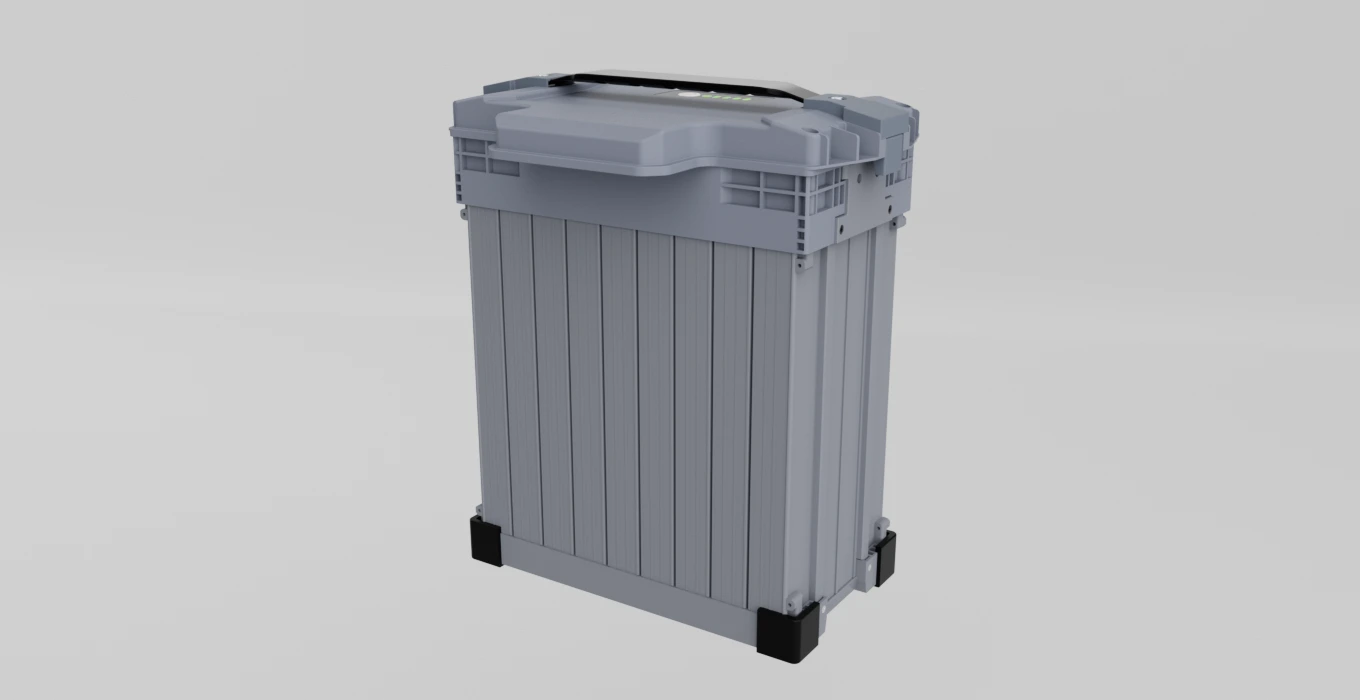
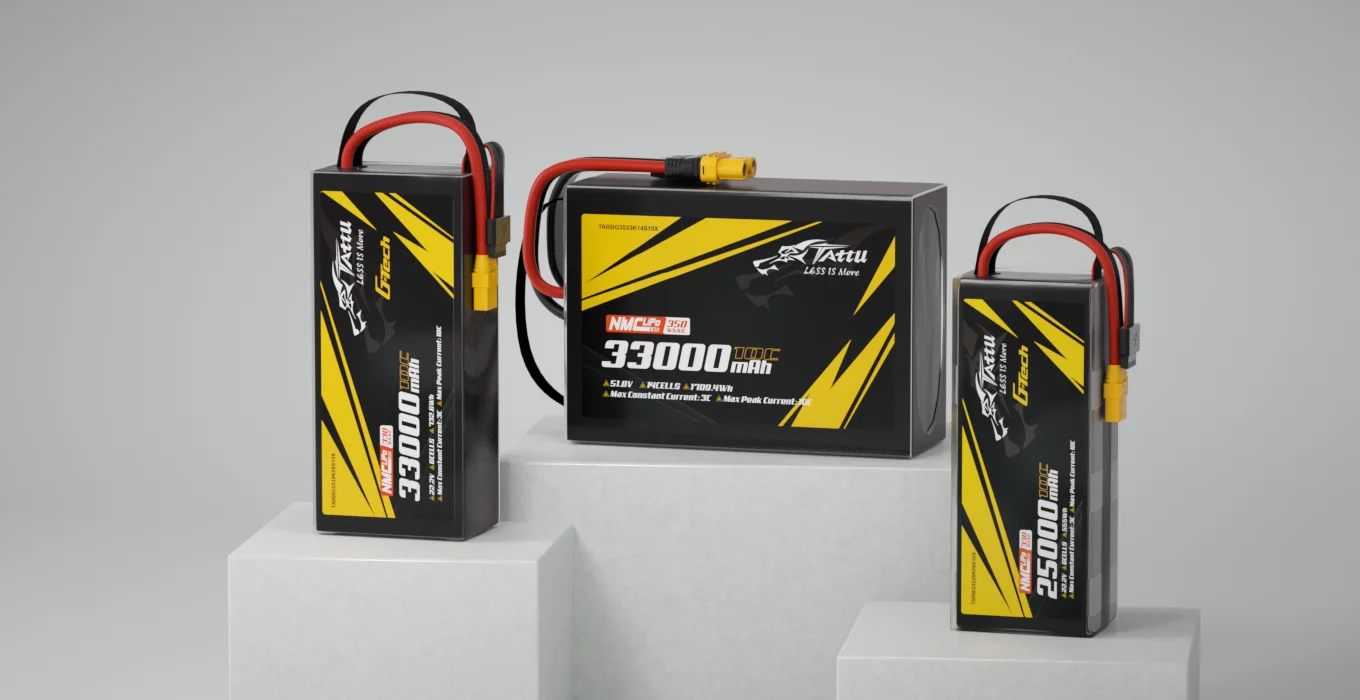
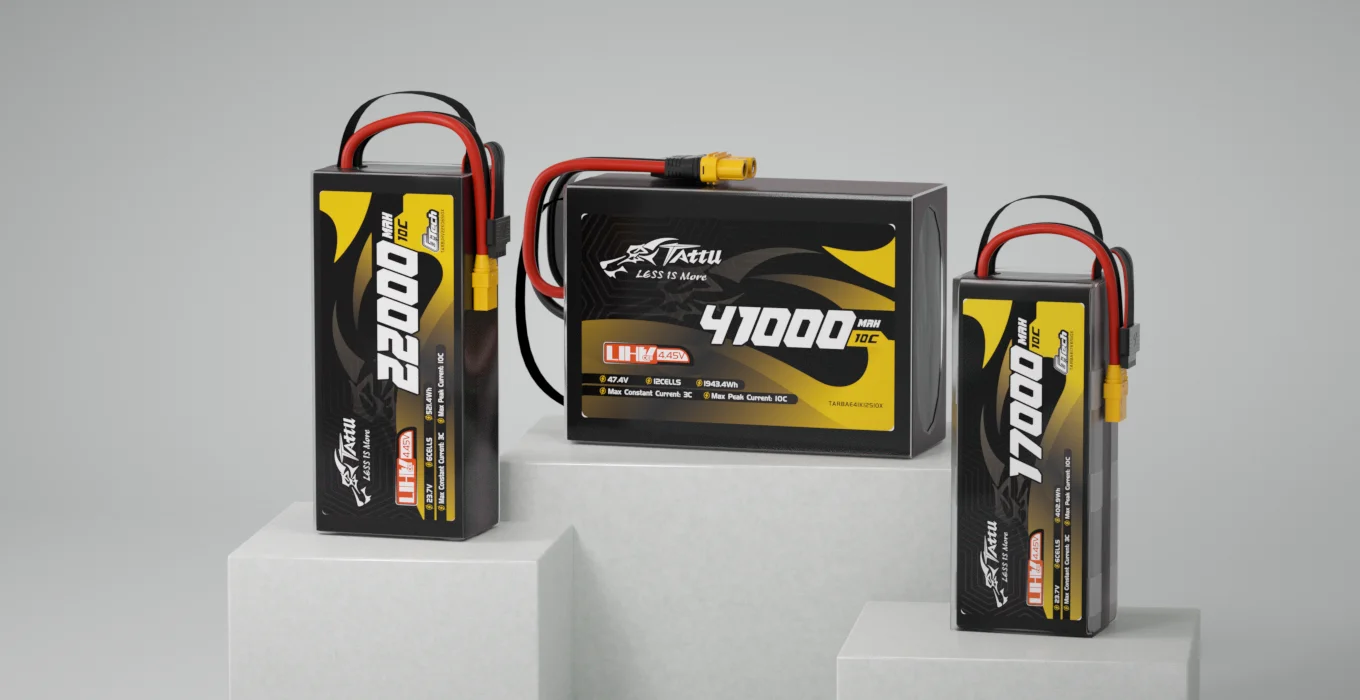
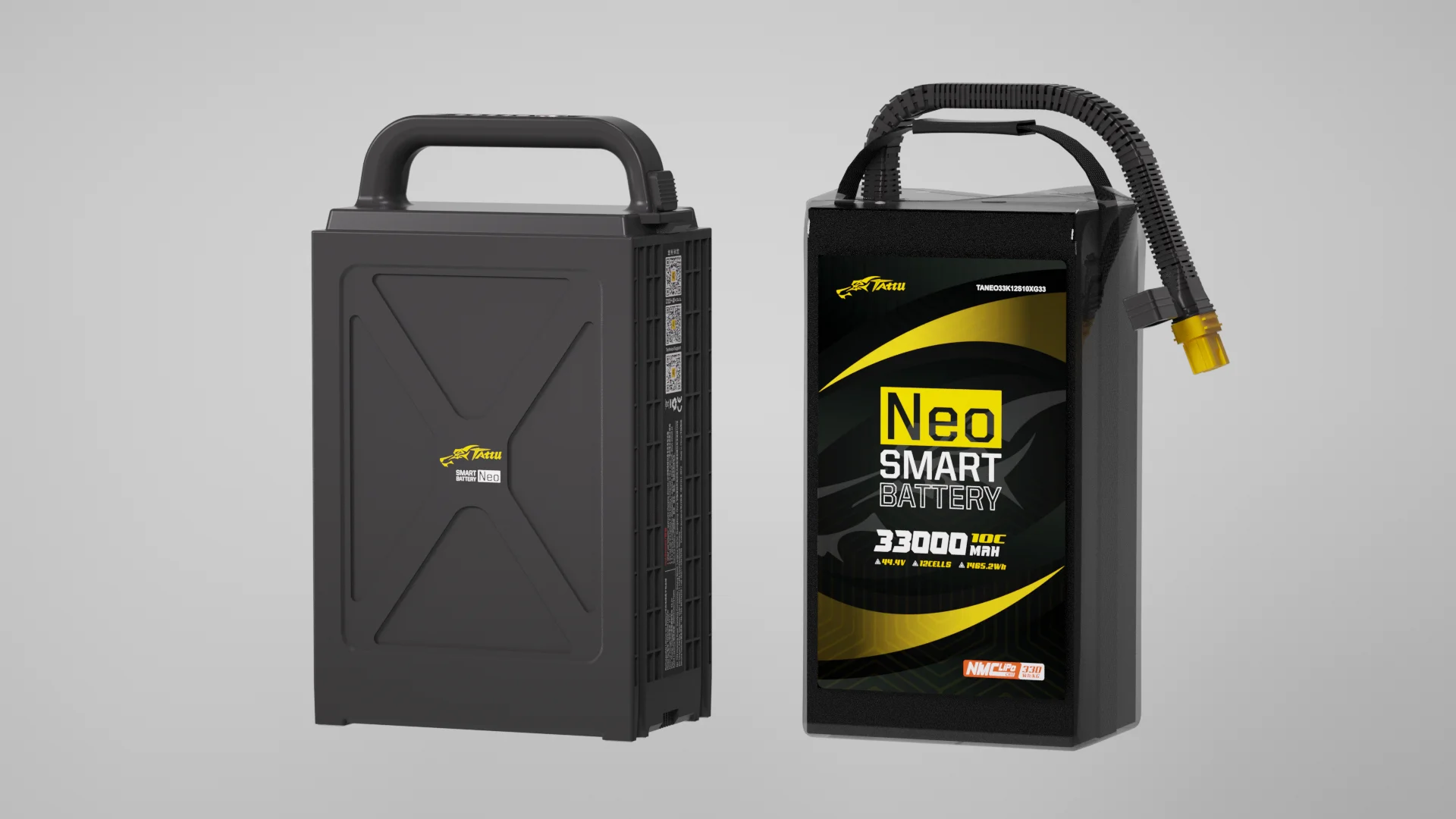
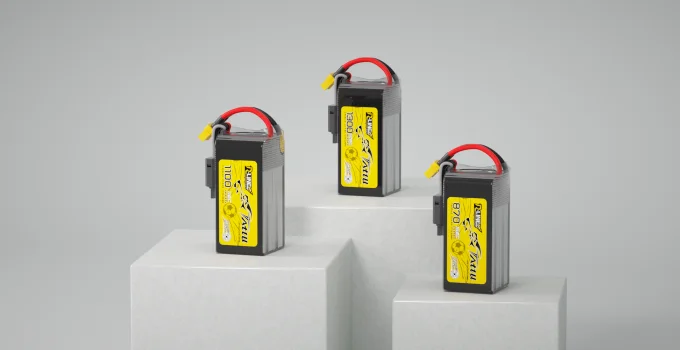
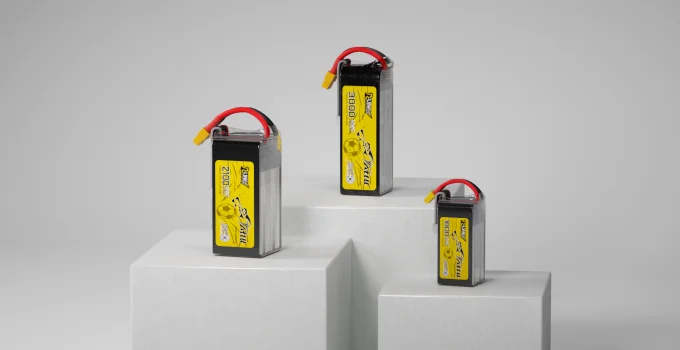
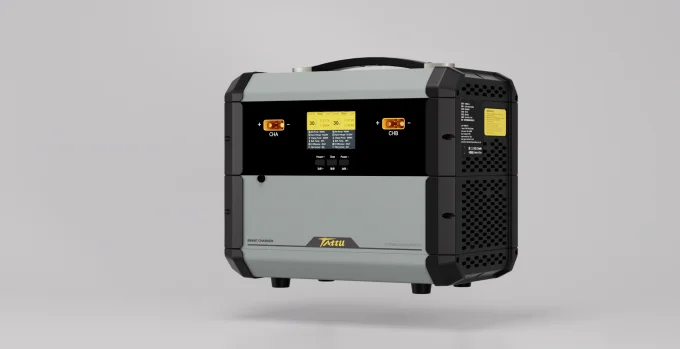
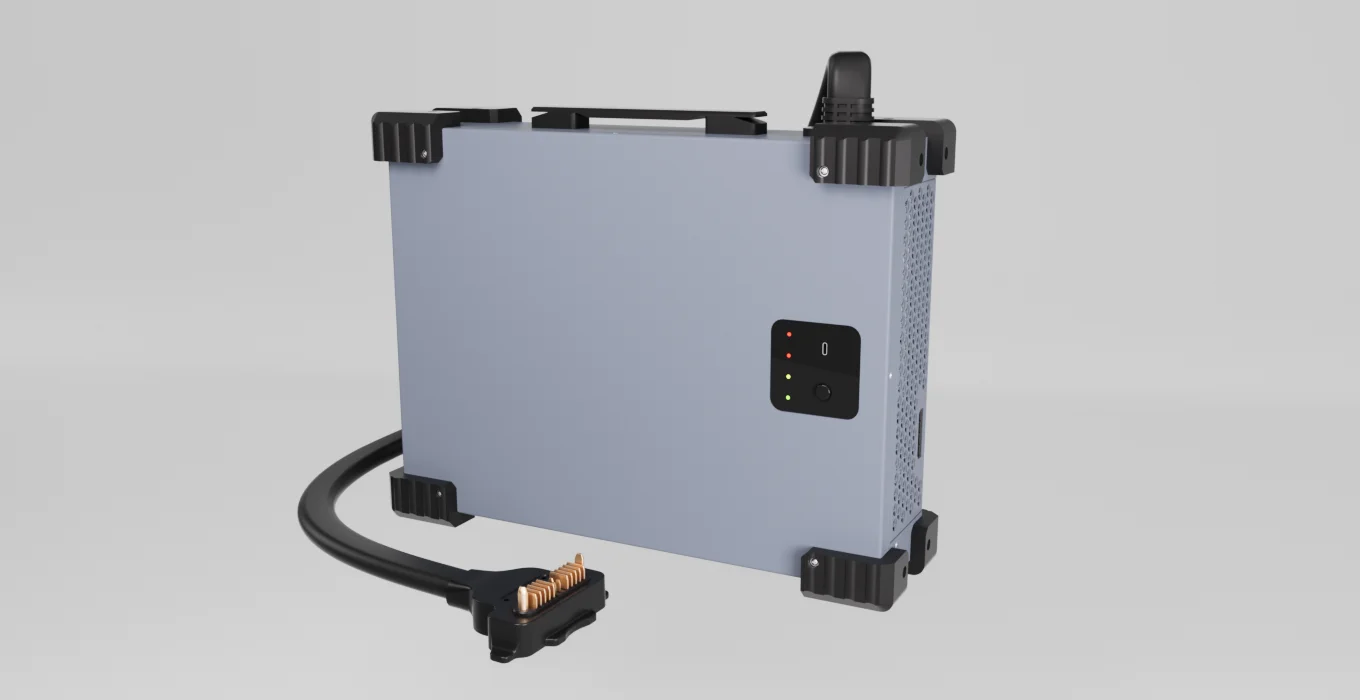
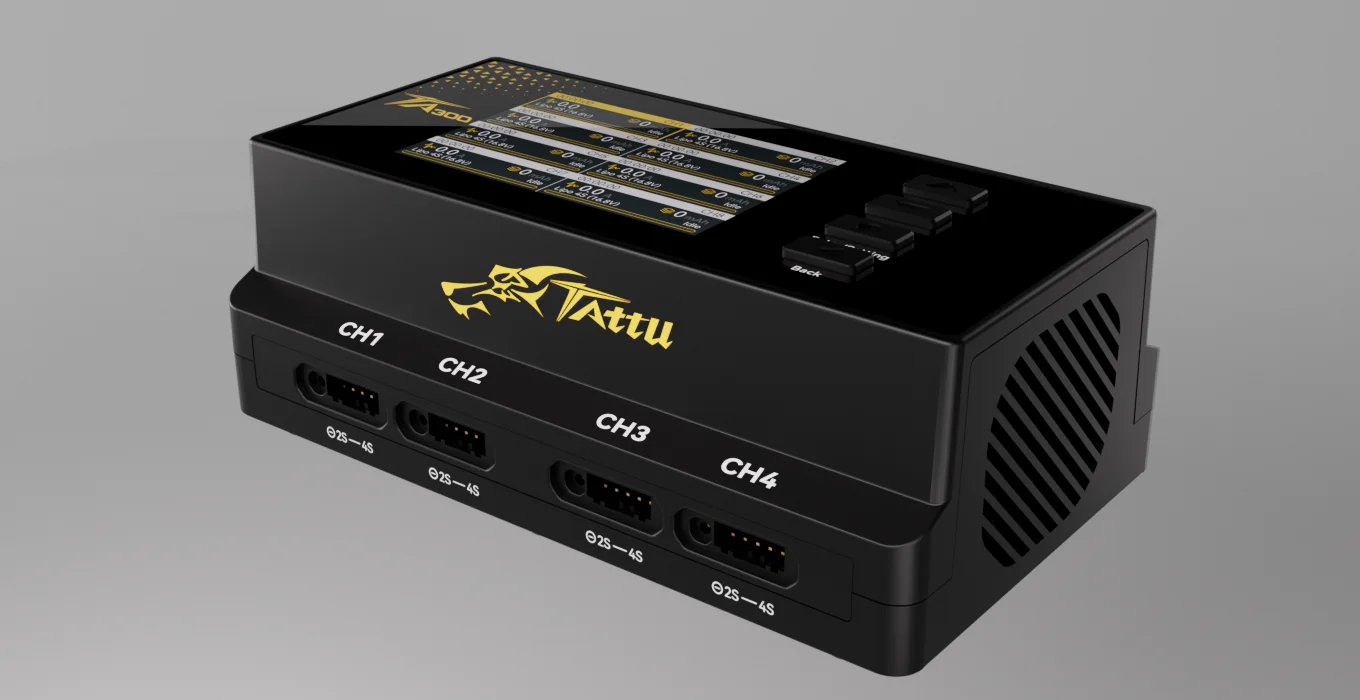
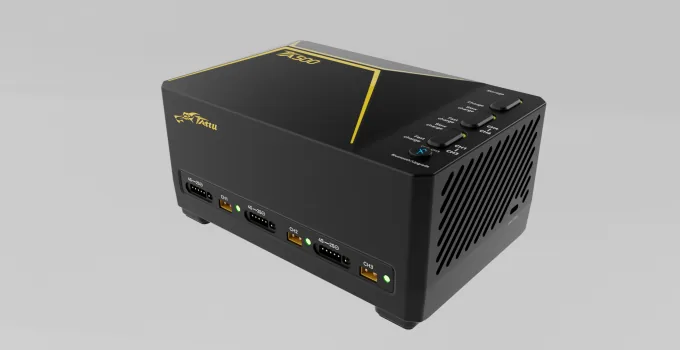
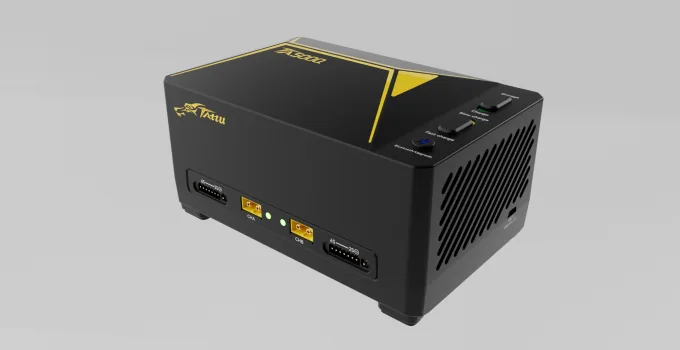
training and after-sales support. As a world-leading drone battery manufacturer,
Tattu provides specialized power solutions engineered specifically for cleaning
drones. Supporting mainstream 12S, 14S, and 18S voltage architectures with
capacities ranging from 10,000 mAh to 45,000 mAh, Tattu also offers fully
customized battery solutions tailored to specific aircraft models and operating
conditions. For more information or assistance, please contact us at
[email protected].



 Blog
Blog
 Blog
Blog
 Blog
Blog


