Evaluating an aerial cleaning platform often leads to a quick, intuitive
conclusion: high-pressure cleaning drones must consume drastically more battery
power than soft wash drones. This assumption seems logical—delivering thousands
of pounds per square inch (PSI) should demand vastly more energy than spraying
chemical solutions at low pressure. However, in drone engineering, this direct
equality—high pressure equals high battery draw—is fundamentally flawed. When
analyzing a pressure washing drone battery budget, pressure alone does not
dictate electrical drain. The primary variable governing onboard battery
consumption is system architecture: where is the pump located? Whether a system
utilizes a ground pump or an onboard pump completely changes which energy source
pays the power bill.
Start with Pump Location, Not Pressure
Cleaning drone systems fall into two fundamental architectures:
•Ground pump system: The high-pressure pump sits on the ground (often
gasoline- or mains-powered). Water is pressurized at ground level and delivered
to the drone through a tether hose.
•Onboard pump system: The pump is mounted on the drone and draws power
directly from the drone’s flight battery.
This single architectural decision determines whether the pump's electrical
load appears on the drone's battery budget — or not.
System Architecture | Battery Load Conclusion | Key Explanation Focus |
High Pressure + Ground Pump | ≈ Limited Direct Battery Load | High pressure is generated on the ground; the drone battery primarily supports flight, control, and valves. High pressure does not automatically enter the onboard power budget. |
High Pressure + Onboard Pump | ≈ Significant Additional Battery Load | The onboard battery must power the high-pressure pump in addition to maintaining flight. Pump power directly compresses flight time and adds weight from the pump, motor, and plumbing. |
Soft Wash + Ground Pump | Primarily Propulsion Load | Even at lower pressures, if liquid is delivered from the ground, onboard pump load is minimal. However, hose drag, flow rate, and jet reaction still affect flight power. |
Soft Wash + Onboard Pump | Not Necessarily “Low Load” | Low pressure does not mean negligible pump power. High flow rates, lower pump efficiency, or heavy liquid payloads can still result in significant onboard power consumption. |
This framework demonstrates that the label “high pressure” or “soft wash”
is insufficient for predicting energy consumption. The physical location of the
pump is the deciding factor.
Ground-Pump Pressure Washing: High Pressure, Limited Direct Battery
Load
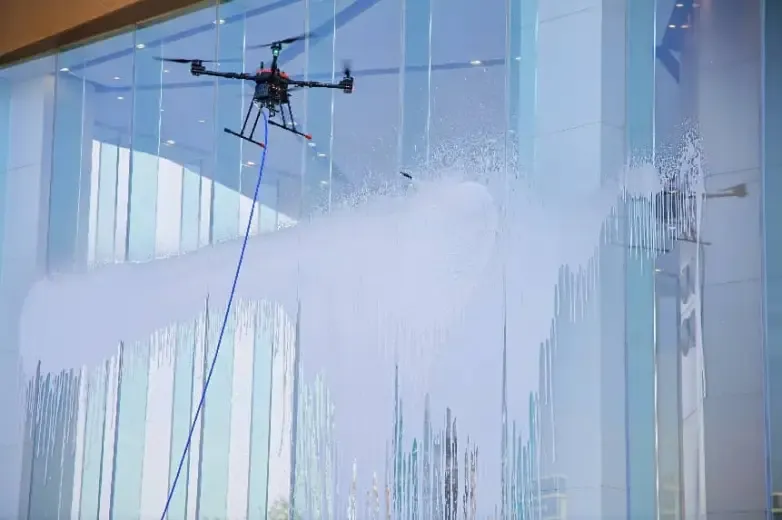
A ground pump cleaning drone can deliver extremely high pressure without
placing the pump's electrical load on the aircraft. The ground unit generates
the hydraulic power; the drone receives pressurized water through a hose and
directs it through a nozzle. Because the pump motor is not powered by the flight
battery, the direct electrical demand from the pumping process is minimal or
zero. That does not mean the battery impact is zero. The aircraft still faces
several indirect loads:
•Hose drag: A long, fluid-filled hose creates aerodynamic and mechanical
drag, especially in wind. The propulsion system must work harder to hold
position.
•Nozzle and valve mass: The gimbal, valve actuators, and nozzle hardware
add payload weight.
•Jet reaction: When water accelerates through the nozzle, it produces a
reaction force opposite to the flow direction. The flight controller must
command additional thrust to maintain attitude, which draws more current from
the battery.
•Control corrections: High-pressure bursts can induce transient torque on
the airframe, requiring rapid motor response.
Therefore, the correct characterization for a ground-pump drone pressure
washing system is limited direct battery load—not "no battery impact." The
battery still pays for propulsion, control, and compensation, but it does not
pay for the bulk of the hydraulic work.
Onboard-Pump Pressure Washing: Where Battery Demand Jumps
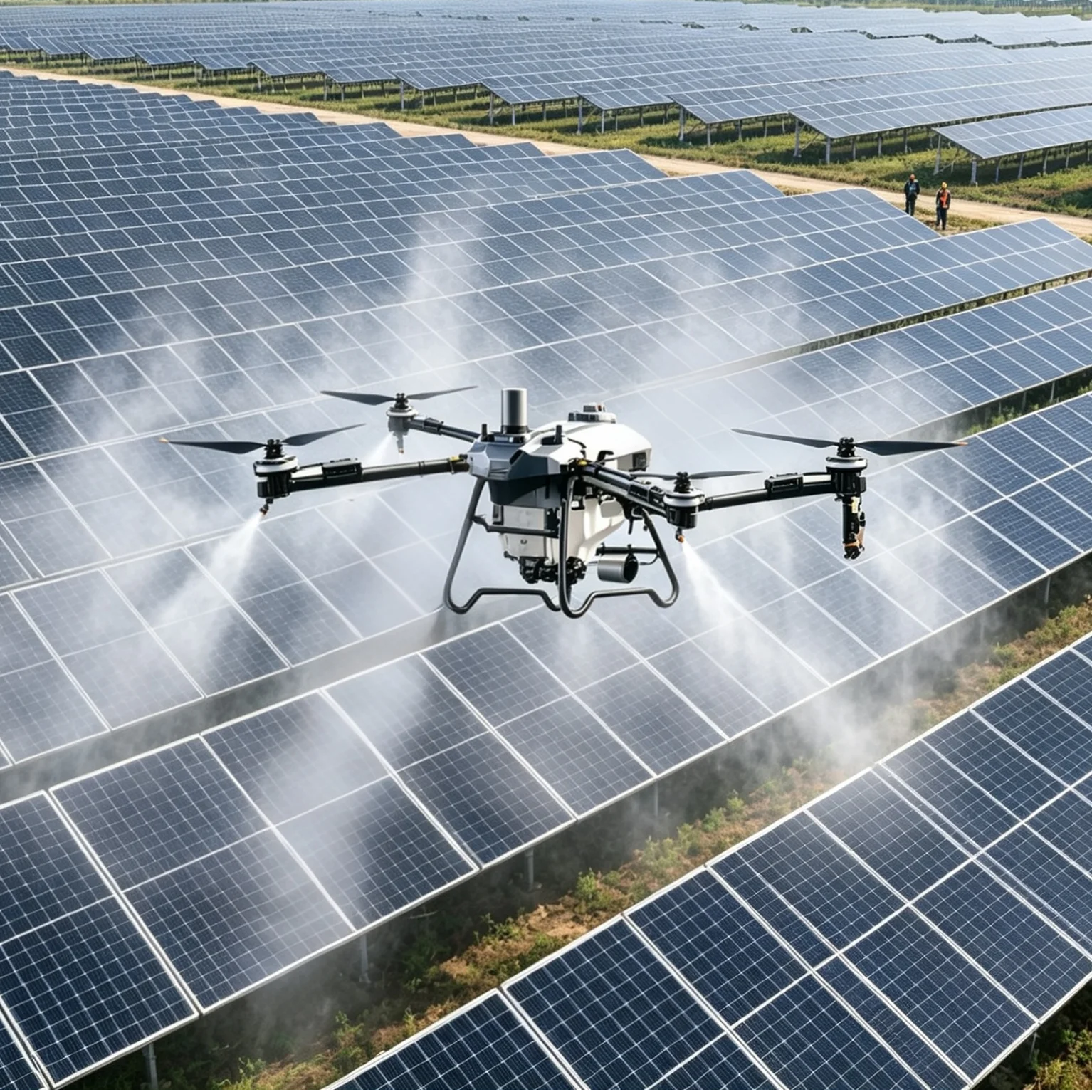
Conversely, an onboard pump drone integrates the hydraulic generation
system directly onto the airframe. In this configuration, the pump motor draws
energy directly from the pressure washing drone battery. This turns hydraulic
demand into a direct battery demand. The electrical current required to spin the
pump motor at high RPMs is subtracted from the energy available for flight,
often resulting in a dramatic reduction in operational endurance.
The impact of an onboard pump drone often exceeds the nominal wattage of
the pump itself. The integration of the cleaning drone pump adds significant
mass to the aircraft, including the pump, motor, controller, plumbing, and
potentially an onboard buffer tank. This additional weight increases the
baseline power required for hover and forward flight. Furthermore, the heat
generated by the pump and motor must be managed, which can affect battery
performance and overall system efficiency. When evaluating an onboard system,
one must account for both the direct electrical draw of the pump and the
secondary propulsion penalty caused by the added mass and thermal load.
Why Soft Wash Is Not Automatically "Low Battery"
It is tempting to assume that a soft wash drone is inherently gentler on
the battery. Soft wash typically operates at lower pressure—often under 1,000
PSI—and relies more on chemical action and volume than on mechanical force. But
low pressure does not automatically translate to low electrical load.
If the soft wash system uses an onboard pump with high flow, the hydraulic
power can still be substantial. Remember the relationship: P_input ≈ (Δp
(pressure differential) × Q (flow rate)) / η (eta). A low Δp multiplied by a
large Q, divided by modest efficiency, can yield significant wattage. If that
wattage is drawn from the flight pack, the pressure washing drone battery is
still heavily taxed, even though the absolute pressure is lower than a
high-pressure rig.
Conversely, a soft wash system with a ground pump and modest flow may
indeed present a light electrical load to the aircraft. The point is not that
soft wash is inefficient; it is that you cannot judge battery demand from the
wash type alone. You must still ask: Where is the pump? What is the flow rate?
What is the efficiency? Until those questions are answered, "soft wash" tells
you very little about energy consumption.
The Five Variables That Actually Shape Battery Demand
To accurately predict energy consumption, engineers and operators must
evaluate five interconnected variables. Each variable influences battery demand
through a specific physical pathway:
1.Pump Power: The hydraulic power required is calculated as the product of
pressure (Δp) and flow rate (Q). However, the actual electrical power drawn from
the battery is this hydraulic power divided by the combined efficiency (η) of
the pump and motor. Pump power is therefore a function of both pressure and
flow, not pressure alone.
2.Propulsion Power: This is the energy required for the aircraft to hover,
maneuver, overcome added weight, counteract hose drag, and resist jet reaction.
Propulsion power is the baseline energy cost of flight, modified by all external
payloads and forces.
3.Jet Reaction: As the nozzle accelerates water, it generates a reactive
force opposite to the direction of flow. The drone’s motors must produce
additional thrust to counteract this force and maintain stable flight. This is
an indirect battery load that exists even in ground-pump configurations, and its
magnitude depends on nozzle orientation and flow velocity.
4.Flow Rate: Flow rate directly increases hydraulic power demand and also
increases the momentum of the water jet, amplifying jet reaction. Higher flow
also means more liquid mass being carried or pulled, increasing hose drag and
propulsion requirements.
5.Pressure: While pressure is a critical specification, it is not an
independent proxy for battery demand. Pressure must be evaluated in conjunction
with flow rate and pump location. Pressure tells you the hydraulic requirement;
pump location tells you who pays the electrical bill.
Conclusion
Do not use pressure alone to predict drone battery demand. A pressure
washing drone does not necessarily draw dramatically more battery power simply
because the water pressure is higher. The first design question is where that
pressure is created. If a ground pump supplies the pressure, most of the pump
power never comes from the drone battery. If the pump is onboard, the battery
must support both propulsion and pumping — and that changes the energy budget
immediately. System architecture comes first. Pressure comes second. That is the
real answer to what changes pressure washing drone battery demand.Whether for
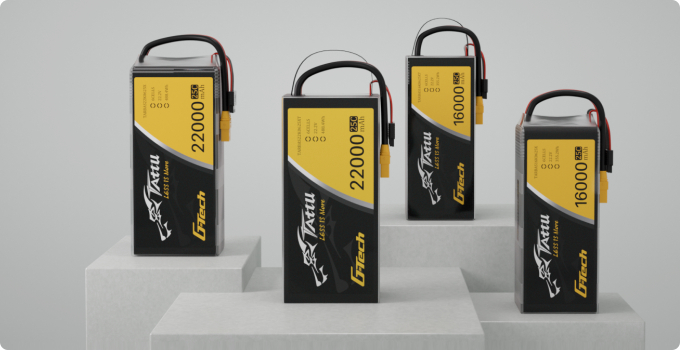
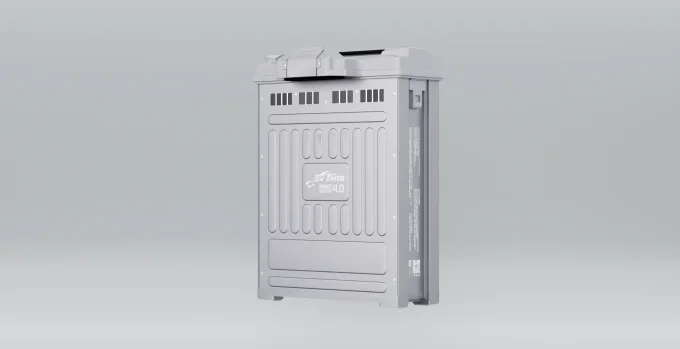
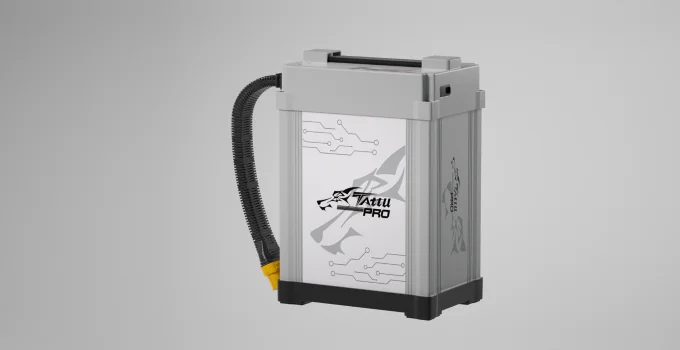
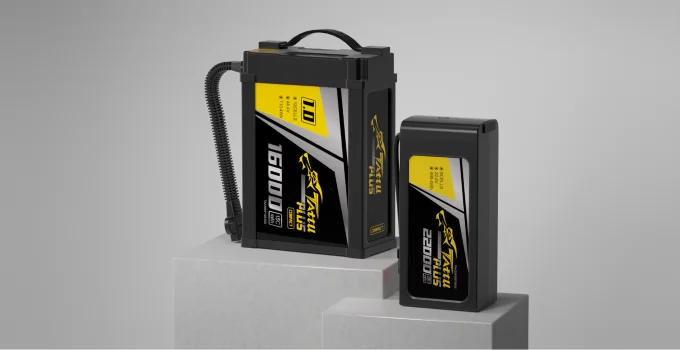
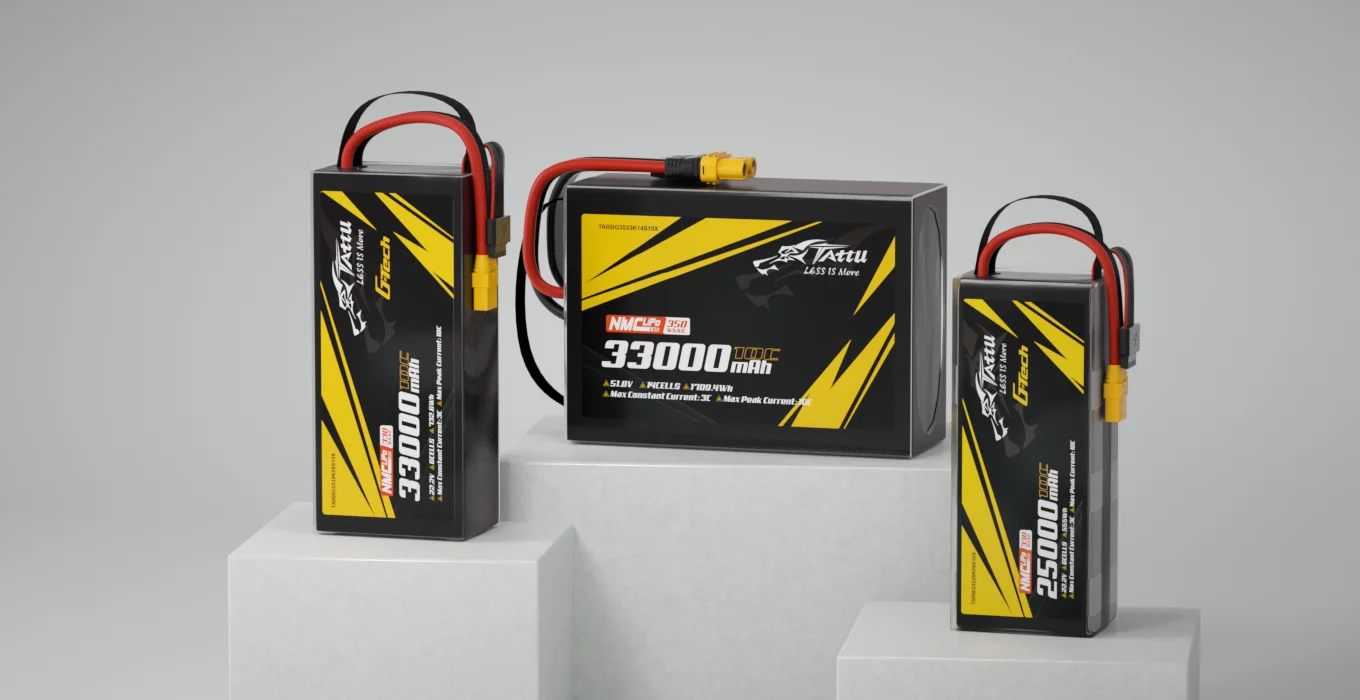
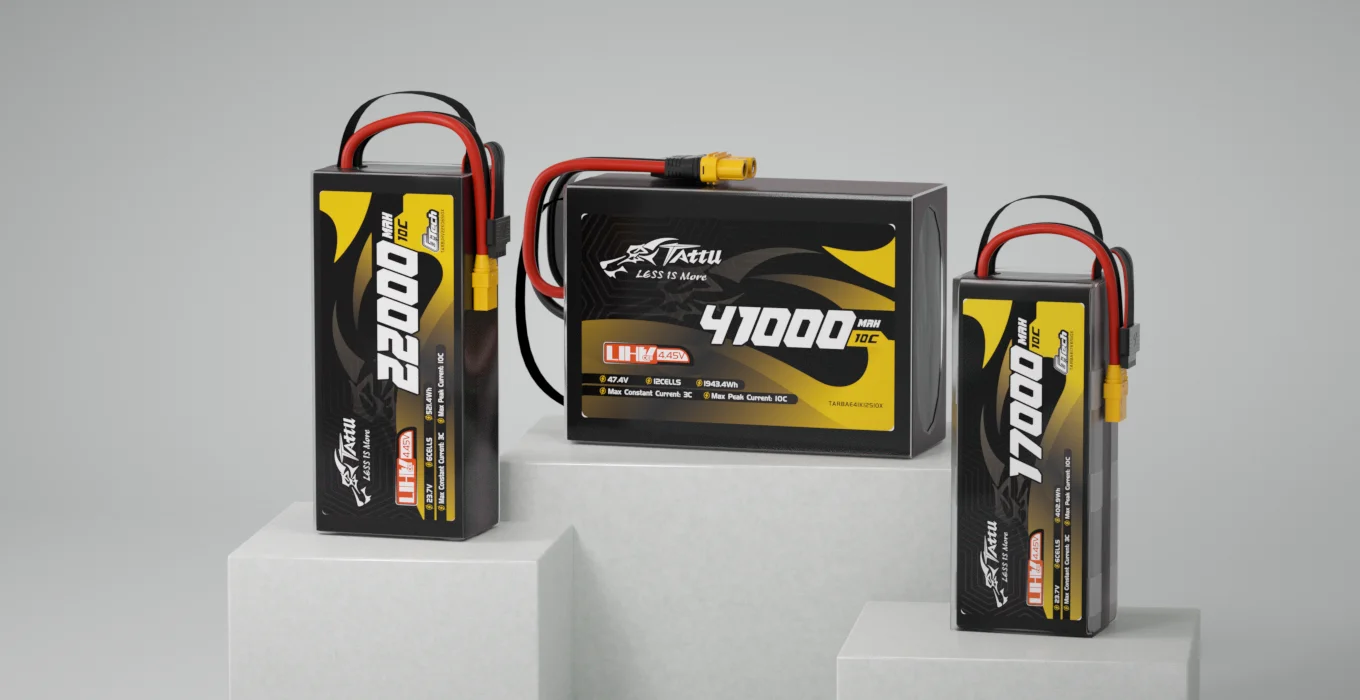
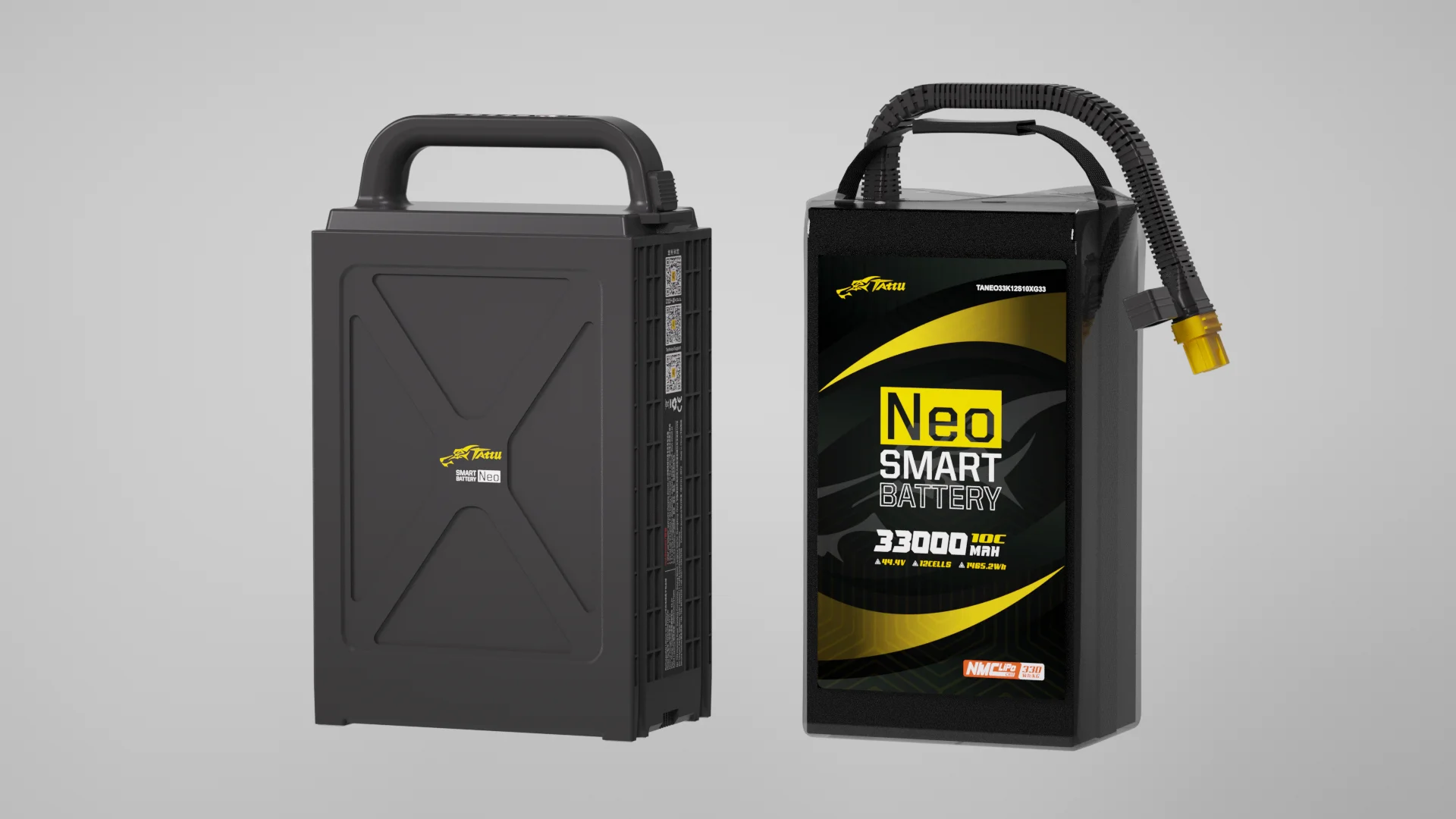
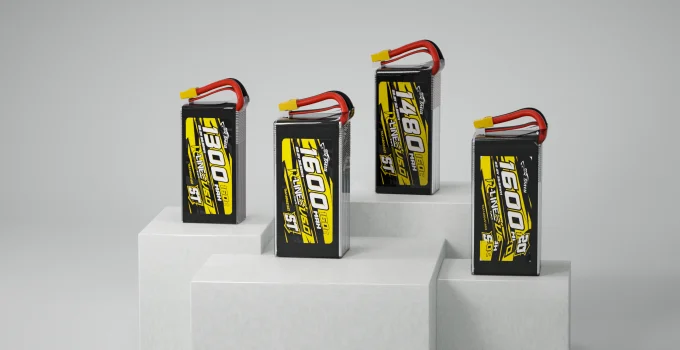
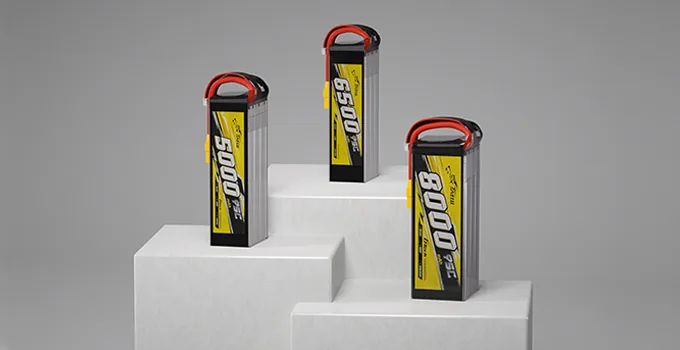
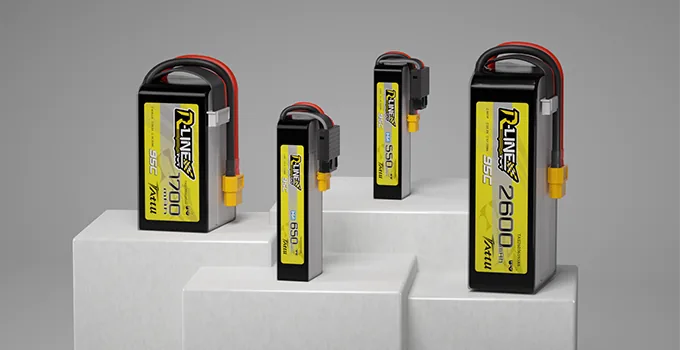
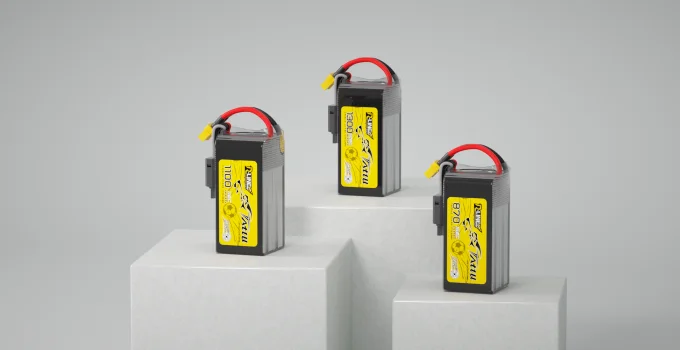
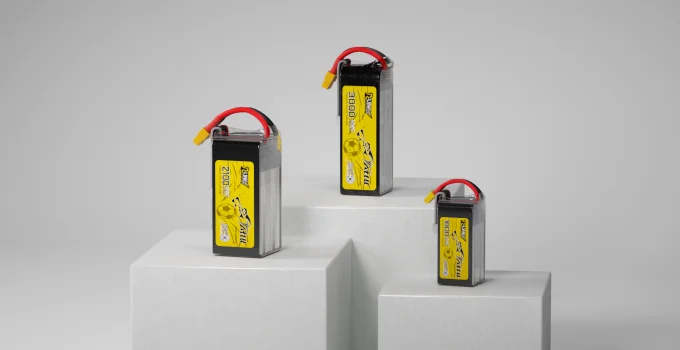
pressure washing or soft wash drones, Tattu offers high-C rate drone batteries designed to handle heavy payloads as well as ultra-high energy density
semi-solid-state batteries built for extended flight times. Choose the power
solution that best fits your operational requirements, or reach out to our
technical team at [email protected] to get a customized, professional battery
recommendation.




 Blog
Blog
 Blog
Blog
 Blog
Blog


