68.6kg Payload Hover Test with Tattu 4.0 Smart Battery
Case Study
Case Overview
Item
Details
Application
Heavy-Lift UAV
Battery Used
Tattu 4.0 30Ah 14S × 2
Takeoff Weight
149.8 kg
Payload
68.6 kg
Test Environment
32°C, max wind speed 3 m/s
Hover Time
7 min 19 s
Test Summary
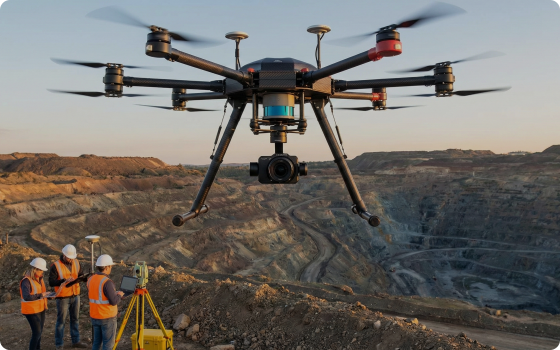
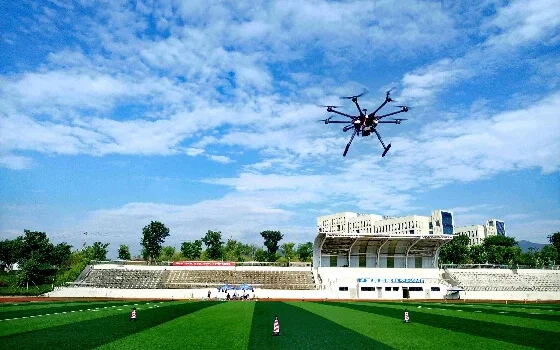
This test recorded a heavy-lift UAV powered by two Tattu 4.0 30Ah 14S smart batteries.
With a 149.8 kg takeoff weight and 68.6 kg payload, the UAV completed a 7-minute 19-second hover test under 32°C ambient temperature and a maximum wind speed of 3 m/s.
For heavy-lift UAV applications, this result provides a practical reference for pilots evaluating battery performance under real payload pressure.
Why This Test Matters
For a heavy-lift UAV, the battery faces two different pressure points during flight.
The first is takeoff. At this stage, the aircraft needs a strong current burst to lift the full takeoff weight from the ground. This is usually one of the highest power-demand moments in a heavy-lift mission.
The second is loaded hover. After takeoff, the aircraft must keep the payload suspended in the air. Hover time is affected by total weight, propeller efficiency, motor system, wind, temperature, and battery discharge performance.
That is why this test focuses on a clear set of conditions: 68.6 kg payload, 149.8 kg takeoff weight, 32°C temperature, and 3 m/s max wind speed.
Tattu 4.0 Battery Performance in the Test
The UAV used Tattu 4.0 30Ah 14S × 2 as its power source.
During the test, the battery system supported the aircraft through takeoff and maintained loaded hover for 7 minutes and 19 seconds. This shows the battery’s ability to support high-current output during takeoff and continuous power demand during hover.
For pilots, the key takeaway is not just the battery capacity. The more important question is whether the battery can match the UAV’s takeoff weight, payload, voltage platform, propulsion system, and target flight time.
Battery Options for Heavy-Lift UAVs
Tattu 4.0 can be used for industrial UAV platforms that require smart communication, high-current discharge, and flexible battery configuration.
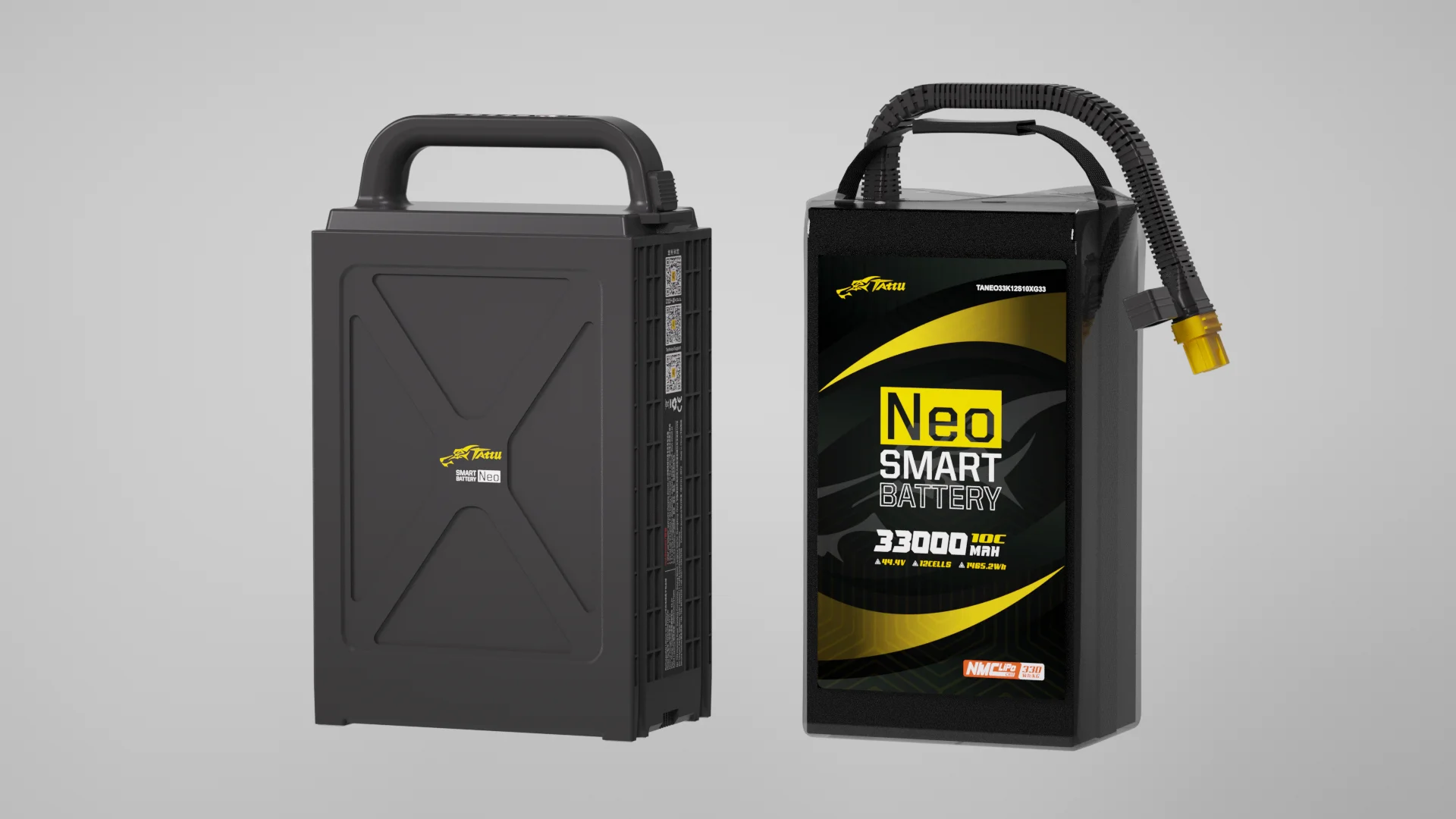
For larger heavy-lift UAVs, Tattu Neo also provides 24S and 28S large-capacity battery options. These batteries are suitable for higher-voltage platforms, larger aircraft, and missions that require stronger power support or longer endurance.
Battery selection should be based on:
Payload weight
Takeoff weight
Voltage platform
Motor and propeller system
Battery compartment design
Required flight time
Key Takeaways
1. Takeoff is the first major battery stress point
A heavy-lift UAV needs strong current support when lifting the aircraft and payload from the ground. This stage places a high instantaneous demand on the battery system.
2. Hover time reflects the full aircraft setup
The 7-minute 19-second hover result is not determined by the battery alone. It is also related to aircraft weight, propulsion efficiency, weather conditions, and payload configuration.
3. Battery capacity alone is not enough for selection
For heavy-lift UAVs, choosing a battery only by Ah or Wh is not reliable. The battery must match the aircraft’s voltage platform, discharge demand, installation space, and mission goal.
4. Tattu offers higher-voltage options for larger platforms
In addition to 14S smart battery solutions, Tattu Neo also offers 24S and 28S large-capacity heavy-lift UAV batteries for larger industrial UAV platforms.
Recommended Product
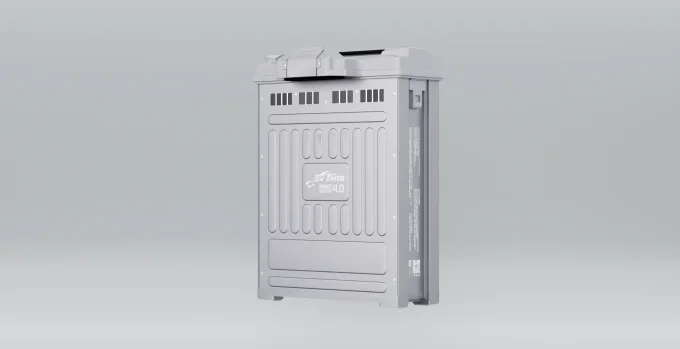
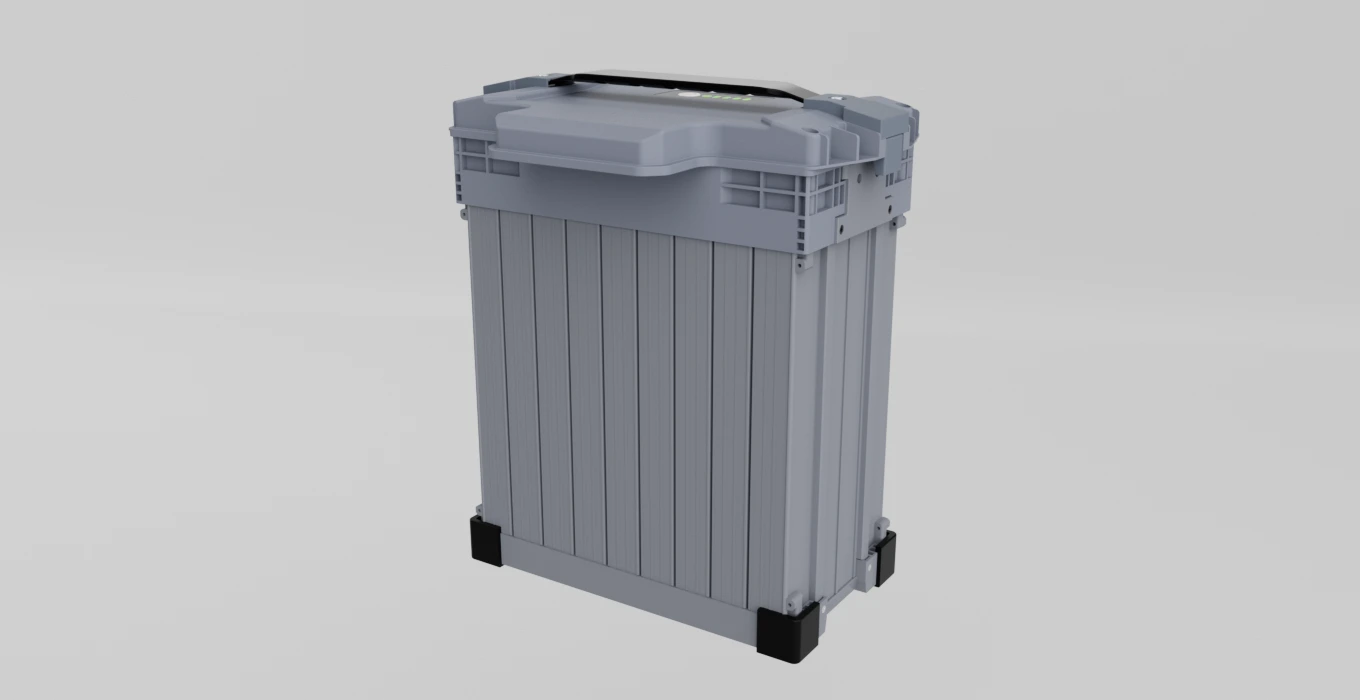
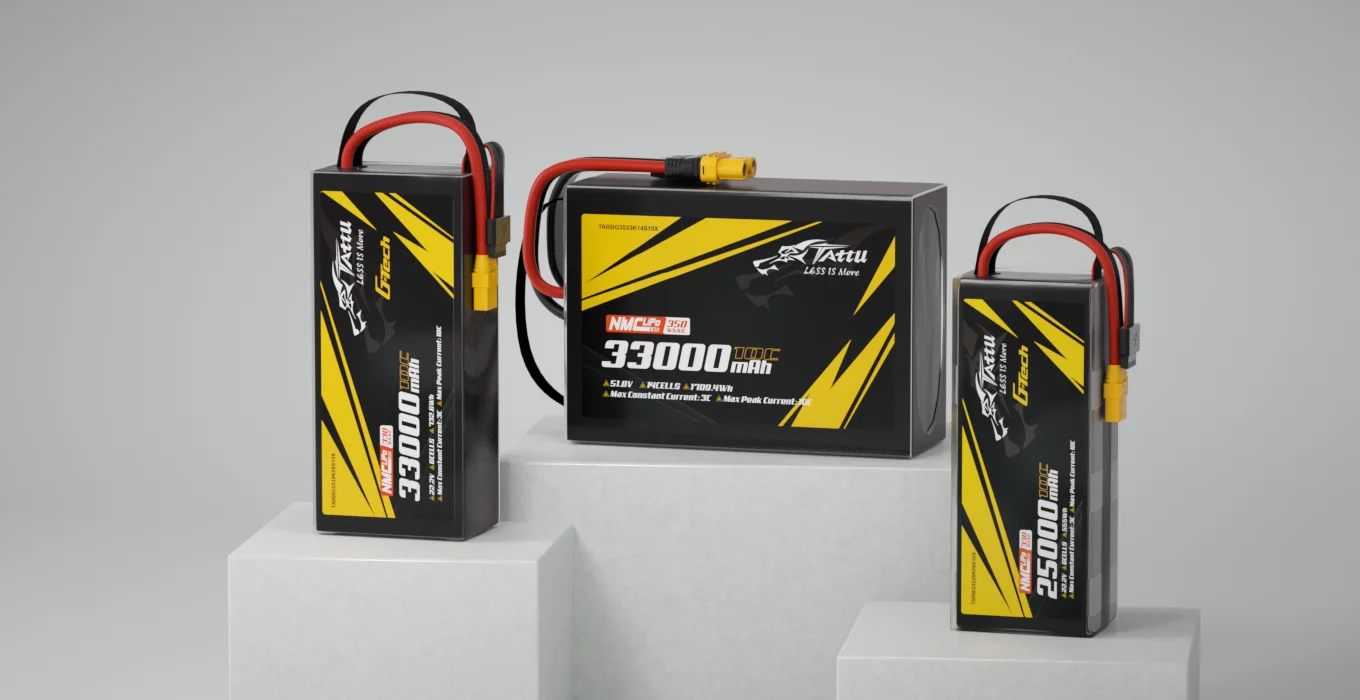
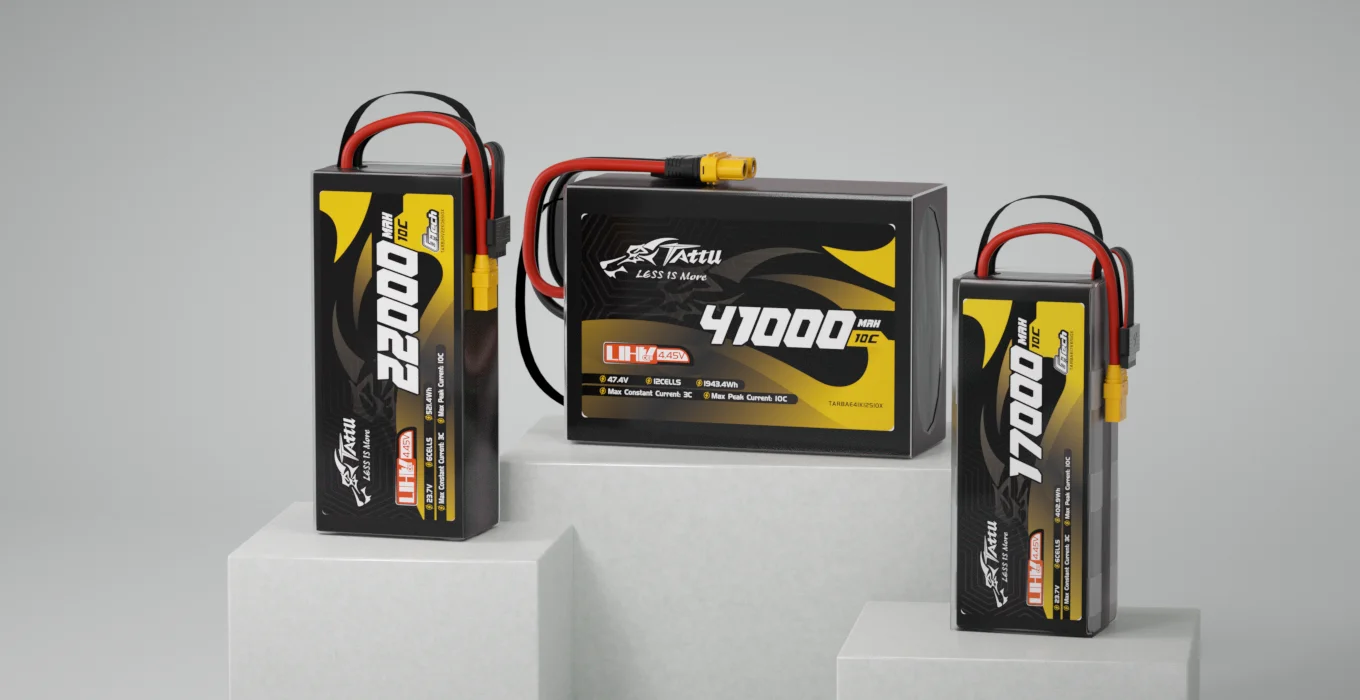
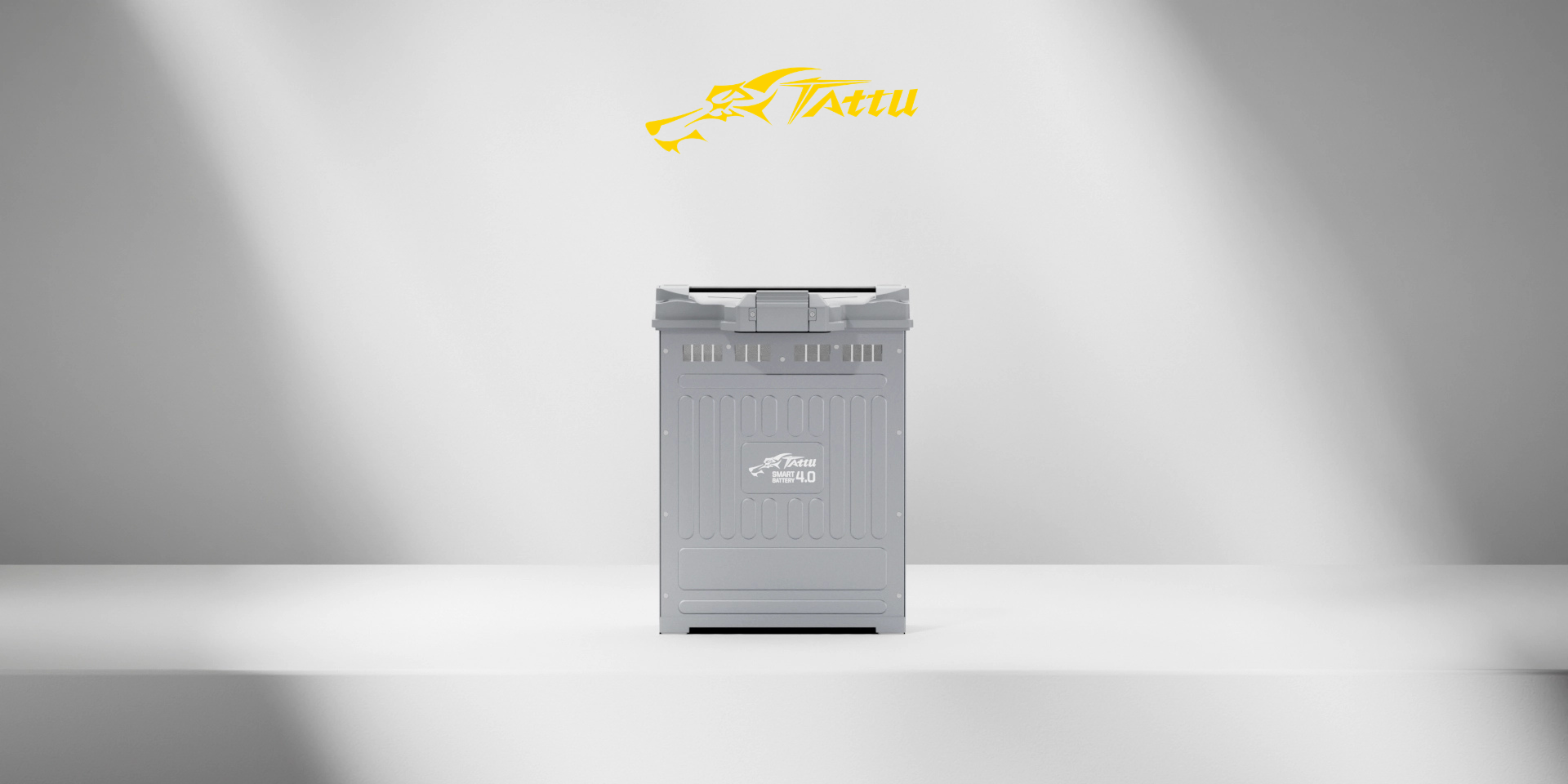
Tattu 4.0 Smart Battery
Tattu 4.0 is suitable for industrial UAV platforms that require high-current output, smart battery communication, and flexible configuration for different payload requirements.






 Case Study
 Case Study
 Case Study


