Ground-fed water does not mean low battery demand. If you operate or
specify a hose-fed cleaning drone, this is the single most expensive
misconception you can hold. The hose delivers water, but every joule of flight
energy still comes from the onboard pack. When you account for the physics of
facade work—hose weight, hose drag, jet reaction, wind, near-wall aerodynamics,
and constant position correction—the power profile looks nothing like a
leisurely aerial survey. It looks like a repeated, high-current stress test.
This article breaks down why a hose-fed cleaning drone battery is not a place to
cut costs, but a critical safety and performance decision.
1. The Misconception: "Tethered Means Unlimited Power"
As the commercial drone industry scales, a common misconception has taken
root among operators and facility managers: the assumption that a tethered,
water-fed drone requires minimal onboard power. The logic seems intuitive—if a
hose delivers a continuous water supply, and sometimes even a power line from
the ground, the drone itself is merely a floating nozzle, right?
The reality of aerodynamic physics dictates otherwise. While the hose
delivers cleaning fluids, the drone's propulsion system—its motors and
Electronic Speed Controllers (ESCs)—relies entirely on onboard batteries to
sustain flight under extreme stress. Operating a tethered drone is not a static
hover; it is a continuous, violent battle against gravity, fluid dynamics, and
unpredictable weather.
At the core of this operation is a fundamental equation:
Hose Weight + Hose Drag + Jet Reaction + Wind + Near-Wall Hover + Frequent
Position Correction = Dynamic Power Demand
Understanding this equation is critical. A robust hose-fed cleaning drone
battery is not a luxury or an optional upgrade—it is a critical safety and
performance component that prevents catastrophic voltage drops and ensures
operational stability.
2. The Hidden Burden: Hose Weight and Hose Drag
The baseline cleaning drone power requirements begin with overcoming the
tether itself. Unlike free-flying mapping drones, a water-fed cleaning drone
must lift a hose filled with pressurized fluid. As the drone climbs higher on a
building facade, the length of hose suspended below it increases, and so does
the gravitational pull on the drone's motors. At 50 meters of altitude, the
drone is not just carrying its own frame and cleaning payload — it is also
supporting a vertical column of water-filled hose. This load scales with
building height, meaning the power demand grows as the job gets more
demanding.
Furthermore, the hose creates severe lateral resistance. As the drone
maneuvers horizontally across a facade, it must drag the tether against friction
and air resistance. Operating as a hose drag drone means the flight controller
must command higher RPMs from the motors just to maintain a basic hover,
consuming massive amounts of sustained energy before the cleaning even
begins.
The practical implication is that the baseline power draw of a hose-fed
cleaning drone is significantly higher than a drone of comparable size operating
in open airspace. Any facade cleaning drone battery must be sized to handle this
continuous additional load from the moment the drone leaves the ground.
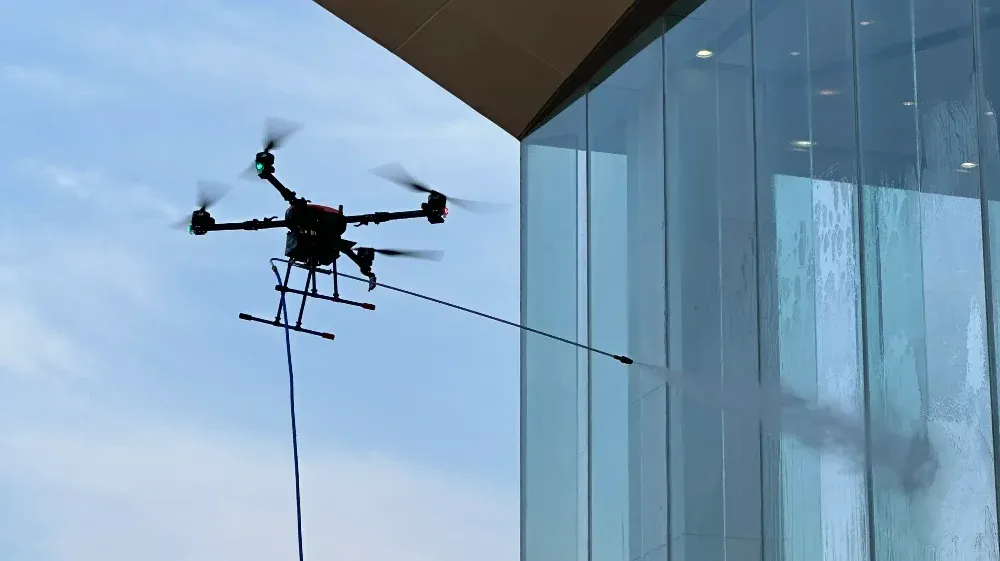
3. Jet Reaction Force and Near-Wall Aerodynamics
Jet reaction is a direct consequence of Newton's third law. When the drone
discharges high-pressure water jets against a building surface, the reactive
force pushes the drone away from the wall. The motors must generate compensating
thrust — directed toward the building — to maintain the working distance. This
is not a brief pulse; it is a sustained force that persists for the entire
duration of every cleaning pass.To counteract this, the drone must pitch forward
aggressively, forcing the front rotors to work at near-maximum capacity to hold
the position.
Compounding this is the "vertical ground effect." Hovering inches away from
a solid glass or concrete facade forces the rotor downwash to bounce off the
wall, creating a turbulent, low-pressure vortex between the drone and the
building. This near-wall aerodynamic instability significantly reduces propeller
efficiency. The motors must draw more current to generate the same amount of
thrust. These two factors alone create a sustained power demand far exceeding
that of standard free-flight UAVs.
Together, jet reaction and near-wall turbulence create a sustained,
elevated power demand that far exceeds that of a free-flight drone. A standard
facade cleaning drone battery must therefore be capable of delivering high
current continuously, not just in short bursts. If the battery cannot maintain
voltage under this sustained load, the drone will lose altitude or drift into
the building.
4. Wind, Instability, and Frequent Position Correction
Urban canyons and high-rise facades are notoriously hostile wind
environments. Outdoor wind loads add unpredictable lateral and vertical forces.
However, a window cleaning drone battery cannot simply rely on broad, sweeping
corrections. Cleaning operations require precise, millimeter-level positioning
to ensure uniform spray distances and streak-free results.
To maintain this precision against gusts and jet recoil, the flight
controller executes hundreds of micro-corrections per second. These rapid,
continuous adjustments to motor speeds create severe transient loads—sudden
spikes in electrical current (Amperage). Without a high discharge UAV battery
capable of delivering instantaneous power surges, these micro-corrections result
in voltage sag, leading to sluggish responsiveness, altitude drops, or even
total motor desynchronization.
This is where the distinction between a generic drone battery and a
purpose-built high discharge UAV battery becomes operationally critical. A
battery with insufficient discharge rate (C-rating) will experience voltage sag
during these transient spikes. Voltage sag reduces motor efficiency, degrades
flight controller responsiveness, and in extreme cases can trigger low-voltage
protection — causing the drone to lose power at altitude. A window cleaning
drone battery must therefore be rated not only for total energy capacity but for
the ability to handle rapid, repeated current surges without performance
degradation.
5. Why High-Power Batteries Are Non-Negotiable
When you consolidate all six factors—Hose Weight, Hose Drag, Jet Reaction,
Wind, Near-Wall Hover, and Frequent Position Correction—the result is an extreme
Dynamic Power Demand. The electrical load is not a steady curve; it is a
volatile series of massive energy spikes.
Because of this, selecting the right hose-fed cleaning drone battery is an
engineering decision, not a cost-cutting opportunity. Standard batteries will
quickly overheat and fail under these conditions. A true high power drone
battery must possess specific industrial-grade architectures:
•High C-rating (discharge rate): Ensures the battery can deliver peak
current during transient loads without voltage collapse.
•Energy density (Wh/kg): Maximizes flight time without adding excessive
weight — critical when the drone is already carrying a water-filled hose.
•Thermal management: Sustained high-current discharge generates heat. A
battery that cannot dissipate heat effectively will degrade faster and may
trigger thermal protection cutoffs mid-operation.
•Cycle life: Facade cleaning is a high-frequency commercial operation. The
battery must withstand hundreds of charge-discharge cycles without significant
capacity loss.
The consequences of under-specifying the battery are not theoretical. An
underpowered high power drone battery does not simply reduce flight time — it
introduces a cascade of failure risks: voltage drop leads to reduced motor
authority, which degrades position control, which increases the likelihood of
uncontrolled descent at altitude. In a facade cleaning operation, where the
drone is flying close to people, vehicles, and building infrastructure, this is
not an acceptable risk.
Conclusion
The hose-fed cleaning drone architecture solves the weight problem of
onboard water tanks, but it does not solve the power problem. The hose itself
becomes a dynamic load. The cleaning jet creates reaction forces that rival
moderate wind conditions. The near-wall aerodynamic environment is hostile to
propeller efficiency. And the urban wind field, combined with
millimeter-precision positioning requirements, forces the flight controller to
demand current in rapid, unpredictable pulses.
A high discharge UAV battery is the only component that can bridge the gap
between these physical demands and safe, productive flight. High C-rating, low
internal resistance, and robust thermal behavior are not marketing features;
they are survival characteristics for a machine that spends its working life
fighting gravity, drag, reaction forces, and turbulence simultaneously.
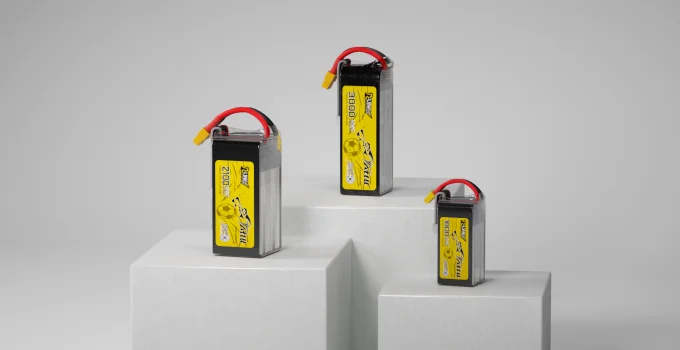
As a world-leading drone battery manufacturer, Tattu engineers premium 6S,
12S, and 14S high-power UAV batteries specifically designed to conquer the
extreme dynamic power demands of hose-fed cleaning drones. Whether you are
optimizing a heavy-lift facade-washing fleet to combat intense tether drag or
seeking customized energy solutions to maximize your overall operational
efficiency and safety, our expert team is ready to assist you; for tailored
power recommendations, customized specifications, or any other inquiries, please
reach out directly to [email protected].
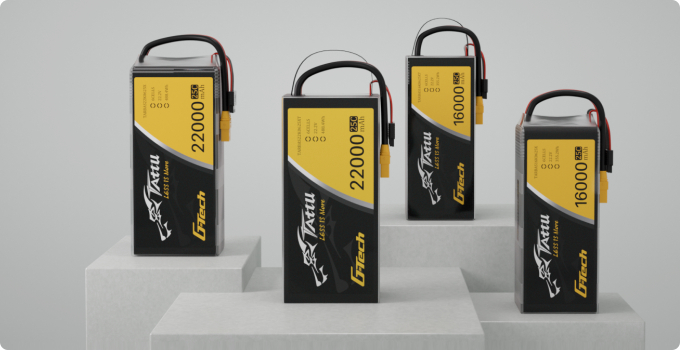
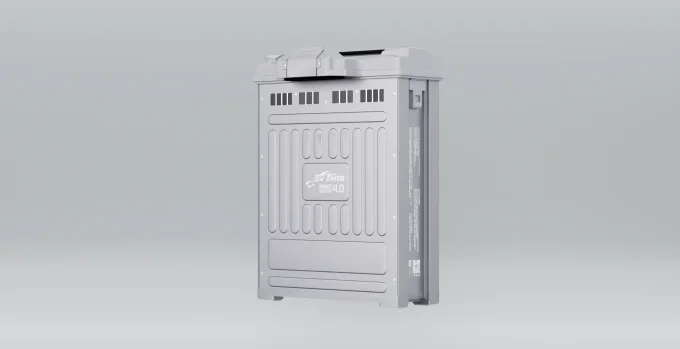
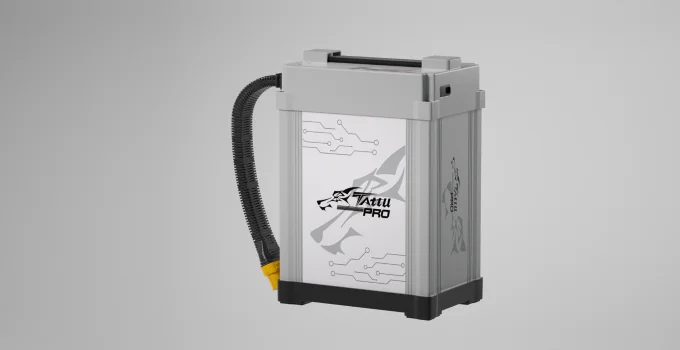
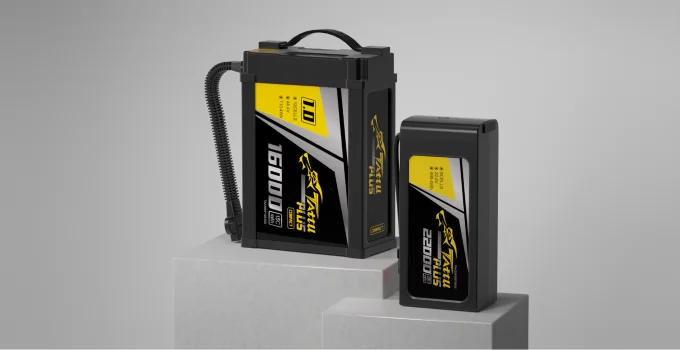
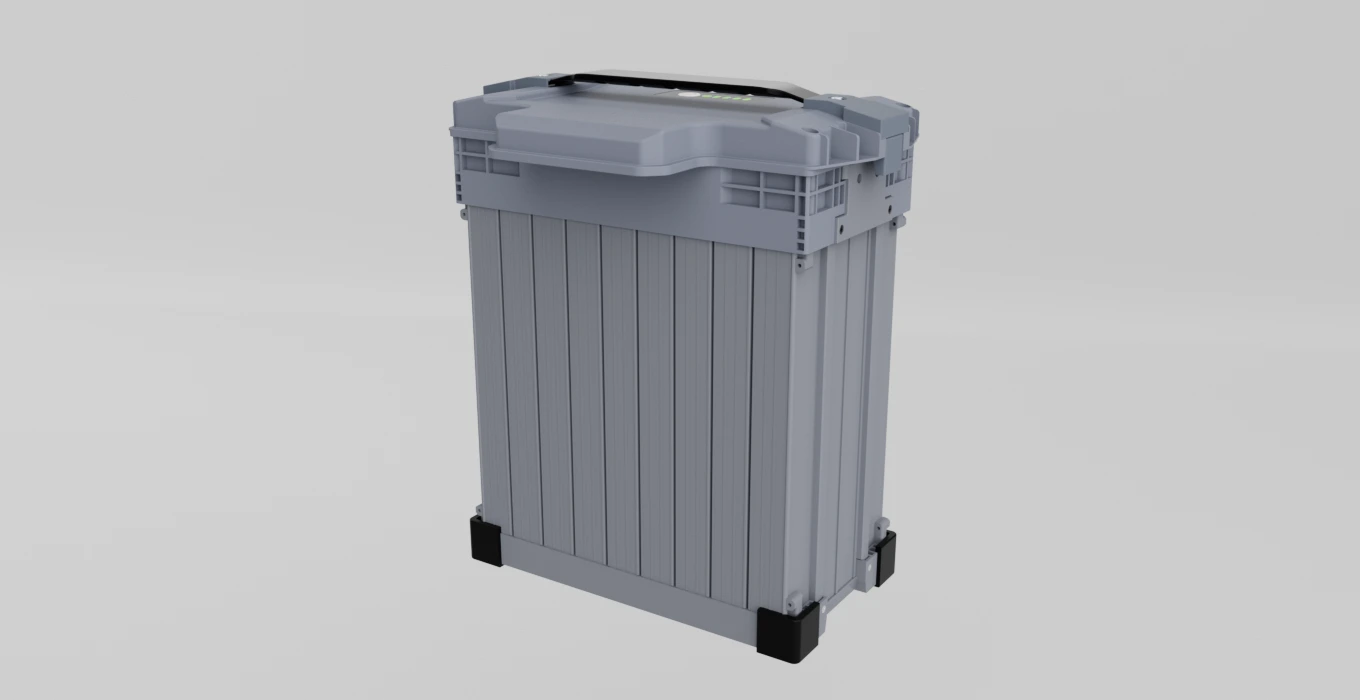
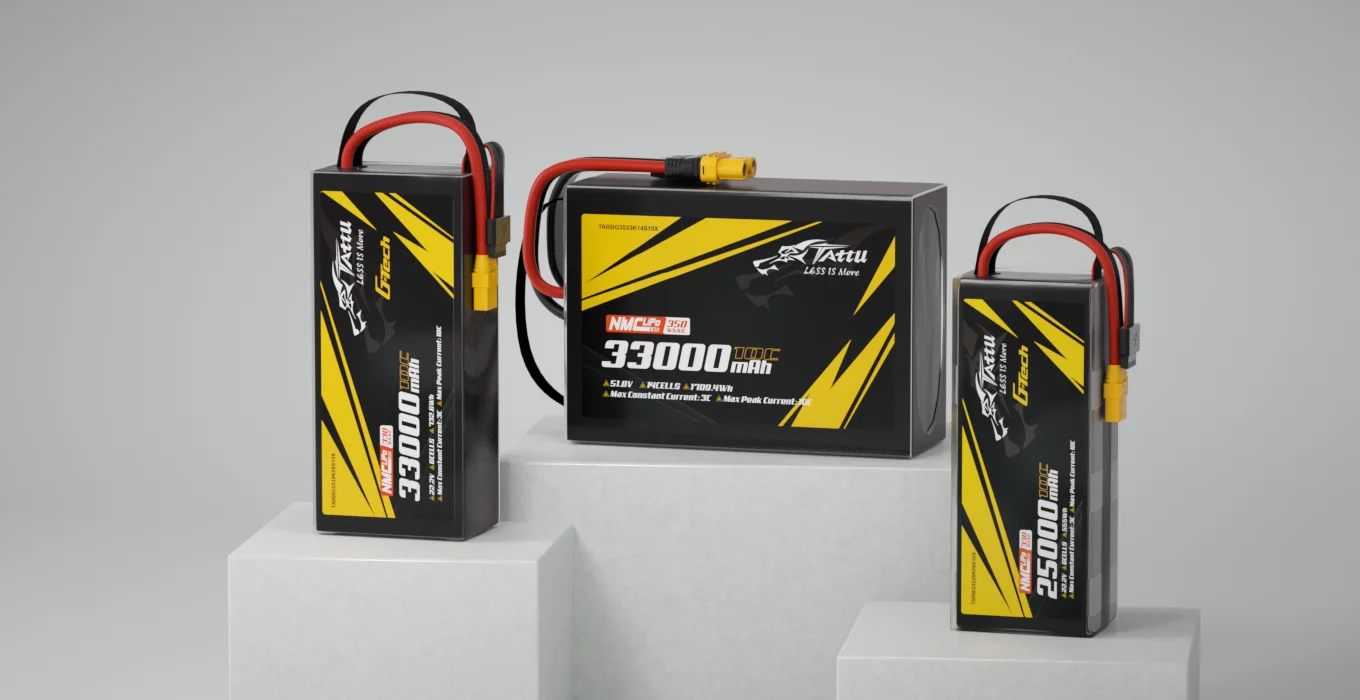
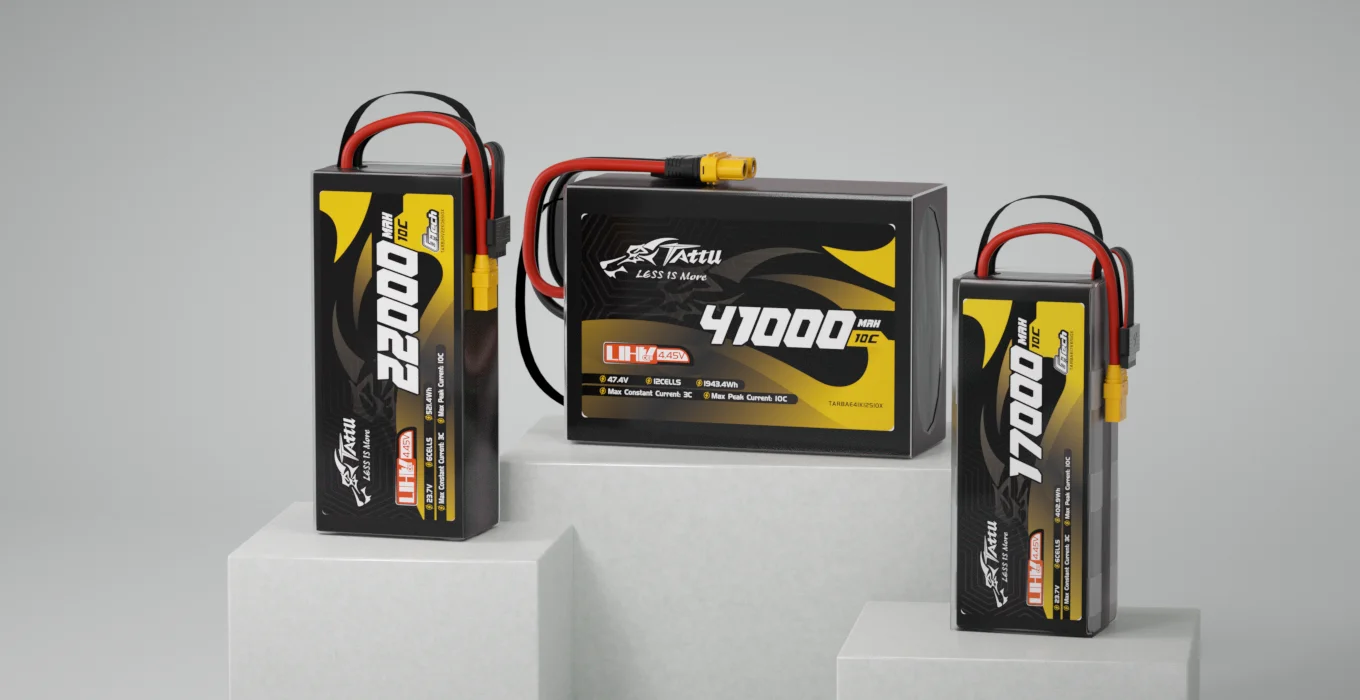
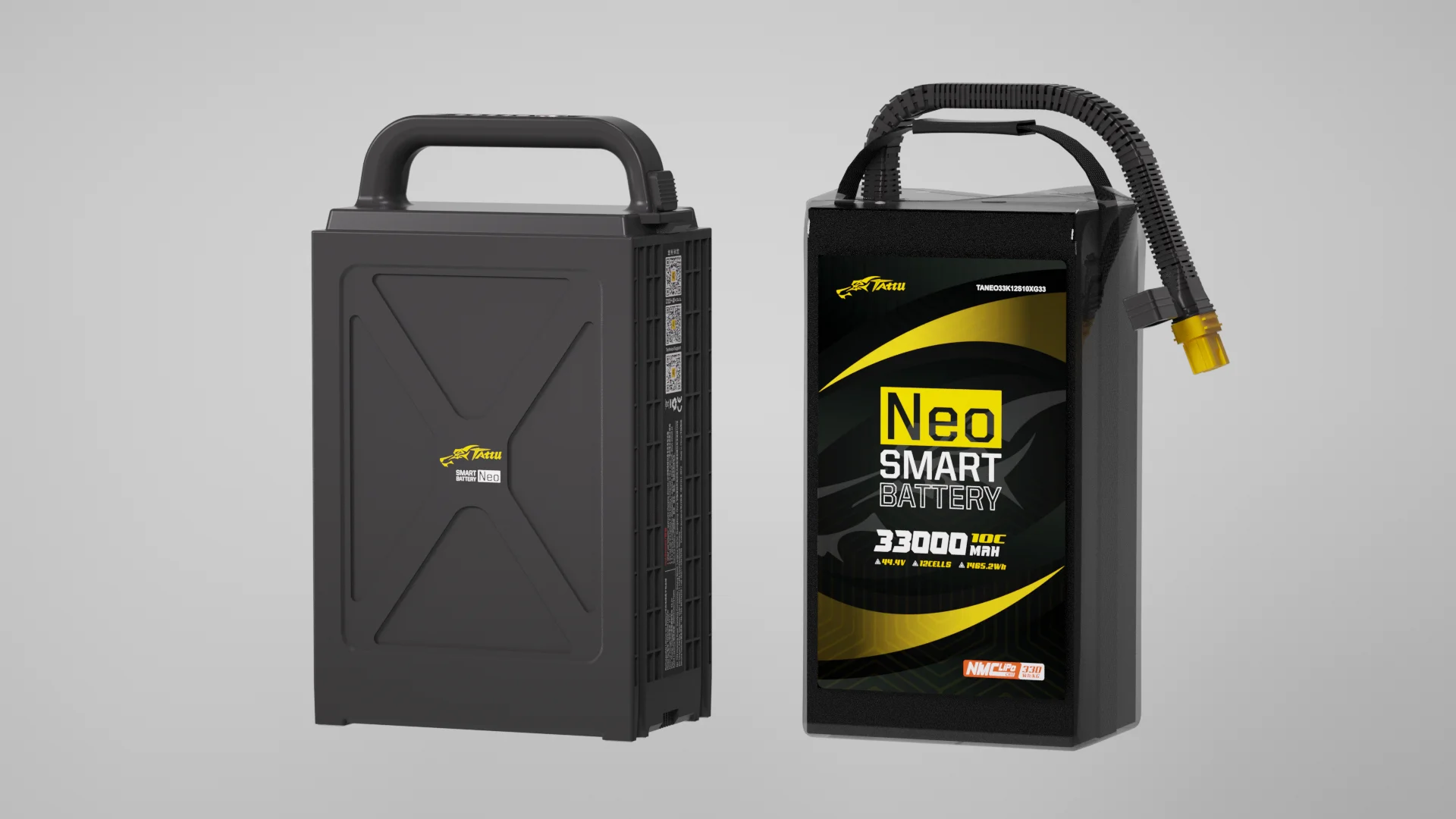
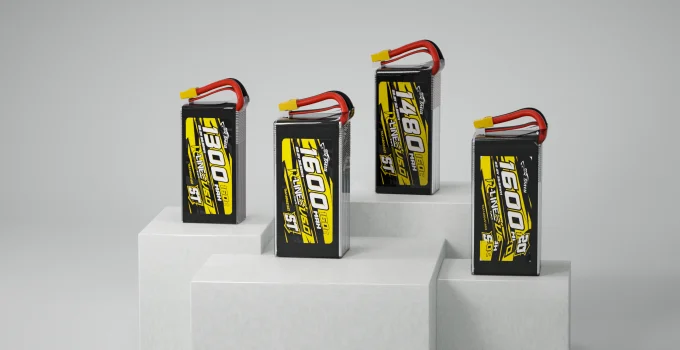
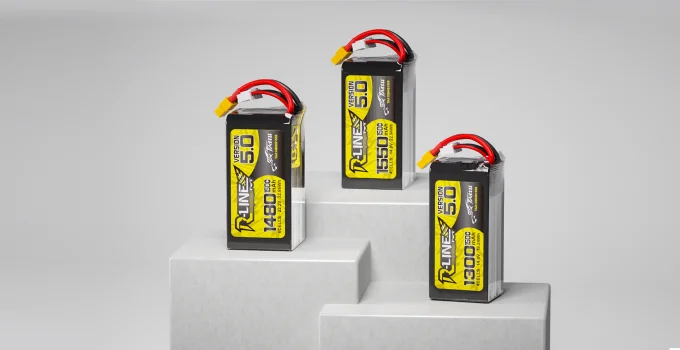
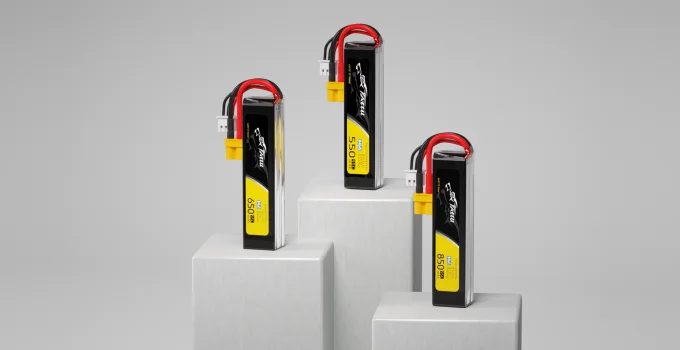
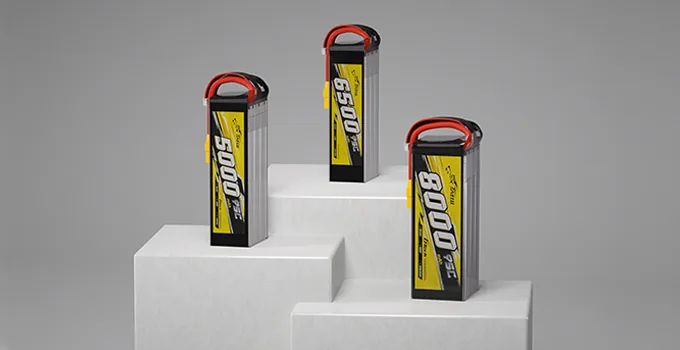
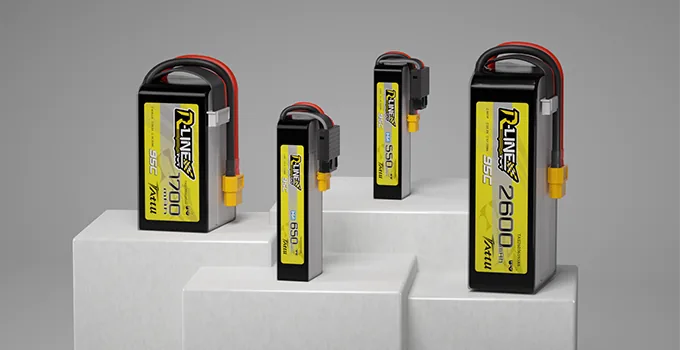
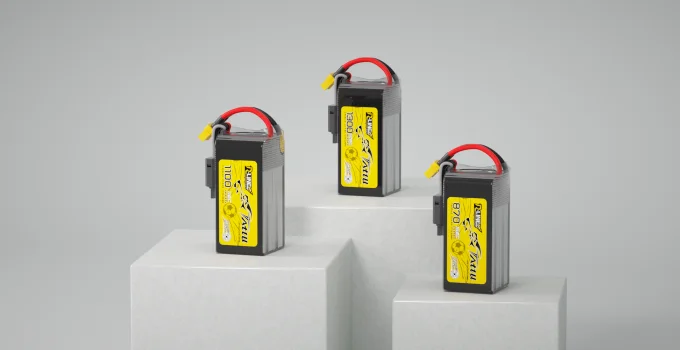
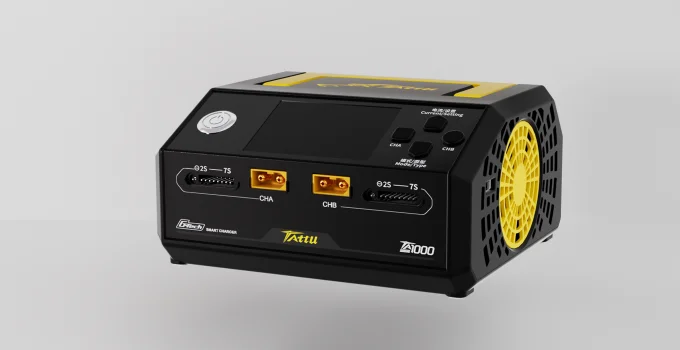
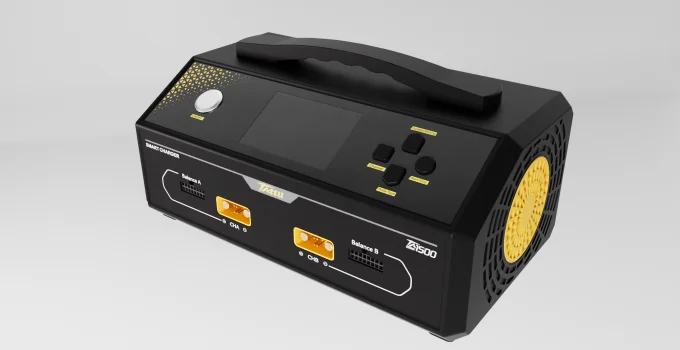
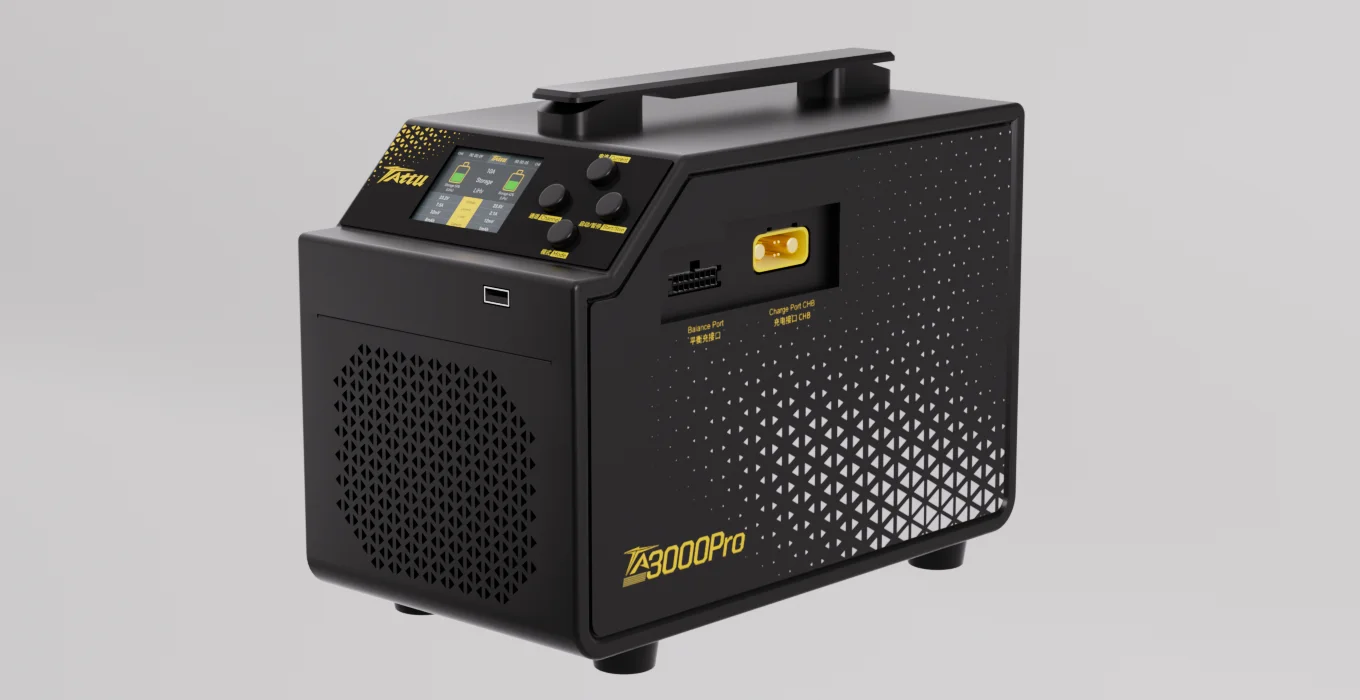
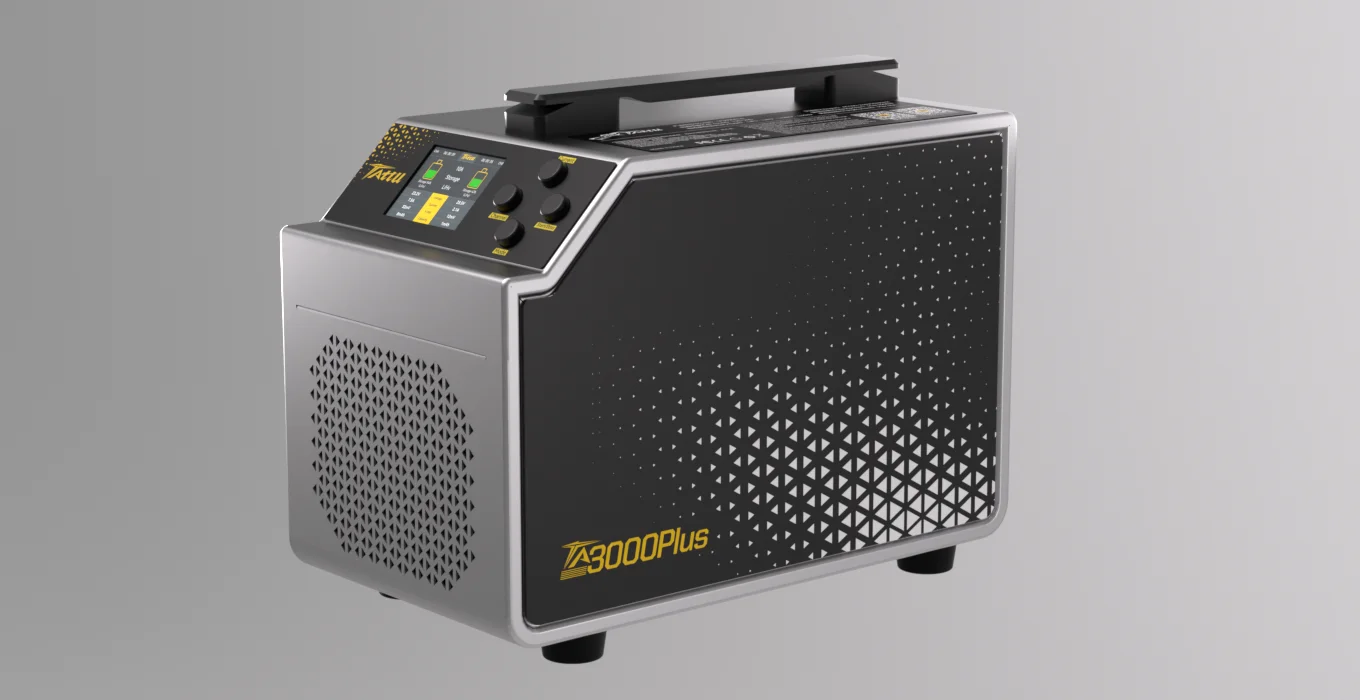
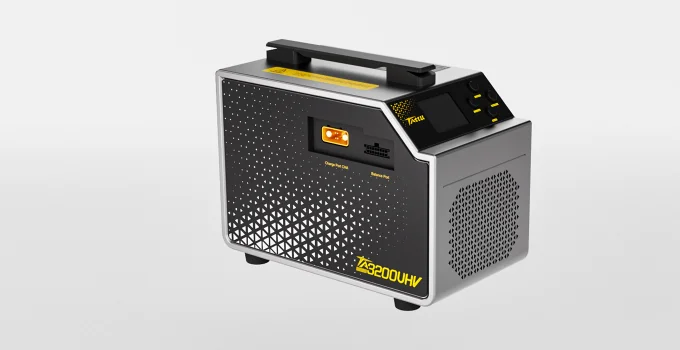
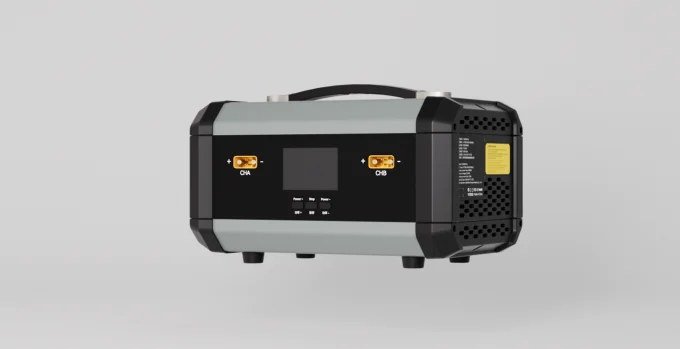
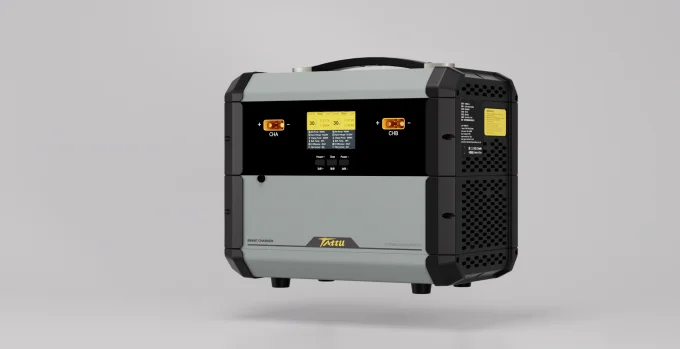
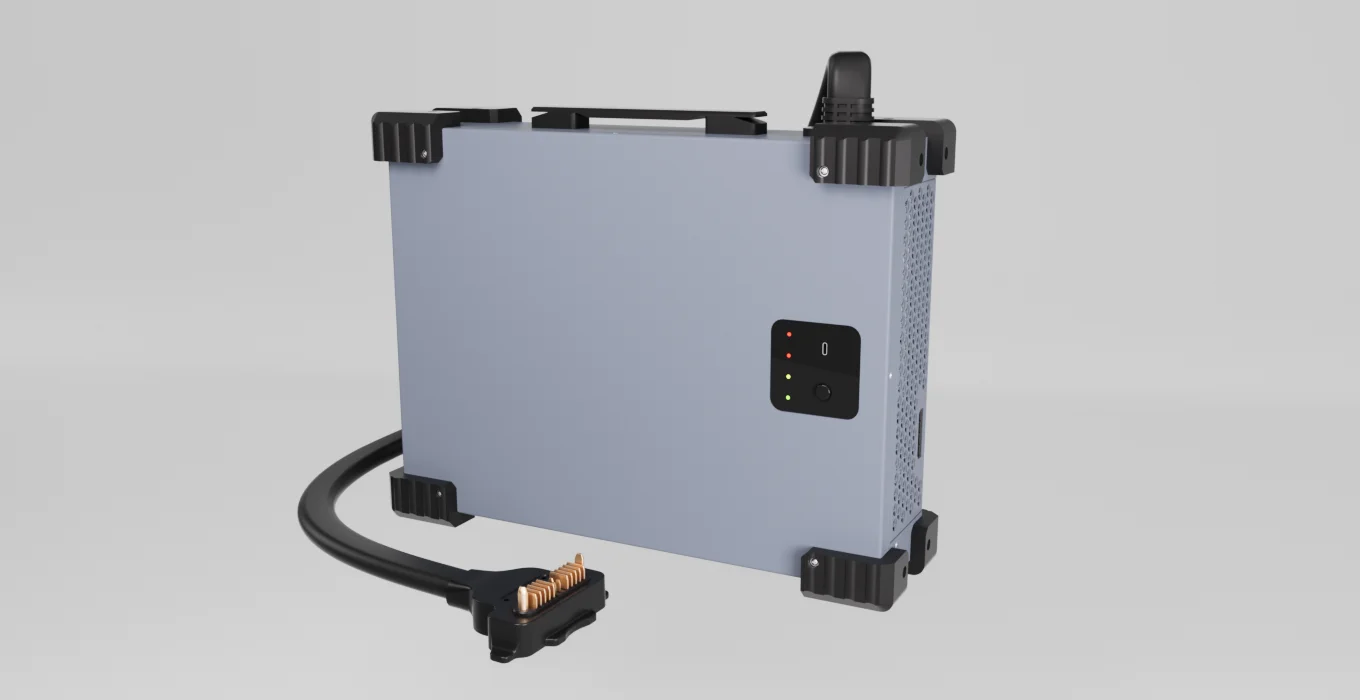
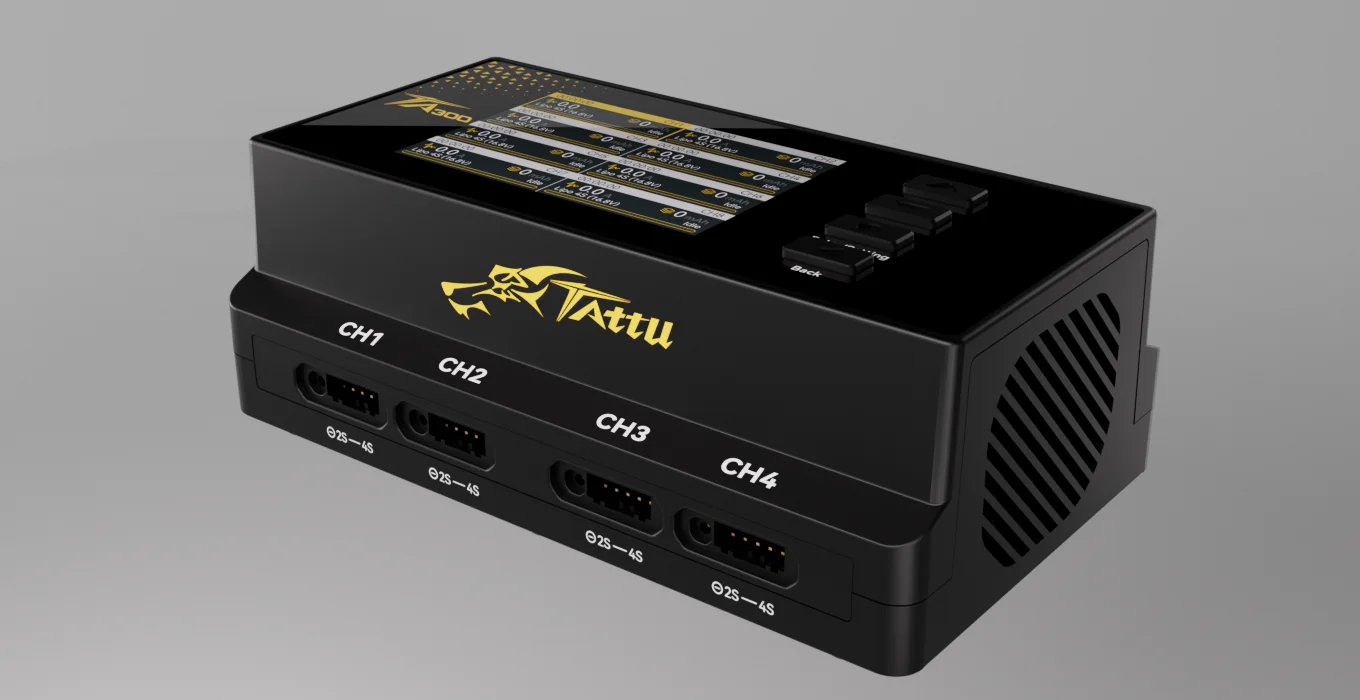
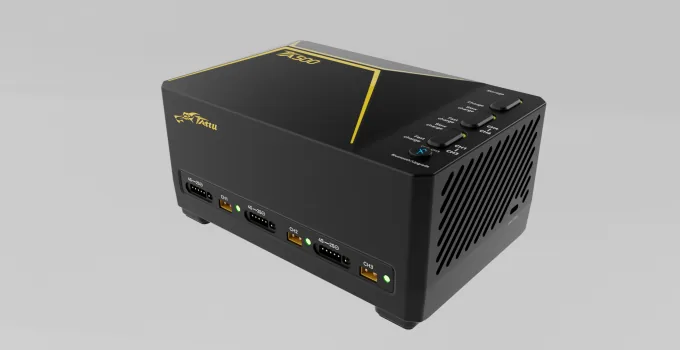
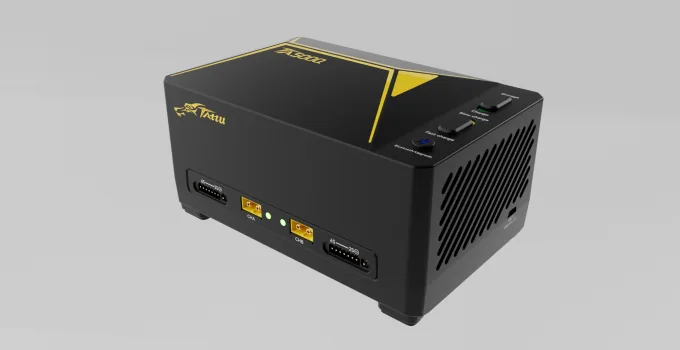
Below are some of Tattu's most common battery models suitable for hose-fed
cleaning drones for your selection reference:



 Blog
Blog
 Blog
Blog
 Blog
Blog


