If you are running a pesticide drone sprayer business, you already know
that the battery is not just a component—it is the single most expensive
consumable in your entire operation. The right battery keeps your field spraying
drone in the air and your revenue flowing. The wrong one grounds your fleet,
damages your powertrain, and turns a profitable season into a maintenance
nightmare.
This guide is written from the perspective of operators who have logged
thousands of acres across corn, rice, and vineyard operations. We will not bore
you with electrochemistry theory. Instead, we will show you exactly how to match
a battery to your crop spraying drone based on real-world load data, voltage
requirements, and daily sortie economics.
The Five Numbers That Actually Decide Your Flight
Not all agriculture drones are the same. A 10L field spraying drone uses a
very different power system than an 80L heavy lift drone designed for crop
dusting drones applications. Before you even look at a battery, answer these
three questions:
•What is the tank capacity of your drone? (10L, 20L, 30L, 50L, 80L,
100L)
•What voltage system does the drone use? (12S, 14S, or 18S high-voltage)
•What connector type is on the battery tray? (AS150U-F or ACES are the most
common)
The easiest way to answer these is to check the drone manufacturer’s manual
or the label on your existing battery. If you are buying your first battery for
a new farming drone, ask the dealer for the exact battery specification. A
mismatch in voltage or connector can damage the ESC and void your warranty. When
you are looking at a battery spec sheet for a drone spray machine, five numbers
determine whether that pack will make you money or cost you a season:
1. Voltage (S-Count): The Non-Negotiable Match
The voltage of your battery must match the architecture your agriculture
drone was designed around. There is no "close enough" here.
•12S (44.4V–45.6V): Standard for light-duty crop dusting drones in the
10L–16L range. If your frame was built for 12S and you install a 14S pack, you
will fry ESCs. If you install 10S on a 12S frame, your motors will not reach the
RPM needed to lift a full tank.
•14S (51.8V–53.2V): The industry standard for mid-size uav crop spraying
platforms (20L–30L). This voltage band hits the efficiency sweet spot for 20–30
kg takeoff weights.
•18S (68.4V): Required for heavy lift drone operations at 50L, 80L, and
100L. Higher voltage means lower current for the same power output, which keeps
your wiring, connectors, and ESCs from overheating during summer operations.
Field rule: Check your motor and ESC specifications before you buy a single
battery. The voltage rating is printed on the ESC casing. Match it exactly.
2. Capacity (mAh): The Payload vs. Endurance Trade-Off
Capacity determines how long your farming drone stays airborne. But here is
what the spec sheet does not tell you: a bigger battery is also a heavier
battery, and every gram of battery weight reduces the pesticide you can
carry.
In practical uav crop spraying operations, the optimal battery is the one
that allows you to empty a full tank with 15–20% charge remaining—not the one
with the highest mAh number.
Real-world flight time formula (practical estimate):
Flight Time (minutes) ≈ (Battery Capacity in Ah × Nominal Voltage × 0.8) ÷
(Average Power Draw in Watts) × 60
The 0.8 multiplier accounts for the fact that you should never discharge
below 20% state-of-charge in the field. Discharging to 0% destroys cycle life
and risks a dead-stick landing.
For example, on a typical 20L crop spraying drone drawing an average of
2,500W during spray operations:
A 22,000mAh (22Ah) 14S pack at 53.2V nominal gives you approximately 22
minutes of theoretical maximum flight time, but in practice, with the 20%
reserve rule, you plan for 14–16 minutes of usable spray time. That is exactly
what you need to empty a 20L tank at standard flow rates.
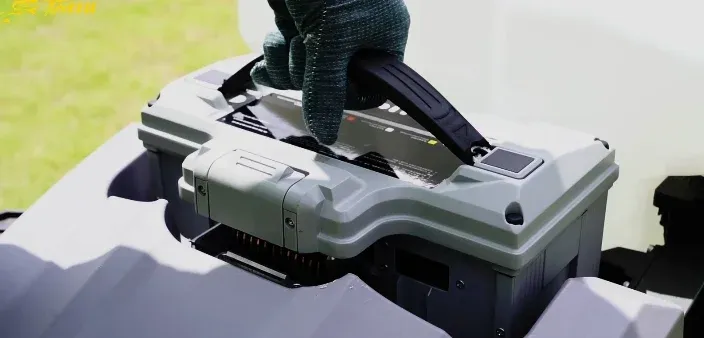
3. C-Rating: The Margin Between "Flies" and "Fails"
C-Rating is the multiplier that determines how much current your battery
can safely deliver. Multiply the C-Rating by the battery's capacity (in
amp-hours), and you get the maximum continuous discharge current the pack can
support without voltage collapse. In real field spraying drone operations, this
number matters most during two critical moments:
•Fully loaded takeoff: When your drone spray machine is at maximum takeoff
weight—airframe, full tank, and battery combined—the motors demand peak current
to break inertia and climb out. If your battery cannot deliver that current, the
voltage sags, the flight controller registers a low-voltage condition, and the
drone either fails to lift off or triggers an emergency landing before it clears
the crops.
•Aggressive maneuvers at row ends: Sharp turns while the pump is still
pressurizing create simultaneous high-current demands from both propulsion and
payload systems. A battery with insufficient discharge headroom will brown out
your ESCs mid-turn.
4. Connector Type: The Failure Point You Can See Coming
In field spraying drone operations, your connectors are subjected to dust,
pesticide residue, humidity, and hundreds of mate/de-mate cycles per week. The
connector is the most common failure point we see in commercial fleets.
•AS150U-F: Anti-spark, gold-plated, field-proven on 12S and 14S platforms
up to 30L. Look for the "U" variant, which has improved contact retention.
•ACES: The newer standard for heavy lift drone platforms (50L+). Handles
higher continuous current with lower contact resistance. The ACES connector also
reduces the arcing that causes contact oxidation.
•Daily field check: Spend 30 seconds each morning inspecting your
connectors. If you see blackening or pitting on the gold contacts, clean them
with 95% isopropyl alcohol. If the spring tension feels loose, replace the
connector before it fails mid-flight.
5. Smart BMS: Your Insurance Policy
Modern crop dusting drones run on smart batteries with built-in Battery
Management Systems (BMS). This is not a luxury—it is a requirement for
commercial operations. A proper smart BMS provides:
•Cell balancing: Ensures all cells in the pack discharge evenly.
Unbalanced cells create weak links that kill the entire pack prematurely.
•Temperature monitoring: Prevents charging when the pack is above 40°C,
which is the fastest way to destroy LiPo cycle life.
•Accurate State-of-Charge (SOC): A reliable fuel gauge. When you are
managing $300–$600 worth of chemicals per flight, you cannot afford a "surprise"
10% battery reading at the far end of a 200-acre field.
Matching Battery to Your Operation Size
Small-Scale Operations (10L–16L)
For entry-level pesticide drone sprayer operators covering 200–500 acres
per season, you need a battery that balances cost and reliability. At this
scale, a 12S high-voltage pack in the 16,000mAh–22,000mAh range is the
standard.
This configuration provides 8–11 minutes of spray time per sortie, which is
sufficient to empty a 10L–16L tank. For a solo operator with one drone, a
rotation of 4–5 packs and two chargers is enough to maintain a steady
workflow.
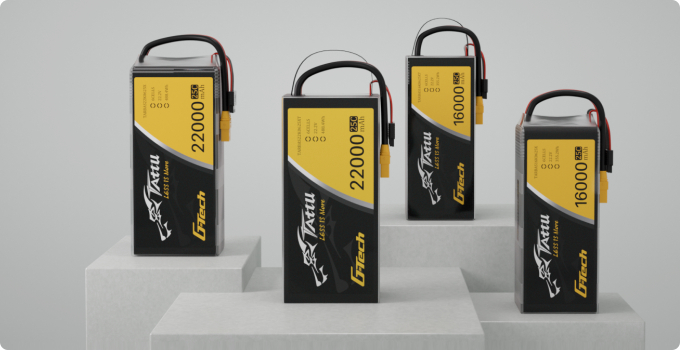
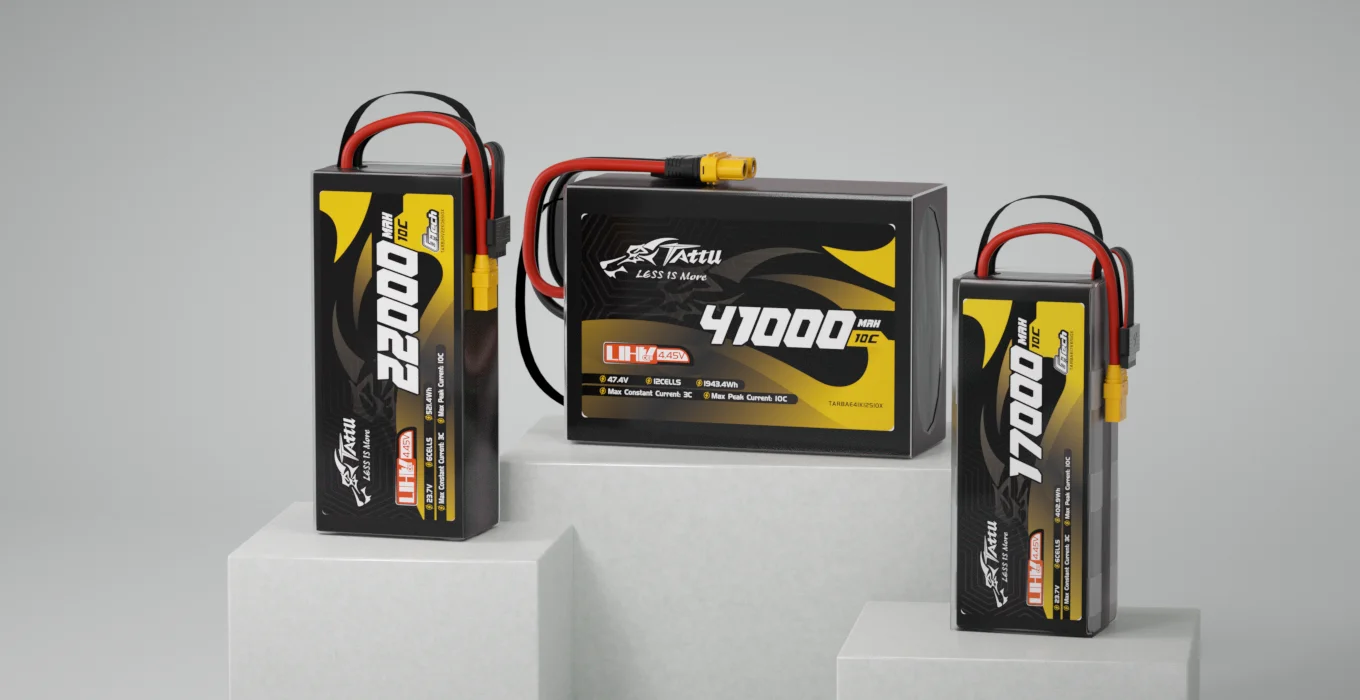
Tattu agriculture drone battery solution:
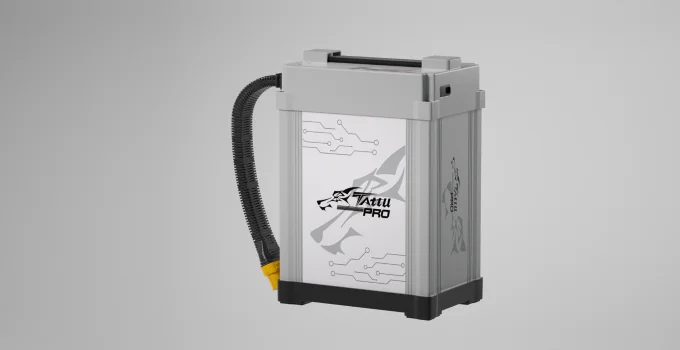
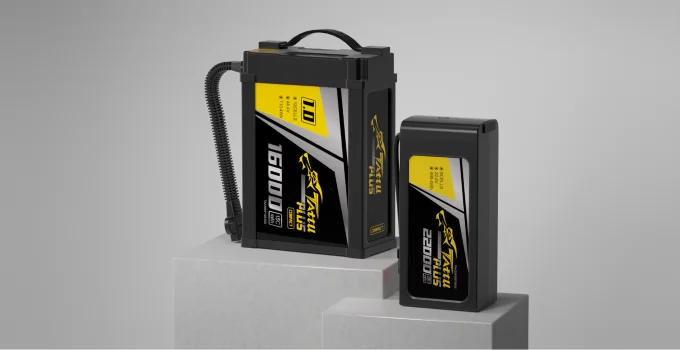
Tattu Pro 12S 16000mAh Battery for 10L Agriculture Spraying Drone
•Typical compatible platforms include EFT E410P, E610P, E610M, G410, G610
and JIS EV610, etc.
Tattu Pro 12S 22000mAh Battery for 16L Agriculture Spraying Drone
•Typical compatible platforms include EFT E416P, E616P and G616, etc.
Mid-Size Commercial Fleets (20L–30L)
This is where most professional uav crop spraying services operate. A 20L
platform hits the sweet spot between acreage-per-hour and transportability. When
customers ask about 20 litre agriculture spraying drone price, they often focus
on the airframe but underestimate that batteries can represent 30–40% of the
total initial equipment cost.
The 14S voltage platform reduces current draw by approximately 15% compared
to 12S at the same power output. That means less heat in your ESCs and longer
connector life. In practical terms, a 22,000mAh 14S pack on a 20L crop spraying
drone delivers 11–14 minutes of spray time—enough to empty the tank with a safe
reserve for the return flight.
Tattu agriculture drone battery solution:
Tattu Pro 14S 22000mAh Battery for 20L Agriculture Spraying Drone
•Typical compatible models include EFT E420P, E620P, G18, G420 and G620,
plus JIS EV622 and NV20, etc.
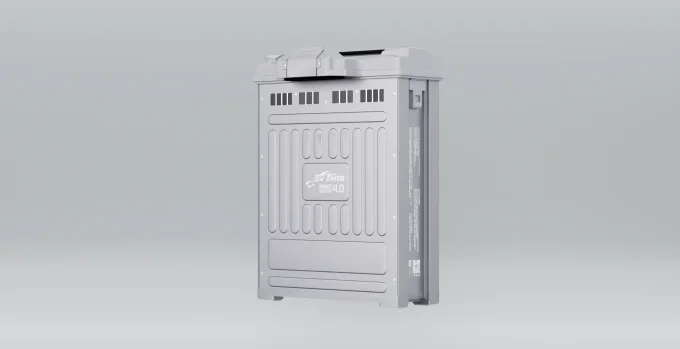
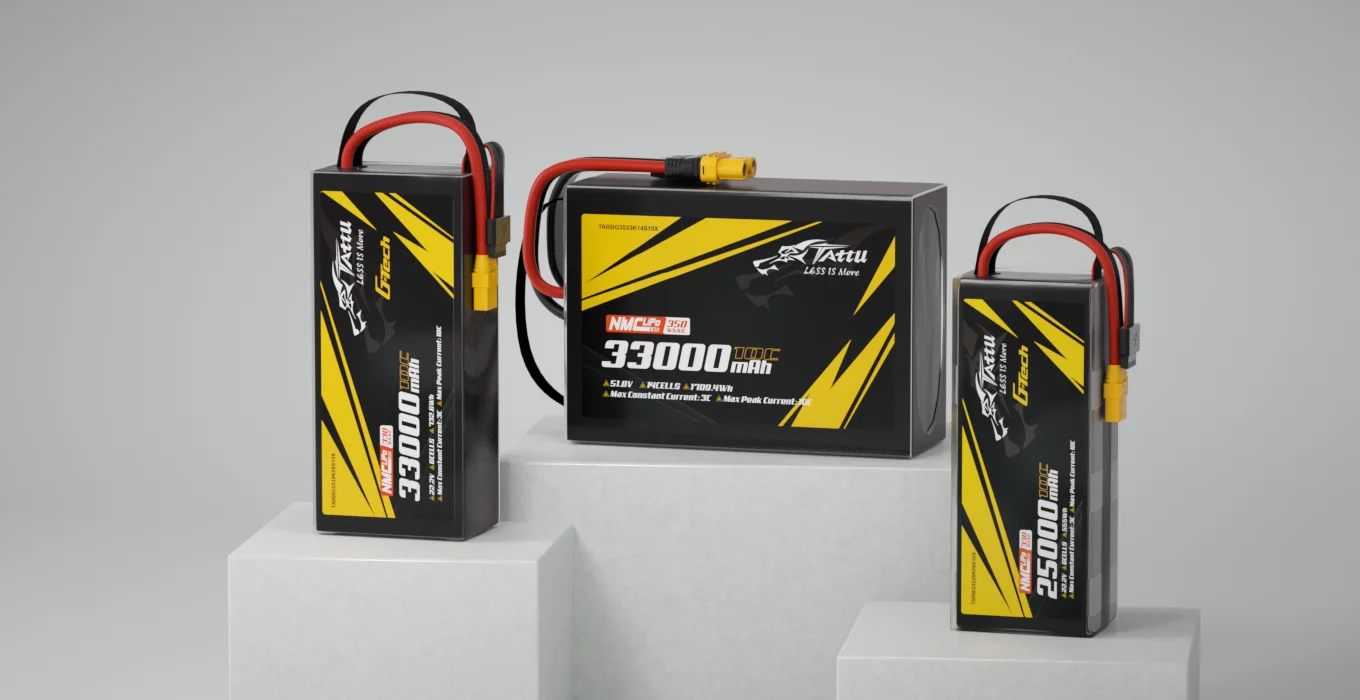
Tattu 4.0 14S 20000mAh Battery for 20L Agriculture Spraying Drone
•Typical compatible models include EFT Z20P, K20 and JIS LV20, etc.
Tattu 4.0 14S 30000mAh Battery for 30L Agriculture Spraying Drone
•Typical compatible models include EFT Z30S, Z30P, K30, G30 and JIS
LV30, etc.
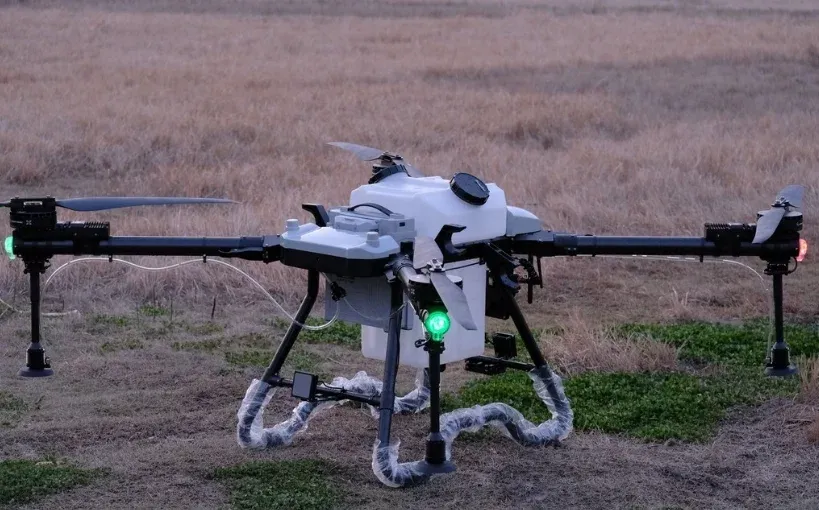
Heavy-Lift Industrial Operations (50L–100L)
At 50L and above, you are no longer flying a drone—you are flying an
industrial heavy lift drone that happens to spray. The physics change
completely. A 50L tank weighs 50 kg. Add a 20+ kg airframe, and you are lifting
70+ kg on every takeoff.
18S voltage is mandatory at this scale. The higher voltage keeps current
manageable—typically under 150A even during peak load—preventing the meltdowns
that occur when lower-voltage systems try to push 250A+ through 10AWG wire. The
ACES connector is also mandatory here; standard connectors will arc and oxidize
within weeks under 80L+ current loads.
Flight time reality: A 100L agriculture drone with a 45,000mAh 18S pack
will give you 15–18 minutes of spray time. That sounds short, but at 100L per
sortie, you are covering 3–4 acres per minute. A well-organized ground crew can
achieve 60–80 acres per hour.
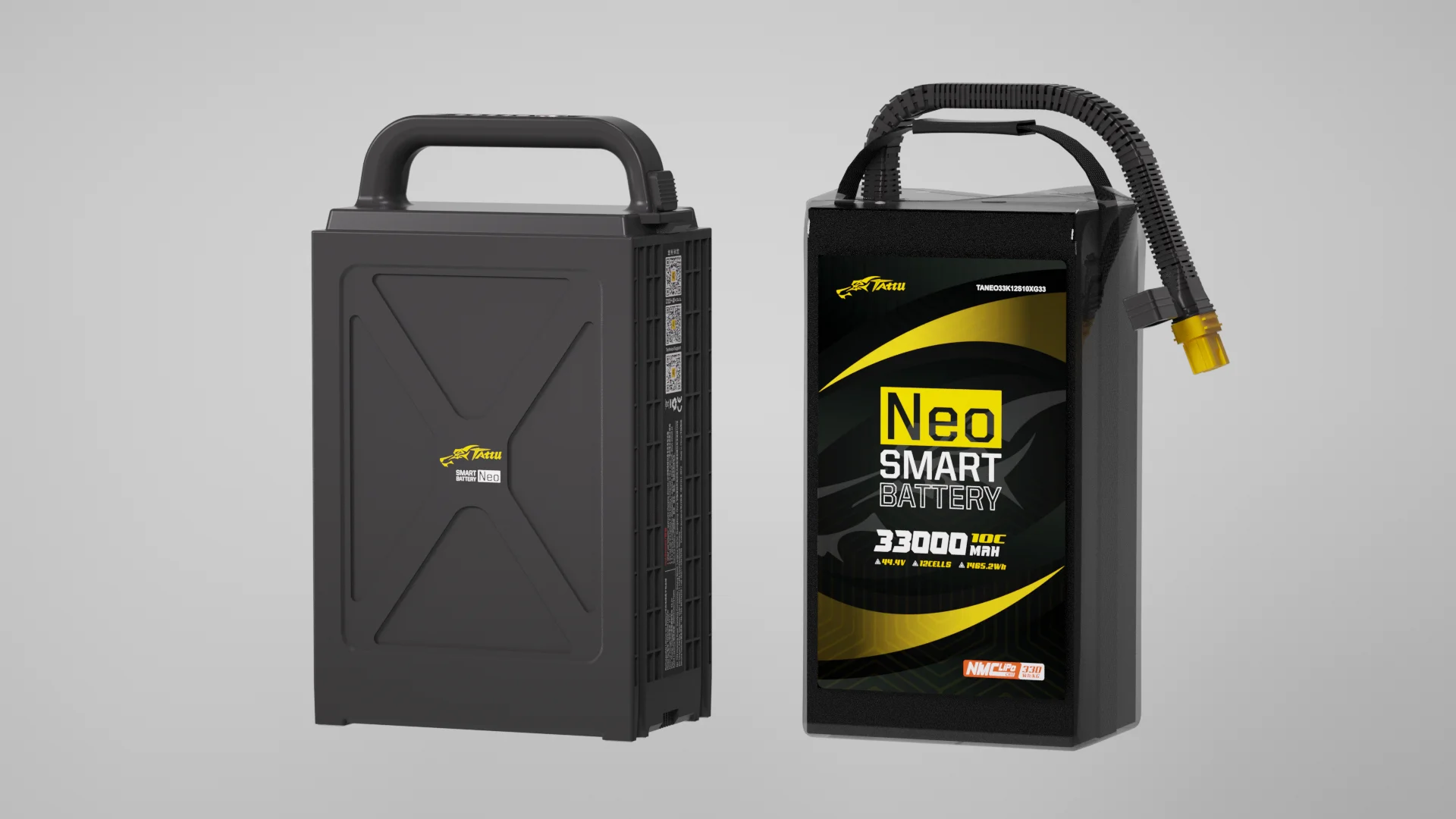
Tattu agriculture drone battery solution:
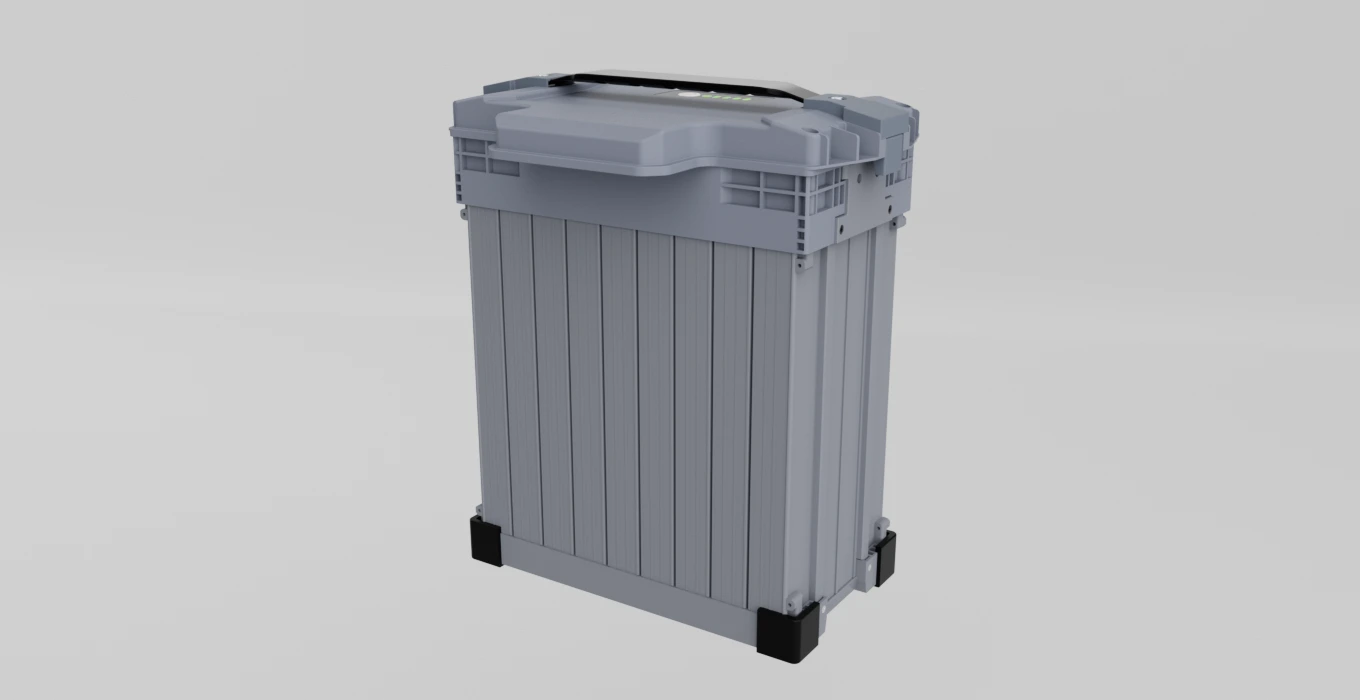
Tattu 4.0 18S 30000mAh Battery for 50L Agriculture Spraying Drone
•Typical compatible models include EFT Z50P and JIS HV50, etc.
Tattu 4.0 14S 35000mAh Battery for 80L Agriculture Spraying Drone
•Typical compatible platforms include EFT Z80 and X2300, etc.
Tattu 5.0 14S 34000mAh Battery for 80L Agriculture Spraying Drone
Tattu 5.0 18S 45000mAh Battery for 100L Agriculture Spraying Drone
The Hidden Costs: What Operators Learn the Hard Way
Battery Weight Steals Payload
Every 1,000mAh of capacity adds weight. On a 20L drone spray machine,
switching from a 20,000mAh pack to a 25,000mAh pack might give you 3 more
minutes of flight time, but it could force you to reduce your liquid load by
0.5L per sortie. Over 50 sorties a day, that is 25L of missed pesticide
application. Do the math on your chemical cost and acreage rates before chasing
bigger batteries.
Cycle Life vs. Price
A cheap battery that delivers 300 cycles before puffing costs more per
flight than a premium battery that delivers 800 cycles. In commercial field
spraying drone operations, calculate your cost per sortie, not your cost per
battery.
Example math:
•Budget battery: $400, 300 cycles = $1.33 per sortie
•Premium battery: $650, 800 cycles = $0.81 per sortie
Over a 1,000-sortie season, the "expensive" battery saves you $520 per
pack.
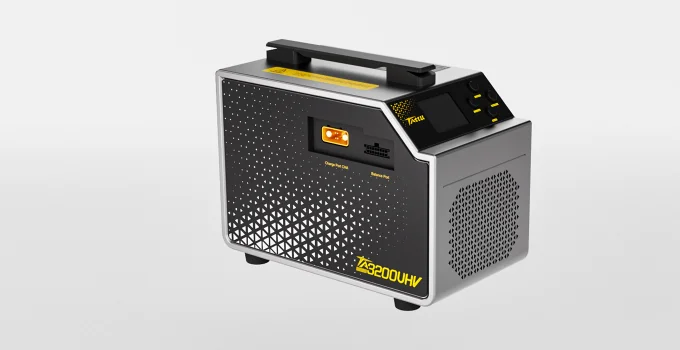
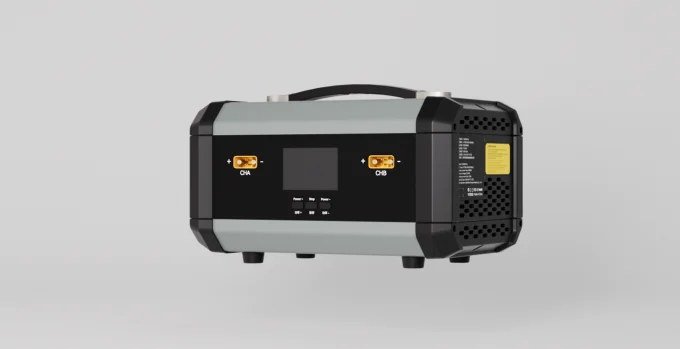
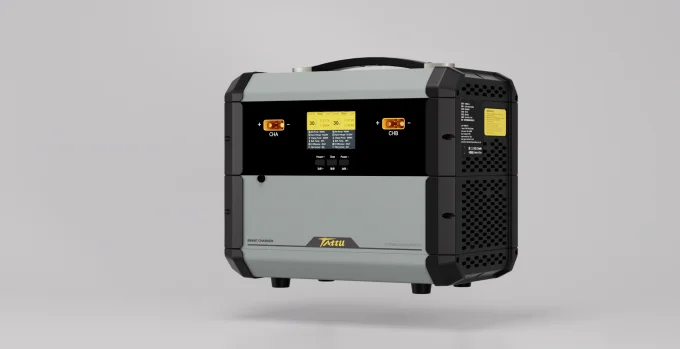
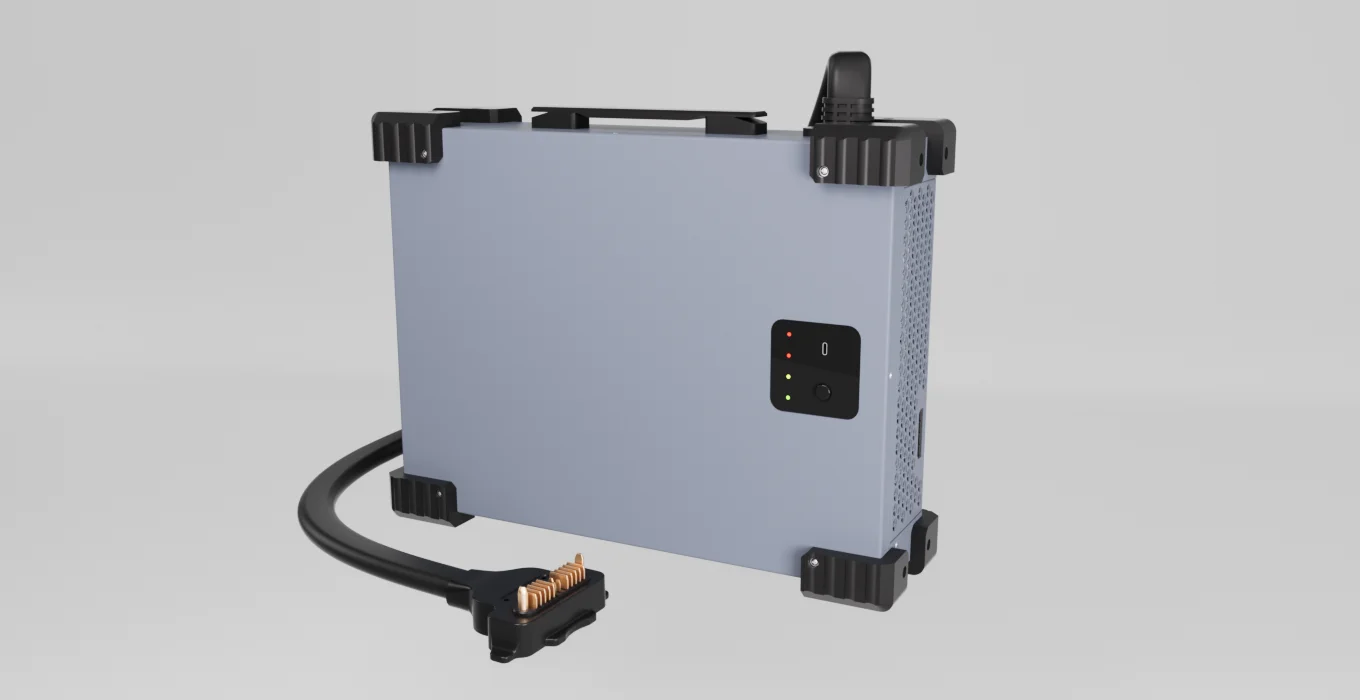
Charging Infrastructure Is Part of the Price
When you calculate your farming drone price and operating budget, include
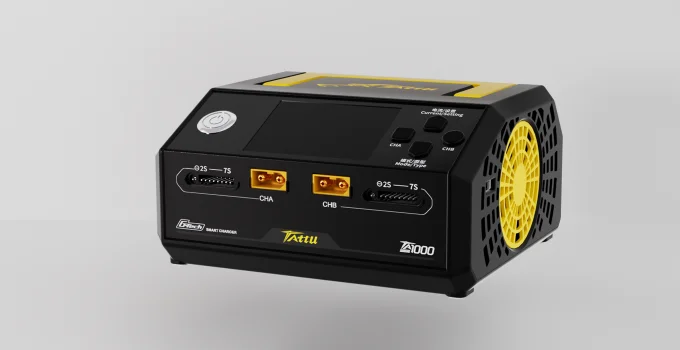
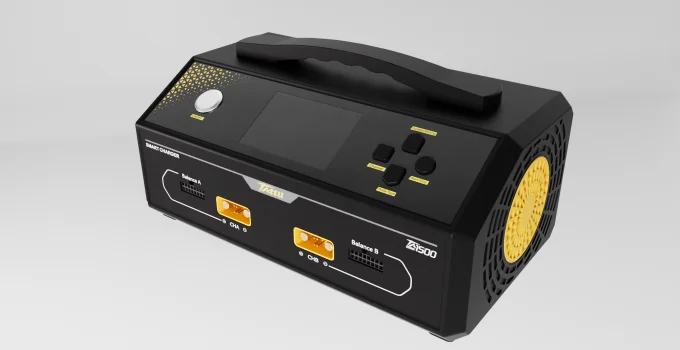
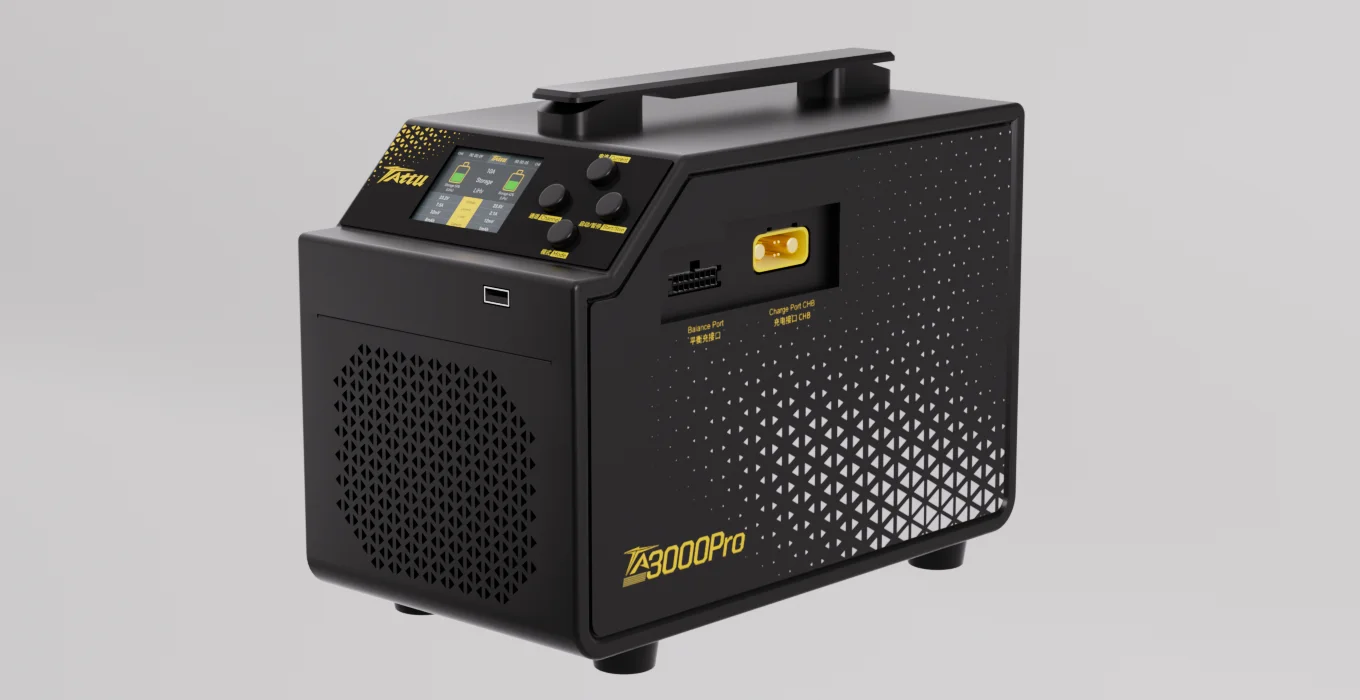
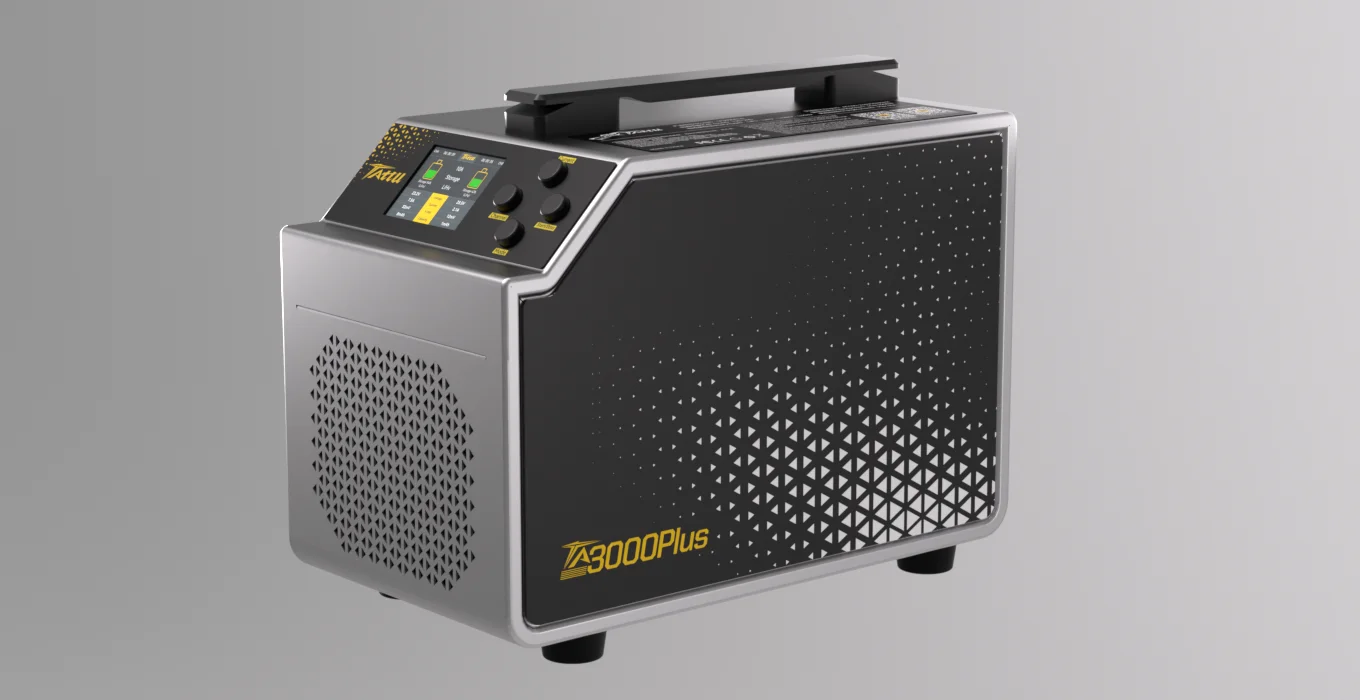
charging. A 30,000mAh 14S pack requires a serious charger. Budget chargers that
take 60 minutes per pack will bottleneck your operation. Professional-grade
chargers that can push 60A+ and finish a pack in 15–30 minutes are essential for
fleets running 6+ sorties per hour.
Field Maintenance Rules That Double Battery Life
•Never charge hot. If your pack is above 40°C after a flight, let it cool
in the shade for 15 minutes. Charging a hot LiPo is the fastest way to destroy
it.
•Land at 20% SOC. Set your flight controller's return-to-home at 20–25%
remaining. Deep discharge below 15% permanently damages cell chemistry.
•Storage charge between seasons. At the end of the spraying season, charge
or discharge packs to 3.85V per cell (roughly 50% SOC). Never store fully
charged or fully depleted packs for more than two weeks.
•Rotate your packs evenly. Label your batteries 1 through 6 and rotate
them in strict sequence. Packs that sit unused for weeks develop balance
issues.
Conclusion
Choosing a battery for your crop spraying drone is not about finding the
biggest number. It is about matching voltage to your powertrain, matching
capacity to your tank size, and matching C-rating to your peak current demand.
Whether you are running a single 10L pesticide drone sprayer or managing a fleet
of 100L heavy lift drone platforms, the right battery keeps your operation
profitable and your downtime minimal.As a world-leading UAV battery
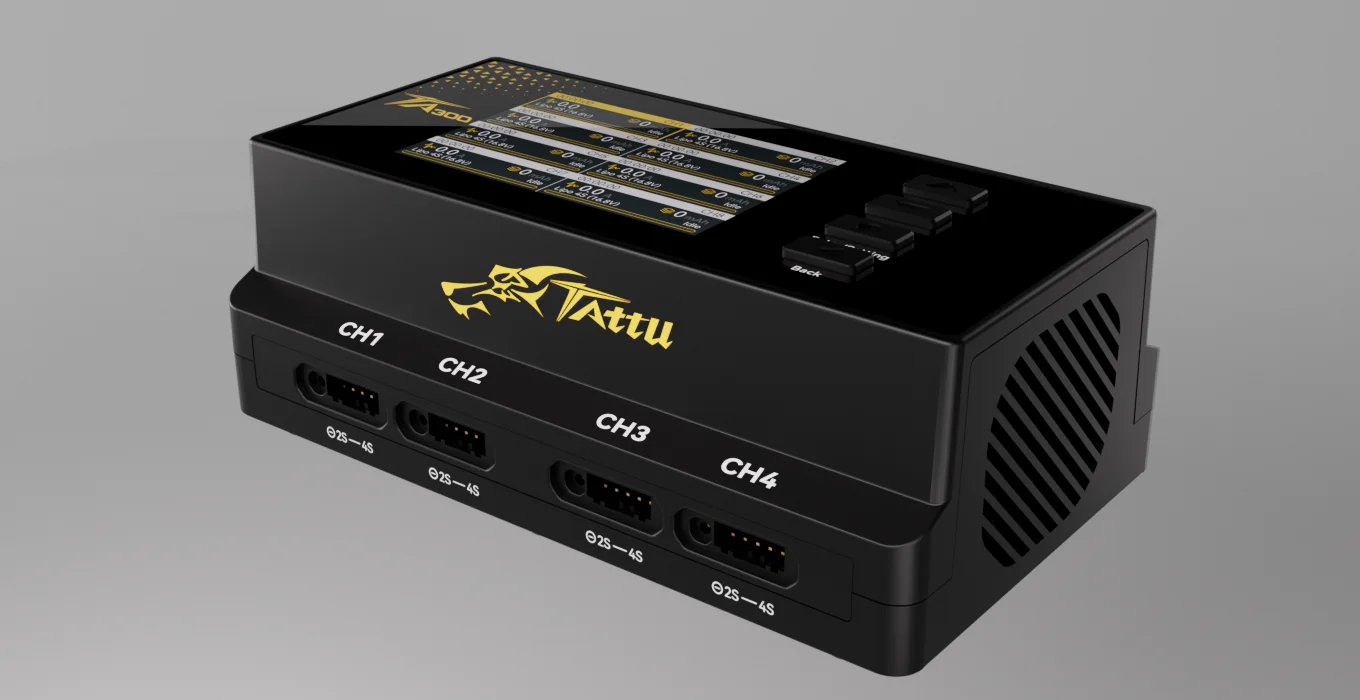
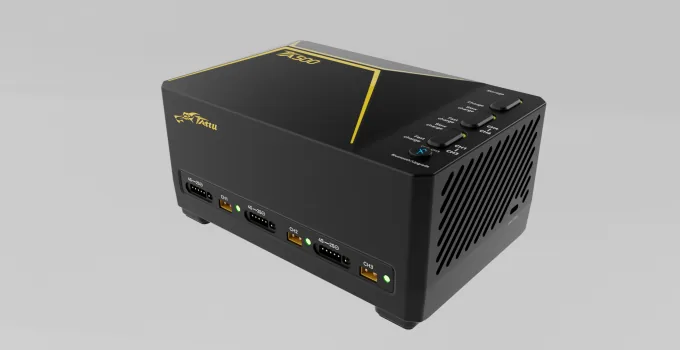
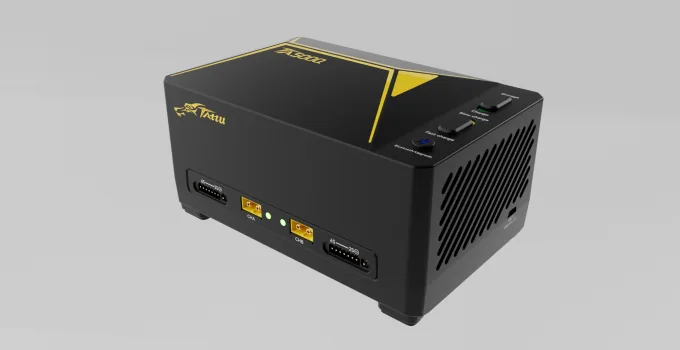
manufacturer, Tattu offers a comprehensive range of agriculture drone batteries engineered for all payload capacities, fully compatible with mainstream
agricultural drone brands and models. To deliver a complete power ecosystem, we
also provide matching high-efficiency charger solutions designed for field
operations. For technical inquiries, fleet recommendations, or custom power
solutions, feel free to contact us at [email protected].






 Blog
Blog
 Blog
Blog
 Blog
Blog


