Choosing the right power system is one of the most important decisions when
evaluating a commercial cleaning drone. A battery-powered cleaning drone relies
primarily on onboard batteries to power the aircraft, while a tethered cleaning
drone receives continuous electrical power from a ground-based power supply
through a cable. At first glance, the difference may seem simple: batteries provide
mobility, while tethered systems provide longer runtime.
In practice, the decision is more complex. The right cleaning drone power
system depends on the cleaning job, including building geometry, cleaning
duration, working height, route complexity, ground access, setup requirements,
and the amount of uninterrupted operating time needed. This article explains the advantages and disadvantages of both systems and helps determine which one is better suited to different
cleaning missions.
What are the advantages and disadvantages of Battery-Powered Cleaning
Drones?
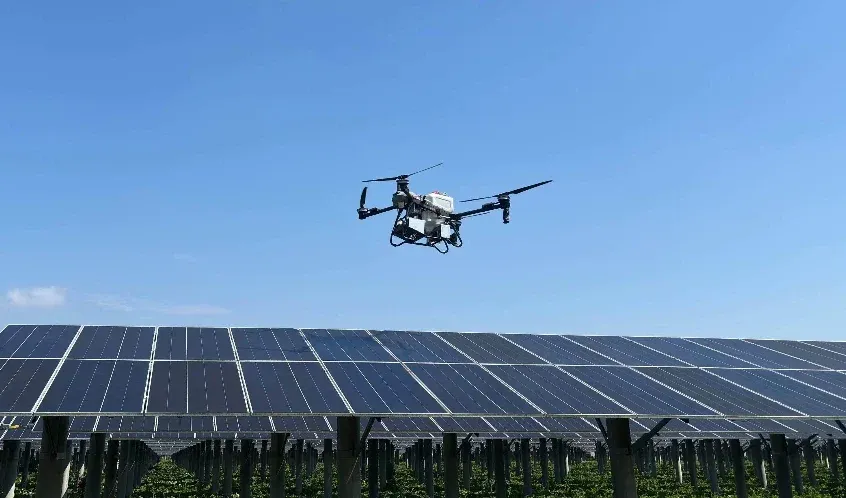
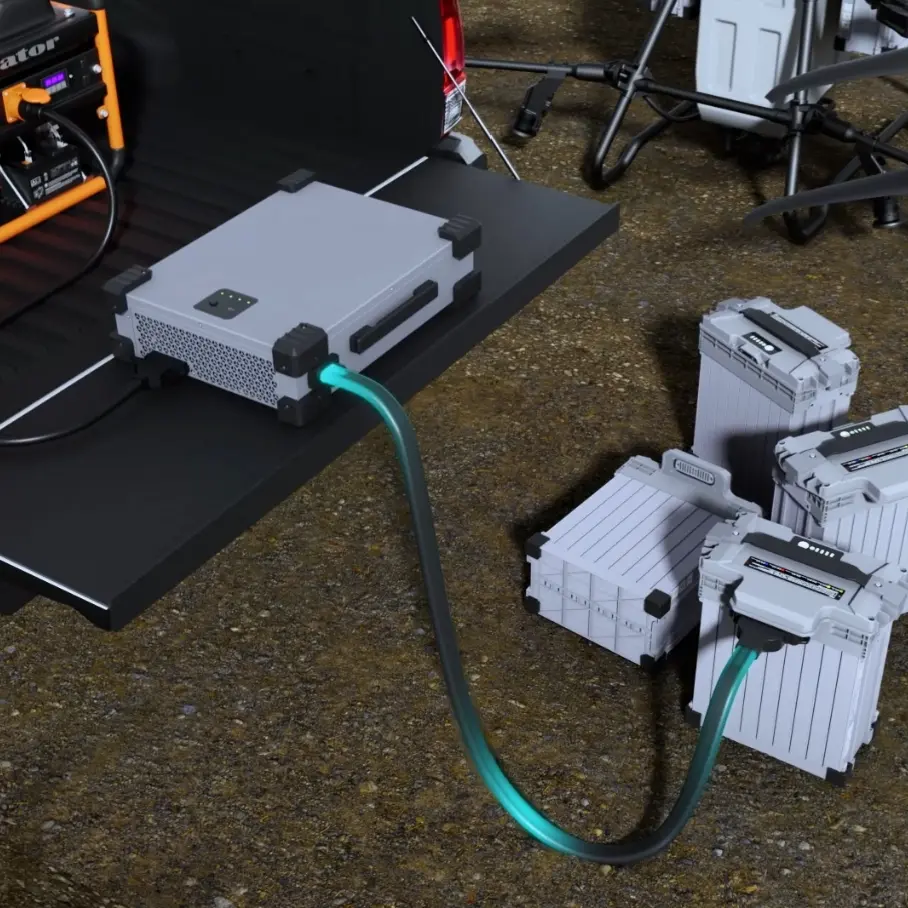
A battery-powered cleaning drone relies on onboard flight batteries as its
primary energy source. The drone may carry a spray system, water line, pump,
cleaning tool, or inspection payload, but all flight energy comes from its main
battery. This architecture is widely suited to mobile cleaning work because it
does not require a ground power station or tether cable.
Advantages of battery-powered cleaning drones
•High mobility and rapid deployment: No ground power equipment is
required, so the drone can be ready to fly in minutes. This makes
battery-powered systems ideal for temporary jobs or multi-site projects.
•Greater freedom of movement: Without a physical cable, the drone can
follow complex paths, adjust attitude freely, and access irregular or obstructed
surfaces.
•Simple logistics for short missions: Battery swaps with pre-charged packs
allow relatively quick turnaround between flights.
•Lower setup complexity: Suitable for sites where installing generators,
power vehicles, or long cables is impractical or restricted.
Disadvantages of battery-powered cleaning drones
•Limited continuous flight time: Typical endurance ranges from 15–40
minutes depending on payload, wind, and cleaning-module power consumption.
Frequent landings for battery changes interrupt workflow on long jobs.
•Payload and power constraints: High-power cleaning tools accelerate
battery drain and can reduce effective flight time further.
•Battery management overhead: Operators must monitor state of charge,
temperature, cycle life, and health status, and maintain a ready stock of
charged packs.
•Reduced suitability for ultra-long or high-intensity continuous work:
Missions that demand hours of uninterrupted operation become inefficient.
What are the advantages and disadvantages of Tethered Cleaning Drones?
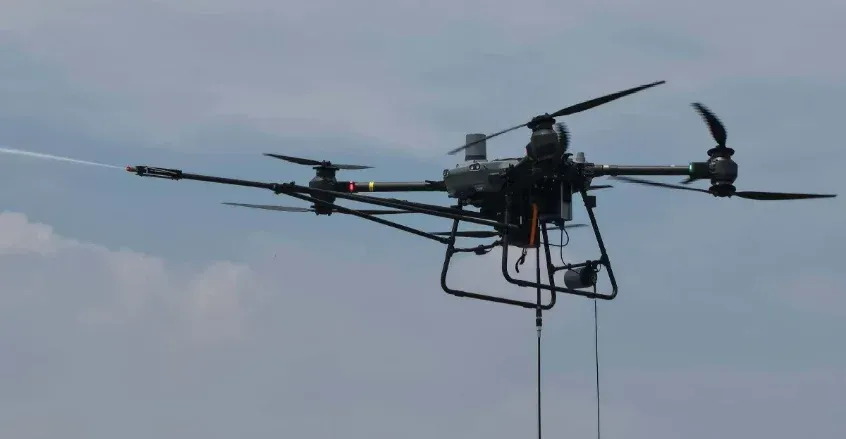
A tethered power cleaning drone draws high-voltage electricity from a
ground station (via grid or generator) through a specialized micro-tether, which
is then converted onboard to power the motors and pumps.The central purpose of
the tether is to supply sustained power from the ground, reducing the drone’s
dependence on finite onboard battery capacity. Tethered UAV designs use a
physical cable to maintain continuous power connectivity between the ground and
aircraft.
Advantages of tethered cleaning drones
•Continuous runtime: Power is supplied from the ground, enabling
near-uninterrupted flight as long as the ground source remains stable. This is a
major advantage for large-area or long-duration cleaning tasks.
•Stable high-power delivery: The system can support more demanding
cleaning modules without the rapid depletion and thermal stress that batteries
experience under heavy load.
•Predictable energy supply: Operators are not constrained by onboard
battery capacity, simplifying planning for extended sessions.
•Built-in safety redundancy when a backup battery is included: The backup
battery provides emergency power for controlled landing if the tether or ground
supply fails.
Disadvantages of tethered cleaning drones
•Ground infrastructure requirement: A reliable power source (generator,
power vehicle, or fixed connection) must be available and managed on site.
•Cable management challenges: Cable weight, length, wind resistance, and
entanglement risk restrict both maximum height and horizontal range. Route
planning becomes more constrained.
•Reduced mobility and path freedom: The physical tether limits abrupt
direction changes and complex flight paths.
•Longer setup and teardown times: Deployment is slower compared with a
pure battery system, making tethered drones less ideal for highly mobile or
short-notice work.
Battery-Powered vs Tethered Cleaning Drones: What’s the difference?
The fundamental difference between the two systems lies in where the energy
is stored and how it is delivered. Battery-powered drones carry their energy
onboard and are free to move without physical connection. Tethered drones draw
energy from the ground continuously and sacrifice some mobility for extended
endurance. The table below summarizes the key differences:
| Factor | Battery-Powered Cleaning Drone | Tethered Cleaning Drone |
| Primary power source | Onboard main battery | Ground-based tethered drone power supply |
| Flight Time | 15–30 minutes (requires battery swaps) | Unlimited (continuous runtime) |
| Mobility & path freedom | High | Restricted by cable |
| Deployment speed | Fast | Slower (requires ground setup) |
| Backup battery role | Main flight battery is the normal operating energy source | Provides emergency power for stabilization and controlled landing |
| Best use case | Complex sites, short jobs, multiple locations, flexible routes | Long-duration cleaning of large, fixed, accessible surfaces |
Battery-Powered vs Tethered Cleaning Drones: Which One to Choose?
Selection should be driven by the cleaning job rather than a preference
for one technology:
•Choose battery-powered when the job requires frequent relocation, complex
flight paths, rapid deployment, or when the site cannot support ground power
infrastructure. Typical use cases include multi-building clusters, temporary
projects, and intricate facades that demand high maneuverability.
•Choose tethered when the priority is long continuous operation, large
surface coverage, high-power cleaning modules, or ultra-high fixed-area work
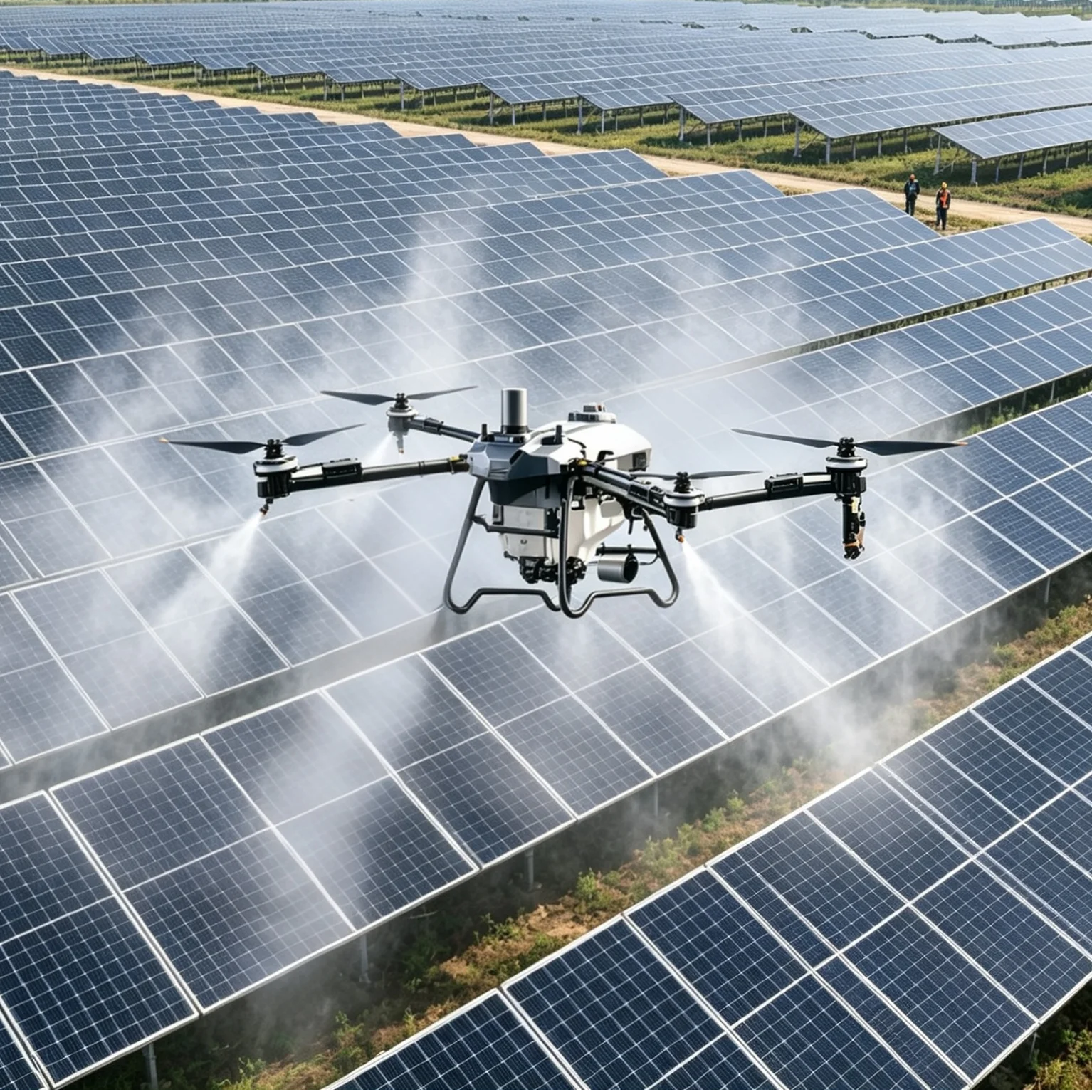
where endurance outweighs mobility. Typical use cases include large solar farms,
tall curtain-wall sections that can be cleaned in sustained passes, and sites
with reliable ground power access.
•Consider a hybrid approach when conditions allow: a tethered primary system
with a backup battery for safety, or a battery fleet with disciplined swap and
rotation procedures to approximate continuous coverage.
FAQ
1. Can a battery-powered cleaning drone use a ground-fed water hose?
Yes. A battery-powered cleaning drone can receive water from a ground-based
pump while using its onboard battery for flight. The water hose does not supply
electrical power. However, hose weight, tension, and wind resistance can affect
flight stability and battery consumption.
2. How do you calculate the battery capacity needed for a cleaning
drone?
Start with the drone's average power consumption under its actual cleaning
payload. Multiply this by the target flight time to estimate the required energy
in watt-hours (Wh). Then allow extra capacity for wind, landing, and other
safety margins. Battery voltage, discharge current, and weight must also match
the drone's propulsion system.
3. Do high-pressure washing drones consume more battery power than
soft-wash drones?
Not necessarily. If the cleaning pump operates on the ground, water
pressure does not directly increase the drone battery's electrical load.
However, spray reaction forces, hose tension, and flight corrections can
increase propulsion power consumption. Systems with onboard electric pumps also
draw additional battery power.
4. How many batteries are needed for continuous cleaning drone
operations?
The required number depends on flight time, charging time, cooling time,
and battery swap intervals. For example, if each battery supports 20 minutes of
flight and takes 60 minutes to recharge, at least four packs per drone are
needed for an ideal continuous rotation. Additional batteries may be necessary
to accommodate cooling and operational delays.
5. What battery specifications matter most for a commercial cleaning
drone?
Key specifications include nominal voltage, usable energy capacity (Wh),
continuous discharge current, battery weight, and cycle life. The battery must
deliver enough power for the motors while supporting the required flight
duration. Smart battery monitoring and compatible fast-charging equipment can
also improve reliability during frequent cleaning operations.
6. Can the same UAV battery be used for solar panel cleaning and building
facade cleaning?
Possibly, if both drones have compatible electrical and mechanical
requirements. However, solar panel cleaning drones and facade cleaning drones
may operate under different payload, wind, and flight conditions. Battery
selection should be based on each aircraft's voltage, power demand, weight
limits, and required operating time rather than the cleaning application
alone.
7. How much backup battery capacity does a tethered cleaning drone
need?
A tethered cleaning drone's backup battery should provide enough energy to
maintain control and complete a safe landing if ground power fails. The required
capacity depends on the drone's weight, operating height, descent time, and
power consumption. Backup battery performance should be validated under
realistic emergency conditions rather than selected by capacity alone.
8. Can a tethered cleaning drone operate using building electricity instead
of a generator?
Yes, provided the building's electrical supply meets the tethered ground
station's input requirements. The ground station must convert and regulate the
power for the aircraft. A suitable connection, electrical protection, and
reliable power availability are essential, especially at cleaning sites where
water is present.
9. How do wind and hose length affect cleaning drone battery life?
Strong winds force cleaning drones to make more flight corrections,
increasing motor power consumption. Longer water hoses can add weight, drag, and
tension, especially during high-altitude facade cleaning. These additional loads
may shorten flight time, so battery endurance should be tested with the intended
hose configuration and working height.
10. What safety precautions are needed when charging cleaning drone
batteries at wet work sites?
Charging equipment and battery connectors should be kept away from water
and cleaning chemicals. Batteries should be inspected for moisture, physical
damage, and abnormal temperatures before charging. Use chargers approved for the
battery system and follow the manufacturer's charging and cooling requirements.
Do not charge wet or damaged battery packs.
Conclusion
Neither battery-powered nor tethered cleaning drones is inherently better.
Each power system solves a different set of operational problems. Battery
systems excel in mobility, fast deployment, and path freedom. Tethered systems
excel in continuous runtime and stable high-power delivery. The professional
approach is to define the cleaning job first—height, duration, site
constraints, cleaning intensity, and safety margins—then select the power system
that aligns with those requirements. When the architecture matches the mission,
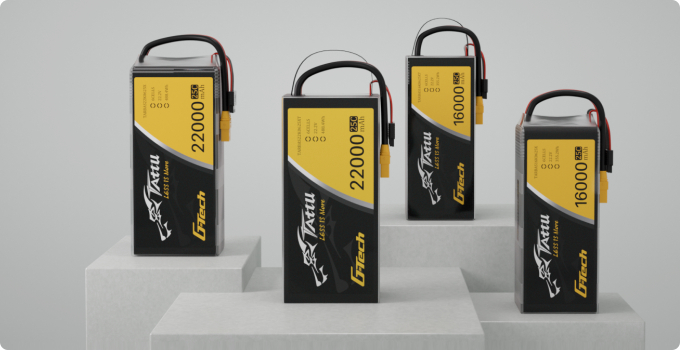
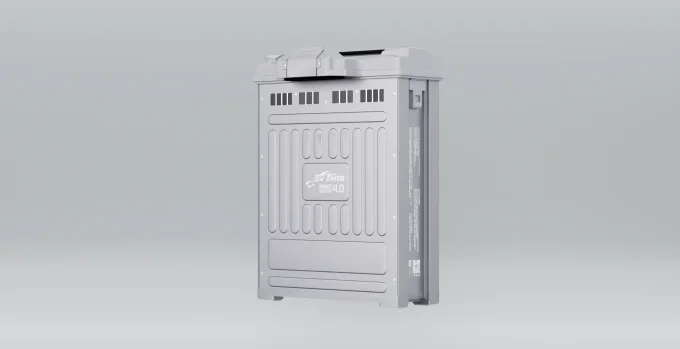
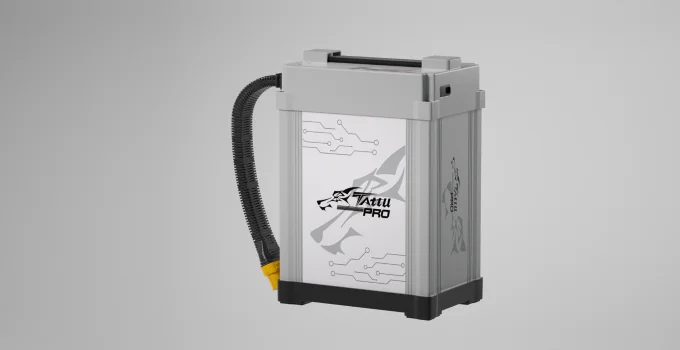
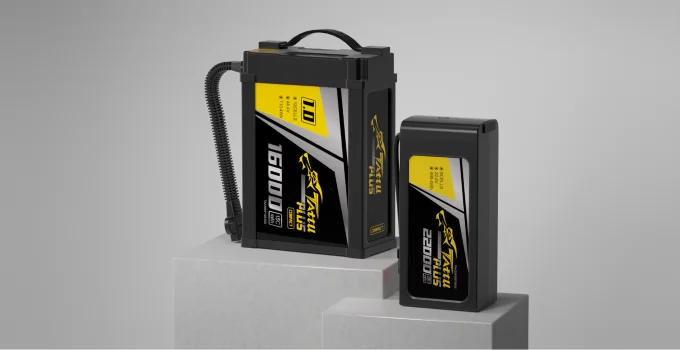
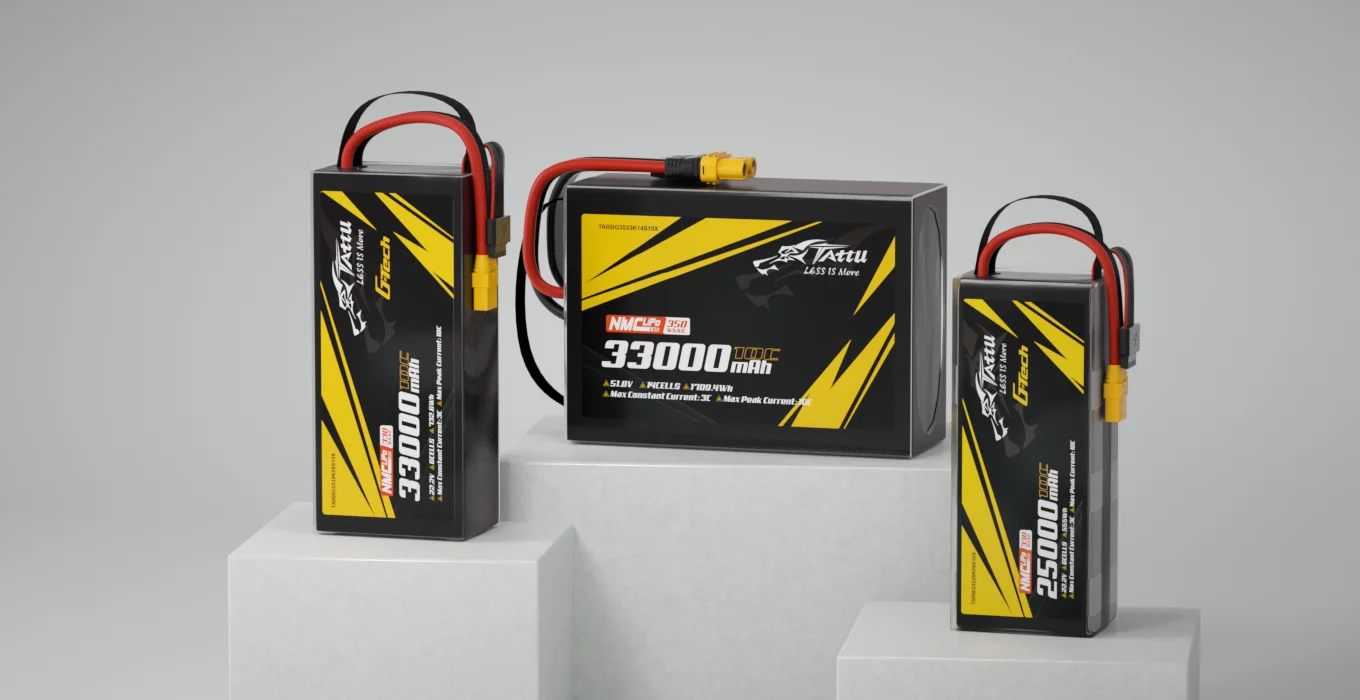
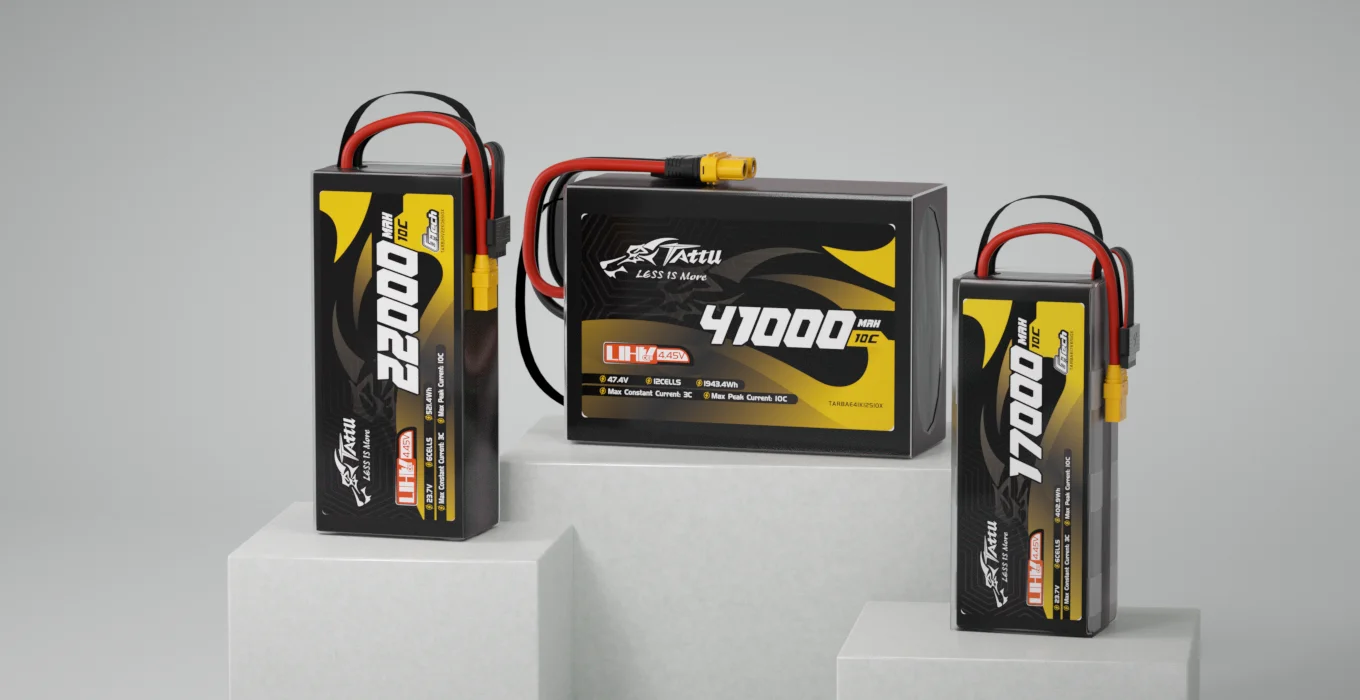
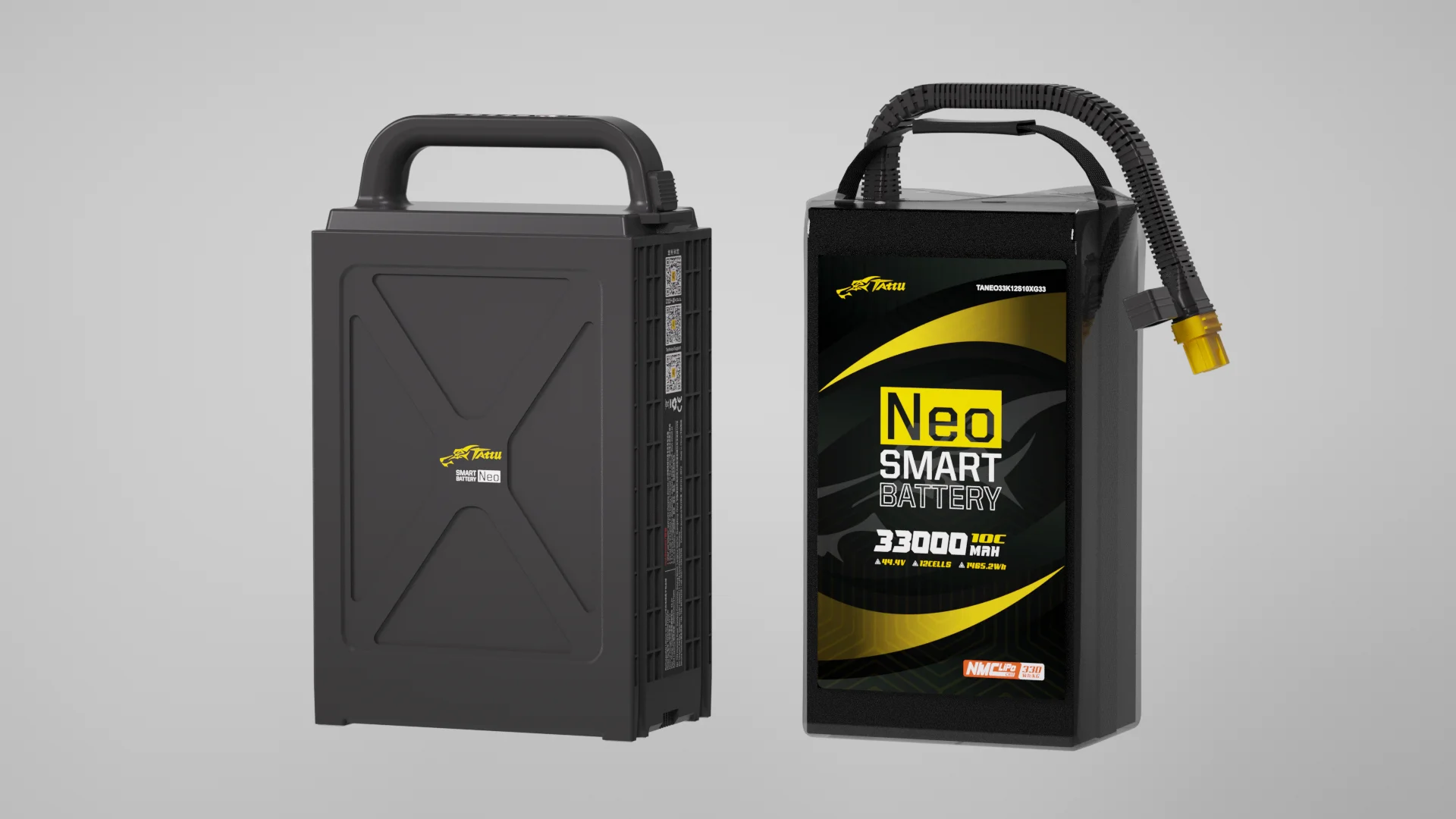
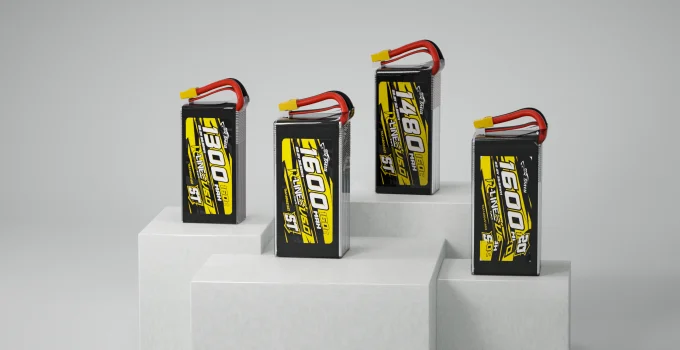
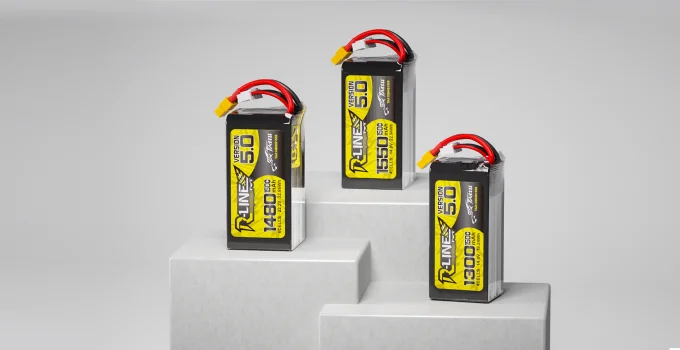
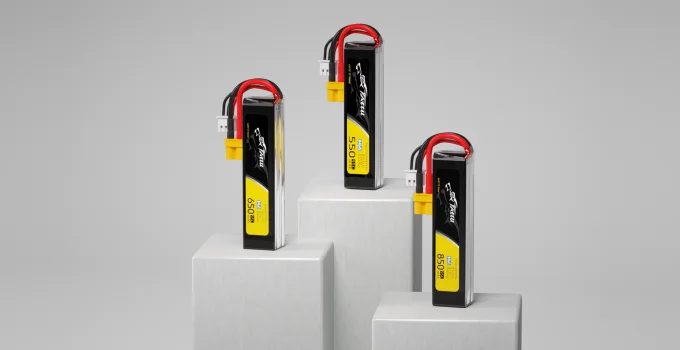
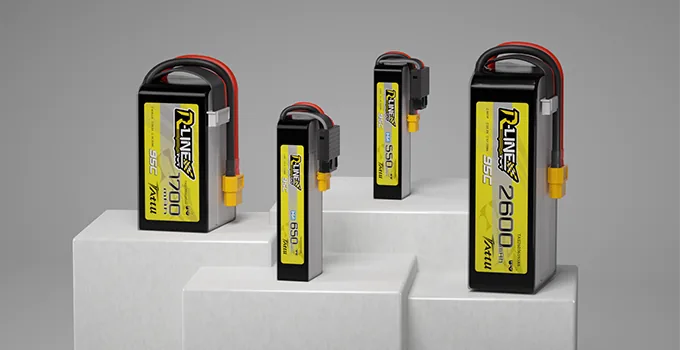
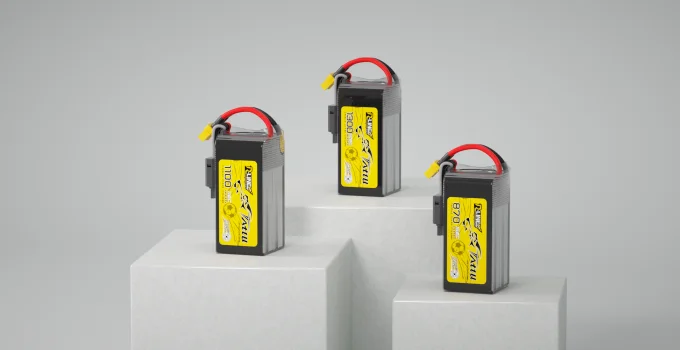
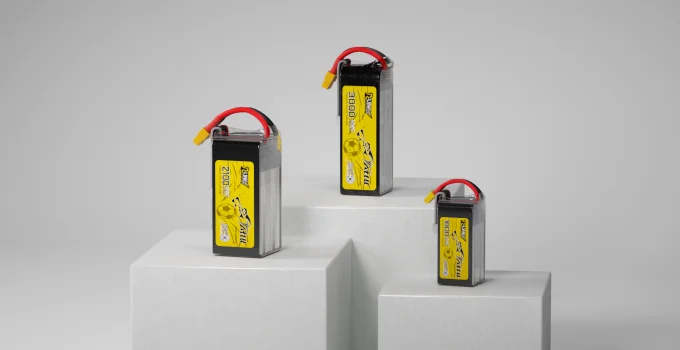
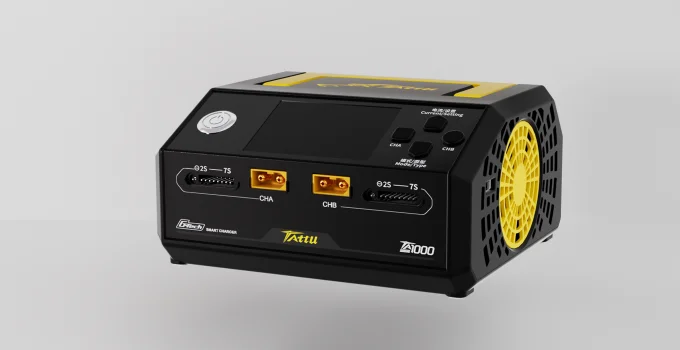
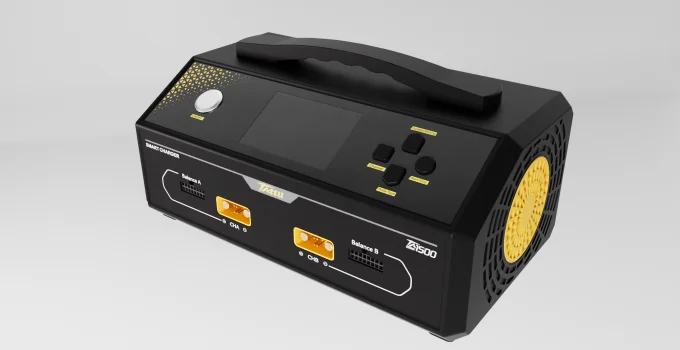
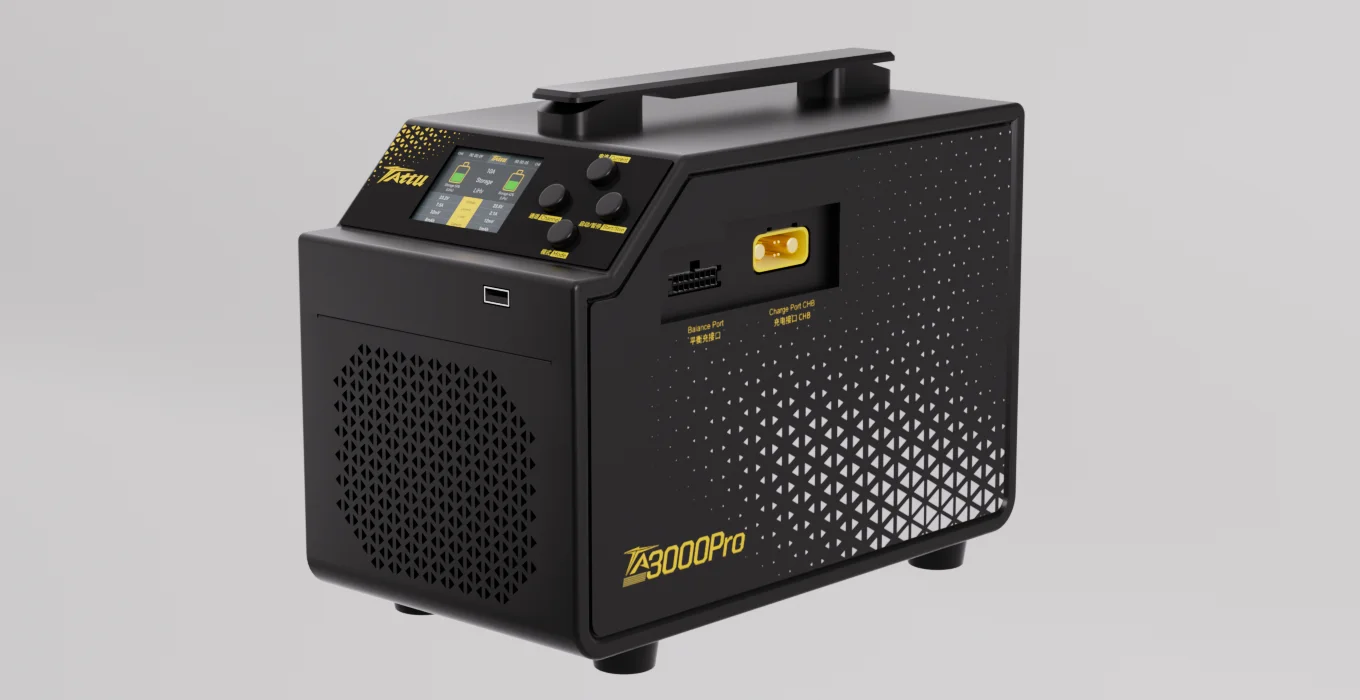
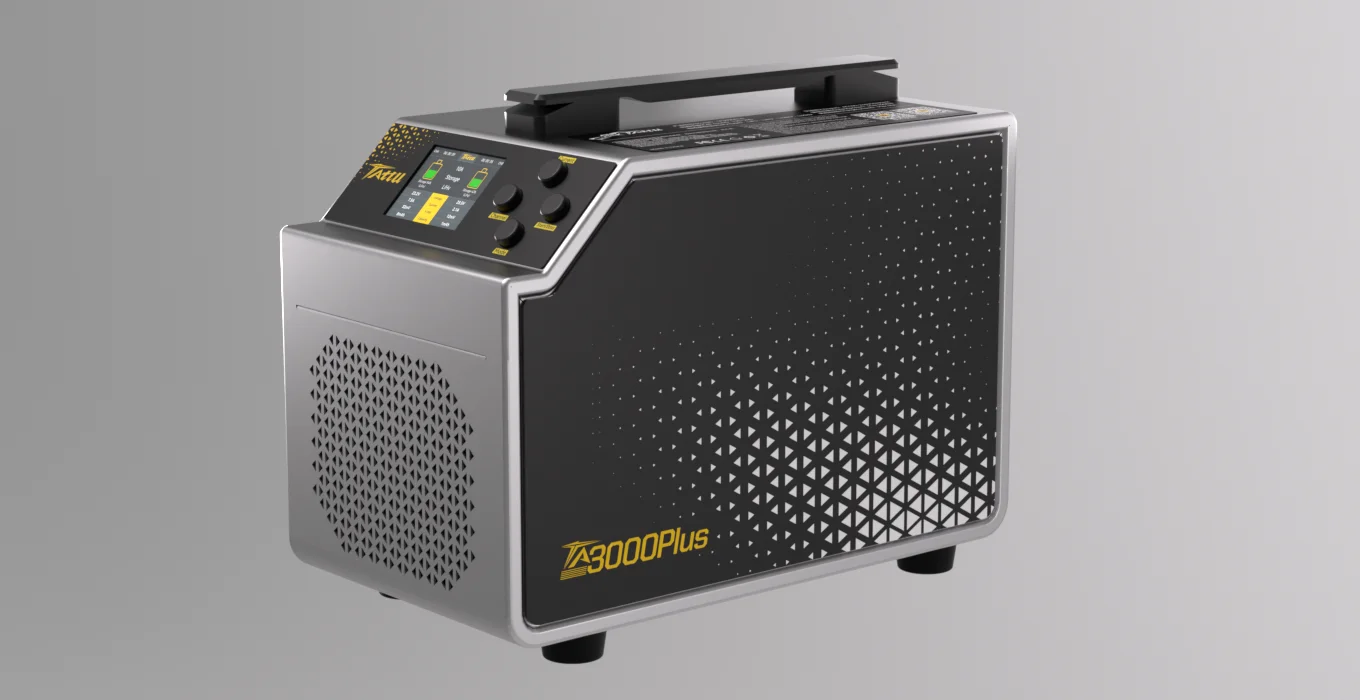
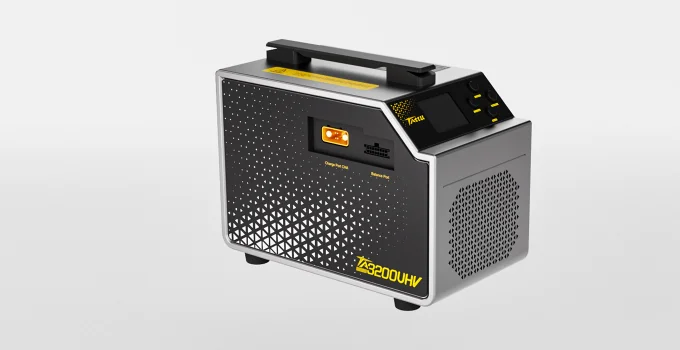
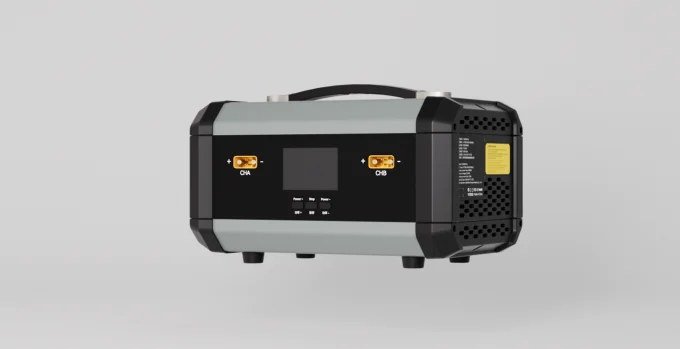
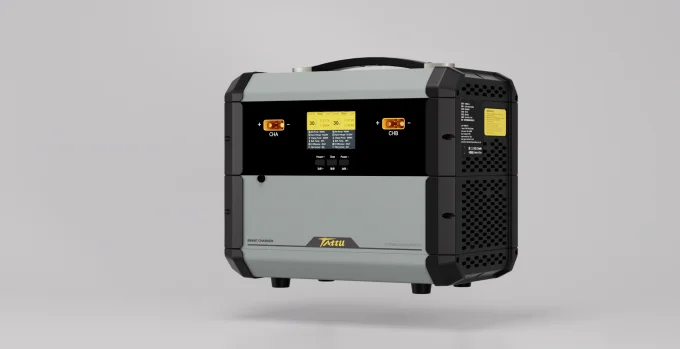
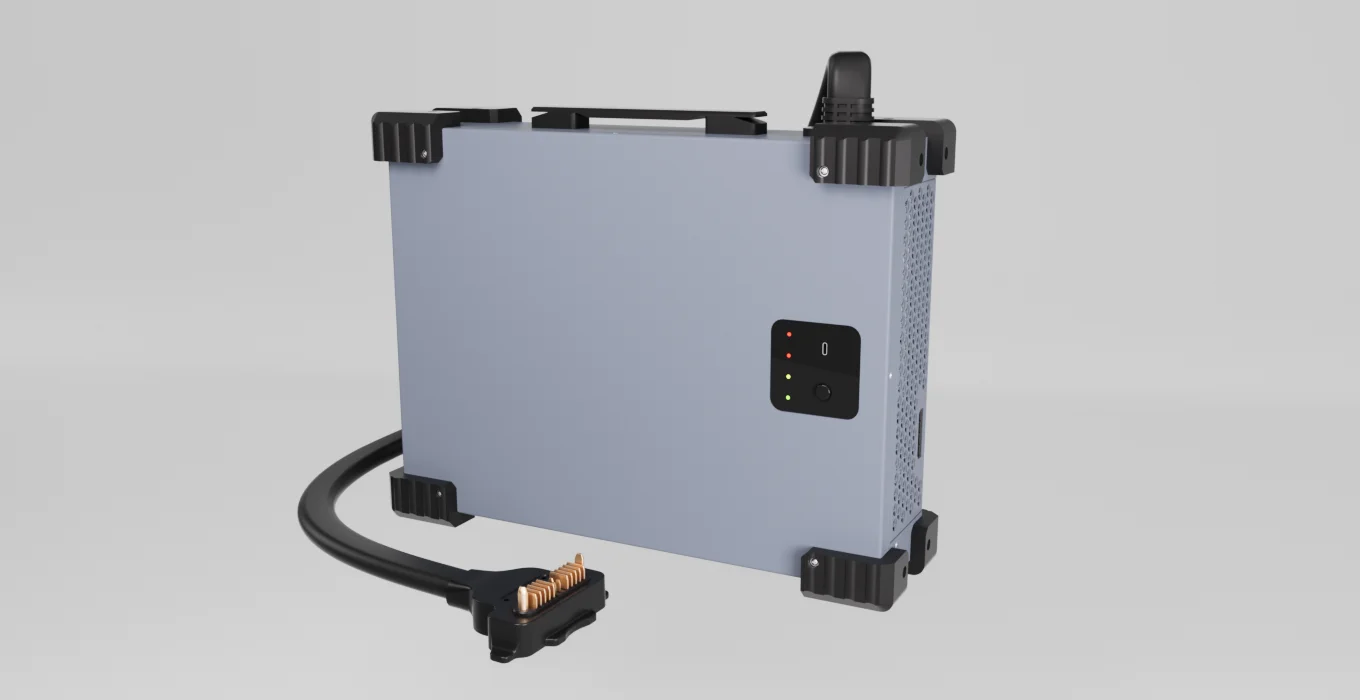
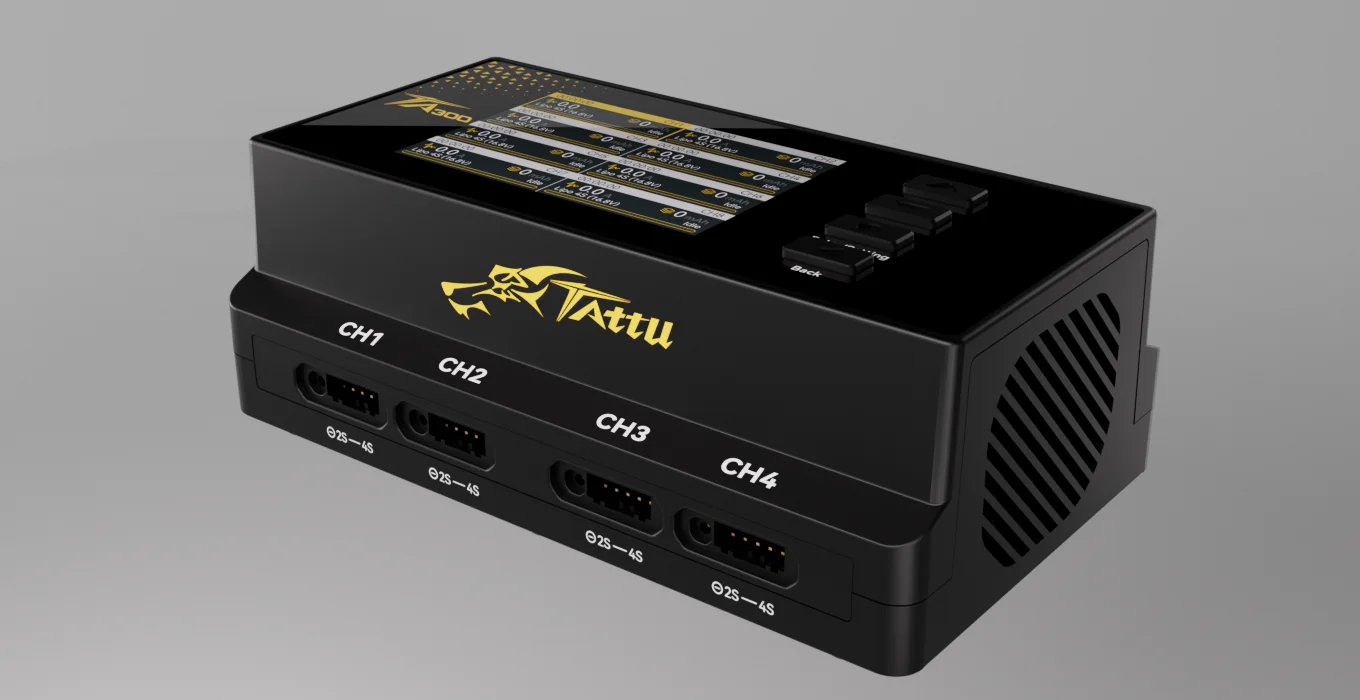
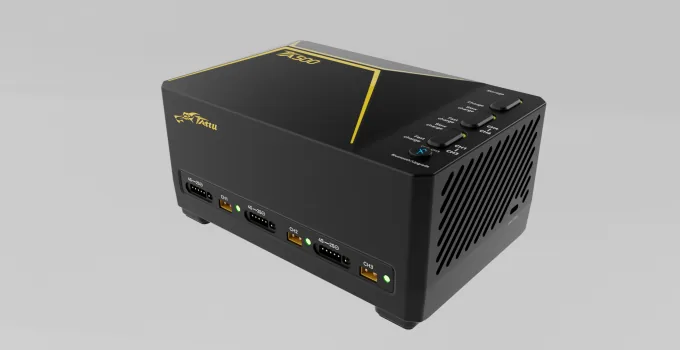
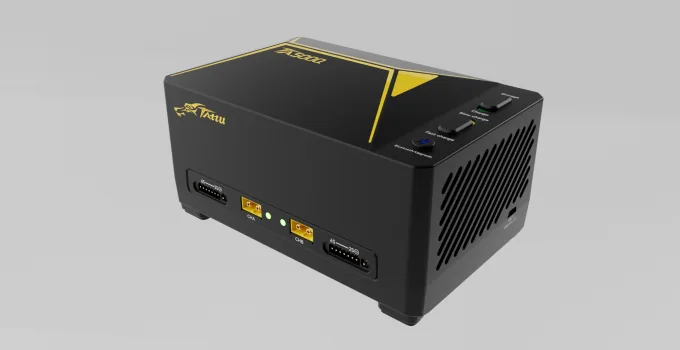
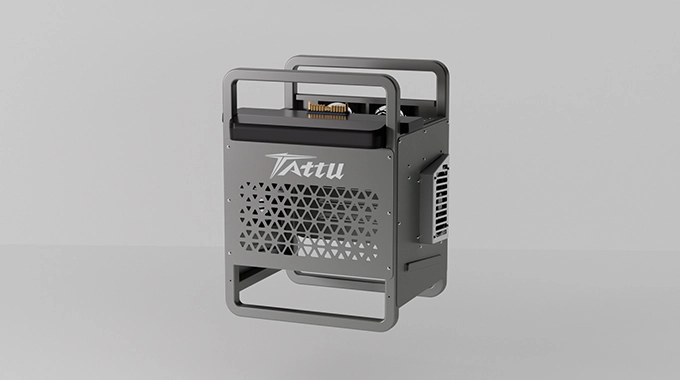
cleaning drones deliver optimal efficiency, safety, and cost-effectiveness. As a leading global UAV battery manufacturer, Tattu provides complete power solutions for cleaning drones, covering everything from battery packs and smart batteries to chargers. Whether you need batteries for battery-powered cleaning drones or backup batteries for tethered cleaning drones, Tattu offers reliable solutions tailored to different applications and mission requirements. For more information or assistance, please contact us at [email protected].






 Blog
Blog
 Blog
Blog
 Blog
Blog


