When choosing a motor for a drone, many beginners focus on one number: KV.
But KV alone does not tell you whether a motor is suitable for a racing drone,
an agricultural UAV, or a heavy-lift cargo platform. The more important question
is: What job is the propulsion system designed to do?
An FPV motor and an industrial UAV motor are both typically brushless
permanent-magnet motors, but they are optimized around very different operating
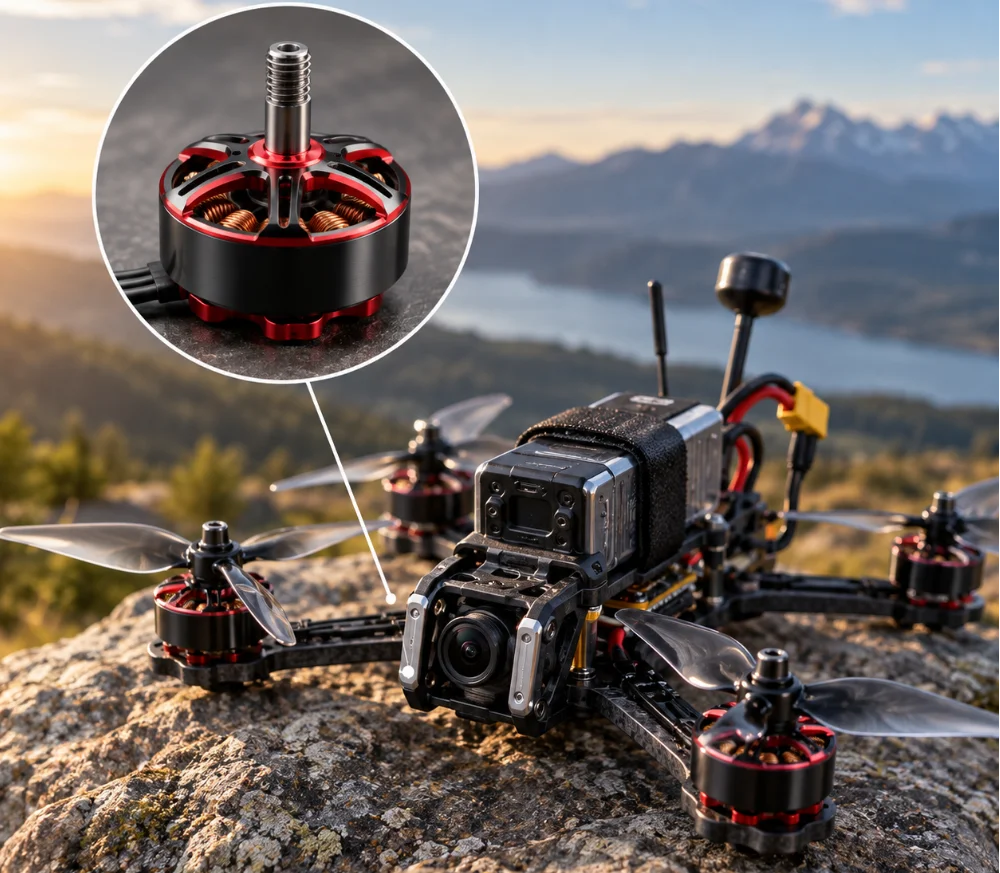
conditions. An FPV racing drone may use small motors such as a 2207 1855KV motor
with a 5-inch propeller, operating from a 6S battery and responding extremely
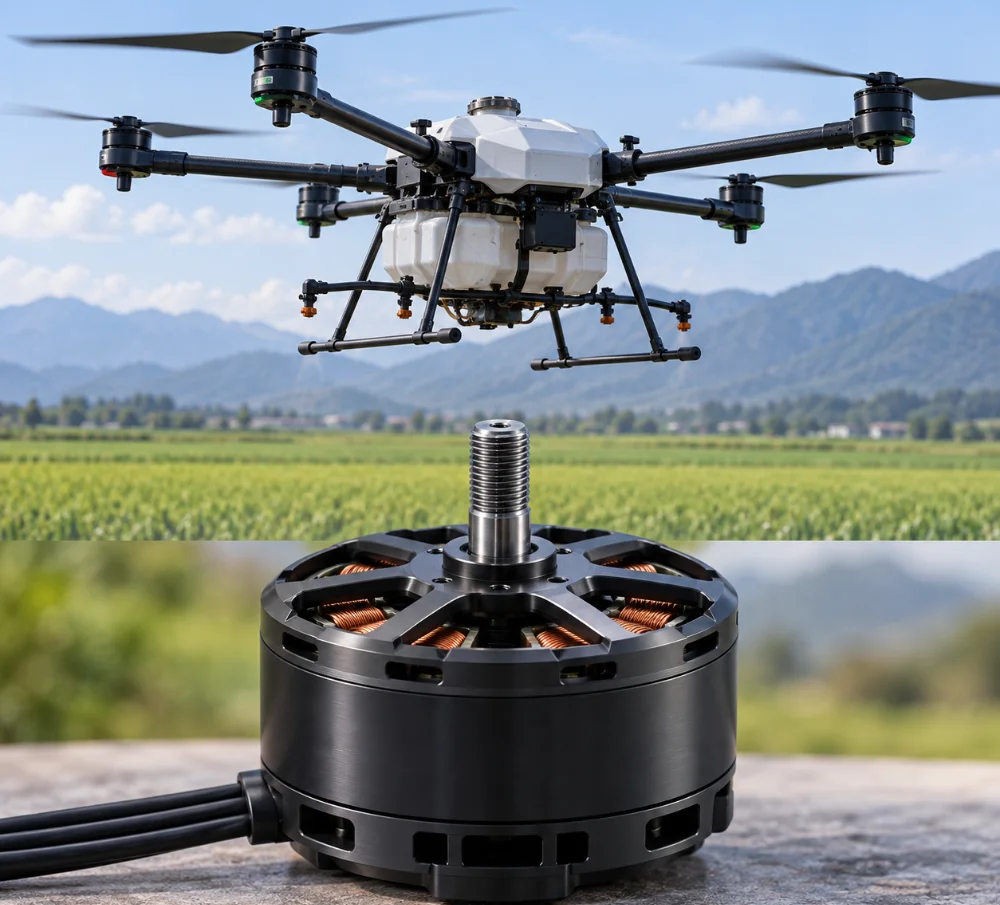
quickly to throttle changes. By contrast, a heavy agricultural UAV may use a
very large low-KV motor, a 1.4- to 1.6-meter propeller, and an 18S or 24S
battery to generate tens of kilograms of thrust from each arm.
A 5-inch racing quad, a 7-inch long-range FPV drone, a mapping multirotor,
and a heavy-lift UAV may all use permanent-magnet brushless motors controlled by
electronic speed controllers. What changes is the operating point: propeller
size, RPM, torque, voltage, current, motor weight, thermal load, and how the
aircraft is expected to fly. Understanding those relationships is much more
useful than simply comparing motor KV numbers.
What Is a Drone Motor?
At its core, a drone motor is the component that converts electrical energy
from the battery into mechanical rotation, which spins the propellers to
generate thrust. On a multirotor aircraft, each motor spins a propeller; the
propellers create thrust, and the flight controller changes the speed of
individual motors to control lift, roll, pitch, yaw, and position. Almost all
modern drones use brushless DC motors (BLDC), specifically the three-phase
outrunner type.
A drone motor consists of two primary components:
•The Stator: The stationary inner core wrapped with copper wire coils
(electromagnets).
•The Rotor (or Bell): The rotating outer shell lined with permanent
magnets.
Here's how it works in simple terms:
The flight controller (FC) processes your stick inputs and sensor data,
then sends signals to the Electronic Speed Controller (ESC). The ESC converts
the battery's DC power into three-phase AC current and applies it to the motor
windings in a precise sequence, creating a rotating magnetic field. The
permanent magnets on the rotor are attracted to this magnetic field and spin
accordingly. The motor shaft drives the propeller, generating lift and
thrust.
This entire cycle happens thousands of times per second, allowing the drone
to adjust its attitude and respond to pilot inputs almost instantaneously.
What Are the Main Specifications of a Drone Motor?
When looking at a motor's spec sheet, a few critical numbers tell you
exactly how it will behave in the air:
•Stator Size (e.g., 2207, 2306): This four-digit number indicates the
physical dimensions of the stator. The first two digits represent the stator
width (in millimeters), and the last two represent the height. A wider stator
(2306) offers more torque and responsiveness, while a taller stator (2207)
provides higher top-end speed.
•KV Rating: This defines the motor's RPM (revolutions per minute) per volt
of electricity applied with no load (no propeller). For example, a 2000KV motor
powered by a 10V battery will spin at 20,000 RPM.
•Poles and Magnets (e.g., 12N14P): This tells you the internal
configuration. 12N means 12 electromagnets in the stator, and 14P means 14
permanent magnets in the rotor bell.
•Maximum Continuous Current & Peak Current: These determine how much
electrical current the motor can safely handle. Exceeding these limits causes
overheating and potential failure.
•Thrust (g): The amount of force the motor-propeller combination can
generate at a given voltage. This is typically measured on test benches under
controlled conditions.
•Efficiency (g/W): How many grams of thrust are produced per watt of power
consumed. Higher efficiency means longer flight times.
•Thrust-to-Weight Ratio: This is the maximum thrust a motor and propeller
combination can generate divided by the total weight of the drone.
•Weight: Motor weight directly affects the drone's overall weight and
flight characteristics.
How Do Different Motor Parameters Determine a Drone's Performance?
Each specification plays a direct role in how the drone behaves in the
air:
•High KV + Small Stator: Produces high RPM with lower torque. Ideal for
lightweight, fast-flying drones with small propellers. The trade-off is lower
efficiency at cruise throttle.
•Low KV + Large Stator: Produces lower RPM but higher torque. Better
suited for heavy-lift drones with large propellers, offering better efficiency
and longer flight times.
•Stator Height Impact: Taller stators (e.g., 2207 vs. 2205) generally
provide more torque and better low-RPM response, which translates to smoother
throttle control during freestyle maneuvers.
•Winding Configuration: Thicker wire with fewer turns handles more current
and delivers more explosive power (good for racing), while thinner wire with
more turns is more efficient and runs cooler (good for long-range).
•Thrust-to-Weight Ratio: For stable flight, total thrust should be at
least 2× the drone's weight. Racing and freestyle drones often target 5:1 to
10:1 for aggressive acceleration and vertical climbs.
•Efficiency: Efficiency (grams of thrust per watt) peaks in a specific
operating band. Running a motor far outside that band (too high KV + aggressive
prop, or constant high throttle on an undersized motor) causes heat, voltage
sag, and shortened component life.
FPV Motor vs UAV Motor: What Are the Main Differences in Specification?
“UAV motor” is a broad category: an FPV quad is technically a UAV. In this
article, UAV motor refers to motors typically selected for commercial,
industrial, enterprise, agricultural, mapping, inspection, logistics, and
heavy-lift multirotor platforms.
The table below shows typical differences. These are design patterns rather
than strict rules; a long-range FPV drone can overlap with a small inspection
UAV, and a cinematic FPV platform may use motor characteristics between the two
categories.
| Specification | FPV Drone Motors (Racing/Freestyle) | Commercial UAV Motors (Agriculture/Inspection) |
|---|
| KV Rating | High (1300KV to 2700KV+) | Low (80KV to 800KV) |
| Stator Size | 08xx–28xx (most common 22xx–23xx for 5") | Larger: 28xx–50xx+ or specialized heavy-lift |
| Propeller Size | Small (3-inch to 7-inch) | Massive (15-inch to 30-inch+) |
| Design Priority | Burst RPM, aggressive cooling (open bases), lightweight | Heat dissipation under sustained load, weatherproofing (IP sealing) |
| Operating Voltage | Usually 2S to 6S (7.6V - 22.2V) | Usually 12S to 28S (44.4V - 103.6V) |
| Thrust per Motor | 200g–2,000g | 5kg–70kg+ |
| Weight per Motor | 2.8g–60g | 170g–1.5kg+ |
| Flight Time Target | 3–15 minutes | 20–60+ minutes |
| Thrust-to-Weight Ratio | 3:1 to 10:1 | 1.8:1 to 2.5:1 |
FPV Motor vs UAV Motor: What's the Essential Difference?
The essential difference is not that one motor is “more powerful” than the
other. It is that each motor is optimized for a different operating point and
mission requirement.
FPV Motors are sprinters. They are engineered for dynamic, acrobatic
flight. An FPV pilot navigating a race track or diving down a building needs
motors that can change their RPM in a fraction of a second. This requires
lightweight bells and high KV ratings. Because FPV flights are typically short
(3 to 6 minutes), the motors are pushed to their thermal limits, relying on
open-bottom designs to force air through the coils. They require premium,
high-discharge power sources that can dump massive amounts of current instantly
without overheating.
General UAV motors (camera platforms, mapping, inspection, agriculture,
delivery) prioritize smooth, efficient continuous output, low vibration for
sensor quality, thermal stability during long flights, and mechanical robustness
under sustained load or dirty environments. They use lower KV with larger
propellers to generate thrust at lower tip speeds and higher propulsive
efficiency. Peak power density matters less than the ability to hover or cruise
for 20–60+ minutes without overheating.
FAQ
Which Motors Are Used in FPV Drones?
Most modern FPV drones use three-phase brushless outrunner motors
controlled by ESCs. The specific model depends on the drone size and purpose. A
standard 5-inch freestyle drone typically uses 2207 or 2306 motors in the
1700–2750 KV range. Micro whoop drones (2–3 inch props) use tiny motors like the
1102 class with KV ratings from 9,000 to 13,500. Long-range 7-inch builds might
use 2806.5 motors around 1300–1500 KV.
How to choose an FPV drone motor?
Start by defining your use case:
•Racing: Prioritize high KV (2300–2750) for 4S setups or 1700–1950 for 6S.
Look for motors with strong low-RPM torque and fast response.
•Freestyle: A balanced KV (1700–2200) on 6S gives smooth throttle control
and enough punch for aggressive maneuvers.
•Long-range/Cinematic: Lower KV (1300–1700) with larger stators (2806.5)
maximizes efficiency and flight time.
•Whoop/Micro: Match the motor size to your frame (e.g., 1102 for 75–85mm
frames) and choose KV based on your battery (2S vs. 3S).
Always verify compatibility with your propeller size, battery voltage, and
ESC current rating.
What size motor for FPV drone?
Motor size should match your frame and propeller:
•2–3 inch props (whoops): 1102–1404 class motors
•4–5 inch props (standard freestyle/racing): 2205–2306 class motors
•6–7 inch props (long-range/cinematic): 2806–2807 class motors
•10+ inch props (heavy-lift/camera platforms): 3616 and larger
As a rule of thumb, the motor should be matched to the largest propeller
your frame can safely accommodate. Using a motor that's too small for your
propeller will cause overheating and poor performance; using one that's too
large adds unnecessary weight.
Are FPV motors 3 phase?
Yes. Virtually all FPV drone motors are three-phase brushless outrunner
motors. The three-phase design ensures smooth power delivery, minimal vibration,
and high efficiency. The ESC generates three alternating current waveforms, each
offset by 120 degrees, to create the rotating magnetic field that drives the
motor. This is fundamentally different from brushed motors (which use physical
brushes and commutators) and is the reason brushless motors are more reliable,
efficient, and powerful.
How do I choose the right motor for a UAV drone?
Start by determining the drone’s maximum takeoff weight and required
thrust, then match the motor to the propeller and battery voltage. A practical
selection process is: estimate the required total thrust, choose a suitable
propeller diameter and pitch, select a motor that can drive that propeller
efficiently, and verify the motor’s current and power requirements against the
ESC and battery. For commercial UAVs, continuous efficiency, thermal
performance, reliability, and operating life are also important because the
propulsion system may need to deliver high thrust for extended periods.
Why does a UAV motor get hot, and when is it a problem?
A UAV motor produces heat because electrical current flowing through its
windings creates resistive losses, while bearings, magnets, aerodynamic
propeller load, and ESC commutation also add losses. Some temperature rise is
normal. Excessive or rapidly increasing temperature, however, usually indicates
that the propulsion system is overloaded, poorly matched, inadequately cooled,
or mechanically damaged.
A valuable field practice is to compare motor temperatures across all arms
immediately after a standardized flight. If one motor is significantly hotter
than the others, investigate that motor, propeller, ESC channel, wiring, and arm
alignment before continuing operations.
Conclusion
FPV motors and UAV motors are not separated by a different fundamental
motor technology. They are separated mainly by mission requirements and
propulsion-system optimization.
A 5-inch FPV racing motor may use a lightweight stator, high KV, small
propeller, and high short-duration current to achieve rapid response. A
commercial UAV motor may use a much larger stator, lower KV, higher system
voltage, and a large propeller to deliver efficient sustained thrust. Long-range
FPV demonstrates why there is no hard boundary between them: as flight time and
payload become more important, FPV motors also begin using larger stators,
larger propellers, and lower KV.
Never compare motors only by KV, maximum thrust, or physical size Select
the complete propulsion system around the mission, propeller, battery voltage,
all-up weight, and required safety margin. The best motor is not the one with
the highest advertised number. It is the one that provides the right thrust,
efficiency, response, thermal margin, and reliability for the drone’s actual
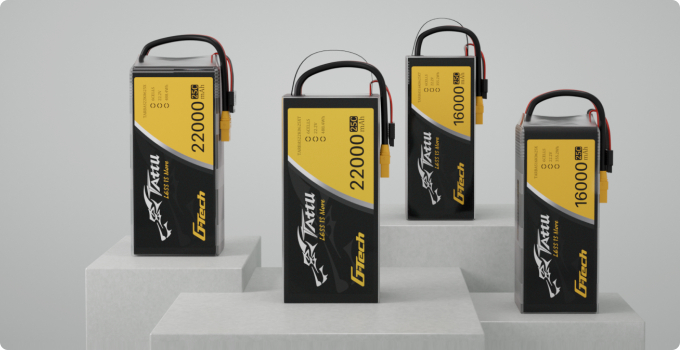
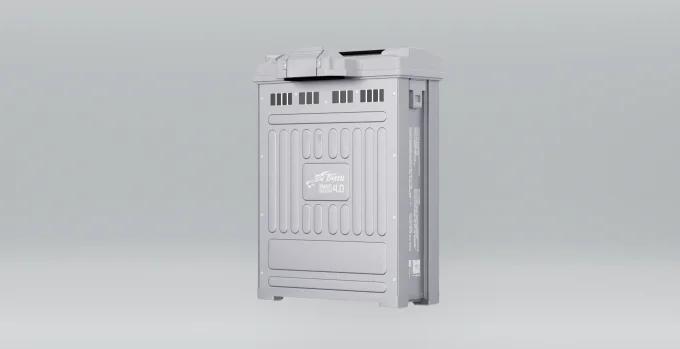
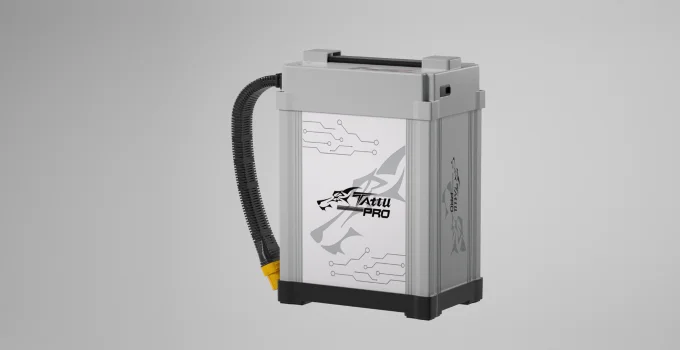
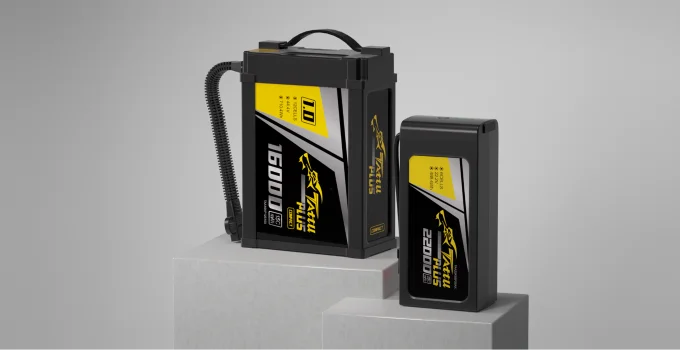
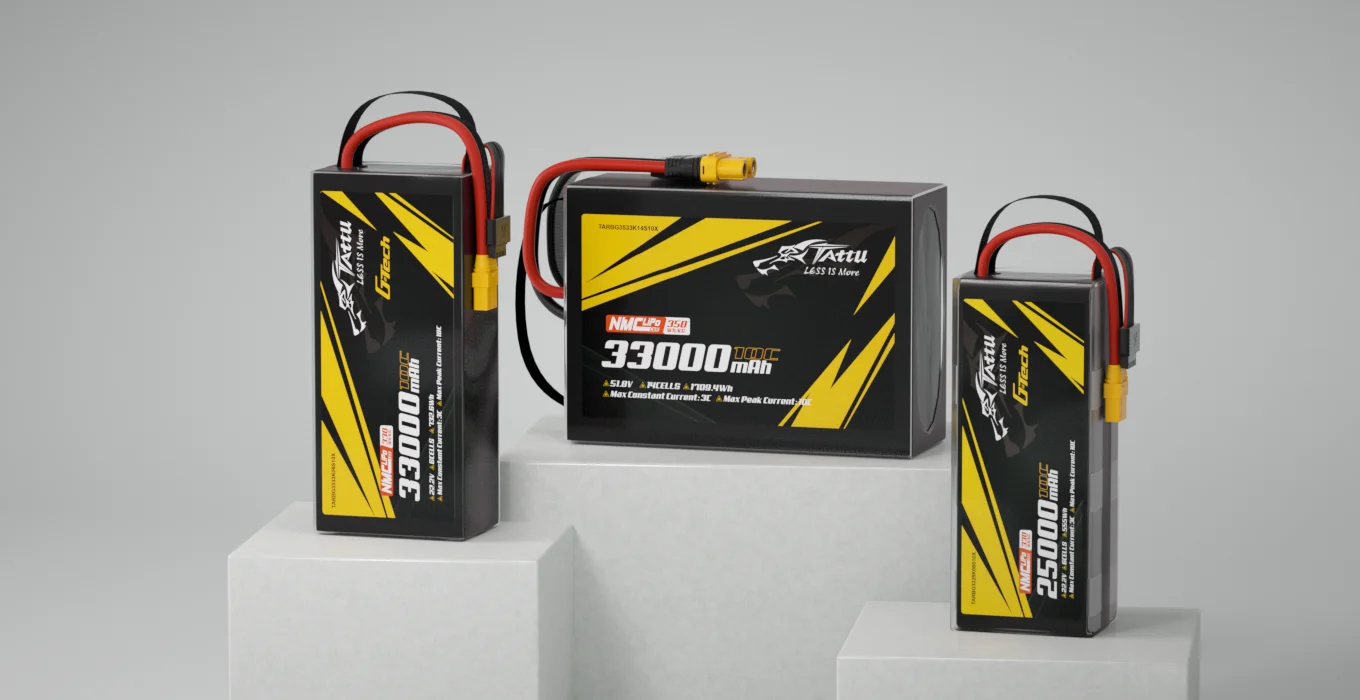
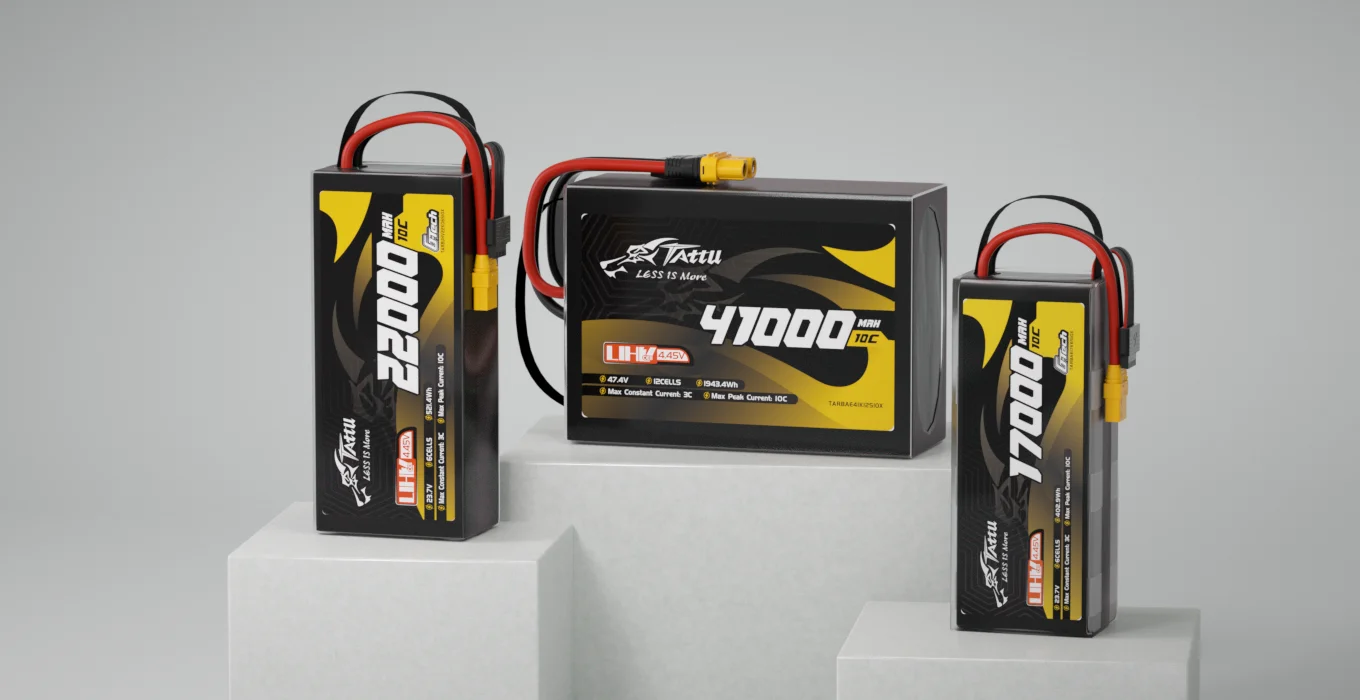
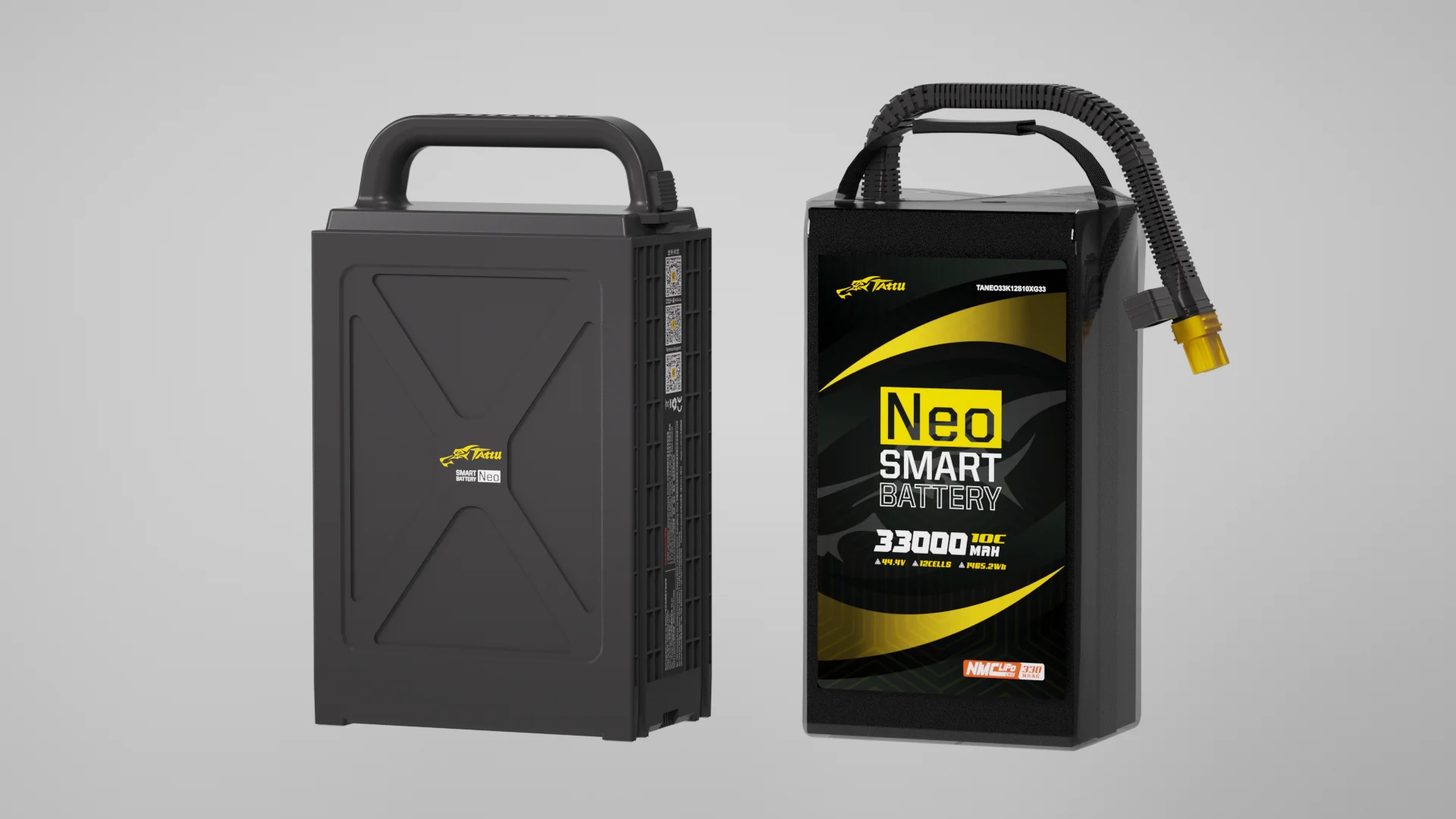
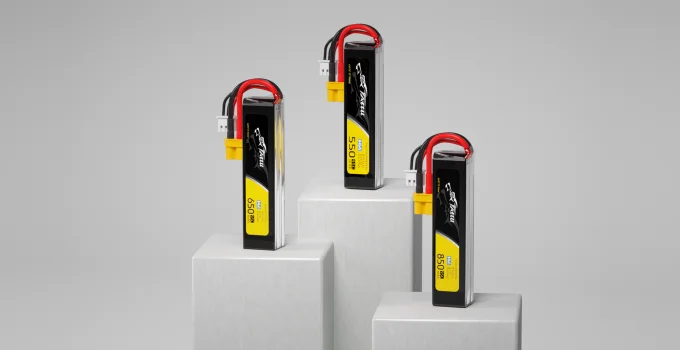
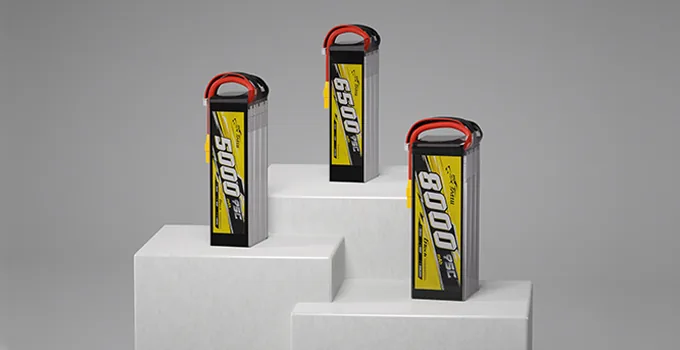
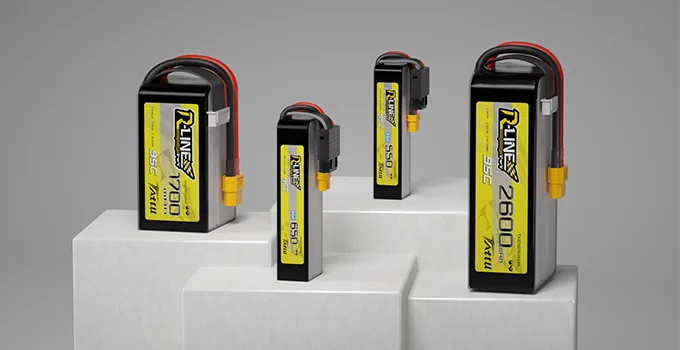
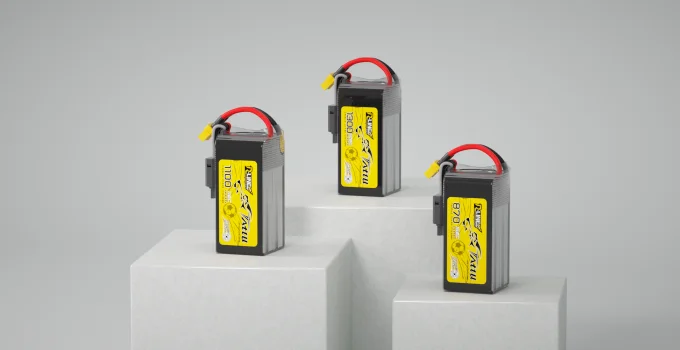
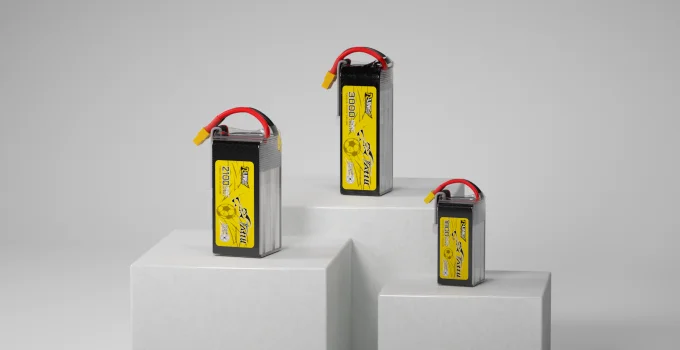
mission. As a leading global drone battery manufacturer, Tattu offers semi-solid-state UAV batteries with energy densities of up to 500 Wh/kg, as well as high-performance FPV batteries with discharge rates of up to 160C. For more information or assistance, please contact us at [email protected].




 Blog
 Blog
 Blog


