If you have ever watched firefighters fly a drone into thick smoke at
night, or seen footage of a rescue team finding a lost hiker in total darkness,
you have already seen a thermal drone at work. But what exactly is it, and how
is it different from a regular camera drone?
This guide explains what a thermal drone is, clears up the common confusion
between "thermal" and "infrared," walks through the main real-world
applications, and gives practical advice on choosing batteries — especially for
cold-weather missions.
What Is a Thermal Drone, and How Does It Work?
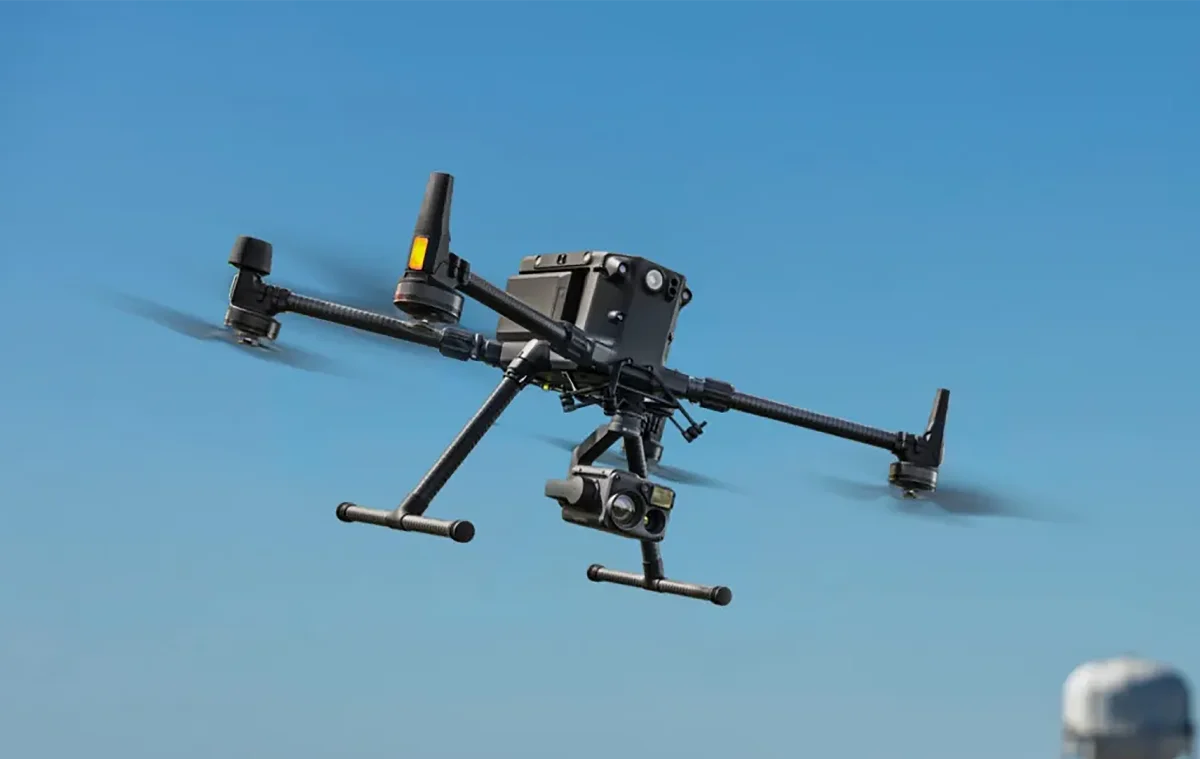
A thermal drone, also called a thermal imaging drone, is an unmanned
aircraft fitted with a camera that detects infrared radiation emitted by
objects. All objects with a temperature above absolute zero emit thermal radiation.
A thermal camera detects this energy and turns it into an image that shows
differences in apparent surface temperature.
For example, during a night search, a person's body may appear warmer than
the surrounding ground. During an electrical inspection, a loose or damaged
connection may appear hotter than nearby equipment. A person lost in the woods
at night, a faulty circuit board that is running hot, or a patch of dry soil in
a farm field will all stand out clearly against their cooler surroundings — even
in complete darkness, fog, or smoke.
A thermal drone combines three main parts:
•The drone: Carries the camera and allows the pilot to inspect an area
from above.
•The thermal camera: Detects infrared energy and creates a thermal
image.
•The display and software: Show the image in real time and, on supported
systems, allow temperature measurements or later analysis.
Many thermal cameras use white, black, red, yellow, or purple to represent
temperature differences. These colors are added by software. They are not the
real colors of the objects. The meaning of each color also depends on the
selected color palette and temperature scale. A red area is not automatically
dangerous.
Thermal drone vs. infrared drone: What's the difference?
People often use the terms "thermal drone" and "infrared drone" to mean the
same thing. While they are closely related, there is an important technical
difference:
•Infrared (IR) Drones: This is a broad category. Some IR drones use
Near-Infrared (NIR) cameras for night vision. These cameras require an external
infrared light source (like an IR flashlight) to see in the dark, much like
standard home security cameras. They still show normal shapes and outlines, just
in monochrome or low light.
•Thermal Drones: These use Long-Wave Infrared (LWIR) sensors. They do not
need any external light source at all. They ignore visible light completely and
focus solely on measuring surface temperature differences.
So here is the simple rule of thumb: every thermal camera is an infrared
camera, but not every infrared camera is thermal. When a drone is marketed as
"infrared," check whether the camera measures emitted heat (thermal) or just
reflects near-IR light. Only a true thermal camera can find a person in pitch
darkness.
What Are the Applications of a Thermal Drone?
Thermal drones are not a gadget looking for a problem. They solve very
specific, expensive problems in the real world. Here are the main ones.
1. Search and Rescue (SAR)
This is the most dramatic use case. A human body radiates heat, so a
missing person shows up as a bright spot on a thermal image even in dense
forest, snow, or at night. Academic research confirms that drones equipped with
thermal cameras are highly effective for locating missing people in SAR
missions.
2. Firefighting
Smoke blocks visible light, but it barely blocks infrared energy.
Firefighters use thermal drones to see through smoke, find hotspots in a
wildfire before they spread, and locate people trapped inside burning buildings.
Finding the hottest point of a fire helps crews position water and personnel
where they matter most.
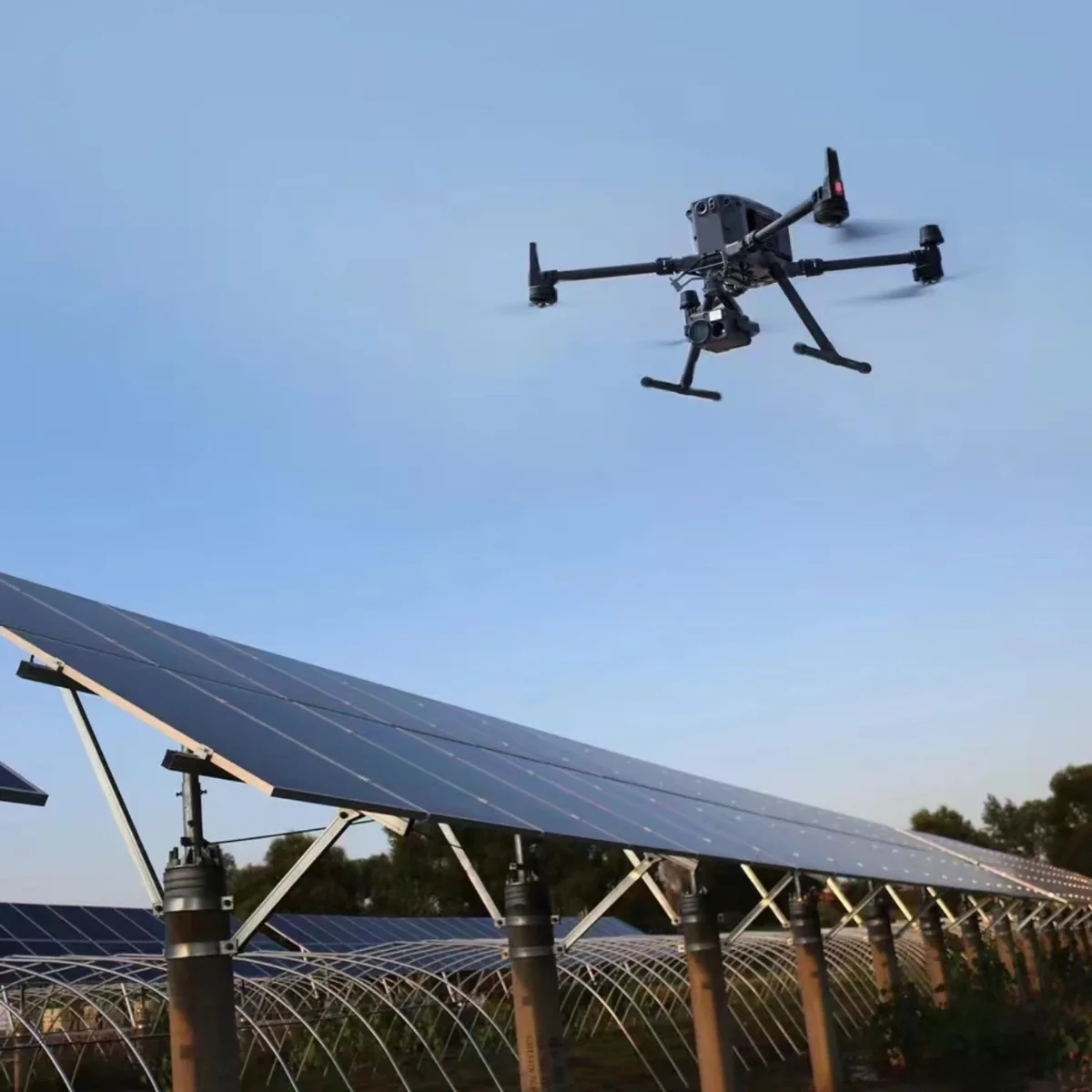
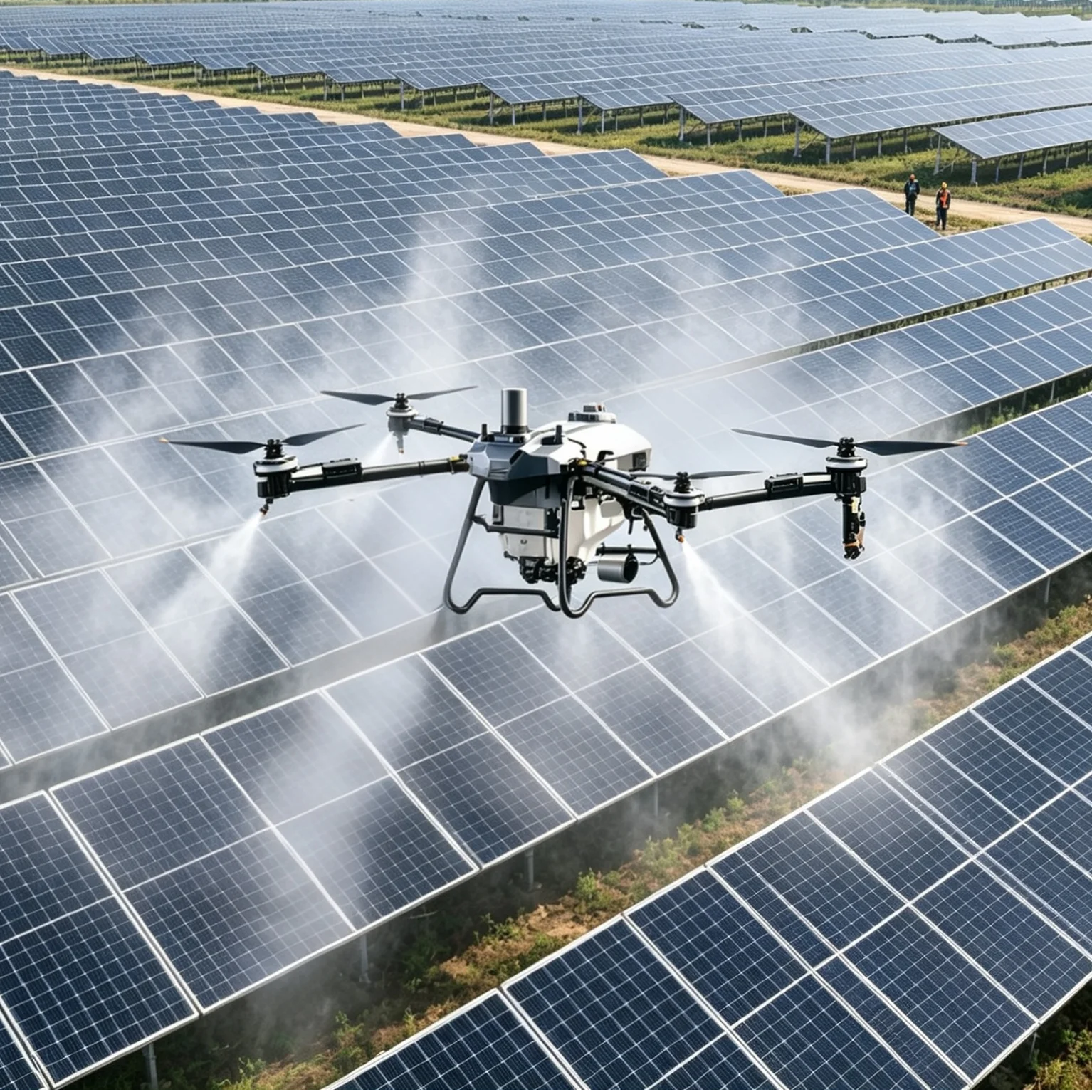
3. Power Lines and Solar Farms
Electrical faults almost always produce heat before they produce failure. A
loose connection, an overloaded transformer, or a failing solar cell gets hot,
and a thermal drone flying a routine route can spot it weeks before it breaks.
Utility companies use this for preventive maintenance — fixing a cheap connector
instead of dealing with a blackout. In winter, thermal drones can also reveal
where ice has built up on power lines, causing them to sag.
4. Agriculture
Plants under water stress change temperature before they change color. A
farmer flying a thermal drone over a field can see which areas need irrigation
while the crops still look healthy to the eye. The same method helps detect pest
infestations and plant disease early, which reduces the amount of pesticide and
fertilizer needed.
5. Building and Roof Inspection
Wet insulation, air leaks, and heat loss all create temperature patterns on
a roof or facade. A thermal drone can scan an entire large roof in minutes —
work that used to require walking the roof with a handheld camera or setting up
scaffolding. Insulation problems show up as cold or warm patches, letting
homeowners and energy auditors fix leaks and cut heating bills.
6. Wildlife and Environmental Monitoring
Researchers use thermal drones to count animals at night, track wildlife
movement, and detect poachers in protected areas. Animals hidden in vegetation
or moving in darkness are easy to spot against the cooler ground.
How to Choose a Battery for a Thermal Drone?
For most buyers, the drone and its thermal camera come as a matched system,
so the battery question is really: how do I get reliable flight time and long
battery life, especially in the cold? Thermal missions often happen at night or
in winter, so this matters more than people expect.
Almost all drones use lithium-polymer (LiPo) batteries because they store a
lot of energy for their weight. Their weakness is temperature. Cold slows the
chemical reactions inside the battery, which reduces capacity and increases
internal resistance. The colder it gets, the shorter your flight.
Practical buying and usage checklist
•Match the official battery. Use the battery model specified by the drone
maker. Third-party batteries that fit physically may not communicate correctly
with the drone's battery management system.
•Buy more than one. For thermal work, plan missions around 3–4 fully
charged packs. Cold-weather flying demands spares because each pack delivers
much less flight time.
•Check the C-rating and capacity honestly. A rough estimate of flight time
is: battery capacity (Ah) ÷ average current draw (A). For example, a 5 Ah (5000
mAh) battery on a drone drawing 20 A gives about 0.25 hours — 15 minutes — and
you should still land with 20–30% left.
•Consider low-temperature or self-heating batteries if you regularly fly
in winter. Pre-heating LiPo packs to roughly 60–80°F before flight prevents
voltage sag, and pilots report recovering a large share of lost flight time this
way.
FAQs about thermal drone
1. Can thermal drones see through walls?
No. Thermal cameras only measure the temperature of the surface of an
object. They cannot see through solid brick, concrete, thick walls, or solid
metal.
2. Can thermal drones fly in complete darkness?
Yes! Because they measure heat radiation instead of visible light, they
work just as well at midnight in pitch-black conditions as they do at noon on a
sunny day.
3. Can it see through fog, rain, or smoke?
Sometimes it can provide a better view than a normal camera, but it is not
an all-weather viewing system. Thermal drones have been used to locate fire hot
spots through smoke. FLIR explains that fog and rain can reduce the infrared
signal and severely limit detection range.
4. How far away can a thermal drone detect a person?
There is no useful single answer for all drones. Sensor resolution, lens
field of view, target size, temperature contrast, weather, and distance all
affect the available detail. Being able to notice a warm object does not mean
the image is detailed enough to identify it confidently.
5. Can a thermal drone measure exact temperatures?
Some radiometric thermal cameras can estimate surface temperature, but the
measurements are not automatically exact. Accuracy depends on the camera
calibration, surface material, reflected infrared energy, distance, and
weather.
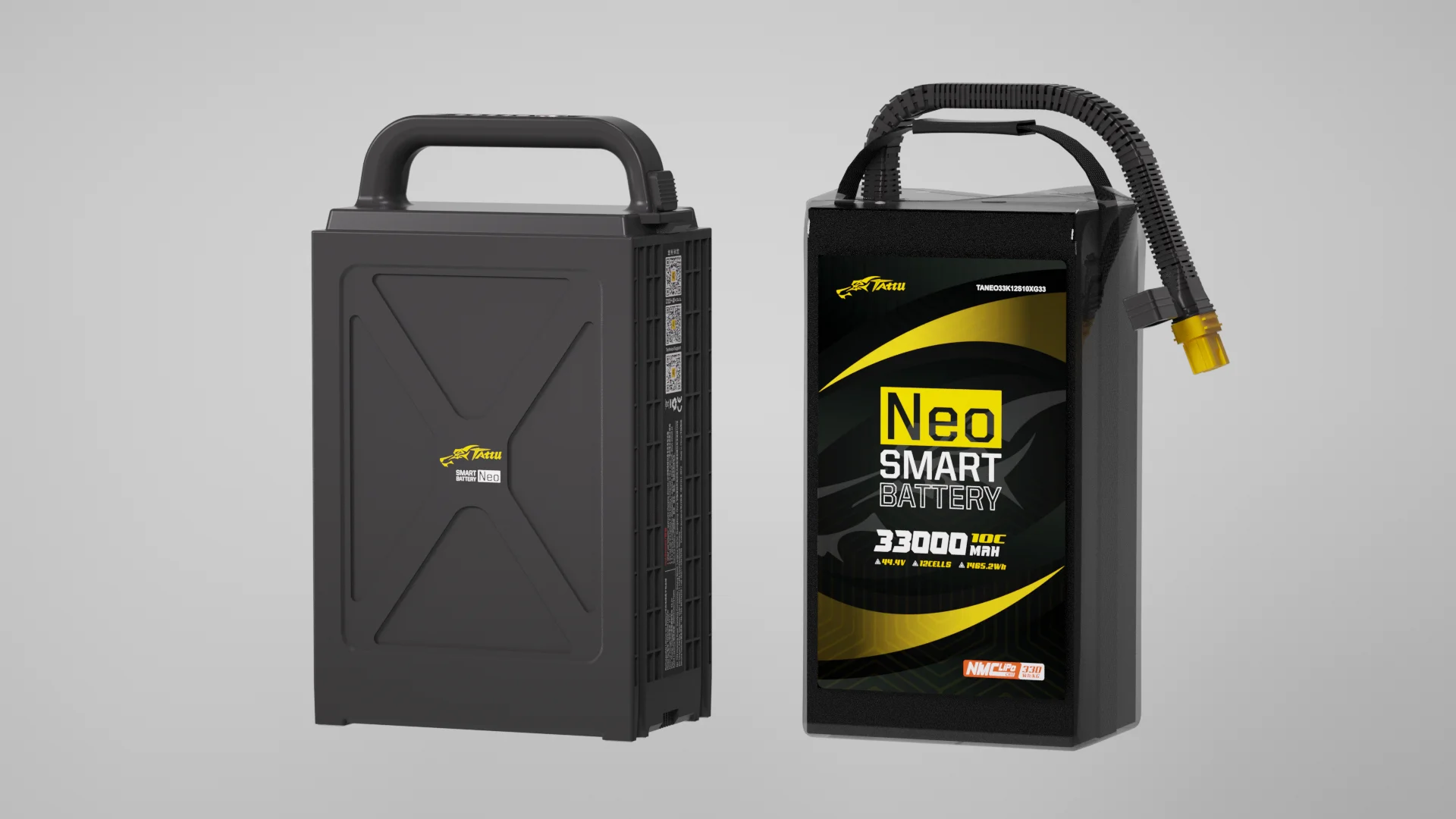
6. Do thermal drones need special batteries?
Not necessarily. The thermal camera does not require a particular battery
chemistry simply because it measures heat. Many commercial thermal drones use
dedicated smart batteries designed for their aircraft. The main requirement is
compatibility with the complete drone system.
Conclusion
Thermal drones make it possible to observe temperature differences from the
air. They are useful for search and rescue, firefighting, electrical
inspections, solar panel maintenance, building surveys, and wildlife research.
Their greatest value is helping people find areas that need attention,
particularly when ordinary cameras provide limited information. However, thermal
imaging is not a replacement for professional judgment. Weather, surface
materials, obstacles, and camera settings all affect the results.
For reliable operation, the drone's battery must also match the aircraft,
payload, and working conditions. Choosing the right voltage, energy capacity,
discharge performance, and battery reserve helps ensure that each mission can be
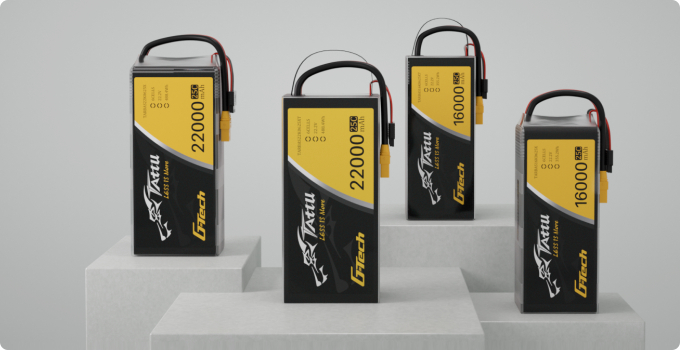
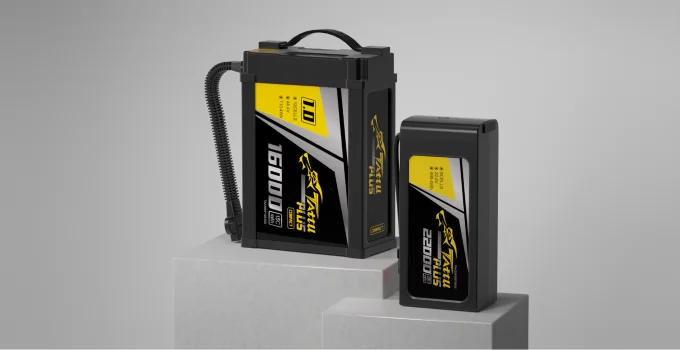
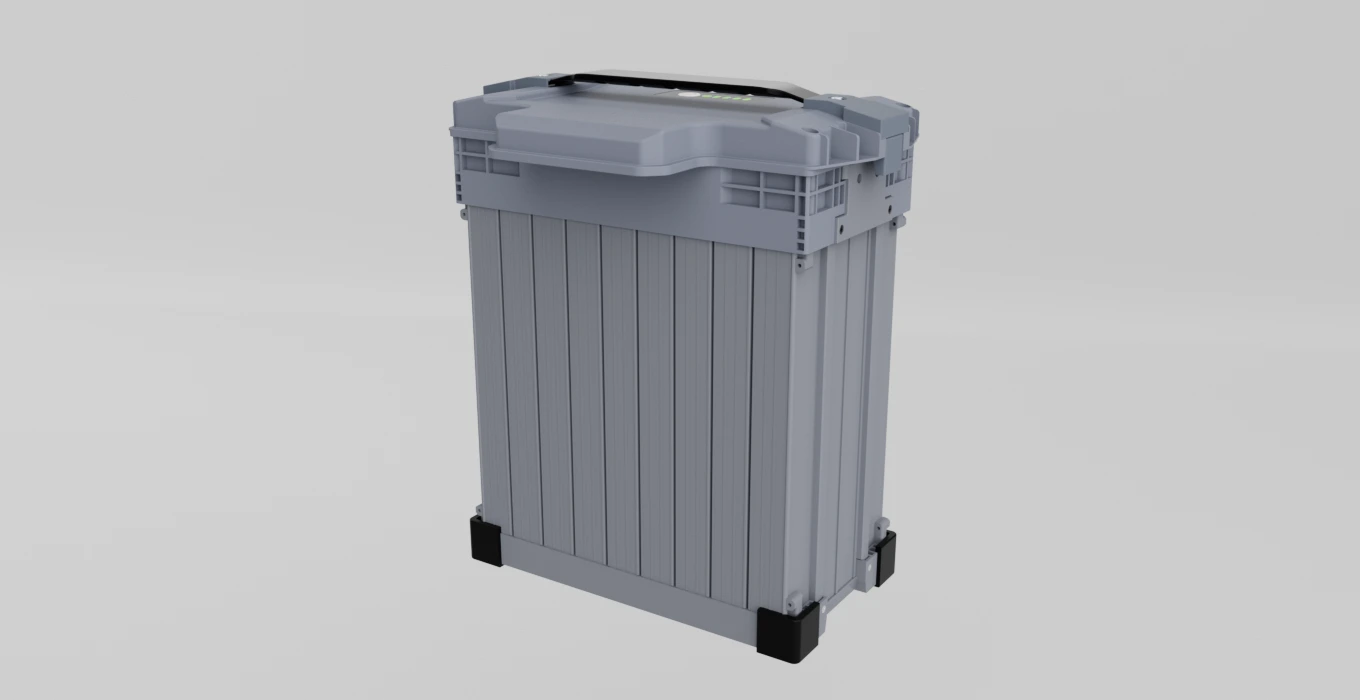
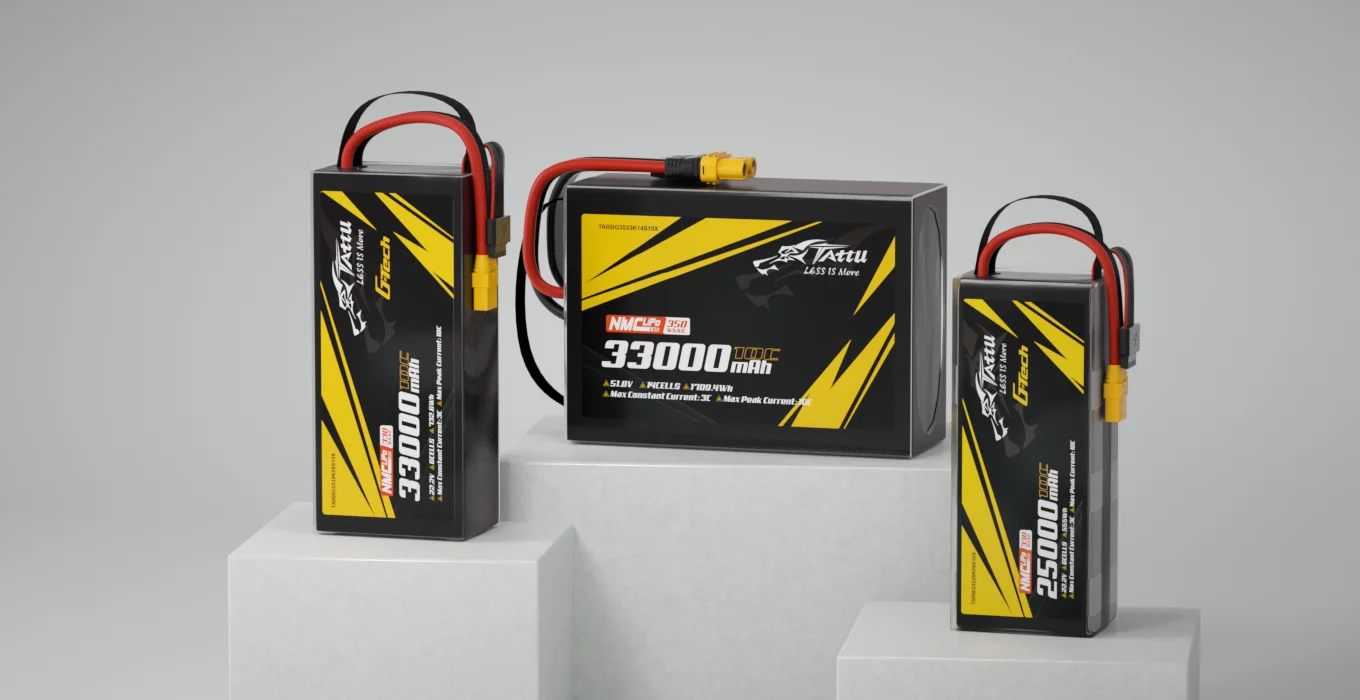
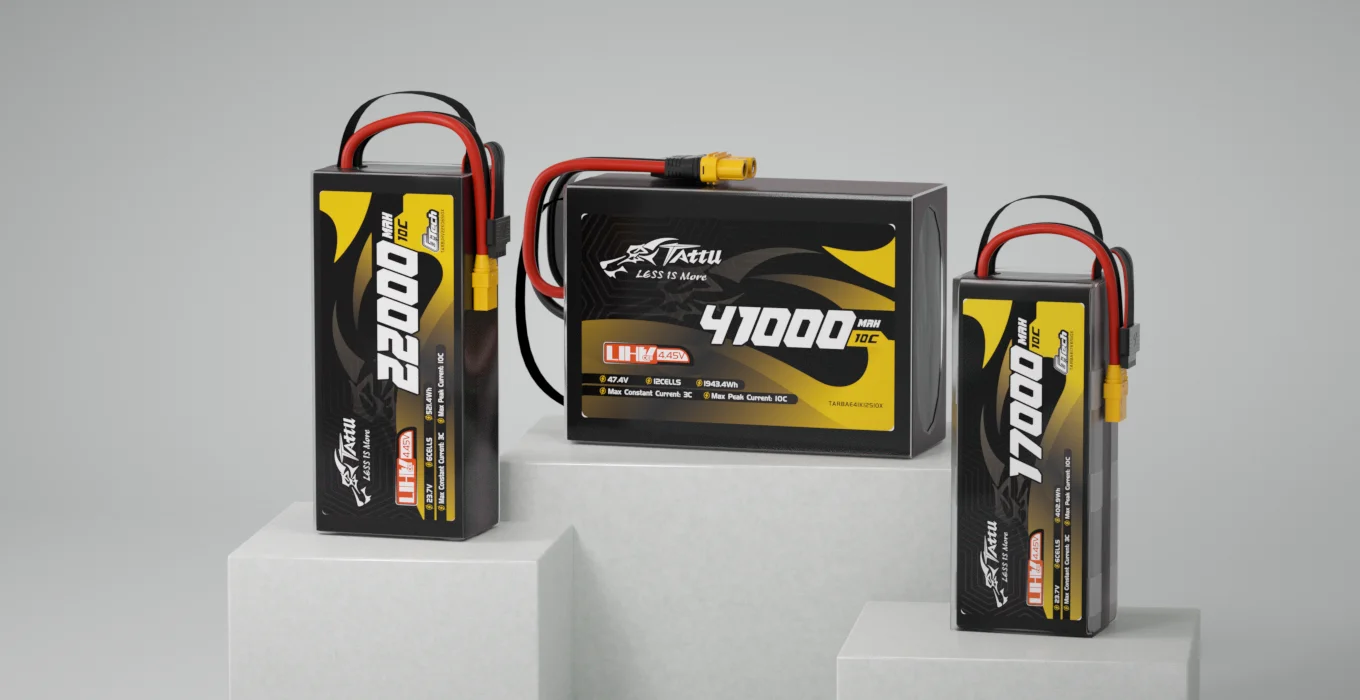
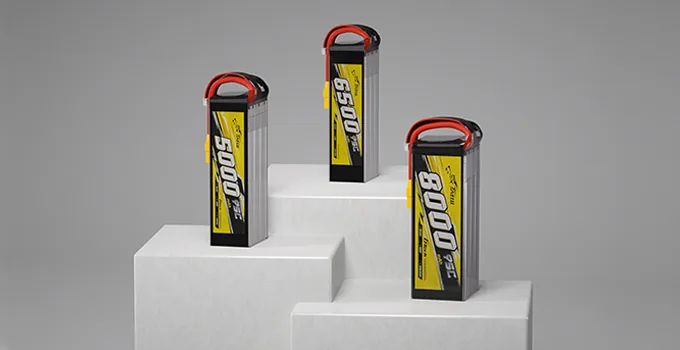
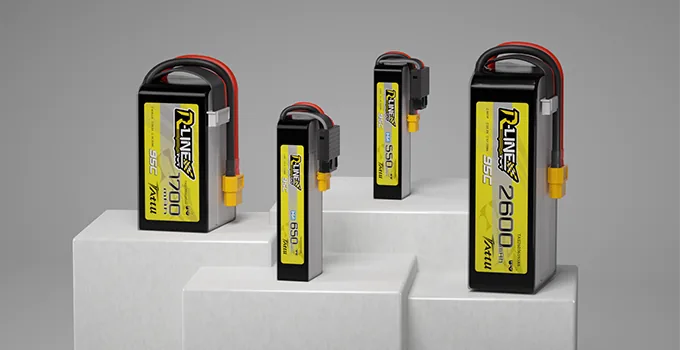
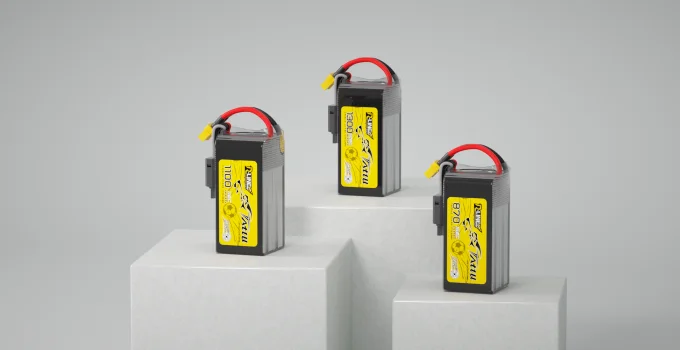
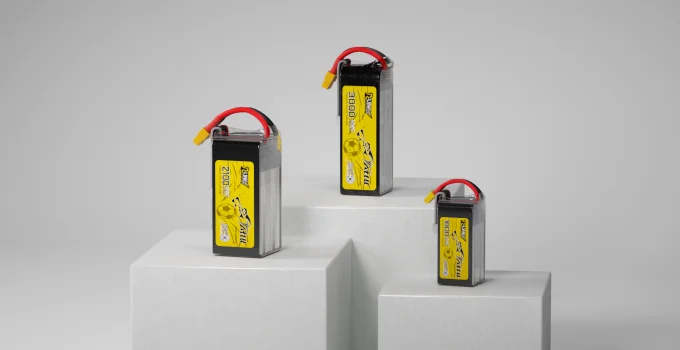
completed safely. As a global leader in drone battery solutions, Tattu provides
high-energy-density semi-solid state batteries (up to 500 Wh/kg) and low-temperature
batteries capable of discharging at -40°C, helping thermal drones achieve
ultra-long flight times even in harsh conditions. For any further inquiries,
please feel free to contact us at [email protected].





 Blog
Blog
 Blog
Blog
 Blog
Blog


