Agricultural drones in Southeast Asia are no longer just machines for
spraying rice. They are becoming tools for a wider range of jobs, from sowing
seeds in flooded fields to treating tall durian trees and spreading fertilizer
across oil palm estates. Just as importantly, farmers do not always need to own
one. Service providers, cooperatives, and public support programs are making
drone access part of everyday farm work.
These changes are reshaping what buyers need from the technology. A rice
contractor may value fast refills and easy transport between farms. A durian
grower needs reliable coverage around tall, uneven trees. A plantation manager
needs accurate application records and a fleet that can keep working far from a
workshop. The market is therefore moving beyond a simple question—how much can
the drone carry?—toward a more useful one: how well does the whole system fit
the job?
1. The Latest Market Trends for Agricultural Drones in Southeast Asia
Southeast Asia has become an important market for agricultural drones, but
its growth is not driven by a single type of farming. Rice production remains a
major source of demand, while high-value crops such as durian and large-scale
plantations such as oil palm are creating new opportunities. Recent market
developments point to five important trends.
Trend 1: Drone-as-a-Service Is Making Adoption More Accessible
Buying an agricultural drone is only the first part of the investment.
Farmers also need batteries, charging equipment, trained pilots, spare parts and
suitable spraying systems. For small and medium-sized farms, these costs can
make direct ownership difficult.
As a result, professional spraying companies, agricultural service
providers and cooperatives are becoming important parts of the market. In
Vietnam’s Mekong Delta and parts of the Philippines and Thailand, this approach
has spread quickly. Service providers handle the equipment, training, and
maintenance, so farmers pay only for the area treated. This model lowers the
entry barrier and creates steady demand for reliable, high-utilization
fleets.
Trend 2: Larger Payloads and Multifunctional Aircraft Are Becoming More
Important
Early agricultural drones were mainly designed to carry small amounts of
liquid for crop spraying. As farmers and service providers began using them
across larger areas, demand shifted toward higher payload capacity and more
flexible aircraft.
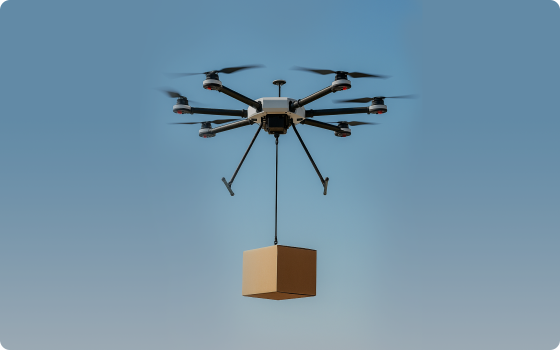
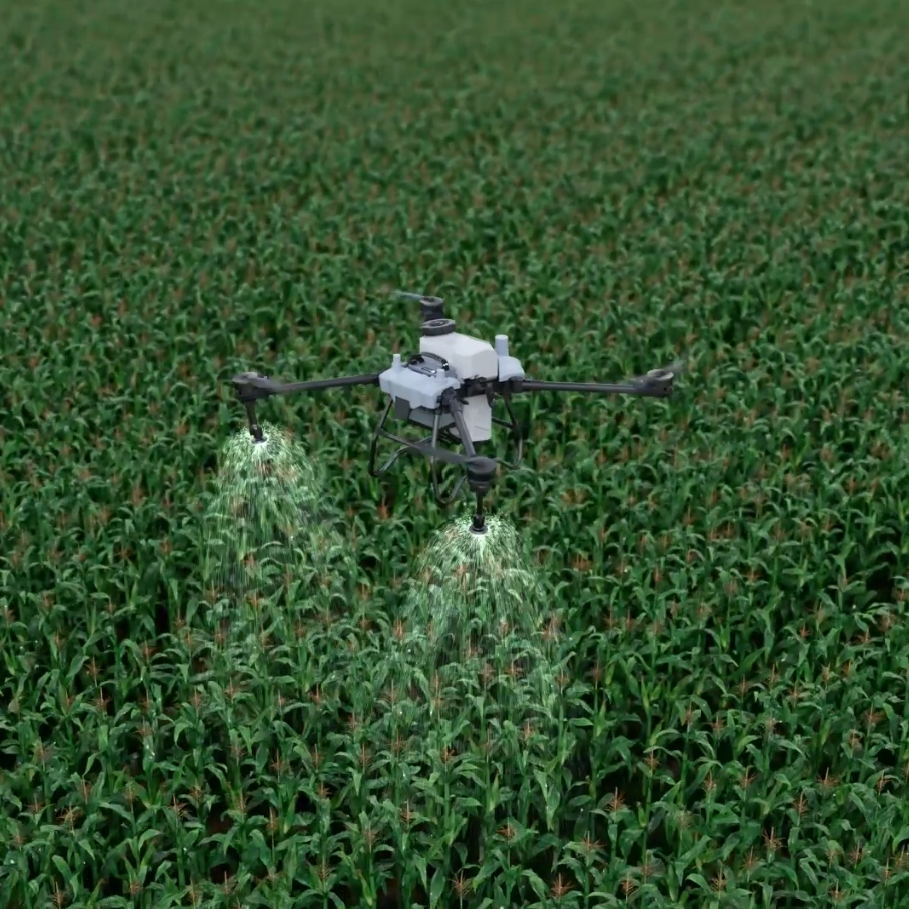
Newer models can perform several tasks with different operating systems.
These include pesticide spraying, liquid fertiliser application, spreading solid
fertiliser or seeds, field mapping and even aerial transport. Multifunctionality
matters because equipment budgets in Southeast Asia are tight. A machine that
sprays, spreads seed and fertilizer, and carries bundles of fruit or spare parts
across a hillside earns more working days per year.
Trend 3: Crop-Specific Applications Are Expanding Beyond Rice
Rice spraying remains one of the most established agricultural drone
applications in Southeast Asia. But high-value fruit crops and tropical
plantations are creating a different set of technical requirements.
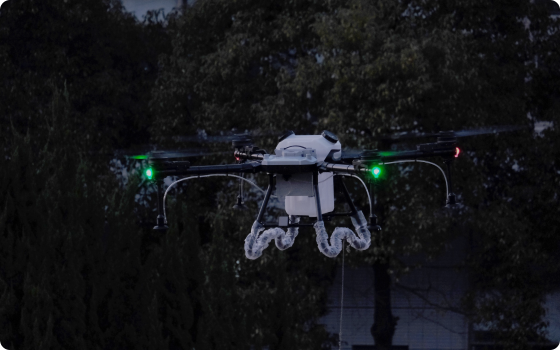
Durian is a good example. In Thailand and Vietnam, mature durian trees can
grow several metres high, with dense branches and leaves. Spraying these trees
from the ground can be difficult and labour-intensive. A drone needs enough lift
and a suitable airflow pattern to deliver droplets into different parts of the
canopy.
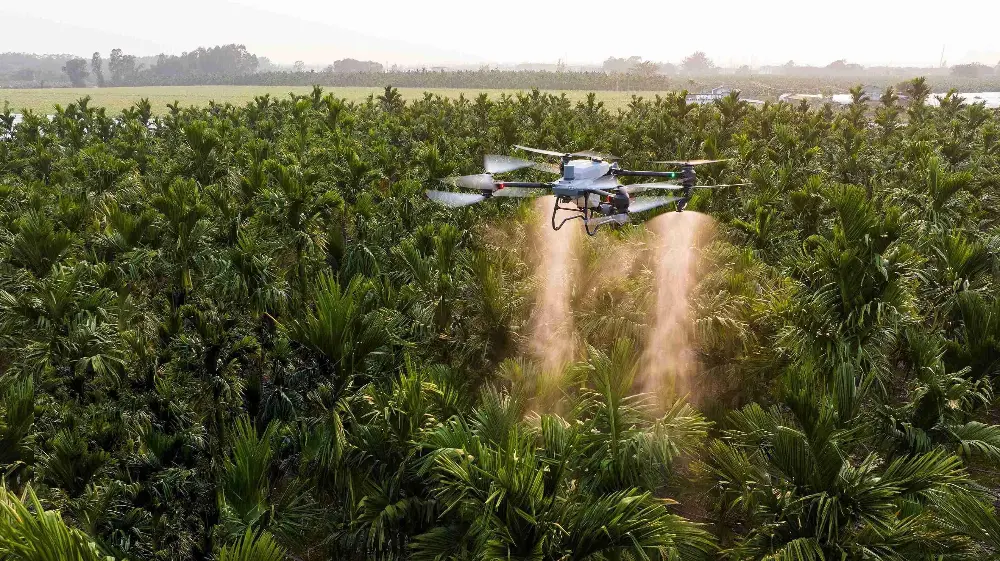
Oil palm plantations present another opportunity. Their large operating
areas and labour requirements make aerial spraying and fertiliser application
attractive. Malaysia's plantation industry has already integrated drone fleets
into organised pest and disease management programmes.
Durian and oil palm are clear examples of this expansion. Pepper, coconut
and other tropical crops may create additional opportunities, although their
plant structures and spraying requirements need to be tested separately.The
important change is that agricultural drones are no longer designed only around
open fields. Their ability to work around tall trees, dense canopies and
different crop structures is becoming increasingly important.
Trend 4: Local Factories and Regional Hubs Are Speeding Up Delivery
Another major shift is the move toward local assembly and regional supply
chains. Companies are setting up production, warehousing, and repair centers
inside ASEAN to shorten delivery times, reduce import tariffs, and fix broken
aircraft quickly. DJI, the world’s largest drone maker, has used Malaysia for
cost-effective assembly and logistics support while running regional
distribution out of Singapore. XAG opened an authorized service center in
Thailand in May 2025 to provide maintenance and repair support for drones and
smart-farming tools.
Perhaps the most telling signal is Aonic, a Malaysian company formerly
known as Poladrone. In March 2026 it closed a $10 million Series A funding round
to scale its Malaysia-built drones, software, and services across the region.
The firm already operates more than fifty service centers. When spare parts and
technical support are available within days rather than weeks, farmers are far
more willing to rely on drones as a core part of their operation.
Trend 5: Battery Replacement and Charging Efficiency Are Becoming
Fleet-Level Advantages
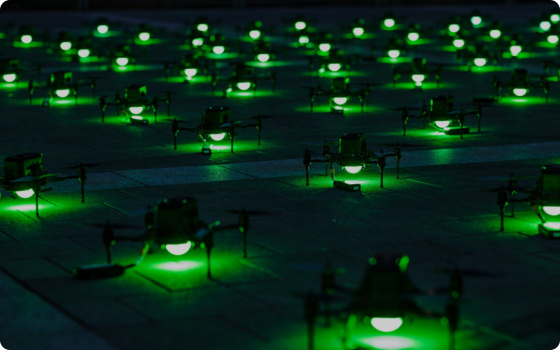
When an agricultural drone is used for several hours a day, battery
performance directly affects operating productivity.A service provider may have
several aircraft working across different fields. If batteries cannot be
recharged quickly enough, aircraft may spend more time on the ground than
necessary. More batteries, reliable charging equipment and an efficient battery
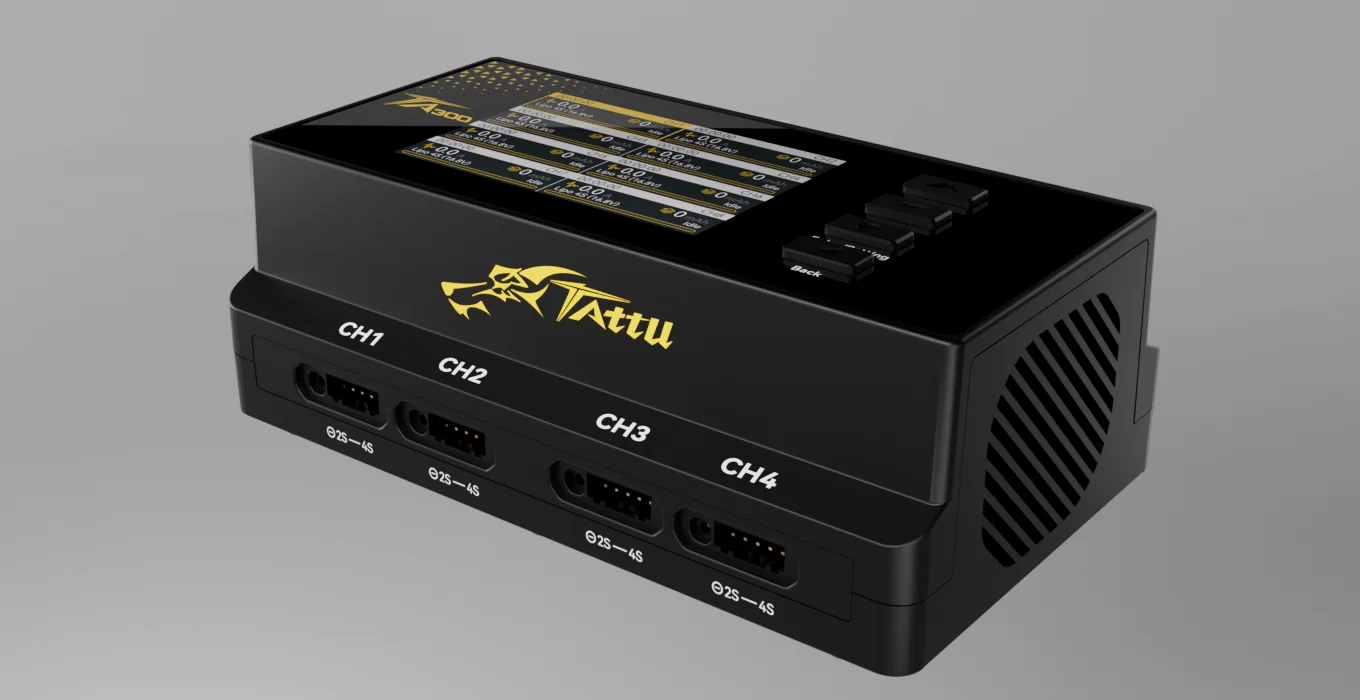
rotation system are therefore essential.Fast charging is already part of the
latest product ecosystem.
In the tropics, a drone is only as useful as its power system. High
temperature, humidity, and sudden rain showers mean that battery reliability,
thermal management, and fast turnaround are not nice-to-have features; they are
basic requirements for running a profitable spraying business. A drone that sits
on the ground waiting to cool down or charge is a drone that is losing
money.
2. How Farming Patterns Differ Across Southeast Asia
Southeast Asia is not one uniform agricultural market. Different countries
have different crop structures, field conditions and farm sizes. These
differences influence what farmers expect from agricultural drones.
Vietnam and the Philippines: Rice Fields and Large-Area Spraying
Rice is one of the main agricultural crops in both Vietnam and the
Philippines. In the Mekong Delta, large areas of relatively flat rice fields
provide suitable conditions for drone spraying, fertiliser application and
direct seeding. Vietnam provides a useful example of how quickly this market has
developed. According to a report by Tuoi Tre News on October 9, 2026, around
6,000 drones had been used in agricultural production across the Mekong Delta
over the previous five years.
Thailand: Durian Orchards and Other High-Value Crops
Thailand is famous for rice too, but its fastest-growing drone segment is
fruit, especially durian. Thai orchards are often on sloped land, with trees
tall enough that a drone needs strong lift and precise altitude control to spray
the canopy without crashing into branches. For orchard buyers, this makes
controlled flight near trees, reliable height management, and appropriate spray
delivery especially important.
Indonesia and Malaysia: Large Oil Palm Plantations
Indonesia and Malaysia: plantations, not paddies. Oil palm estates are the
opposite of smallholder rice: large contiguous blocks, professional managers,
and chronic labor shortages. Malaysia's palm sector has long depended on migrant
labor, and estates turned to drones for spraying, fertilizing and monitoring
when workers became scarce and expensive.
3. How Crop Applications Shape Drone Design
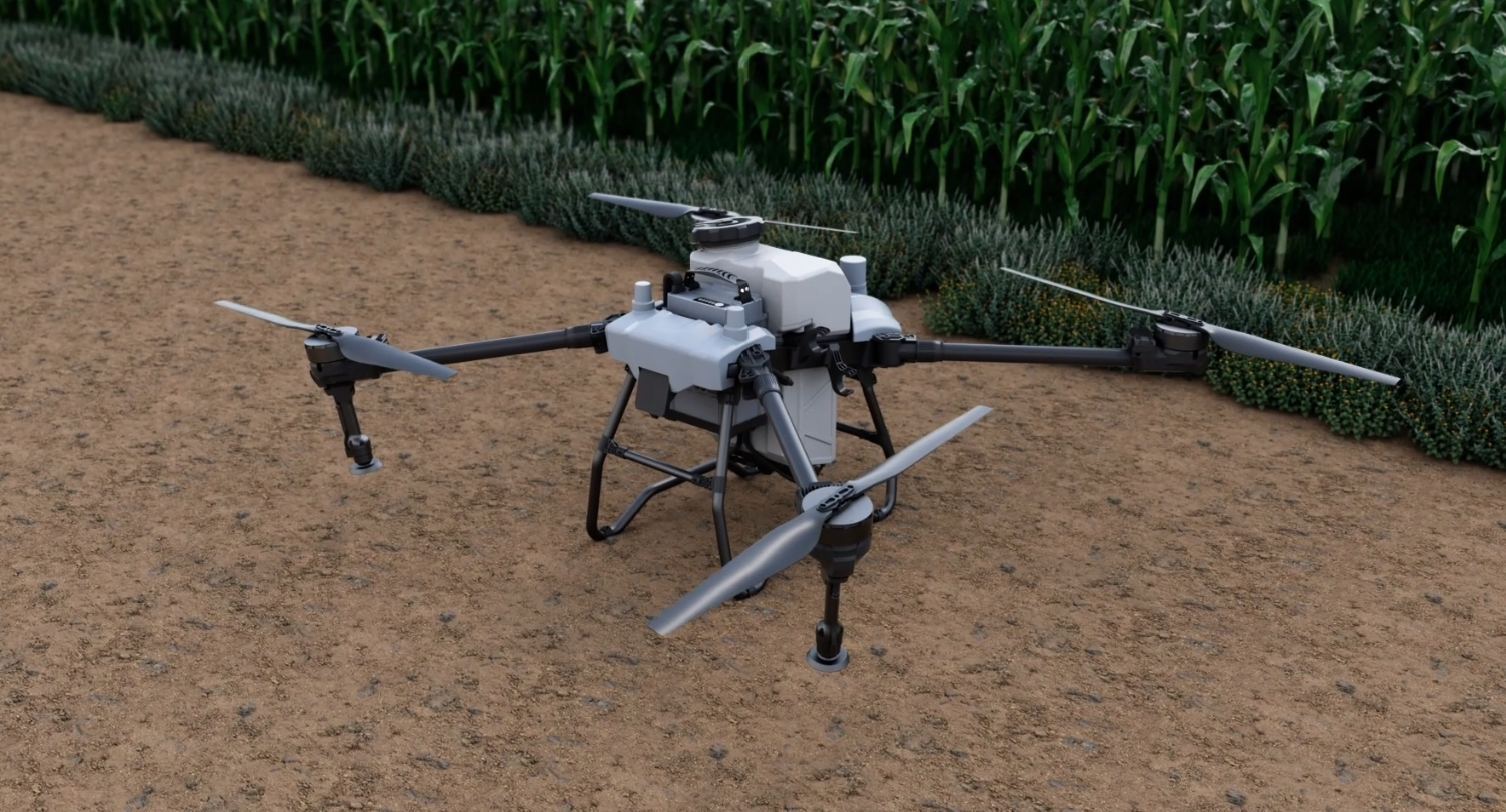
Crop type is one of the most important factors in agricultural drone
design. It affects not only the aircraft's payload but also its spraying system,
flight behaviour, propulsion power and battery requirements.
Payload Capacity and Spray Systems
Payload should follow the application rate and working pattern, not lead
the purchase decision. A larger tank can reduce refill stops, but its value
depends on how much liquid the crop needs, how far the aircraft travels, and
whether the full load is suitable for the conditions.
Spray design is equally important.
Rice operations need consistent coverage across a comparatively even crop
surface. Orchards need treatment around canopies of different heights and
shapes. Oil palm may require canopy coverage, a measured dose at individual
palms, or targeted spot spraying. Spray systems then diverge. Rice work
tolerates broader droplets and wider swaths. Dense canopies need finer mist,
adjustable droplet size and enough momentum to penetrate foliage — which is why
vendors market mist nozzles, higher flow and canopy-aware routes for durian and
palm.
Flight time also needs context.
Rice-field spraying often involves relatively long, straight flight paths.
Once the route is planned, the aircraft can repeat similar movements across a
large area. Orchard spraying may involve slower movement, shorter routes and
more time spent near the canopy. More demanding manoeuvres can also increase
energy use. This affects battery requirements. A drone carrying a full tank
needs more power to take off and maintain stable flight. As the liquid is
released, aircraft weight changes, and the power demand changes with it.
Terrain adaptation adds another layer.
Hilly coffee and durian plots in Vietnam's central and southern highlands
require pilots to vary altitude with tree height and fly slowly, sometimes
combining automatic and manual modes across scattered blocks . In palm estates,
drones must cope with uneven ground, tall fronds and remote blocks, which is why
terrain-following sensors and obstacle avoidance are standard selling
points.
Ultimately, operating efficiency should include travel, setup, filling,
battery swaps, charging, cleaning, and interruptions. A practical comparison
measures completed, acceptable work over a full shift—not just hectares covered
during a demonstration flight.
4. What Are the Most Common Agricultural Drone Brands in Southeast
Asia?
The agricultural drone market in Southeast Asia includes international
brands, local product developers and companies that provide complete spraying
services. There is no publicly available, comparable sales database covering all
Southeast Asian countries. Therefore, the following overview focuses on brands
and systems with visible product, distribution or service activity rather than
claiming a definitive market-share ranking.
Vietnam: DJI, XAG, EAVISION and Yamaha
DJI and XAG are important international names in the agricultural drone
market. Vietnam's crop-protection industry also references equipment from
EAVISION and Yamaha in technical guidance for drone spraying. Local operators,
such as AgriDrone Viet Nam, are involved in practical agricultural applications.
Vietnam's growing drone fleet makes it an important market for spraying systems,
battery supply and technical support.
Thailand: DJI Agras and XAG
DJI Agras has a strong position in Thailand, particularly in rice
cultivation and fruit orchard applications. Its September 2026 durian
demonstration showed how its larger aircraft are being evaluated for real
orchard conditions. XAG is another important competitor. Its partnership with
Chia Tai and the introduction of the P150 Max provide a clear example of its
investment in the Thai agricultural market.
Indonesia: Terra Drone and International Agricultural Platforms
Terra Drone is a notable local player. Its agricultural drone development
and spraying service experience are supported by its partnership with Yanmar
Diesel Indonesia. The market also offers opportunities for other international
drone manufacturers, especially those able to support large plantation operators
and local service companies.
Malaysia: DJI Agras and Aonic Mist Drone
DJI Agras has an established distribution and service network in Malaysia.
Sanyeong Agricultural Solutions is an authorised distributor and provides
training, repairs and spraying services. Aonic is another important name because
it has developed its own Mist Drone range in Malaysia. Its products cover
open-field crops such as paddy and sugarcane, as well as tree-based crops such
as oil palm, durian and coconut.
The Philippines: DJI Agras and Harbest Agila
DJI Agras is used in agricultural service and training applications in the
Philippines. Harbest Agila is another visible local product line, with models
including the D-10, M-12, Demeter and Thor. Local operators also provide
spraying, maintenance, training and regulatory support. This makes the service
network an important part of the competitive landscape.
Overall, DJI and XAG are highly visible international brands in the region,
but local companies can compete through crop-specific equipment, operator
networks and after-sales support. The balance varies from one country to
another.
5. Why Battery Technology Matters
It is easy to focus on the drone's body, but experienced operators know
that the battery determines how much work gets done in a day. Five
characteristics matter in the field.
Energy density sets the trade-off between endurance and payload: mainstream
drone batteries typically sit in the 300–400 Wh/kg range, so every extra minute
in the air competes directly with every extra liter in the tank . Discharge
performance decides whether a heavily loaded machine can hold altitude and
attitude in wind and humidity; agricultural packs are now rated for continuous
high-current discharge measured in multiples of capacity.
Thermal management is a tropical problem. Heat accelerates degradation,
raises internal resistance and can force operators to pause flights. Products
marketed for heavy agricultural duty highlight lower temperature rise under load
and higher permitted charging temperatures, because waiting for a pack to cool
is lost working time.
Charging speed and swap strategy decide fleet size: a team that can
recharge in about ten minutes needs fewer spare packs and fewer generators than
one facing hour-long charging, and swapping concepts are already being piloted
with agricultural drones in Thailand through partnerships combining equipment
supply, battery swapping and leasing.
Cycle life determines true cost. A pack lasting over 1,000 cycles changes
the cost per hectare for a service company, while a pack that fades early
quietly erodes margins during peak season . Off-season behavior matters too,
since agriculture is seasonal and stored packs must not self-discharge into
damage.
6. What Manufacturers Should Keep in Mind
For companies designing or sourcing agricultural drones for Southeast Asia,
the lesson is to start with the crop and the environment, not the specification
sheet.
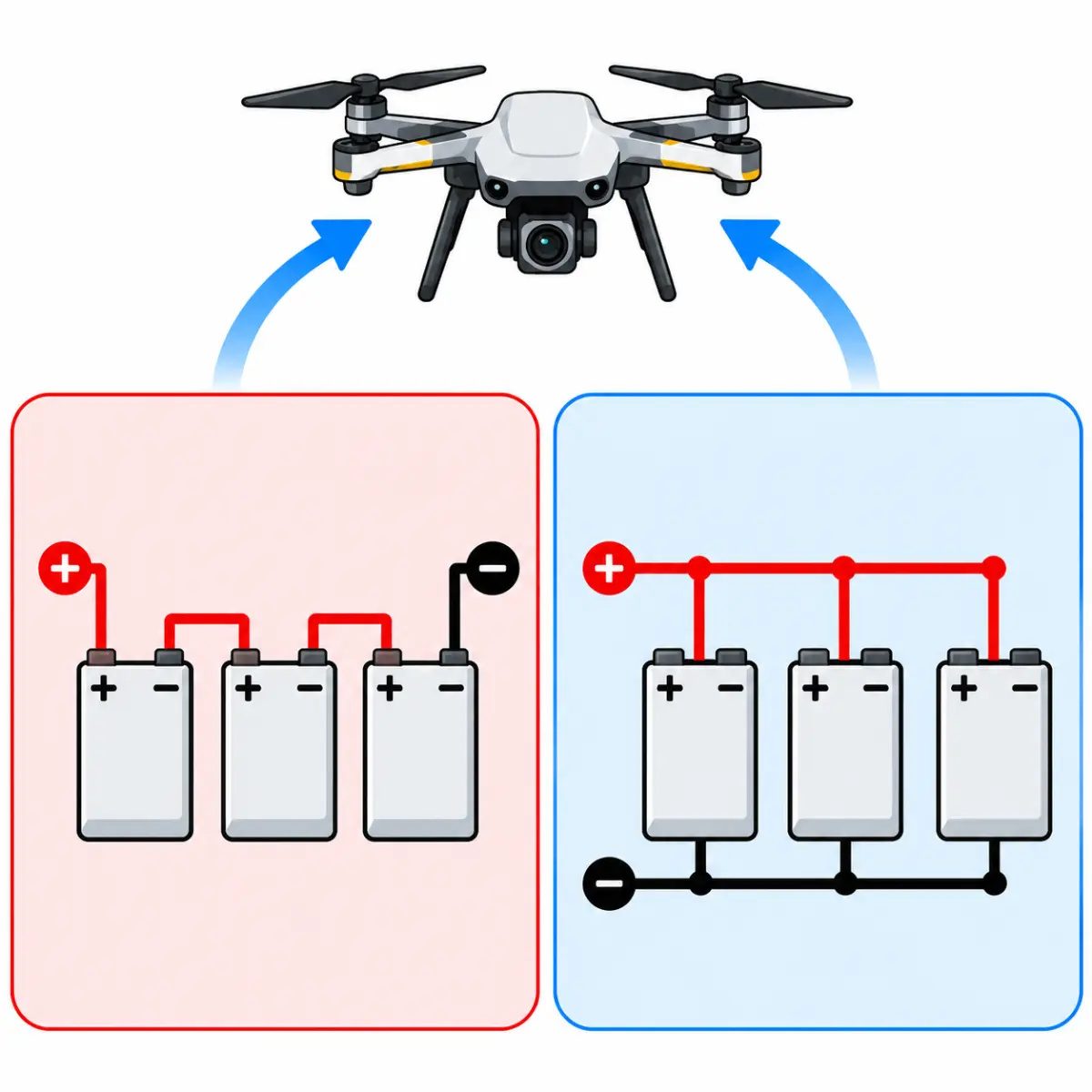
Match the battery to the mission. A drone spraying rice in the Mekong Delta
needs different voltage, capacity, and thermal tolerance than one working oil
palm in Sumatra, where flights are longer, payloads are heavier, and midday heat
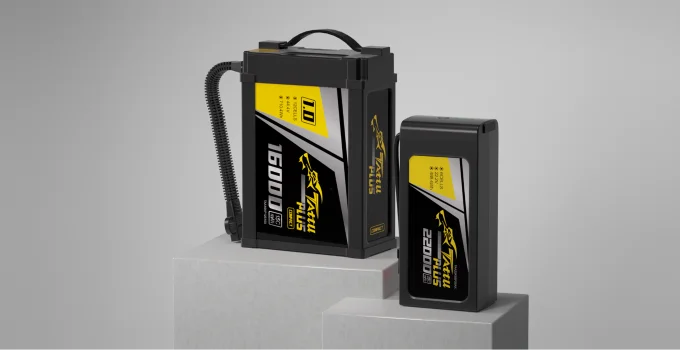
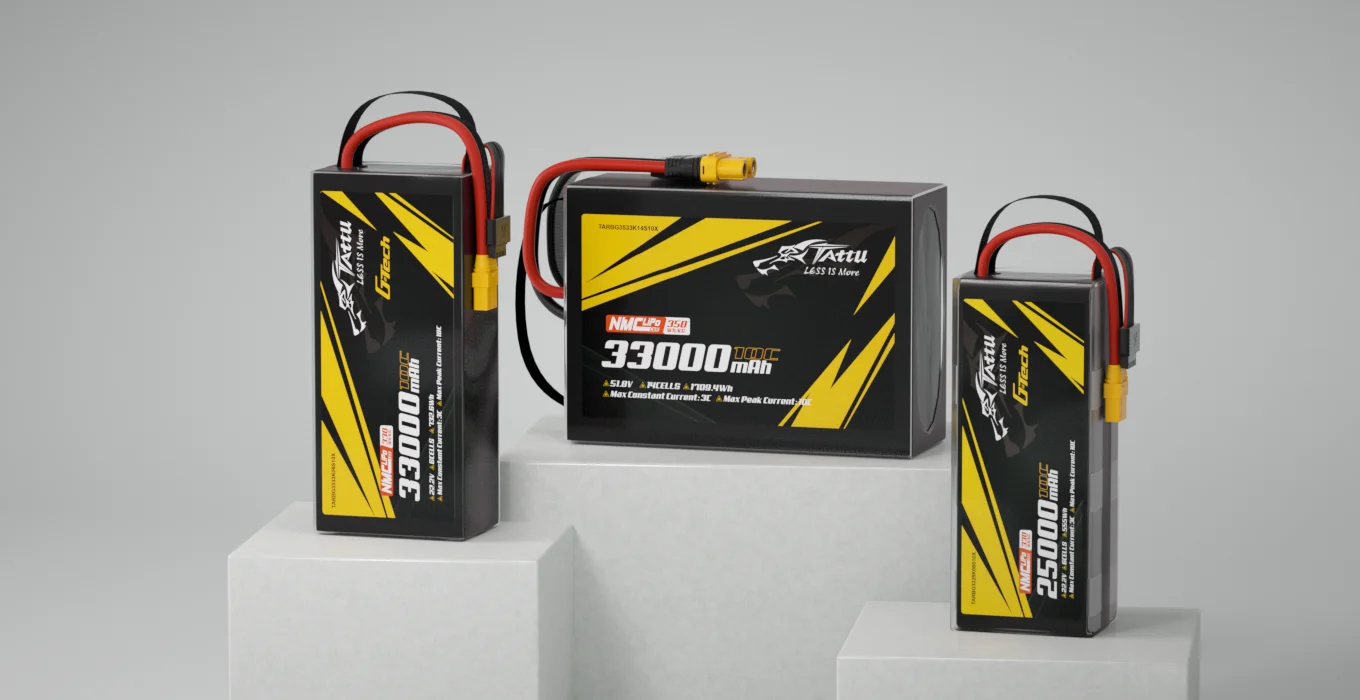
is more intense. A 14S high-capacity pack might be right for a 50-liter
plantation drone, while a lighter 12S configuration could be more efficient for
smallholder rice fields.
Plan for the operating conditions. Humidity, rain, and dust are constants
in the tropics. Batteries need sealed housings, corrosion-resistant contacts,
and management systems that can derate power safely when temperatures spike.
Charging infrastructure should be portable and robust enough for farmyards, not
clean workshops.
Design for the service model. If the target customer is a service provider
running a fleet, battery swap time and cycle life matter more than absolute
flight endurance. If the target is a plantation estate buying its own hardware,
then total payload and daily acreage become the deciding factors.
Support local adaptation. Whether through local assembly, regional
warehousing, or certified repair centers, manufacturers that can fix a cracked
arm or a swollen battery within days will win loyalty over those that require
weeks of international shipping.
Conclusion
The agricultural drone market in Southeast Asia is becoming more diverse.
Rice-field spraying remains an important application, but durian orchards, oil
palm plantations and other tropical crops are creating new demands for aircraft
design and operating performance. This shift is changing what farmers and
service providers expect from agricultural drones. Larger payloads, better spray
control, multifunctional systems and reliable fleet operations are becoming
increasingly important.
Battery technology sits at the center of this development: energy density,
discharge performance, thermal management, charging speed and cycle life
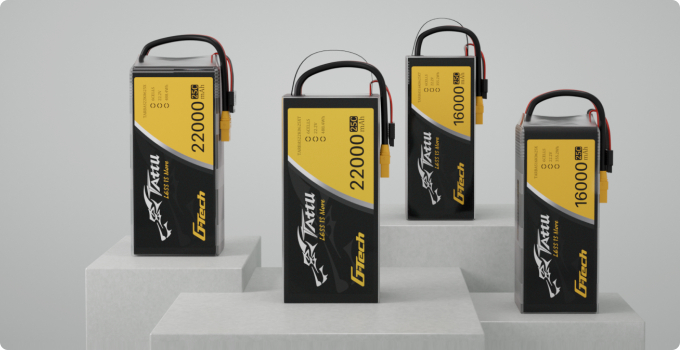
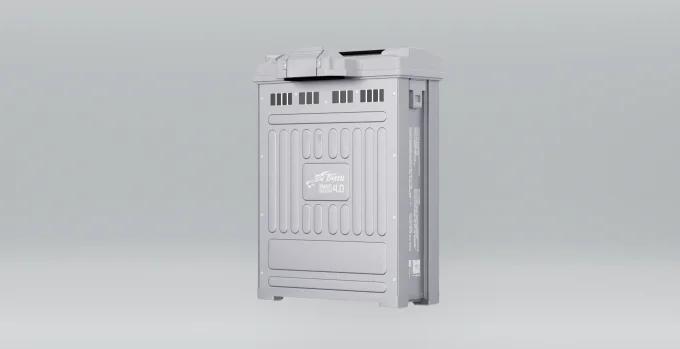
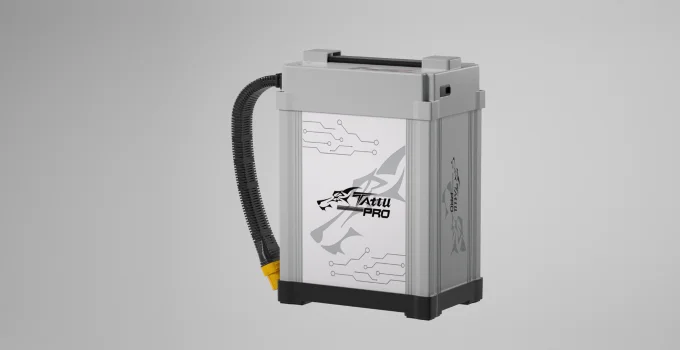
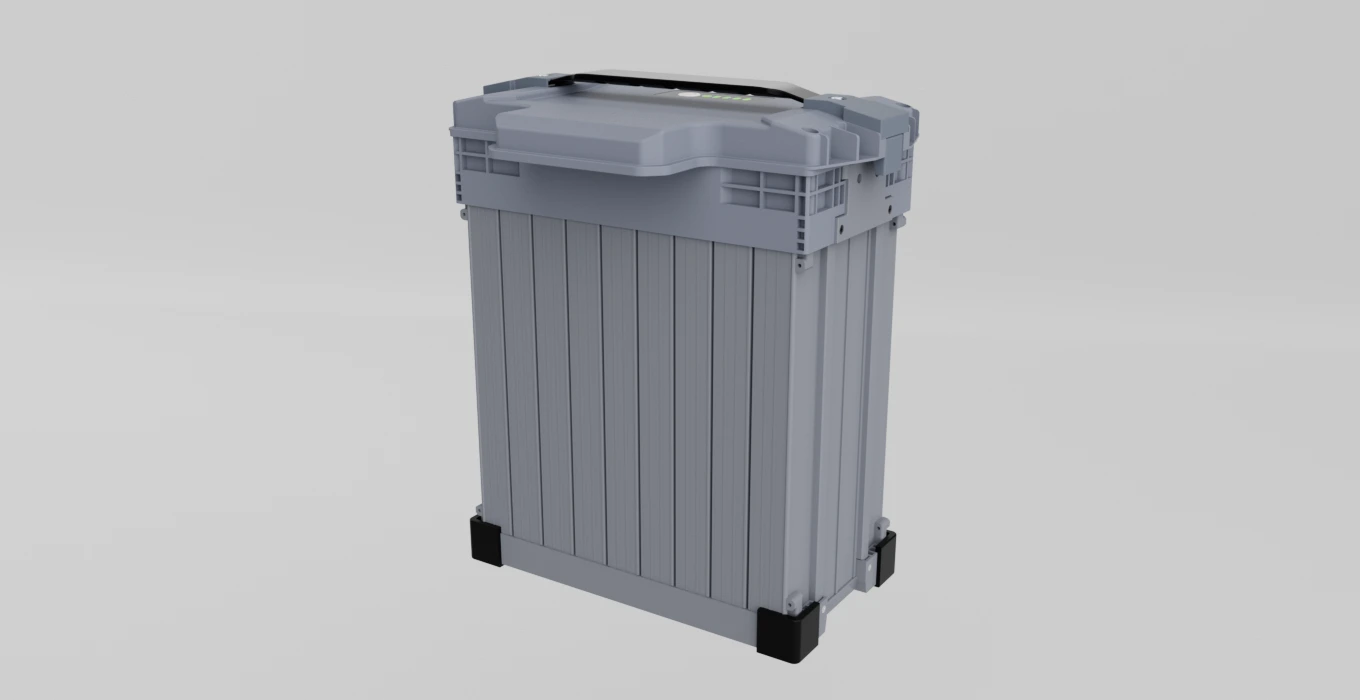
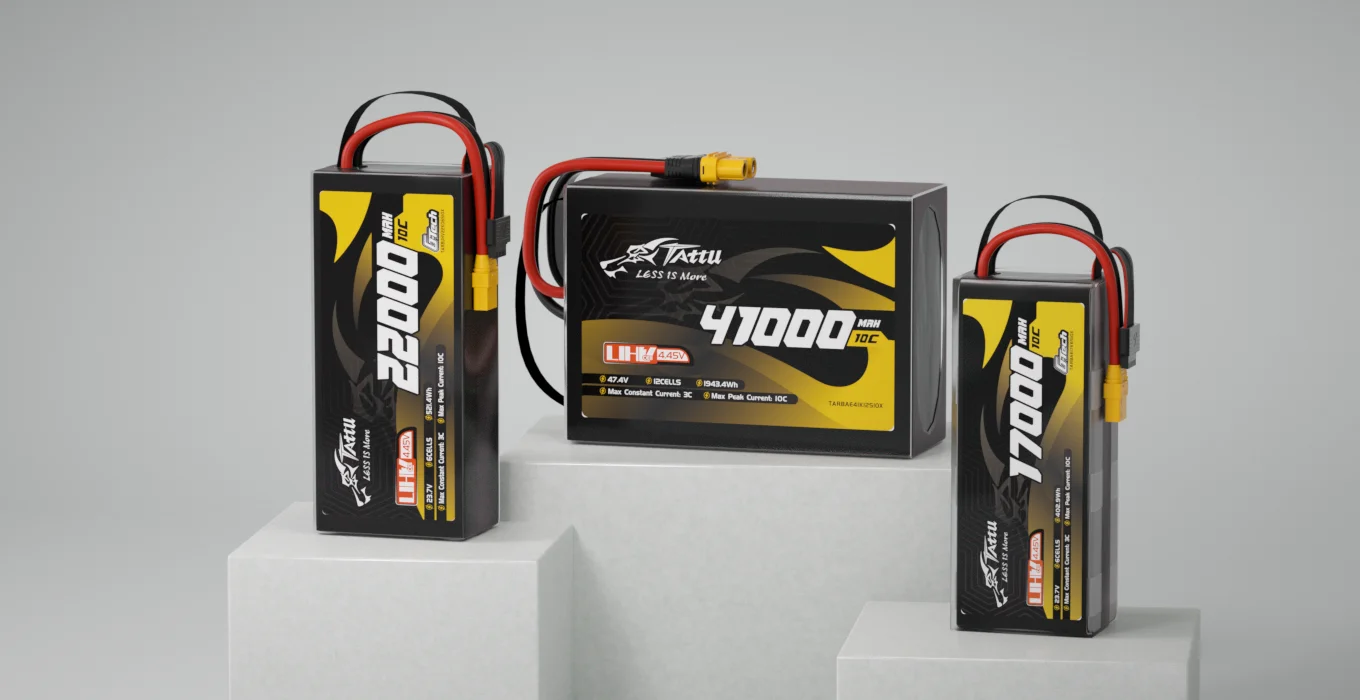
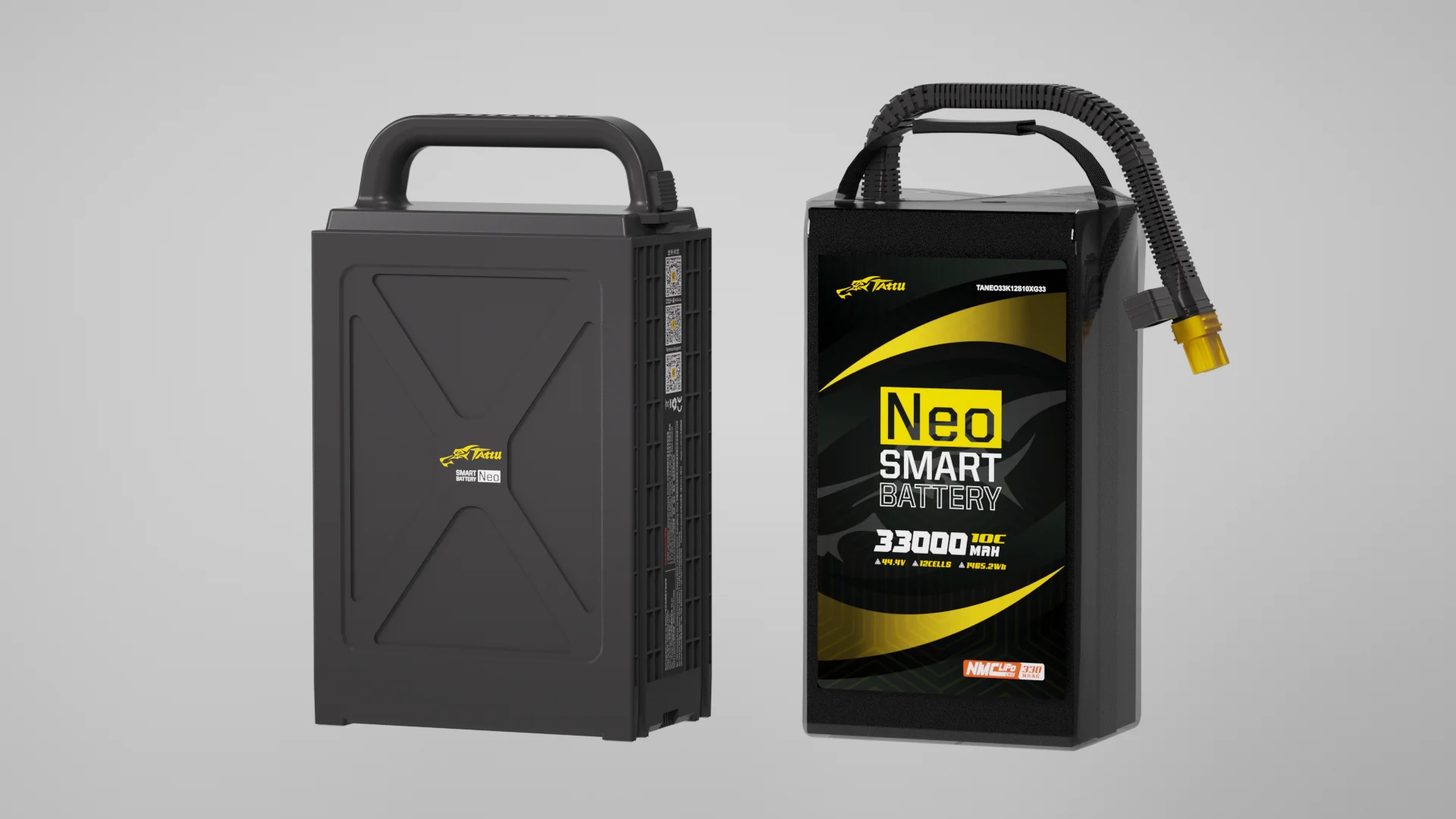
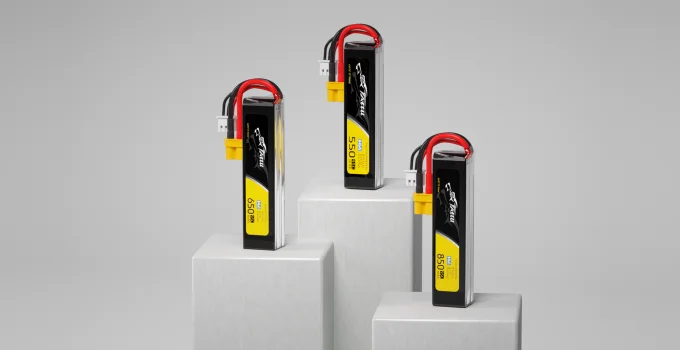
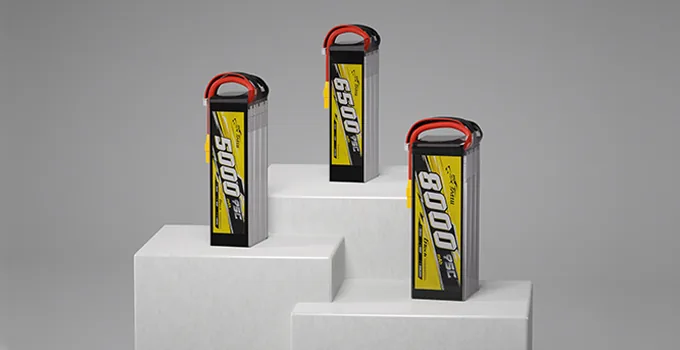
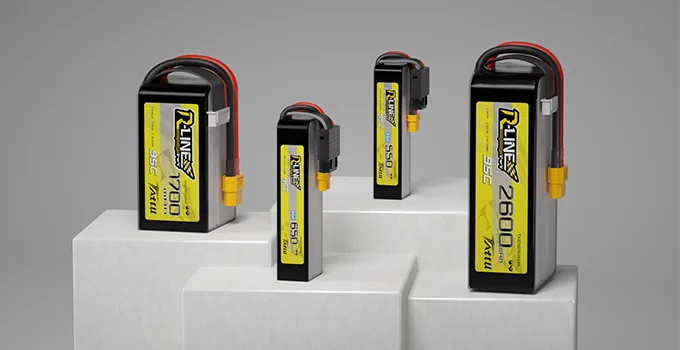
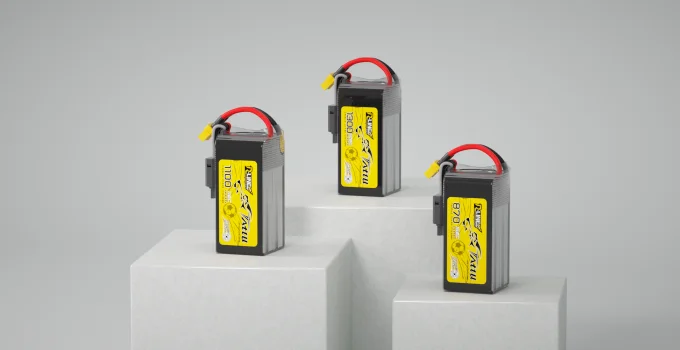
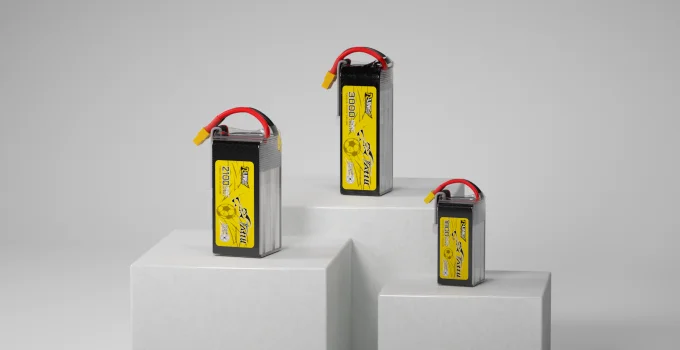
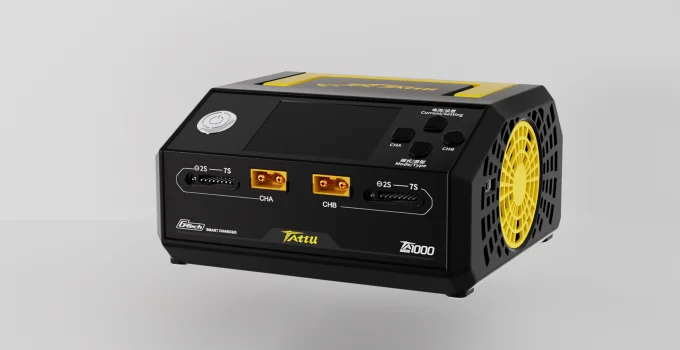
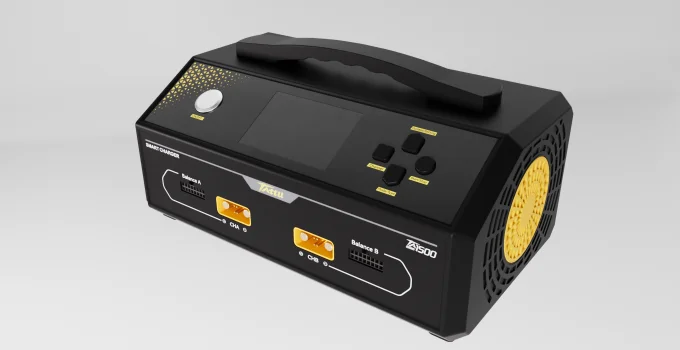
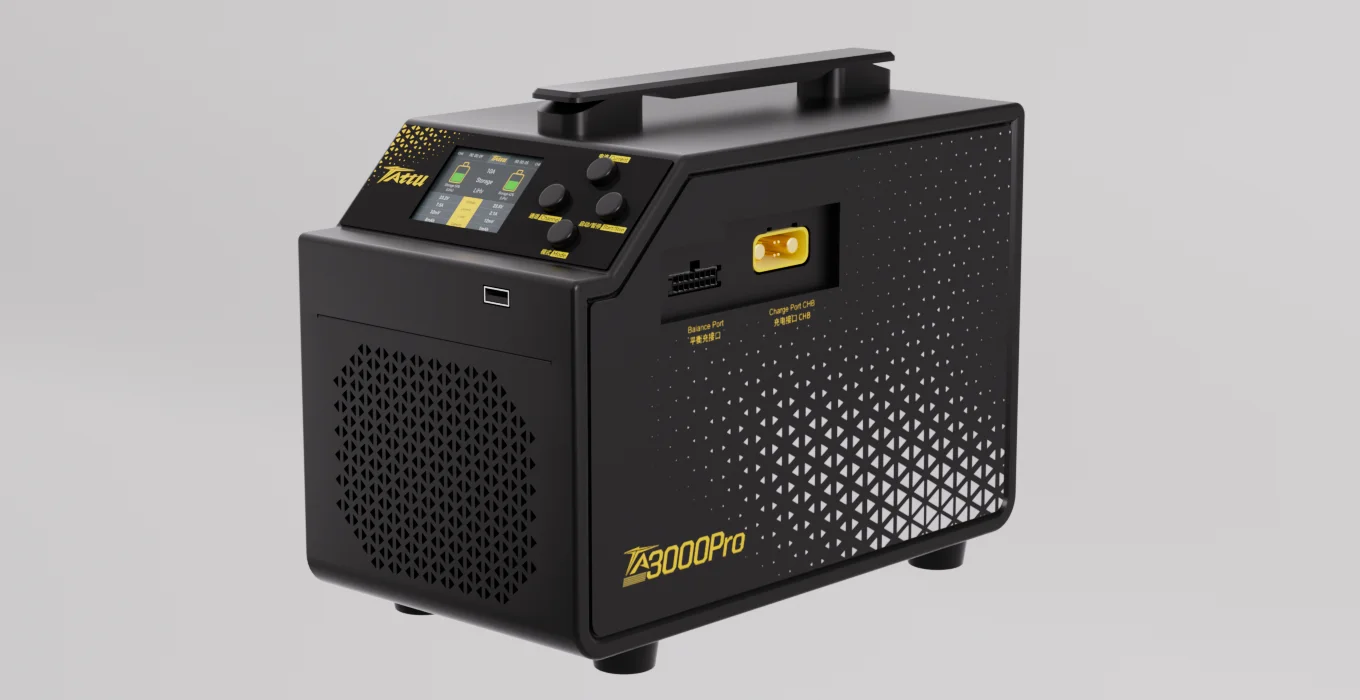
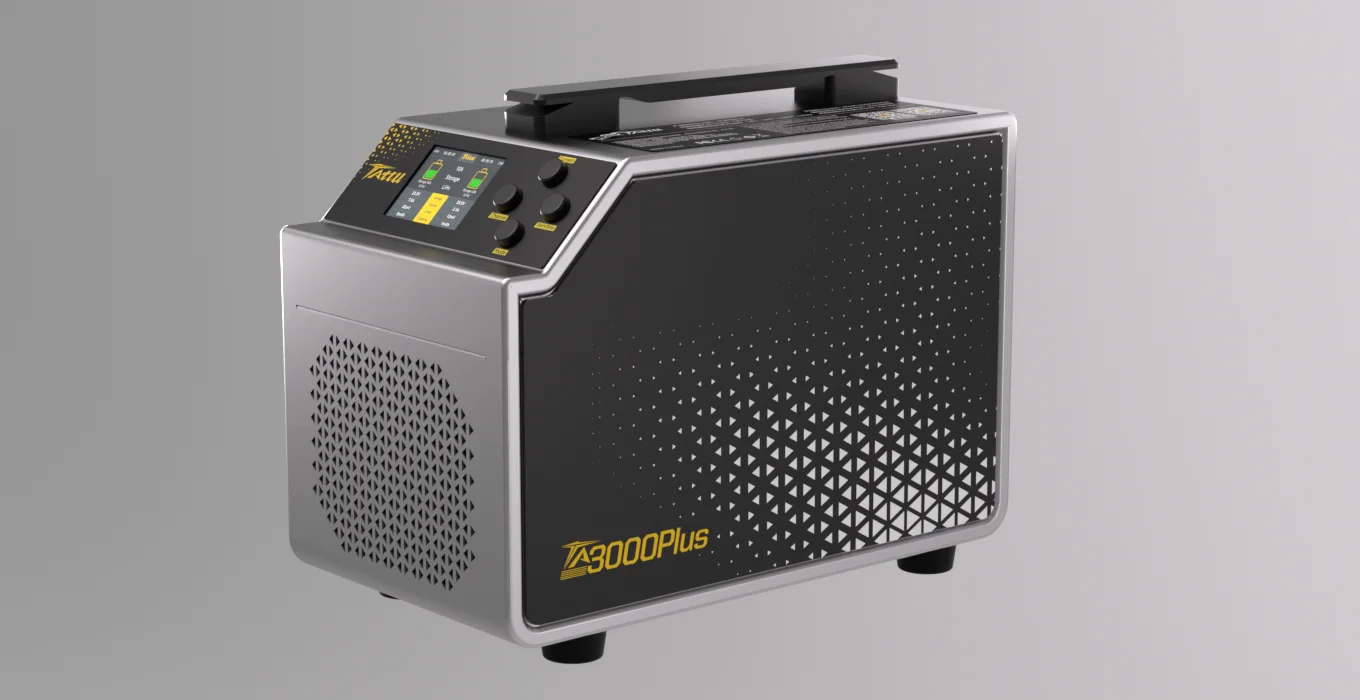
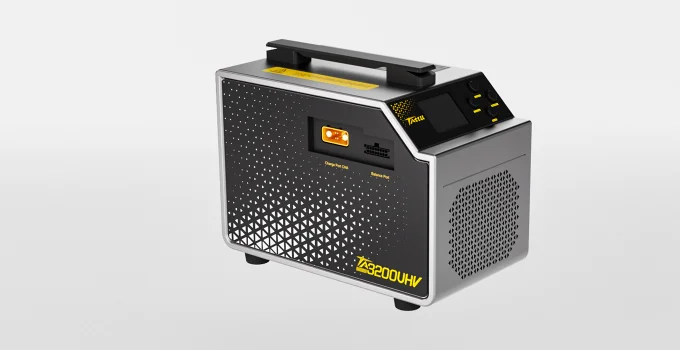
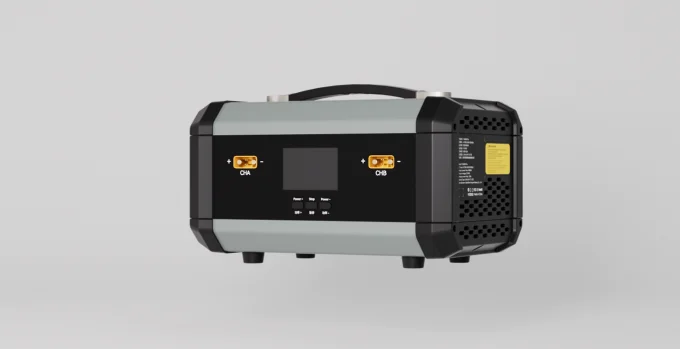
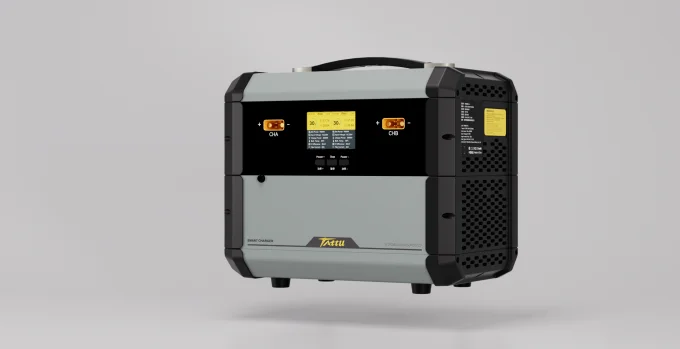
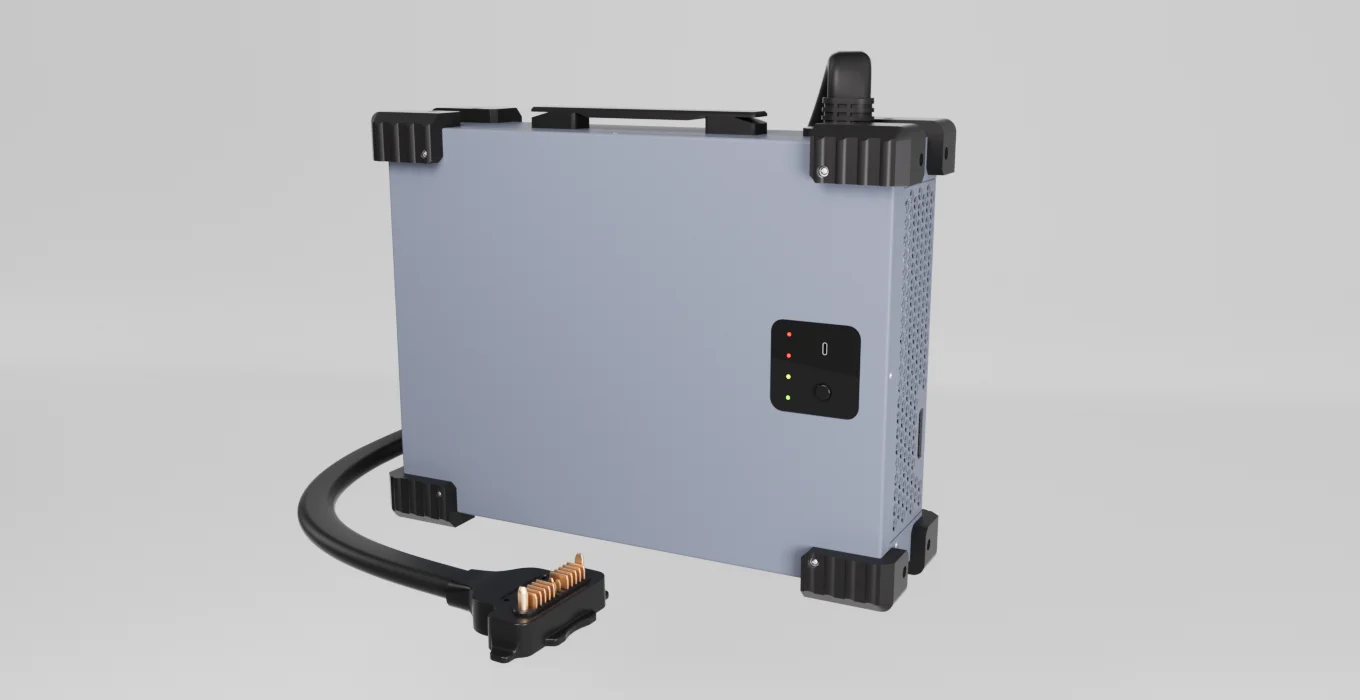
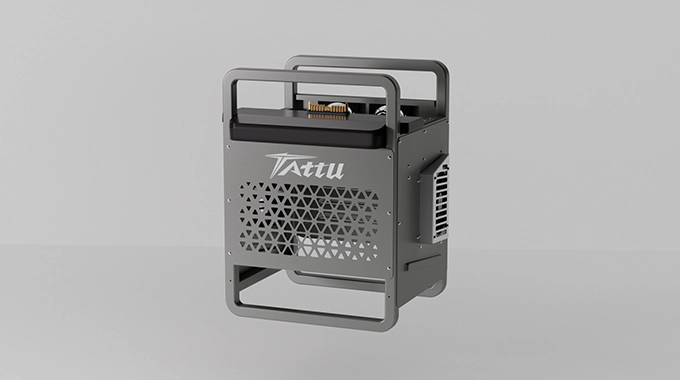
together decide how much work a drone can complete in a day. The Tattu Pro Max drone battery addresses each of these. Designed for 10–20 liter heavy-load agricultural
drones, it delivers 6C continuous discharge, charges in about nine minutes with
our matching charger, accepts charging at temperatures up to 75 °C, and is rated
for more than 1,000 cycles — with added sealing against moisture and pesticide
mist for long service life in humid, spray-exposed conditions.For more
information, please feel free to contact us at [email protected].





 Blog
 Blog
 Blog


