An FPV drone controller—often called a radio transmitter—is the handheld
device that lets you steer a First-Person View drone through the air. While
standard camera drones rely on GPS to hover in place, an FPV drone requires
constant, real-time input from your thumbs or fingers.Whether you are weaving
through trees in a park or diving down a mountain ridge, the controller is your
physical link to the aircraft.
For beginners, however, choosing an FPV controller can be confusing. There
are different radio protocols, frequency bands, operating modes, channel
configurations, and compatibility requirements. You may also encounter terms
such as radio transmitter, receiver, and flight controller, which are closely
related but serve different purposes.Here is a clear, practical guide to how
these controllers work, how they compare to gaming pads, and what matters when
choosing one.
What Is an FPV Drone Controller and How Does It Work?
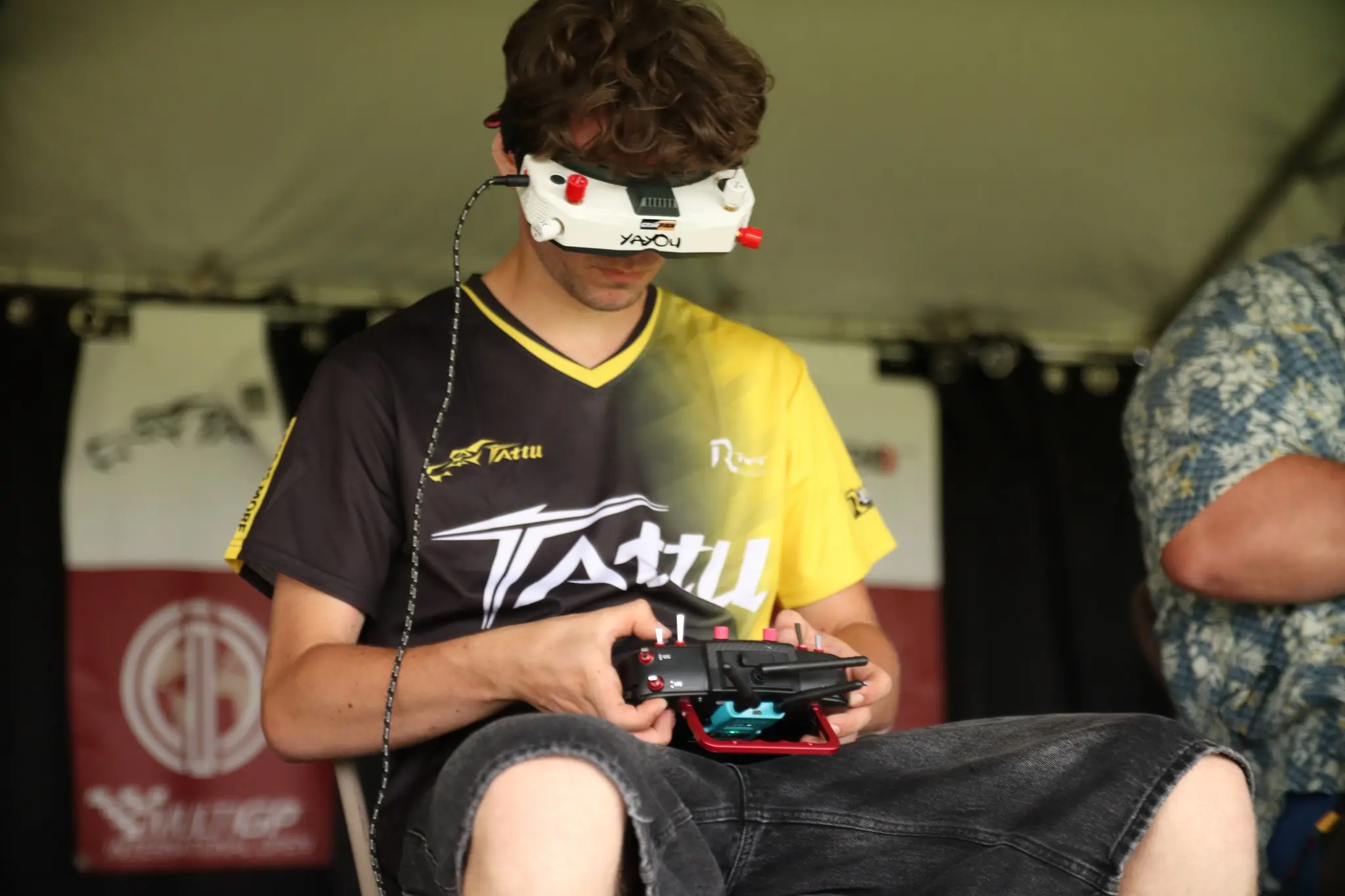
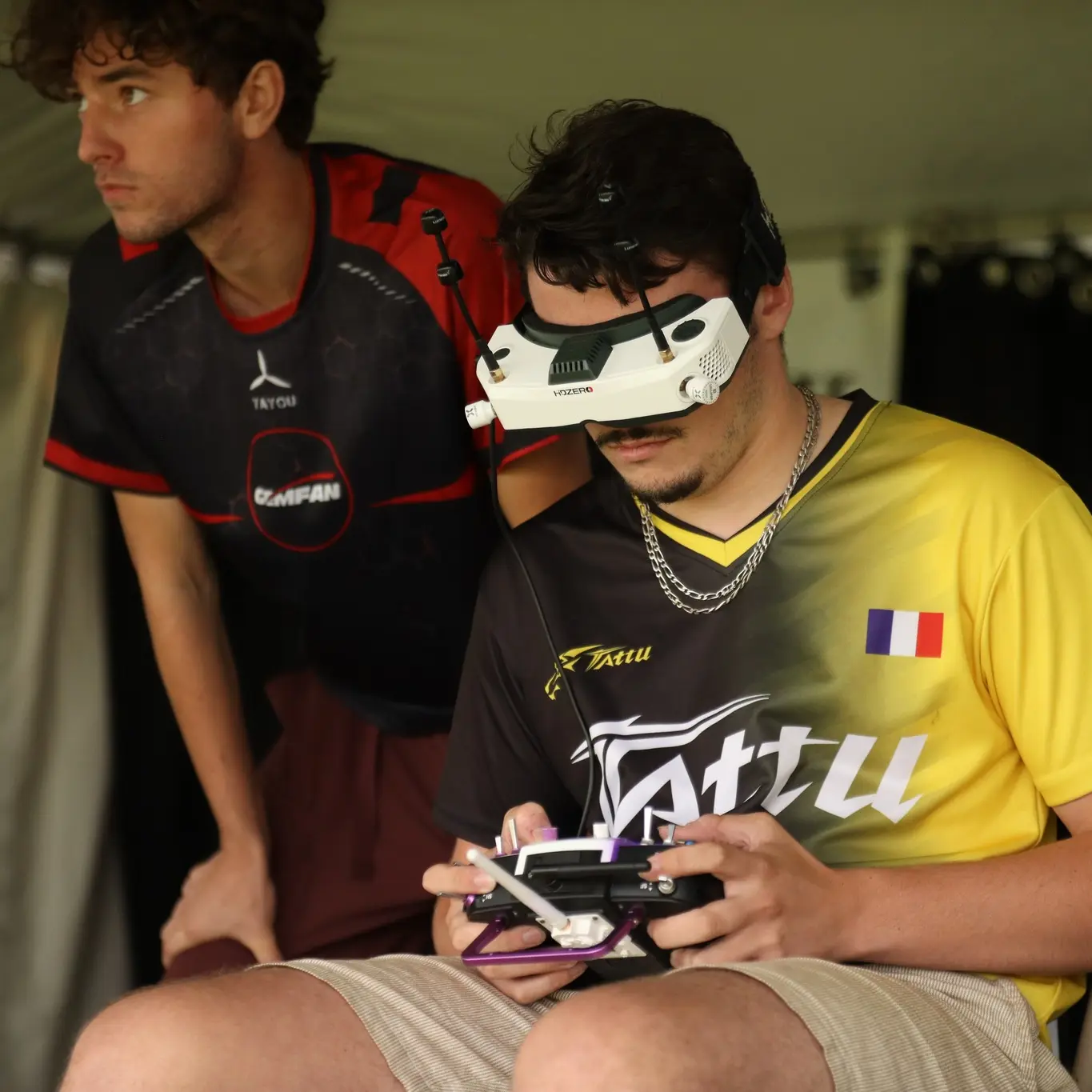
An FPV drone controller is the handheld device pilots use to control a
drone in real time. It sends commands such as throttle, roll, pitch, and yaw to
the drone through a radio signal. In FPV flying, the pilot usually wears goggles
that show a live video feed from the drone, so the controller becomes the main
link between the pilot’s hands and the drone’s movement.
A typical controller has two sticks, several switches, buttons, and
sometimes a small screen. The left stick usually controls throttle and yaw,
while the right stick controls pitch and roll. When the pilot moves a stick, the
controller converts that movement into a radio signal. The drone’s receiver
picks up the signal, and the flight controller inside the drone turns it into
motor commands.
An FPV control system typically involves three main components:
1. Radio Transmitter (TX): The handheld controller operated by the pilot.
It converts stick and switch movements into control data and transmits the data
through radio waves.
2. Radio Receiver (RX): Installed on the drone, it receives the radio
signals and passes the control data to the onboard flight controller.
3. Flight Controller (FC): The drone's onboard control board. It processes
pilot commands together with sensor data, such as information from the gyroscope
and accelerometer, and sends control signals to the ESCs to regulate motor
speed.
For example, when you ask a quadcopter to roll right, the flight controller
adjusts the motor outputs to produce that motion. It also uses sensor feedback
to correct the drone’s response. You are not manually setting the speed of each
motor with the sticks; the flight controller handles that fast, continuous
work.
What's the Difference Between a Radio Transmitter and a Flight
Controller?
New pilots often mix up these two terms because both have "controller" in
the name. In practice, they sit in completely different places and do opposite
jobs:
·Radio Transmitter (TX): This is the handheld controller you hold in your
hands. Its job is to read your stick inputs and transmit radio commands to the
drone.
·Flight Controller (FC): This is the small circuit board mounted inside
the center of the drone. It acts as the drone's brain. It reads data from
onboard gyroscopes and accelerometers thousands of times per second, compares
that data to the commands arriving from your radio receiver, and tells the
Electronic Speed Controllers (ESCs) how to adjust each motor to keep the drone
stable or execute a flip.
In short: the transmitter sends your wishes; the flight controller keeps
the drone from crashing while carrying them out.
Are All FPV Drone Controllers Compatible with All FPV Drones?
No. Not all FPV controllers are compatible with all FPV drones.Unlike some
consumer drones that use manufacturer-specific controllers, many FPV drones use
separate transmitters and receivers. This makes it possible to combine equipment
from different manufacturers, but the communication systems must be compatible.
There are three main things to check.
1. Radio protocol compatibility
The transmitter and receiver must use the same radio communication
protocol. For example:
·An ExpressLRS (ELRS) transmitter needs an ELRS receiver.
·A TBS Crossfire transmitter needs a Crossfire receiver.
·A FrSky transmitter needs a compatible FrSky receiver.
An ELRS transmitter cannot directly communicate with a Crossfire receiver,
even though both systems can communicate with a flight controller using the CRSF
serial protocol.
2. Frequency compatibility
The transmitter and receiver must also operate on the same frequency band.
For example, a 2.4GHz ELRS transmitter cannot bind directly to a 900MHz ELRS
receiver. Both devices must use compatible frequency hardware and regional
configurations.
3. Flight controller compatibility
The receiver must also be connected to the flight controller using a
communication method that the board supports. Modern FPV flight controllers
commonly support serial receiver protocols such as CRSF and SBUS. For example,
Betaflight uses CRSF for both ELRS and Crossfire receivers connected through a
UART interface. However, the receiver configuration must match the actual
hardware and protocol.
What Is the Difference Between ExpressLRS and TBS Crossfire?
ExpressLRS (ELRS) and TBS Crossfire are two popular radio control systems
used in FPV drones, particularly for racing, freestyle, and long-range
flying.Both are designed to provide reliable wireless control, but they differ
in their technology, hardware ecosystem, and operating characteristics.
ExpressLRS is an open-source protocol known for low latency, high packet
rates, and a large selection of affordable hardware. It has become very popular
for racing, freestyle, and general FPV flying because it delivers fast response
times at a reasonable price.
TBS Crossfire is a mature protocol known for strong range, stable links,
and well-developed telemetry. It is widely used by long-range and cinematic
pilots who want a proven system with broad ecosystem support.
| Comparison | ExpressLRS (ELRS) | TBS Crossfire |
|---|
| Technology | Open-source | TBS-developed system |
| Main frequency options | 2.4 GHz and 900 MHz-class hardware | 868/915 MHz hardware |
| Update-rate options | Multiple modes, including up to 1,000 Hz on supported hardware | Common operating modes include 150 Hz and 50 Hz |
| Typical Latency | ~3–5 ms (at 500 Hz) | ~7–9 ms (at 150 Hz) |
| Main advantage | Flexibility, high packet rates, and hardware choice | Established long-range radio link and telemetry system |
What Is the Difference Between Mode 1 and Mode 2 on an FPV Controller?
"Mode" refers to which physical stick controls which movement axis on the
drone.
·Mode 2 (The Global Standard): Over 90% of FPV pilots fly Mode 2. The left
stick controls Throttle (up/down) and Yaw (spinning left/right). The right stick
controls Pitch (tilting forward/backward) and Roll (tilting left/right). This
feels intuitive to gamers because the right thumb aims where the nose points,
similar to looking around in a first-person video game.
·Mode 1: Common among traditional line-of-sight RC airplane pilots in
parts of Europe and Japan. Here, Throttle is on the right stick (up/down)
alongside Roll (left/right), while Pitch and Yaw are on the left stick.
Most modern FPV controllers allow you to switch between Mode 1 and Mode 2
in the software menu and adjust a screw on the back to move the stick-centering
spring.
How Far Can an FPV Drone Controller Transmit Signals?
There is no single reliable range figure for every FPV controller. Range
belongs to the complete radio link: transmitter, receiver, antennas, settings,
and the environment.
Published figures show what systems can achieve under particular
conditions, not what every pilot should expect. TBS advertises the Crossfire
Micro TX V2 for long-range use up to 40 km. ExpressLRS reports that flights
beyond 100 km have been achieved with 2.4 GHz hardware. However, this is an
example of achievable performance under specific conditions, not a guaranteed
operating range for every pilot or drone. Actual range can be significantly
shorter.
Several factors change the result:
·Frequency and antenna setup affect how the signal travels and how well
the receiver picks it up.
·Obstacles and interference can weaken an otherwise strong link.
·Transmit power and packet-rate settings change the available link
margin.
·Faster update modes can trade some range capability for lower delay.
How Many Channels Does an FPV Controller Need?
Most FPV drones need at least five channels: throttle, yaw, pitch, roll,
and one switch channel for arming or changing flight modes. In practice, a
six-channel controller is more comfortable because it gives room for an extra
function such as a beeper, turtle mode, or flight mode selection.
More advanced drones may use additional channels for camera control,
servos, lights, or auxiliary switches. For a basic FPV quad, six channels are
enough for most pilots.
Can I Use My Controller on a Flight Simulator?
Yes. Many FPV controllers can connect to a computer through USB and work
with flight simulators. This is one of the best ways to learn, because
simulators let you practice throttle control, turns, and recovery without
breaking a real drone.
Most modern radios appear as a game controller or HID device when connected
by USB. Simulators such as Liftoff, Velocidrone, Uncrashed, and DRL Simulator
support many common transmitters. Some controllers may require a specific cable,
firmware update, or simulator setting, so it is worth checking the
manufacturer’s instructions. Practicing in a simulator before flying outdoors
can save money and build confidence quickly.
What's the Difference Between an FPV Controller and an Xbox Controller?
An FPV controller and an Xbox controller may look similar, but they are
built for different tasks.
An FPV controller is designed to send precise radio commands to a drone. It
usually has high-resolution gimbals, dedicated switches, and low-latency radio
protocols. Throttle control is especially important, because FPV flying requires
smooth and accurate power adjustments.
An Xbox controller is designed for video games. It can sometimes be used in
a simulator, but it does not natively communicate with an FPV drone. The stick
feel, throttle behavior, and button layout are also quite different from a real
FPV radio.
If you only want to try a simulator casually, a game controller can work.
If you want to learn real FPV flying, a dedicated radio transmitter gives better
control, more realistic handling, and a much smoother learning experience.
Conclusion
An FPV drone controller is much more than a handheld remote. It is the
pilot's primary interface with the aircraft, responsible for sending precise
commands through a radio link. When choosing an FPV controller, it is important
to consider more than its appearance or price. Radio protocol, receiver
compatibility, frequency band, channel support, stick configuration, and
simulator compatibility all influence the overall flying experience.
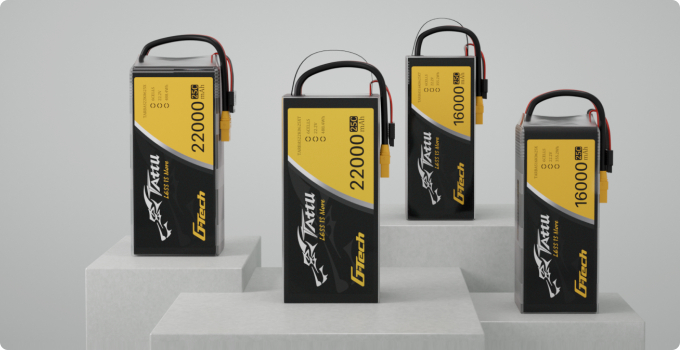
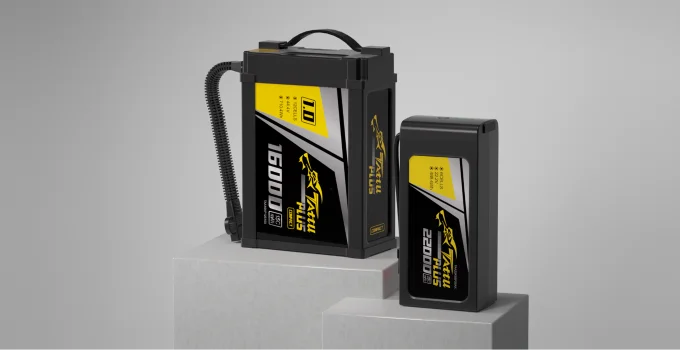
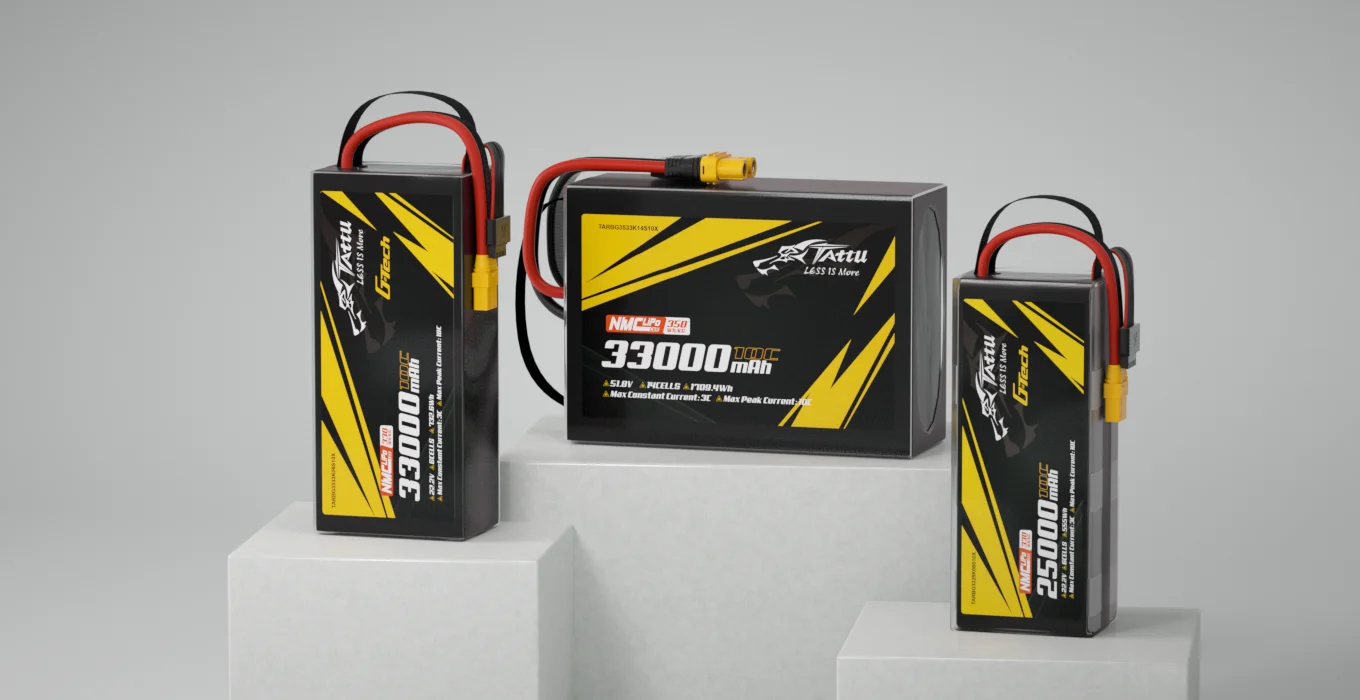
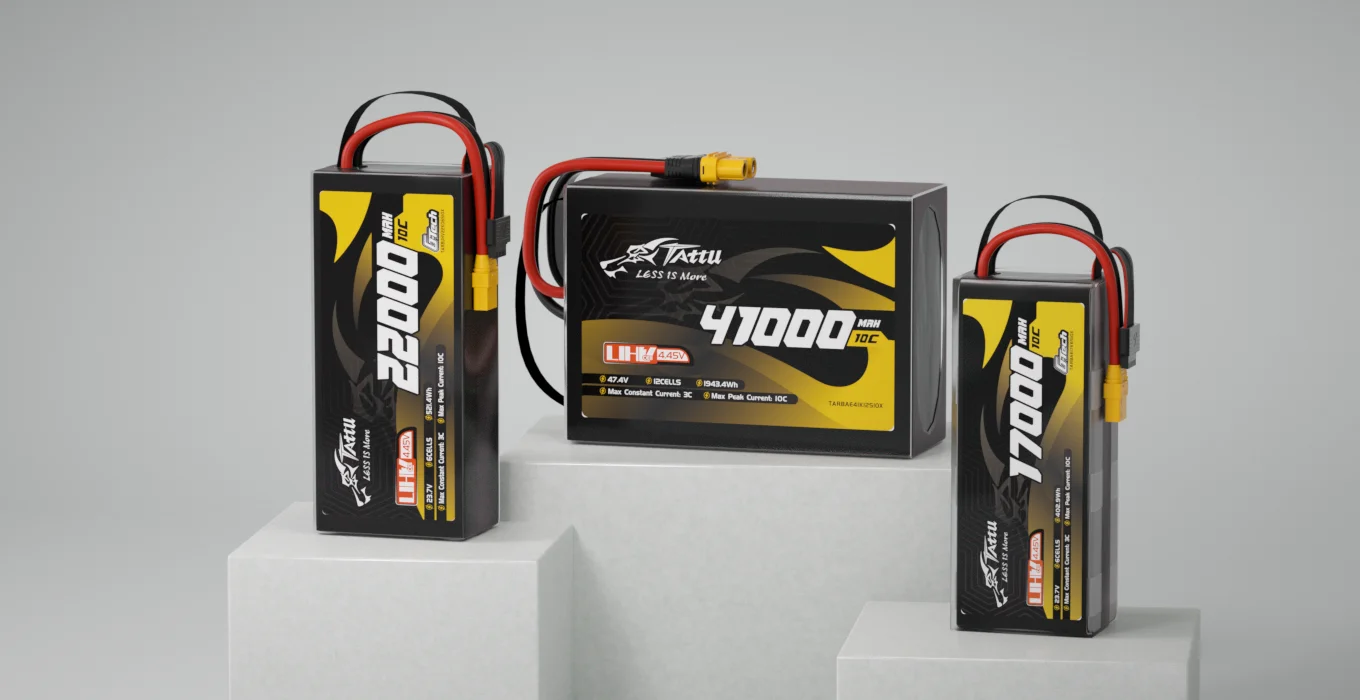
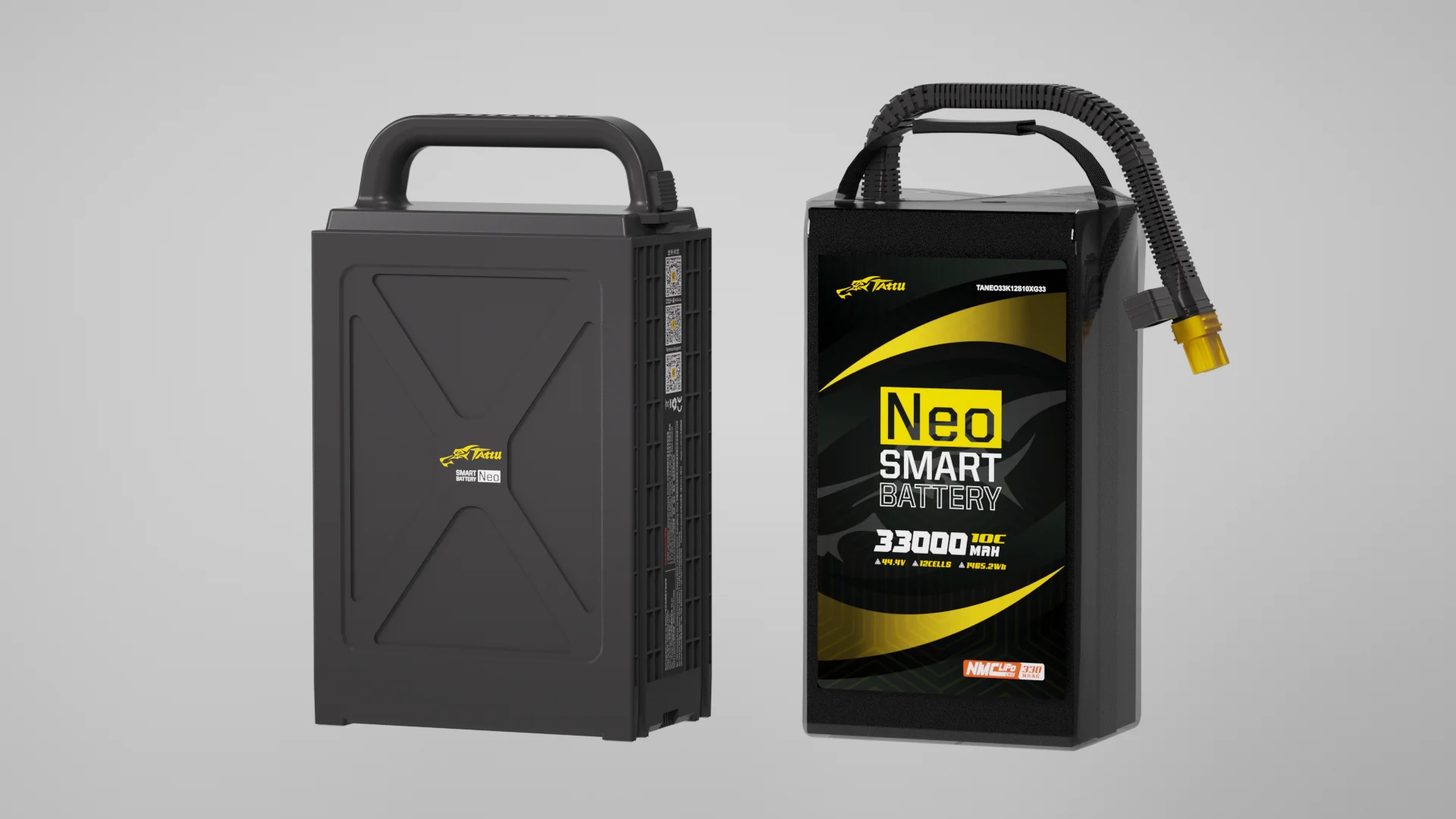
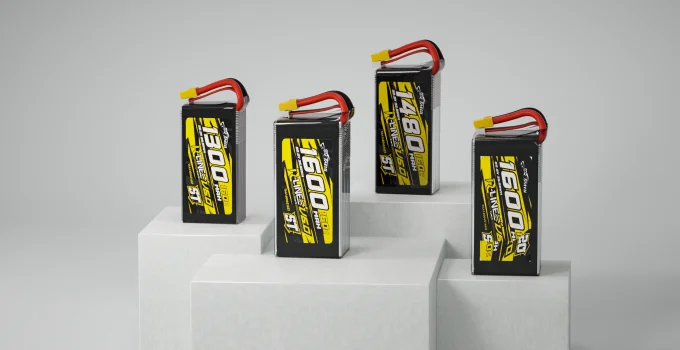
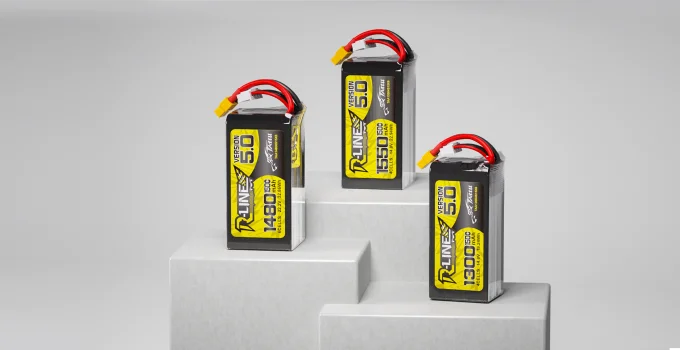
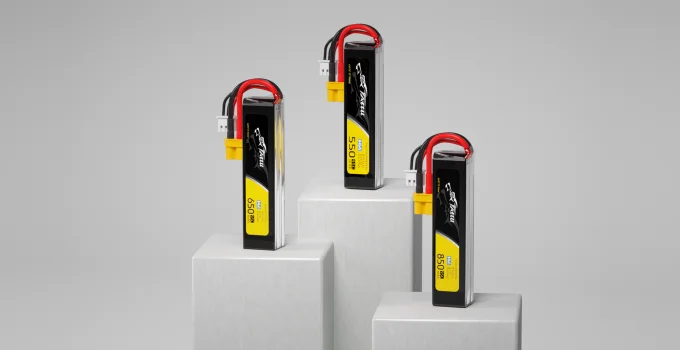
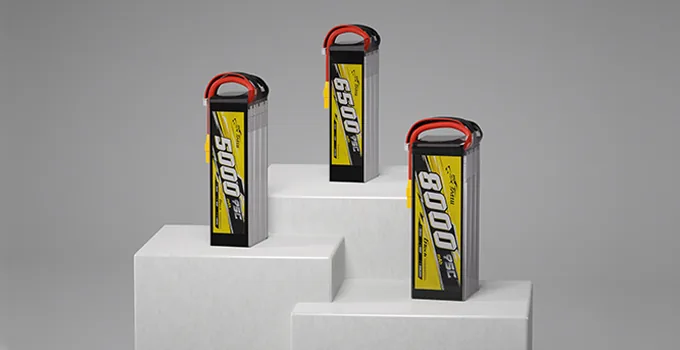
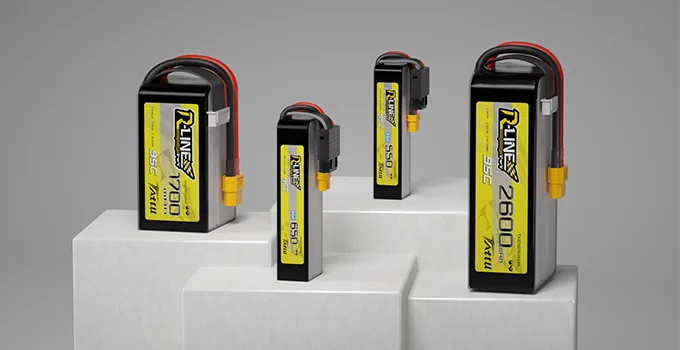
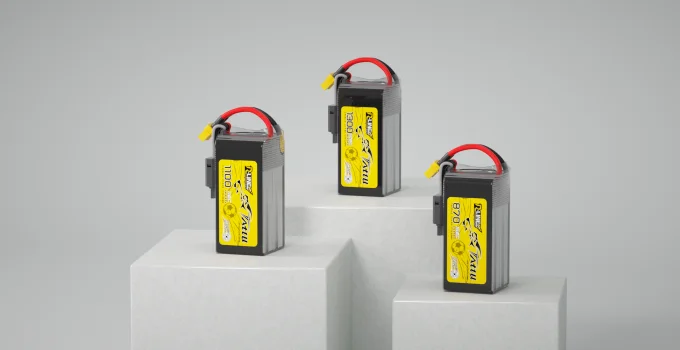
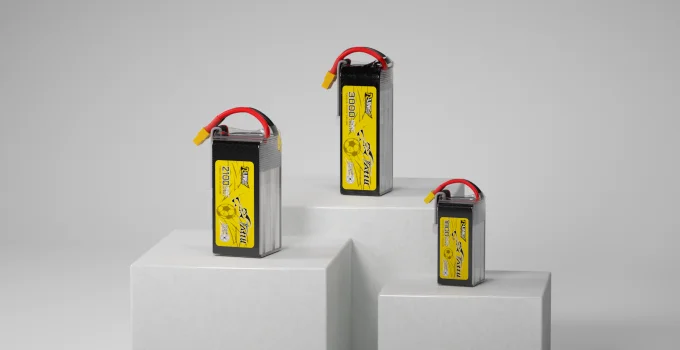
As a leading global FPV battery manufacturer, Tattu offers a
comprehensive range of batteries for diverse FPV applications, from Tiny Whoops
and freestyle drones to racing drones, cinelifters, and long-range FPV aircraft.
Whatever your FPV flying style or application, you can find a Tattu FPV battery designed to meet your power and performance requirements. For product
recommendations or any further questions, contact us at [email protected].





 Blog
 Blog
 Blog


