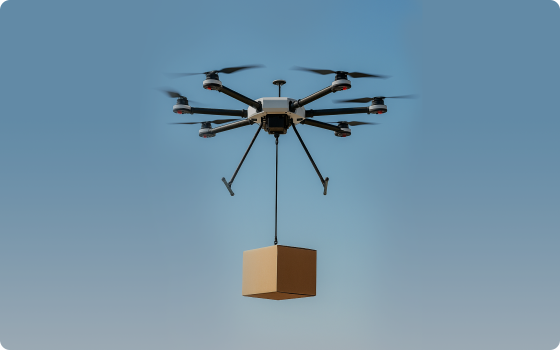
Cargo drones are changing how goods are transported, from local package
delivery to long-distance medical supply and heavy-lift logistics. However,
different cargo missions place very different demands on a drone's power system.
The best battery for a cargo drone is the one that fits its daily work—not
simply the pack with the highest capacity. A drone delivering a 5 kg parcel
across town has different needs from a fixed-wing aircraft carrying medical
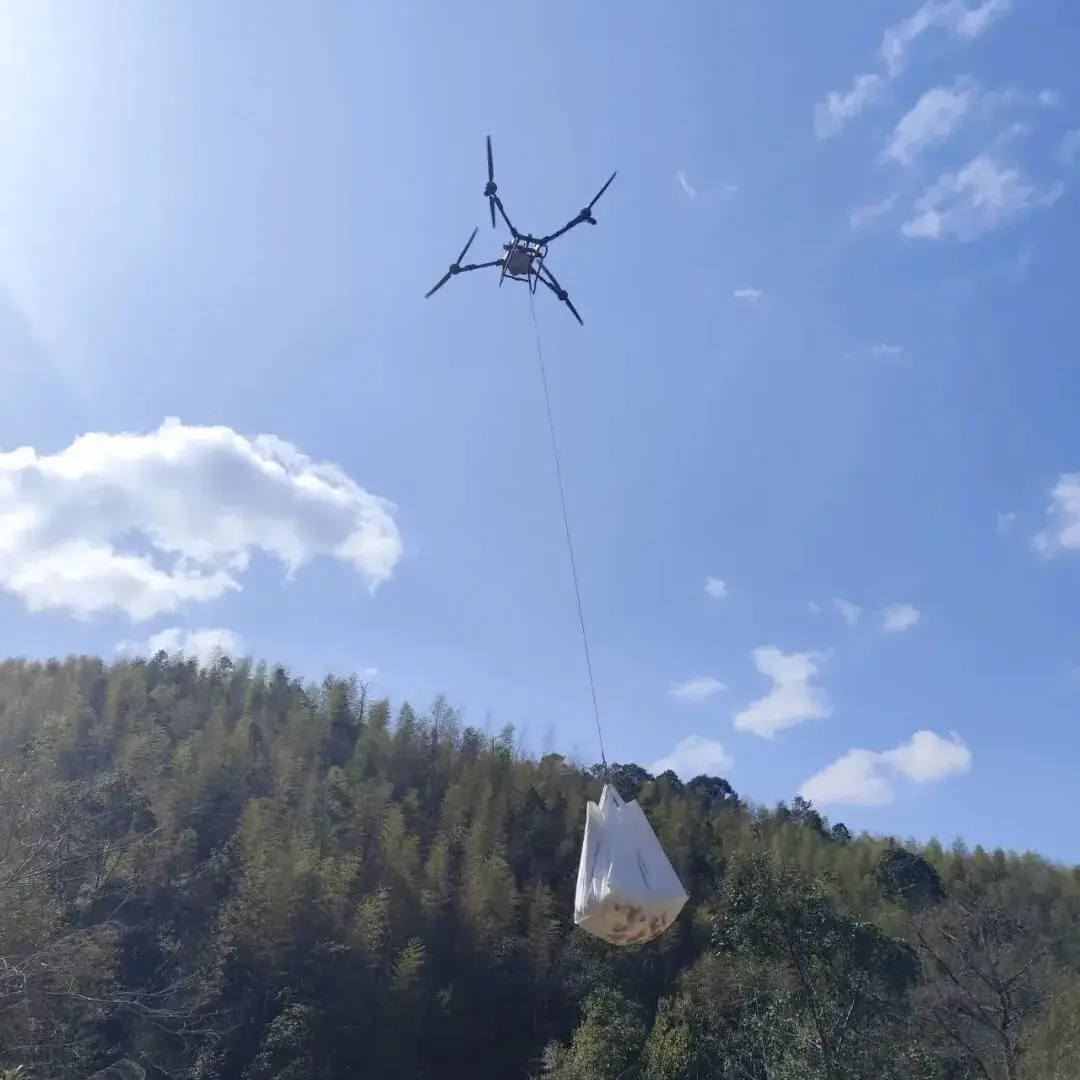
supplies between regional hubs. A heavy-lift drone moving equipment into the
mountains needs a different approach again.
Start with the mission: how much cargo the drone carries, how it flies,
where it lands, and how often it must return to service. Then compare batteries
by usable energy, power output, weight, and charging needs. This guide covers
three common applications and the Tattu battery ranges worth considering for
each. Product recommendations are starting points for aircraft integration, not
claims of universal compatibility. The real-world delivery examples explain
operating needs; they do not imply that those operators use the recommended
batteries.
1. Start with the Delivery Mission, Not Just Battery Capacity
Before choosing a battery, it is important to understand what the drone
needs to do during a complete flight. The payload weight and flight distance are
two important factors, but they are not enough to determine battery
requirements. A drone also needs energy for takeoff, climbing, hovering,
cruising, landing, and returning to its starting point. Wind, temperature,
flight altitude, and route changes can further increase energy consumption.
For example, a drone carrying a 5 kg package on a short urban delivery
route may spend a large part of its flight hovering or adjusting its position.
Another drone carrying the same package over a longer distance may spend most of
its flight cruising in forward flight. Their battery requirements can be very
different. Battery capacity should therefore be calculated around the full
mission profile, including the required energy reserve. A useful starting point
is: Battery Energy (Wh) = Nominal Voltage (V) × Capacity (Ah).
For example, a 30Ah battery at 90V stores approximately 2,700Wh, while a
30Ah battery at 45V stores only 1,350Wh. This is why battery capacity should not
be evaluated by mAh alone.
The next step is to estimate the energy required by the aircraft. A basic
estimate is: Required Energy (Wh) ≈ Average Power Consumption (W) × Flight Time
(h). The actual battery selection must also account for the planned usable
energy, safety reserve, operating conditions, and battery aging. Flight logs
from the target aircraft are much more useful than relying on theoretical
estimates alone.
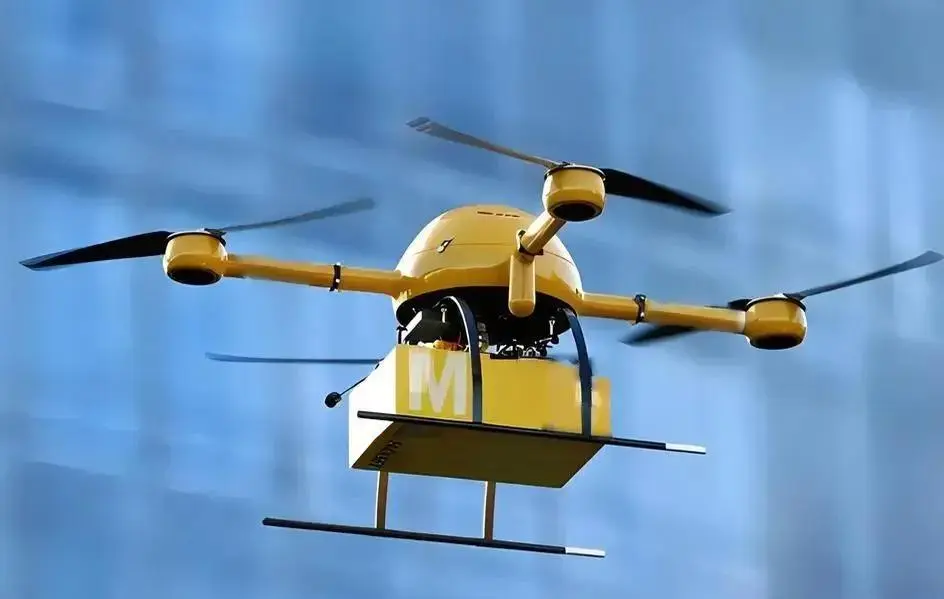
2.Last-Mile Delivery with Multirotor Drones Around 5 kg
Most last-mile delivery happens with multirotor platforms carrying packages
of roughly 5 kg or less. These drones take off and land vertically in tight
urban spaces, hover while dropping packages, and make many short flights every
day. The battery therefore needs strong burst power for takeoff and hover, a
good power-to-weight ratio so the drone can still carry useful payload, and
enough cycle life to handle frequent charging.
In practice, operators look for packs that keep voltage stable under high
current so the motors do not lose power when the drone is fully loaded. They
also prefer batteries that fit standard frames and connectors so maintenance
stays simple. Cycle life matters because a delivery fleet may charge the same
packs several times a day.
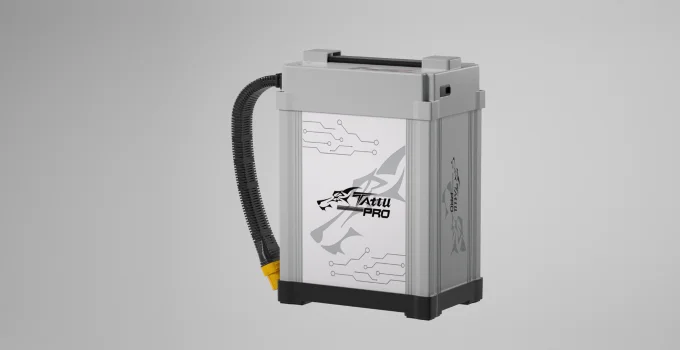
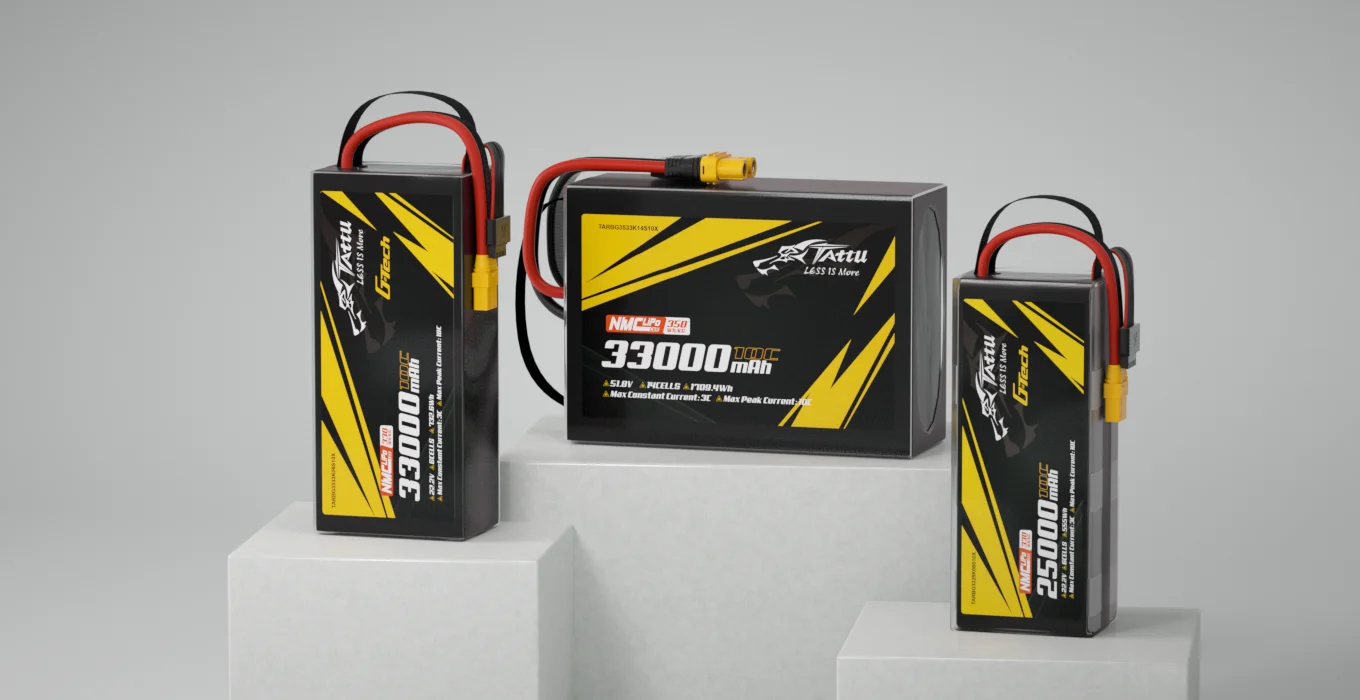
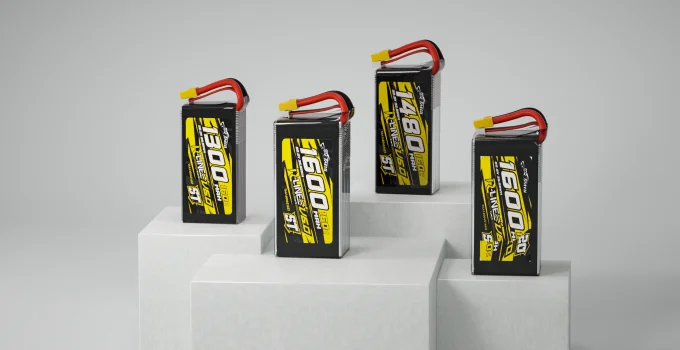
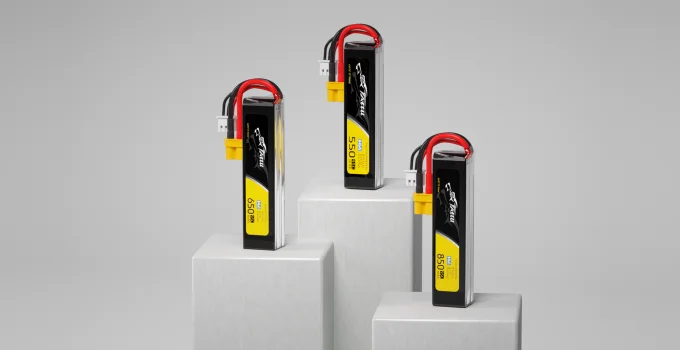
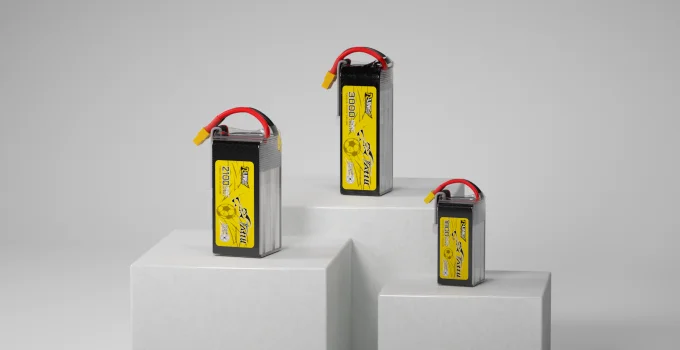
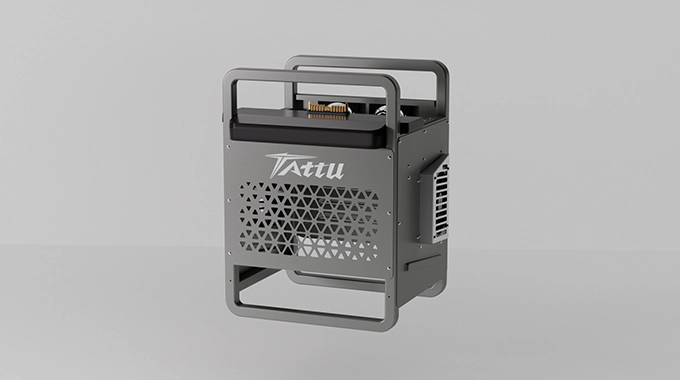
Tattu's Classic series uav battery is a practical match for this work. These pouch-cell
LiPo packs come in a wide range of capacities and cell counts, with both
standard and high-voltage versions. Many models offer continuous discharge rates
in the 25–30C range, which gives clean power during the high-load phases of a
delivery flight. The flexible form factor helps when space inside the airframe
is limited. For regional or autonomous delivery routes that stay under about
15–20 km, a well-matched Classic pack usually delivers the right balance of
power, weight, and reliability without over-specifying the system.
3. Middle-Mile and Long-Range Logistics with Fixed-Wing or VTOL
Platforms
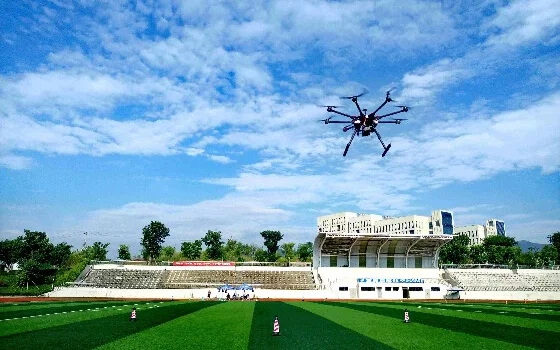
When the job moves beyond the last mile—medical supply runs, remote-area
cargo, or emergency deliveries—the priority shifts from raw power to energy
density and endurance. Fixed-wing and VTOL aircraft spend most of their time in
efficient cruise flight. Here every extra watt-hour per kilogram translates
directly into more range or more payload.
Operators in these missions often need 60 minutes or more of flight time
and ranges that can exceed 80 km. The battery must stay light while storing as
much energy as possible. High energy density becomes the main selection
criterion, followed by stable performance across temperature changes and a
reasonable cycle life so the packs remain economical over time.
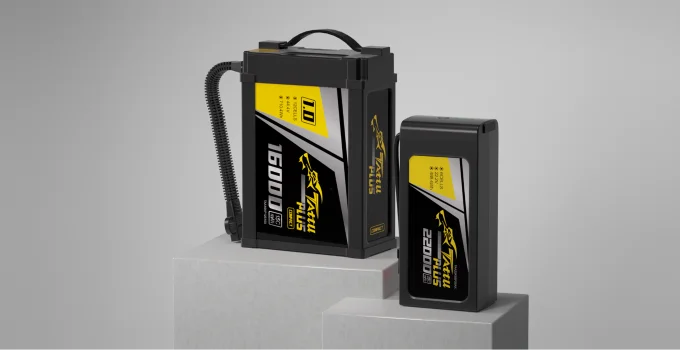
For pure fixed-wing platforms, Tattu's semi-solid-state batteries are a
strong choice. These packs reach energy densities of 380–500Wh/kg, which is a
clear step above conventional LiPo. Real-world results show VTOL logistics
drones carrying a few kilograms of payload covering 80–100 km on a single
charge. The chemistry also supports safe discharge to lower voltages, giving
operators more usable capacity.VTOL drones have slightly different
requirements.
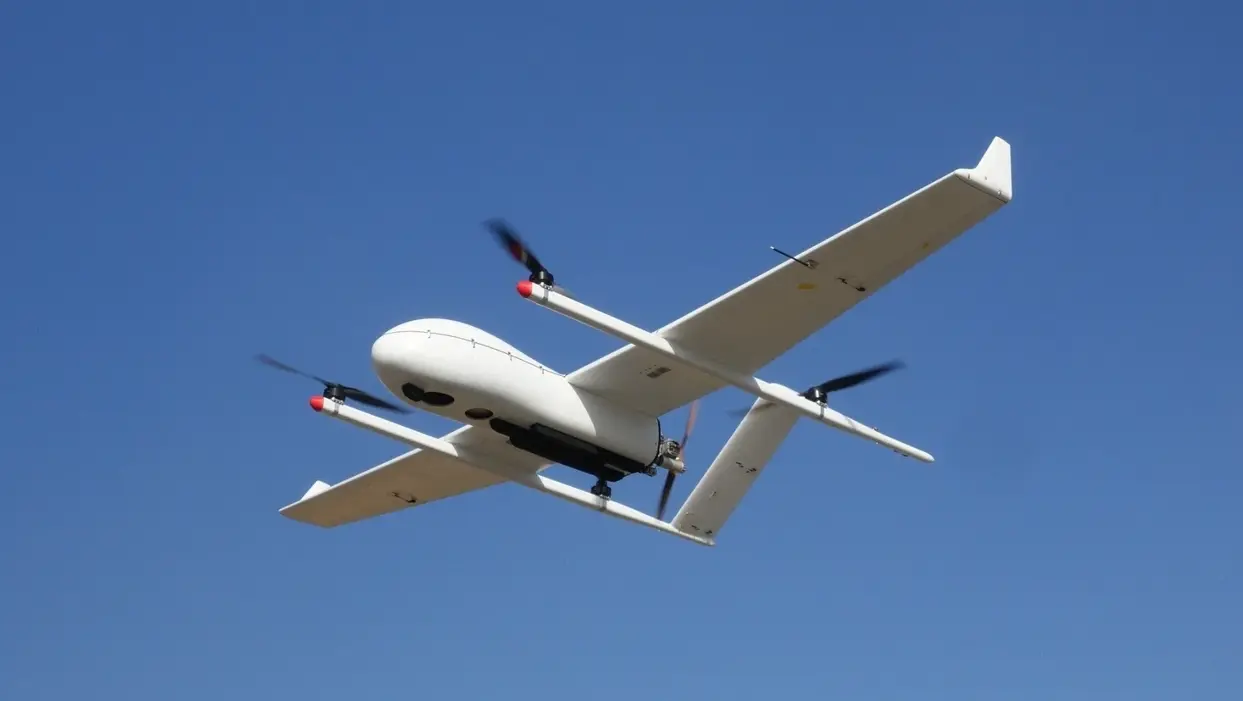
They combine vertical takeoff and landing with forward flight, allowing
them to operate without a runway while still benefiting from more efficient
wing-based flight during the cruise stage. However, vertical takeoff and landing
require considerable power. The battery must support high power demand during
these stages while storing enough energy for the longer forward flight.
For these platforms, both energy density and discharge capability are
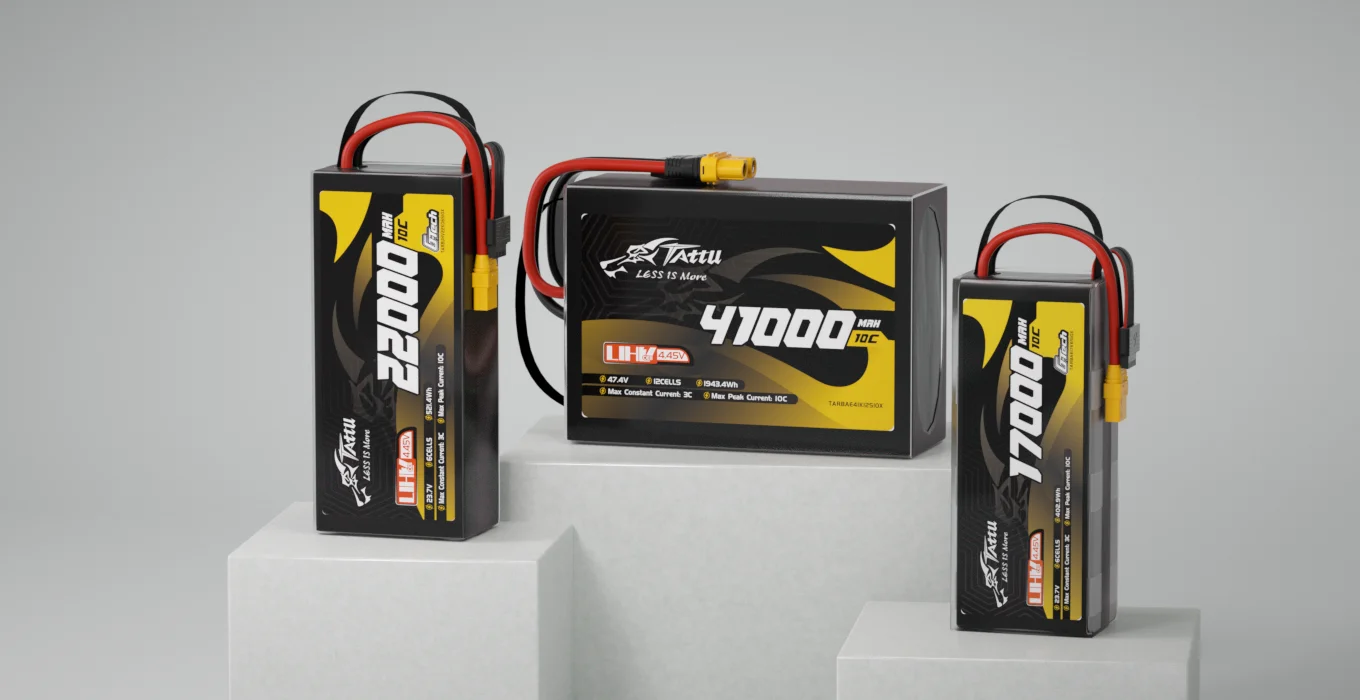
important. Tattu's Ultra High Voltage Drone Battery Series is another option for
this type of application. By increasing the cell operating voltage to 4.45V, UHV
batteries can provide more energy within a given battery weight.
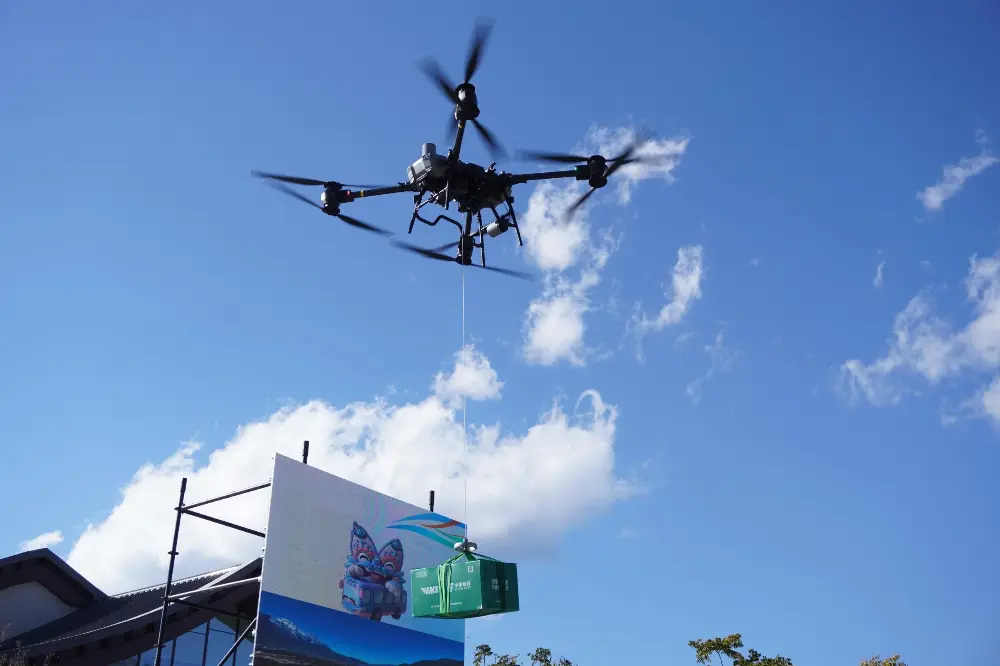
4. Heavy-Lift Cargo Drones in the 80–400 kg Class
Heavy-lift platforms that move 80 kg to several hundred kilograms of cargo
place very different demands on the battery. Takeoff and climb require high
continuous current. The battery itself becomes a significant part of the total
weight, so energy density still matters, but absolute capacity and high-voltage
architecture become more important. Smart battery management is almost essential
because these systems are expensive and must protect themselves under heavy
loads.
Typical solutions use 18S or 24S configurations so the motors can run at
higher voltage and lower current, reducing heat and improving efficiency.
Capacities in the 30–60 Ah range are common so that flight times stay useful
even with large payloads. Operators also look for robust enclosures, good
thermal management, and communication protocols that let the flight controller
monitor the pack in real time.
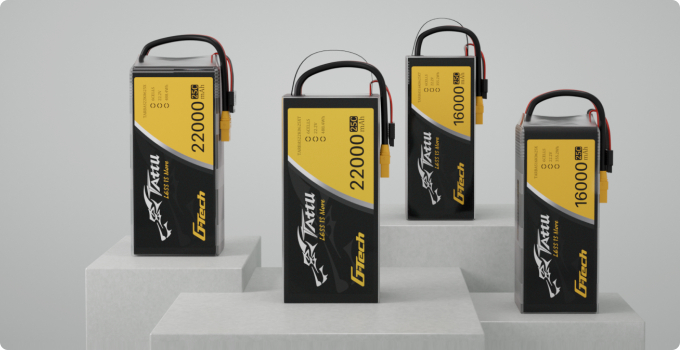
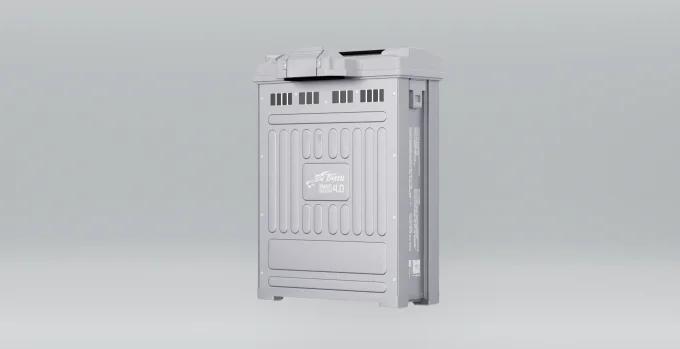
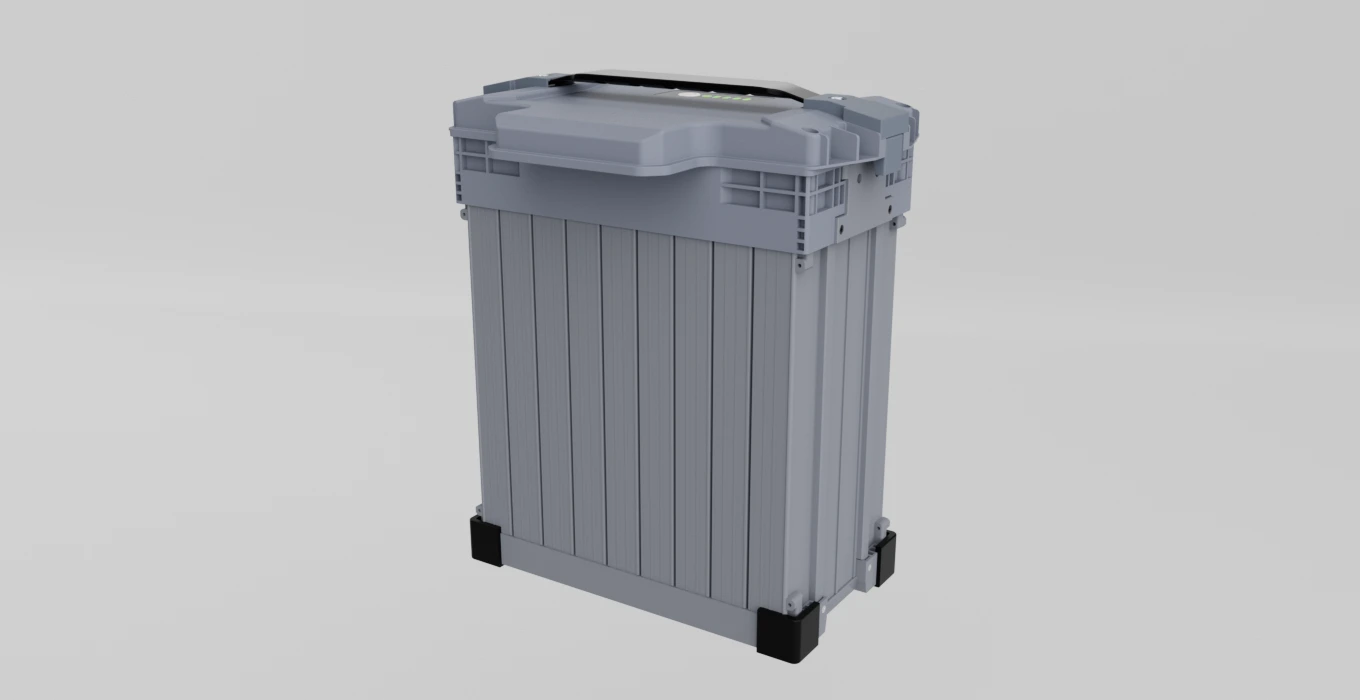
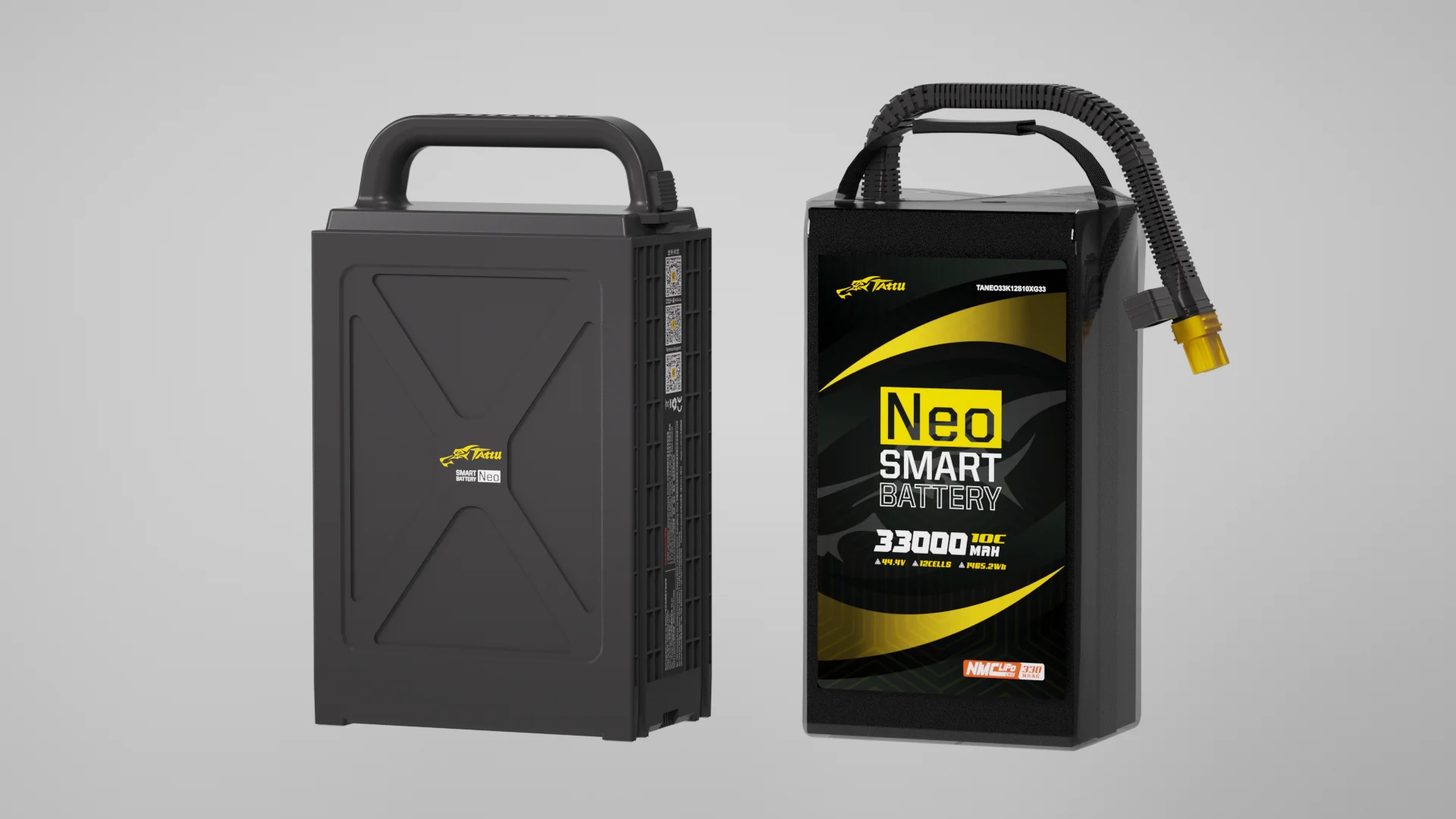
Tattu's NEO series is built for exactly this
class of work. Four models cover most heavy-lift needs:
·The 41 000 mAh 18S2P 68.4 V pack delivers about 2800 Wh with 180 A
continuous discharge and smart BMS features including DroneCAN support. It is
well suited to logistics platforms that need both power and moderate
endurance.
·The 60 000 mAh 18S2P 66.6 V version trades some discharge rate for higher
total energy (nearly 4000 Wh), making it better for longer missions where
average current stays moderate.
·The 30 000 mAh 24S1P 91.2 V HV pack offers high voltage and strong
continuous discharge for platforms that prioritize power density.
·The 60 000 mAh 24S1P 88.8 V model focuses on extended endurance at high
voltage.
These packs use aluminum cases for heat dissipation, support fast charging,
and include parallel connection options so operators can scale capacity as
needed.
5. Five Key Factors to Check Before Choosing a Cargo Drone Battery
Understanding the application helps narrow down the right battery type.
However, before selecting a specific model, several technical factors need to be
checked against the aircraft's design.
Energy Capacity and Flight Time
Battery energy capacity, measured in watt-hours (Wh), determines how much
electrical energy the battery can store. For longer delivery routes, the battery
needs sufficient energy to cover the entire journey, including takeoff,
climbing, cruising, landing, and returning to base where required. Do not
calculate the required capacity using the outbound distance alone. Flight
planning should consider the full route, actual flight conditions, and the
required energy reserve.
Discharge Rate and Current Output
Battery capacity tells you how much energy is available, while discharge
capability determines how quickly that energy can be delivered. This is
particularly important for multirotor and heavy-lift cargo drones, which require
substantial power during takeoff and climbing. A battery may have a high
capacity but still fail to meet the aircraft's peak current demand. Therefore,
check both its maximum continuous discharge current and peak discharge current,
including the time limits for each rating.
Battery Weight and Energy Density
Battery weight directly affects the aircraft's takeoff weight and available
payload. A larger battery may provide more energy, but it also adds weight. This
can increase power consumption and reduce the amount of cargo the drone can
carry. For long-range UAVs, high energy density helps reduce this trade-off. For
heavy-lift multirotors, however, the battery must also provide enough power to
support the required thrust.
Voltage and Power System Compatibility
Battery voltage must match the aircraft's electrical system. The motor,
ESC, power distribution system, connectors, and charger must all support the
battery's nominal and maximum charging voltage. For example, a 24S battery
cannot simply replace an 18S battery because it has a higher voltage. The entire
propulsion and electrical system must be designed to support the new
configuration.
Battery Management and Charging
For commercial cargo drones, battery management is important for both
flight safety and daily operating efficiency. A smart BMS can help monitor
battery voltage, current, temperature, and state of charge. Communication
protocols such as DroneCAN can also allow the battery to share operating
information with the aircraft's flight control system. For fleets operating
multiple delivery missions per day, charging time, cycle life, temperature
management, and battery replacement procedures also affect operating costs.
6. Conclusion
There is no single best battery for every cargo drone. For short-distance
last-mile delivery, a suitable high-power battery is important for multirotor
drones that frequently take off, hover, and land. For middle-mile logistics,
fixed-wing drones benefit from high energy density and low battery weight, while
VTOL platforms need a balance between energy capacity and vertical-flight
power.
For heavy-lift logistics, both high power output and sufficient total
energy are essential. The battery system must be matched to the aircraft's total
weight, payload, electrical architecture, and operating range. The most reliable
way to choose a cargo drone battery is to start with actual flight data,
calculate the energy and power required for the full mission, and then select a
battery that meets these requirements with an appropriate safety margin.
For drone manufacturers, this also means looking beyond battery capacity
alone. A well-matched power system can improve payload efficiency, extend
operational range, support faster fleet turnaround, and reduce the long-term
cost of cargo transportation. As a globally leading drone battery manufacturer,
Tattu offers a wide range of high-power and high-energy-density battery
solutions for cargo drones. From cell chemistry development and manufacturing to
battery pack and BMS design, we provide customized power solutions tailored to
your cargo drone's specific operational requirements. Looking for the right
power solution for your cargo drone? Contact us at [email protected] to
discuss your project.








 Blog
 Blog
 Blog


