Cinematic FPV has changed what aerial filmmaking can look like. Instead of
the slow, stabilized movements associated with conventional camera drones, an
FPV drone can dive down a mountain, fly through a doorway, follow a moving
vehicle, or transition from an outdoor establishing shot into a confined
interior space in one continuous take.
But cinematic FPV drone is a broad term rather than a single aircraft
category. A small cinewhoop designed to fly through a building and a large
cinelifter carrying a cinema camera may both produce FPV footage, yet they are
built around very different priorities. Here is a breakdown of what separates
these two essential tools, their ideal use cases, and how they fit into a
broader cinematic FPV arsenal.
What Is a Cinewhoop FPV Drone?
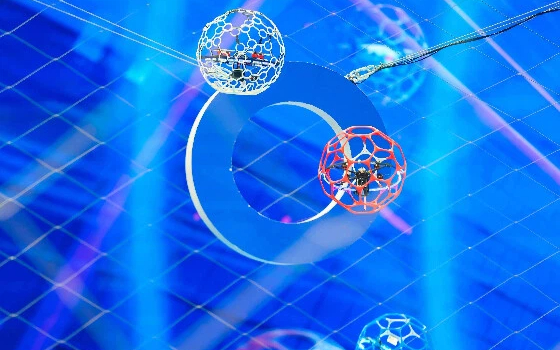
A cinewhoop is a ducted (or heavily guarded) multirotor built for
close-proximity, controlled cinematic flight. The name blends “cinematic” with
“whoop,” referencing the protective propeller ducts inherited from tiny whoops.
Typical propeller sizes run from 2 to 3.5 inches, with occasional 5-inch
variants. Most use a pusher configuration so the ducts stay out of the camera’s
field of view.
These drones prioritize stability and safety over raw power. Ducts reduce
tip vortices, protect people and property, and allow flight indoors or around
subjects without the same risk of exposed blades. They routinely carry a
full-size or naked GoPro, DJI Action camera, or lightweight cinema-style action
cam. Throttle response is tuned for linearity in the mid-range rather than
explosive top-end, producing the smooth, floating lines.
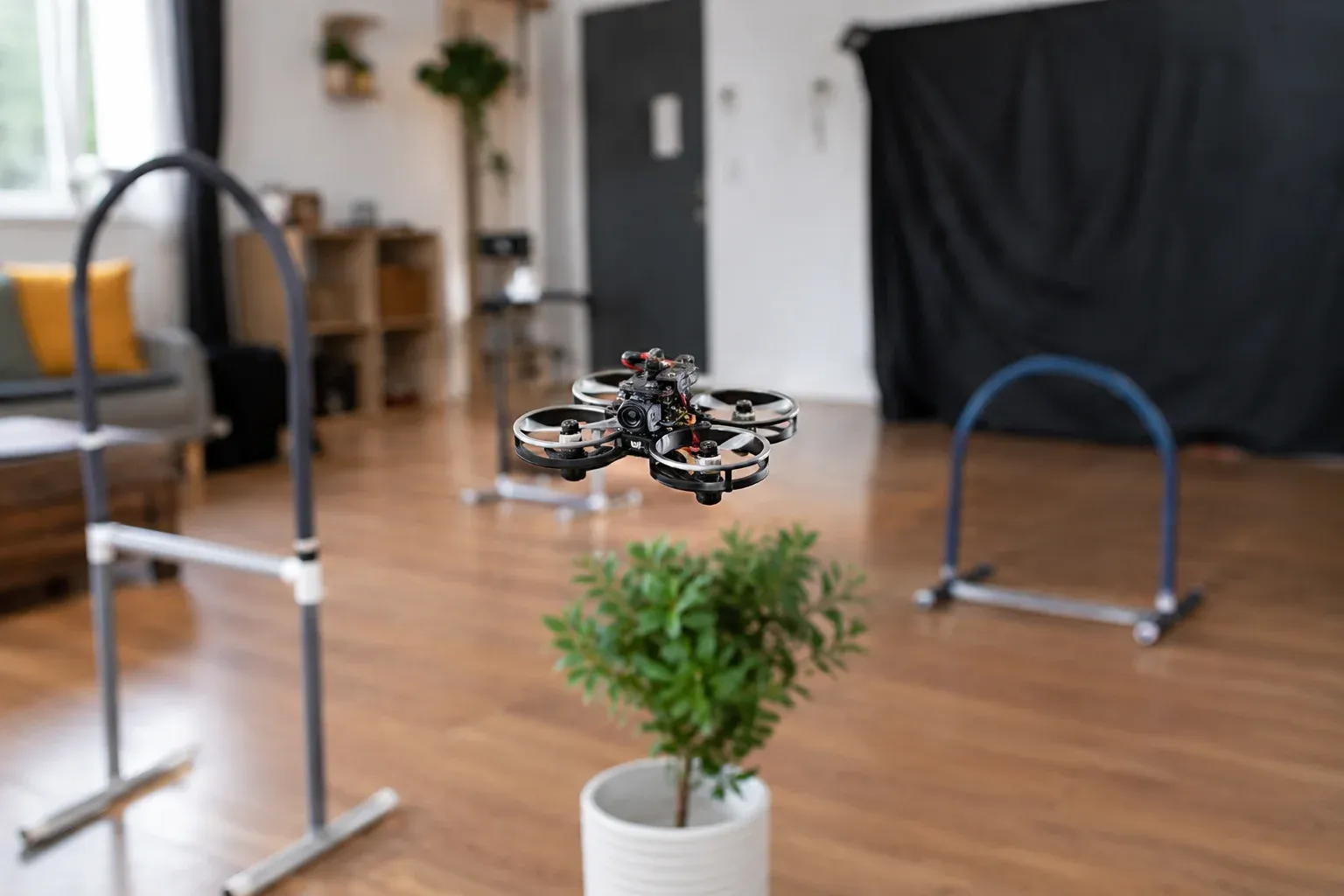
Flight times are short—usually 3–6 minutes—because the ducts add drag and
weight while the motors work harder to lift the camera. Wind handling is modest.
The payoff is access to spaces that open-prop quads cannot safely enter and
footage that feels deliberate rather than frantic.
Cinewhoops excel at proximity flying and indoor environments. If you have
seen a viral "one-take" video flying through a bowling alley, a real estate
tour, or weaving safely between actors on a soundstage, you are watching a
Cinewhoop. The prop guards make them uniquely safe to fly near people and
fragile objects.
What Is a Cinelifter FPV Drone?
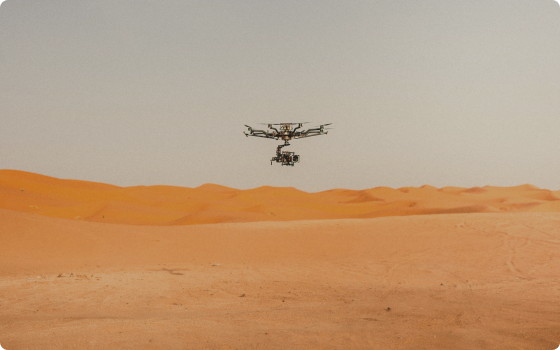
A cinelifter is a large, powerful FPV drone designed to lift a professional
camera system rather than only an action camera. It is built around payload
capacity, stability, thrust reserve, vibration control, and predictable handling
under load.
Cinelifters commonly use open propellers in the 7- to 11-inch range,
although configurations differ substantially depending on the target camera,
lens, gimbal, battery system, and required redundancy. Professional builds may
carry a compact cinema camera, such as a RED Komodo-class or Blackmagic Pocket
Cinema Camera-class setup, plus a lens and, in some cases, a gimbal or
specialized camera mount.
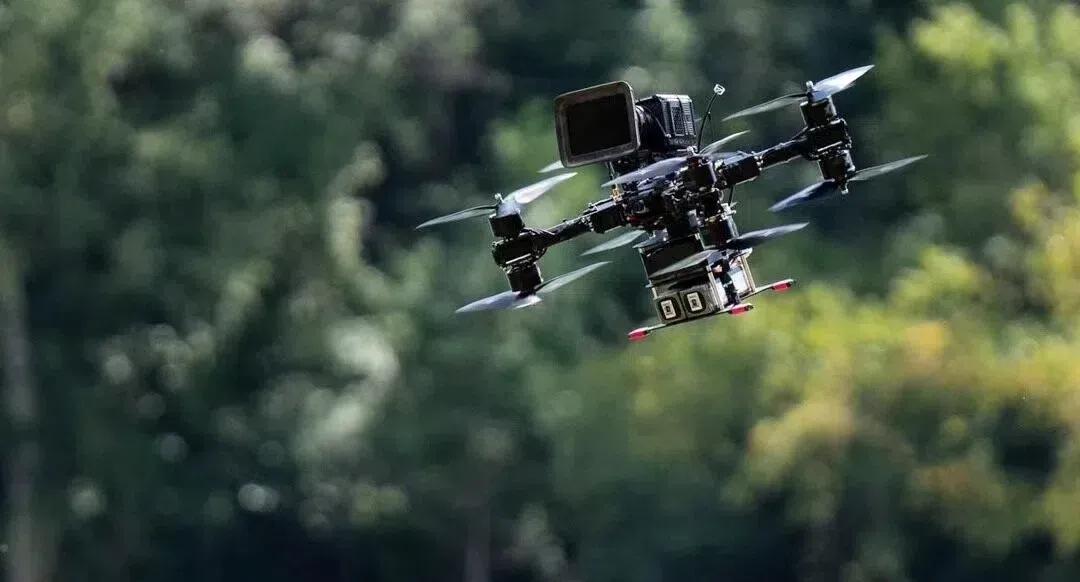
Many cinelifters use large motors, large propellers and substantially
higher-power electrical systems. X8 configurations are particularly common in
this field. An X8 places two motors and propellers on each arm in a coaxial
arrangement, producing eight propulsion units while keeping the aircraft
relatively compact compared with a conventional flat octocopter.
Cinelifters are for high-end commercial and feature film production. When a
director needs an FPV shot tracking a stunt car at 70 mph with a RED camera
recording raw footage for cinematic color grading, a Cinelifter is the only tool
for the job. They are flown exclusively outdoors in controlled environments due
to their sheer weight and danger level.Battery voltage is another important consideration for larger FPV platforms; see our guide to 6S vs 8S LiPo batteries for a detailed comparison.
Cinewhoop vs Cinelifter Cinematic FPV Drone: What Is the Difference?
The fundamental difference comes down to payload, environment, and risk.
You use a Cinewhoop to capture intimate, tight spaces with an action camera, and
you use a Cinelifter to carry Hollywood-grade optics for high-speed, outdoor
action.
A Cinewhoop prioritizes the safety of the environment over ultimate image
quality, relying on action cameras. A Cinelifter prioritizes absolute image
quality over safety and agility, acting as a high-speed flying tripod for
cinema-grade sensors.
| Category | Cinewhoop | Cinelifter |
| Primary purpose | Close-proximity and confined-space filming | Professional cinema-camera FPV filming |
| Typical prop size | Roughly 2–3.5 inches | Roughly 7–11 inches |
| Prop configuration | Usually ducted or heavily guarded | Usually open propellers |
| Camera payload | Lightweight action camera, compact HD camera, lightweight 360 camera | Mirrorless, DSLR, compact cinema camera, lens, and sometimes gimbal |
| Best environment | Indoors, tight spaces, low-altitude proximity work | Outdoor sets, large interiors, action scenes, vehicle work |
| Flight character | Smooth, deliberate, relatively slow, precise | Powerful, fast, momentum-heavy, capable of aggressive cinematic moves |
| Cost and complexity | Lower relative cost and simpler payload workflow | Higher system, camera, battery, and production cost |
What Are Other Cinematic FPV Drone Types?
Cinematic FPV categories overlap considerably. Cinewhoop and cinelifter
primarily describe aircraft design and payload philosophy, while terms such as
freestyle, chase and long-range often describe the way the aircraft is intended
to be flown. Understanding this distinction makes choosing a platform much
easier.
Freestyle Cine Drones
A freestyle cine drone combines the agility of a conventional freestyle
quad with a camera setup and tune intended to produce usable cinematic
footage.
The classic example is an open-prop 5-inch (sometimes 7-inch) FPV quad
carrying an action camera. Compared with a cinewhoop, it usually has a much
higher thrust-to-weight ratio and considerably more freedom to accelerate, dive,
roll and recover from aggressive maneuvers.
This is the platform to consider when the environment itself is part of the
movement: diving down cliffs, orbiting structures, following mountain bikers or
creating fast, flowing lines through an outdoor location.
Chase FPV Drones
A chase FPV drone is selected and configured to follow a moving subject.
“Chase” describes the mission more than the airframe: the platform might be a
5-inch freestyle drone, a 7-inch rig, or a cinelifter, depending on the
subject’s speed and the required camera.
Chase work commonly includes cars, motorcycles, cycling, snow sports,
running, watersports, boats, and aircraft-related action footage. The ideal
configuration needs enough top speed to keep up with the subject, enough
maneuverability to stay on composition, and a camera system that matches the
delivery requirement.
For a mountain-bike sequence, a lightweight 5-inch FPV drone with an action
camera may be ideal. For a commercial car sequence that must intercut with
cinema-camera footage, a cinelifter may be necessary. The priorities are
different from proximity cinewhoop flying. Acceleration, top speed, braking
authority, cornering performance and the pilot's ability to anticipate the
subject's trajectory become critical.
Long-Range Cinema FPV Drones
A long-range cinematic FPV drone is optimized around efficiency, endurance
and reliable cruising rather than maximum agility. These aircraft are often used
for expansive landscapes, ridge lines, mountains, coastlines and other
situations where the camera needs to travel farther or remain airborne longer
than a typical freestyle setup can comfortably support.
Larger propellers are common because they can provide greater efficiency.
Seven-inch platforms have long been popular for this purpose. A cinematic
long-range build may also prioritize a suitable GPS system, efficient motors and
propellers, larger-capacity batteries and a robust control/video-link
strategy.
Long-range footage should feel intentional rather than simply distant. The
strongest shots normally use distance to create scale: beginning with a wide
environmental view, then gradually revealing the subject or moving through
terrain with a clear visual destination.
Choosing a Cinematic FPV Drone by the Shot You Need
The easiest way to understand the cinematic FPV ecosystem is to stop asking
which type is “best.” There is no universally best cinematic FPV drone because
every design trades one capability for another.
For an indoor one-take commercial, that limitation may be physical space,
making a cinewhoop the natural choice. For a mountain sequence, it may be
endurance, pointing toward a long-range platform. For a fast automotive shot,
acceleration and chase performance may dominate. And when an action camera
cannot satisfy the production's image requirements, the additional payload
capability of a cinelifter can justify its complexity.
For many filmmakers, the most versatile progression is to begin with a
cinewhoop for proximity control, add a 5-inch or 7-inch freestyle cine platform
for outdoor action work, and use a cinelifter only when the production’s camera,
lens, and image-quality requirements genuinely demand heavy lift. Cinewhoops are
typically characterized by ducted propellers and close-space cinematic
operation, while cinelifters are purpose-built for larger cinema-grade
payloads.
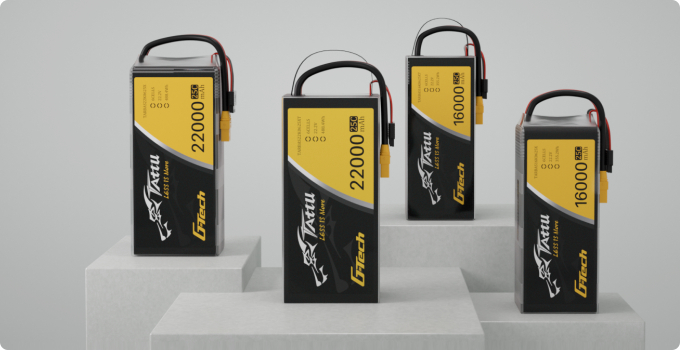
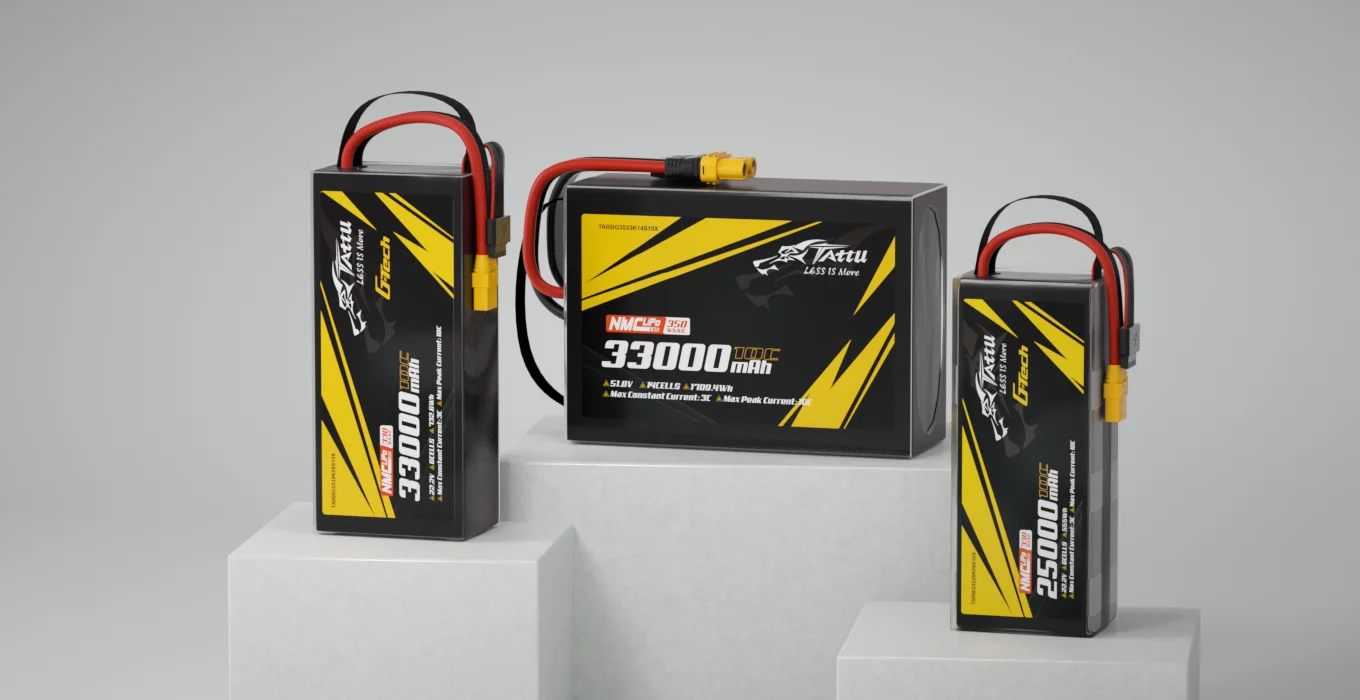
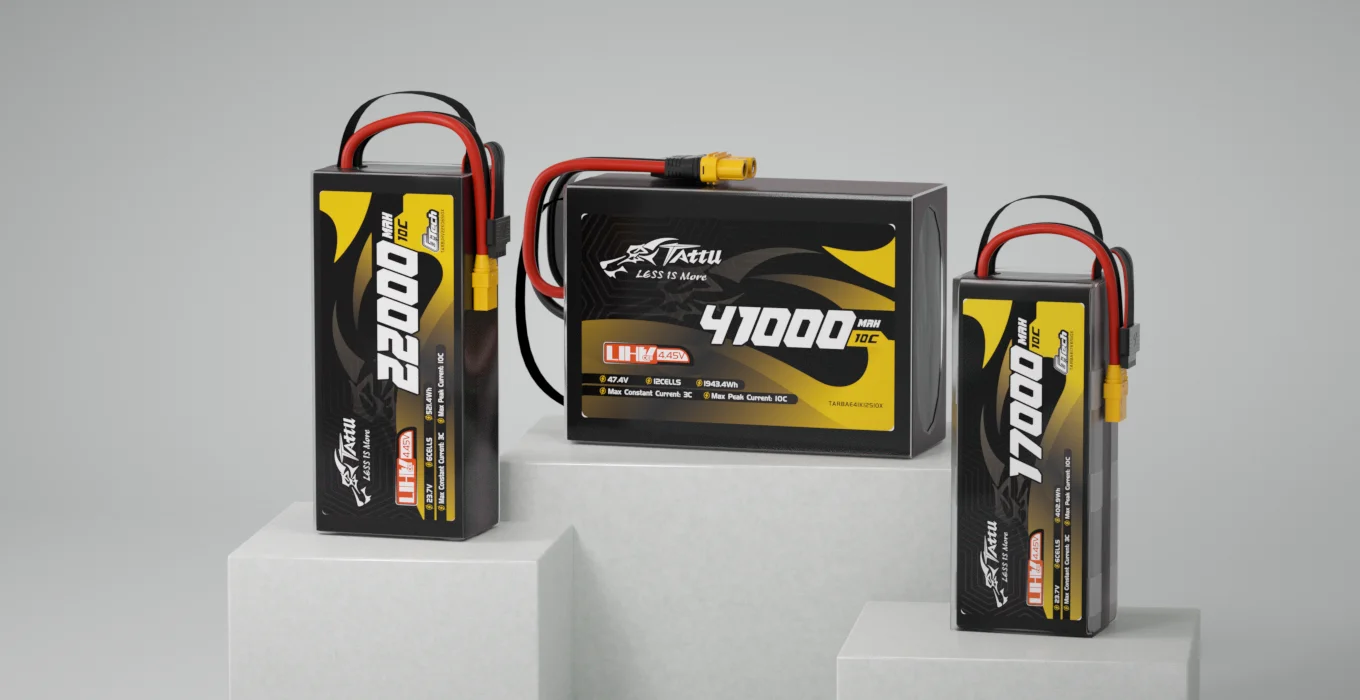
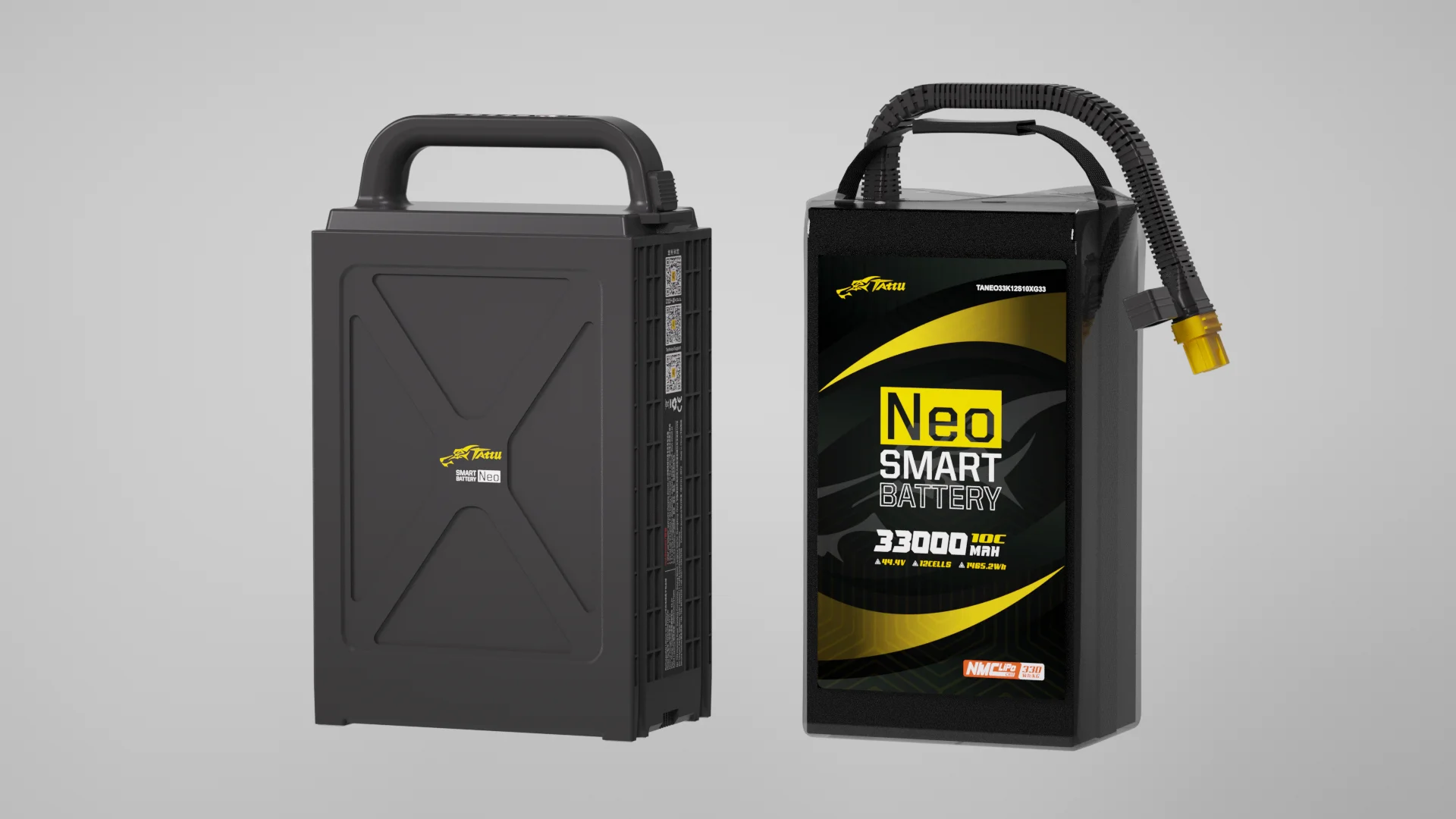
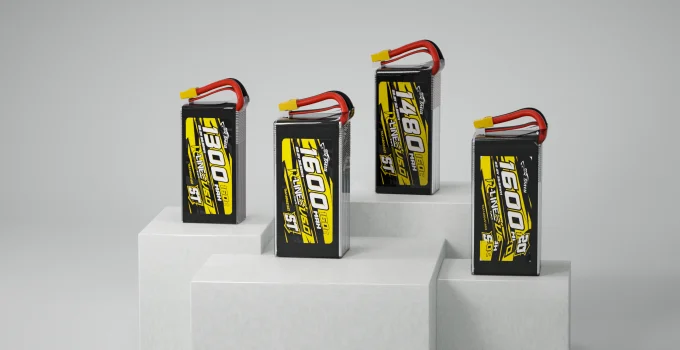
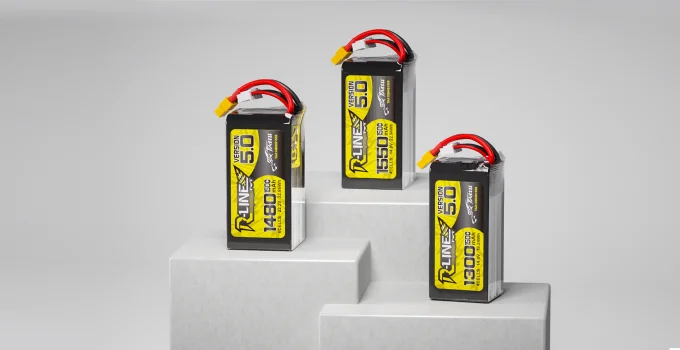
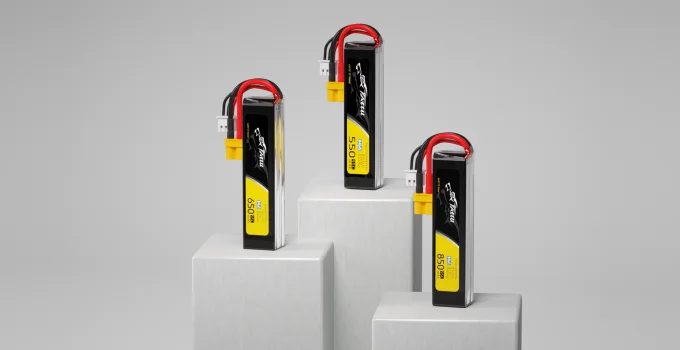
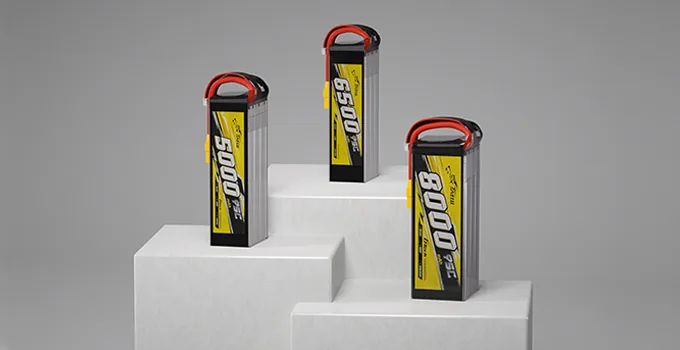
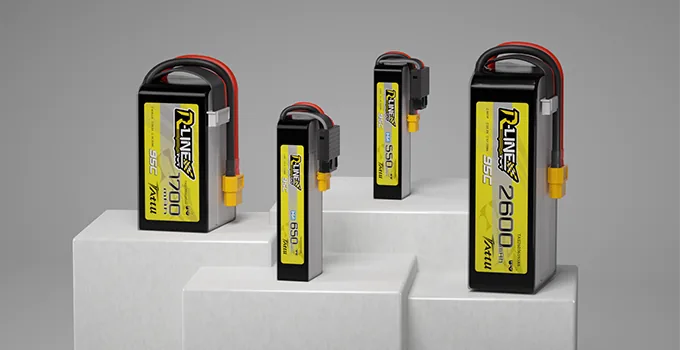
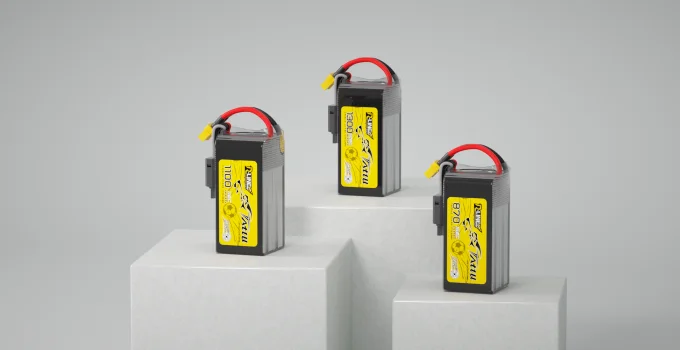
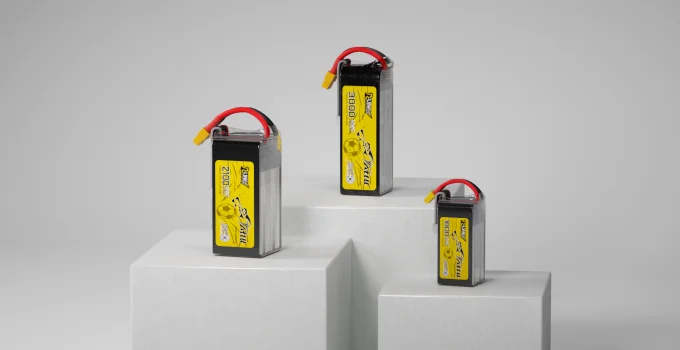
As a leading global FPV battery manufacturer, Tattu is trusted by top FPV
pilots worldwide for its high-performance and reliable battery solutions.
Whether you fly Cinewhoop, Cinelifter, racing, or freestyle drones, we offer a
wide range of fpv battery options to match your performance needs and flying style.
If you need help choosing the right battery for your setup, please contact us at
[email protected].



 Blog
Blog
 Blog
Blog
 Blog
Blog


