When flying a drone, avoiding obstacles is one of the biggest challenges,
especially for beginners. Trees, buildings, power lines, and other objects can
appear in the flight path with little warning. Even an experienced pilot can
misjudge distances or react too late. This is where an obstacle avoidance drone
becomes useful.
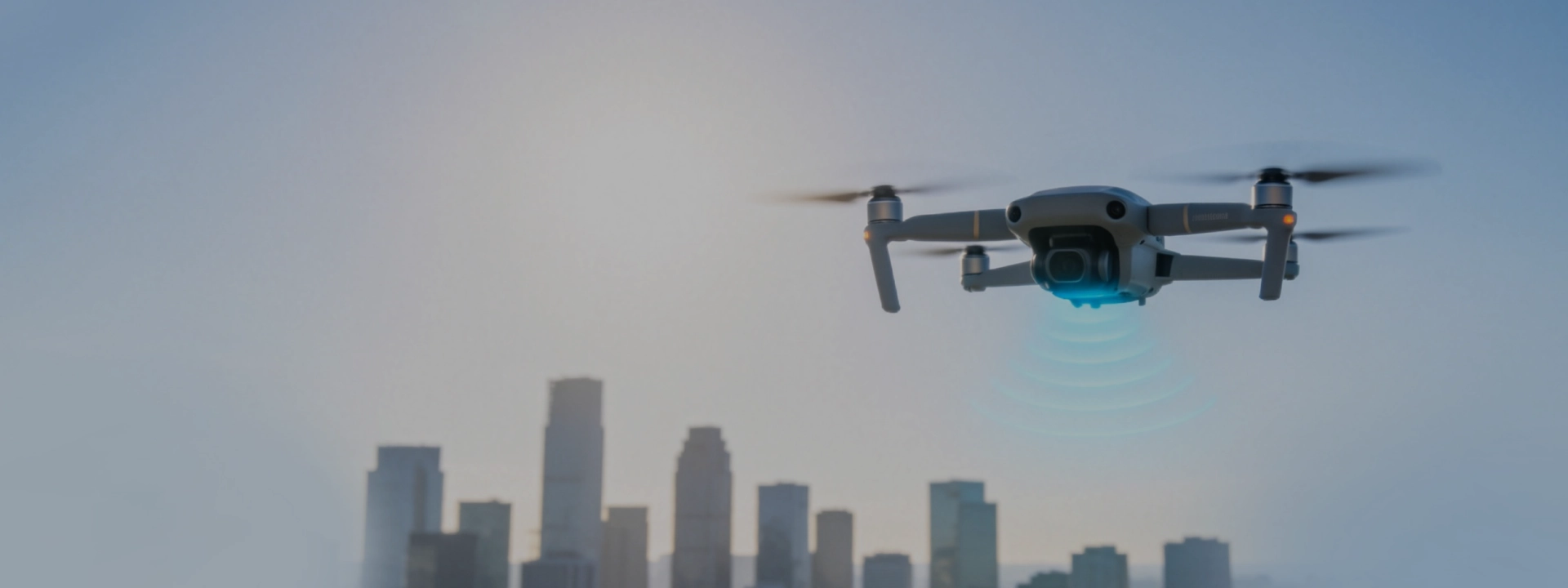
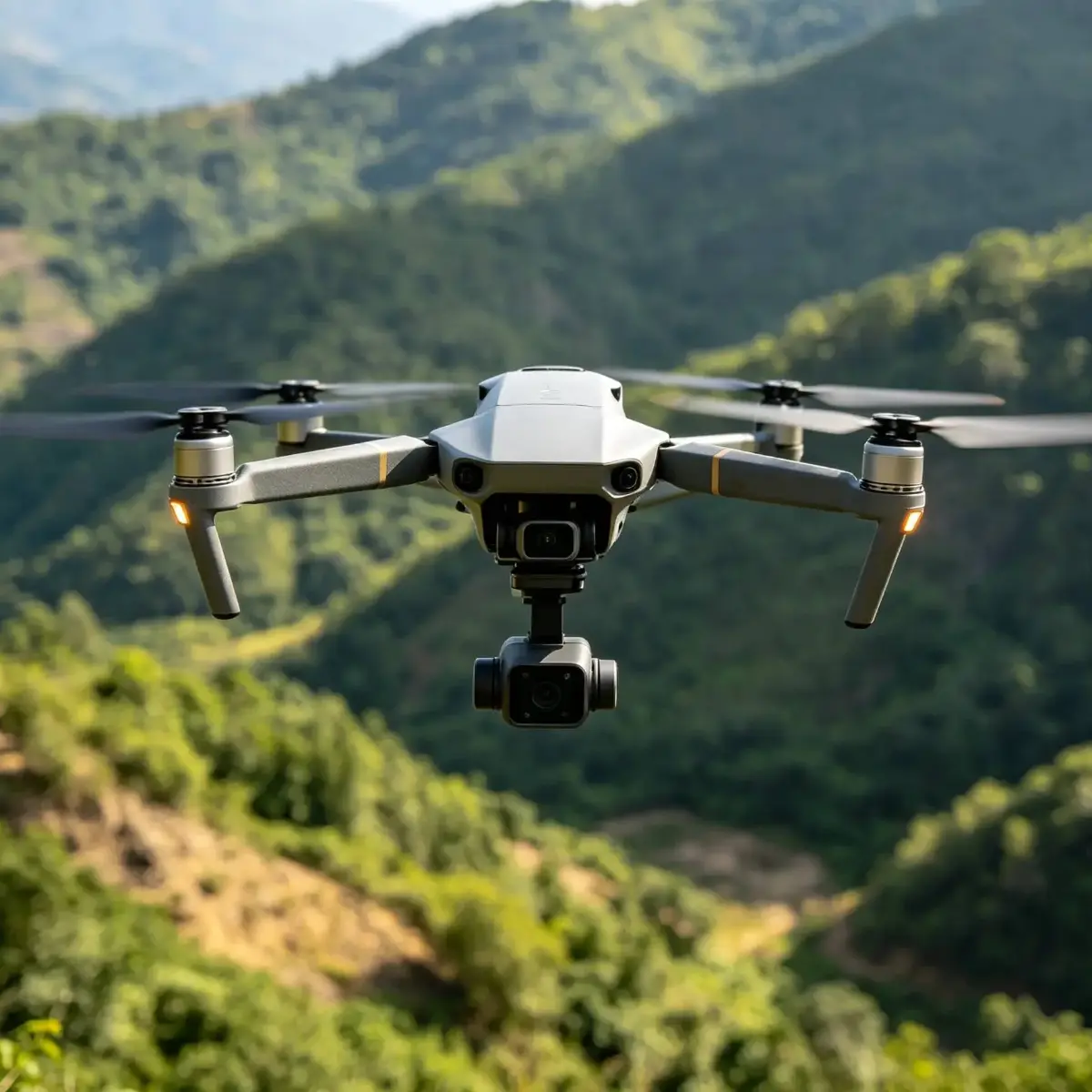
An obstacle avoidance drone uses sensors and onboard software to detect
nearby objects and respond before a collision happens. Depending on the model,
it may stop, hover, or automatically change its flight path to get around an
obstacle. But how does this technology actually work? Does every obstacle
avoidance drone offer the same level of protection? And can it prevent every
crash? Let's look at the technology, its practical uses, and its
limitations.
What Is an Obstacle Avoidance Drone?
An obstacle avoidance drone is a drone equipped with sensors and software
that detect nearby objects and help prevent collisions. Instead of relying only
on the pilot’s eyes and reactions, the aircraft continuously checks its
surroundings and can slow down, stop, or change course when something blocks its
path.These systems appear on many modern consumer and professional drones. They
make flying safer in everyday situations such as flying near trees, buildings,
or people, and they support features like automatic tracking and return-to-home.
The technology is helpful, but it is an assistance tool, not a guarantee of
crash-free flight.
How do obstacle-avoidance drones work?
Obstacle avoidance works as a continuous loop of sensing, calculating, and
acting—often dozens or hundreds of times per second.
·Sense: Onboard sensors measure the distance and direction of nearby
objects, such as walls, tree branches, poles, or the ground.
·Process: The flight controller or companion processor combines sensor
data with the drone's speed, altitude, and movement direction to judge whether
an object is actually a threat. A branch off to the side may be ignored, while a
wall directly ahead triggers a response.
·Act: The flight controller sends commands to the motors to slow down,
hover, climb, or steer around the object while keeping the aircraft stable.
Think of it like driving a car with parking radar, lane cameras, and
automatic braking working together—except the drone moves in three dimensions
(forward/back, left/right, and up/down).
Does the Drone Just Stop, or Does It Fly Around Obstacles?
It can do either. The difference depends on the drone's obstacle avoidance
system and the selected flight settings. Most consumer drones offer two common
response types: Brake and Bypass.
Brake Mode: Stop Before the Obstacle
In Brake mode, the drone slows down and stops when it detects an obstacle
within its detection range. It then maintains its position rather than
attempting to find another route. This is useful when flying in unfamiliar
environments or when the pilot wants to avoid unexpected movements. For example,
if a drone approaches a building during an inspection, Brake mode can prevent it
from continuing forward when it detects the wall.
Bypass Mode: Automatically Fly Around Obstacles
In Bypass mode, the drone attempts to find another flight path around a
detected object. For example, when approaching a tree, the drone may move
sideways or change altitude to pass it. This makes it easier to maintain a
continuous flight path, especially when recording videos or using automated
flight features. However, bypassing is not always possible. If the available
space is too narrow, the obstacle is too large, or the system cannot identify a
safe route, the drone may stop instead.
What Sensors Are Used in Obstacle Avoidance Drones?
No single sensor works in every condition, so manufacturers combine several
types:
·Vision sensors (cameras): Stereo (binocular) pairs of cameras measure
depth the same way human eyes do. Monocular systems use one camera plus software
to estimate distance. These are the most common sensors on consumer drones. They
work well in good light with textured surfaces but struggle with glass, thin
wires, water, or low light.
·Infrared / Time-of-Flight (ToF) sensors: These emit infrared light and
measure the time it takes to bounce back. They provide reliable close-range
distance data and can work in darkness better than plain cameras.
·LiDAR: Laser pulses create precise distance measurements and can detect
thin branches or wires more reliably than vision alone. Some newer consumer
models add forward LiDAR; higher-end or enterprise drones may use more advanced
units.
·mmWave radar: Radio waves detect objects even in fog, dust, rain, or
complete darkness. This technology is more common on professional and industrial
drones.
·Ultrasonic sensors: Sound pulses measure short distances, mainly used for
downward sensing during landing or low hovering. Their range is limited.
Most systems use sensor fusion—combining data from several sensors—to
improve reliability.
What is the difference between 3-way, 4-way, and omnidirectional
sensing?
These terms describe which directions around the drone have active obstacle
sensors, not a guarantee of protection everywhere.
·3-way sensing: Typically covers front, back, and downward (or a similar
set of three main directions). It helps prevent head-on collisions, backing into
objects during return-to-home, and hard landings. Left, right, and upward paths
remain largely unmonitored.
·4-way sensing: Adds a fourth direction—often upward or horizontal/side
coverage alongside front, back, and downward sensing, depending on the model. It
gives better awareness when climbing near overhangs or moving laterally.
·Omnidirectional sensing: Uses multiple wide-angle sensors arranged to
cover all main directions around the aircraft—front, back, left, right, upward,
and downward. It gives the broadest protection for side-to-side framing,
orbiting subjects, and complex environments.
Even with omnidirectional sensors, every camera or optical sensor has a
field of view and a minimum/maximum range. Gaps can still exist between sensor
cones or very close to the body.
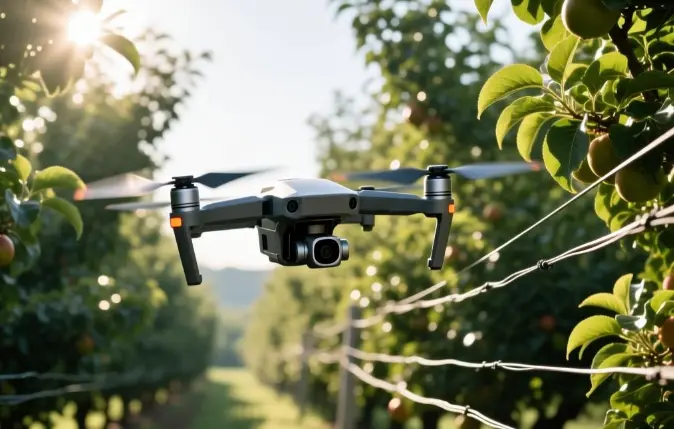
Can Obstacle-Avoidance Drones Completely Prevent Crashes?
No. Obstacle avoidance reduces crash risk, especially from pilot
distraction or misjudged distance, but it cannot prevent every crash.
Common
real-world situations where crashes still happen include:
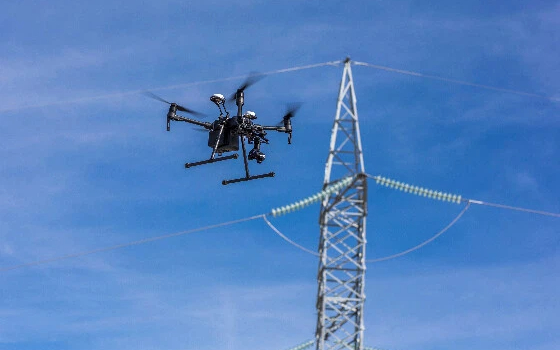
·Thin objects: Fine tree twigs, guy wires, fences, and power lines are
often too narrow or low-contrast for cameras to resolve reliably at speed.
·Fast flight speeds: A drone moving quickly may not have enough braking
distance or processing time to stop before impact.
·Difficult surfaces: Glass windows, water, mirrors, shiny metal, and thin
netting can confuse optical or infrared sensors.
·Weather and environment: Rain, fog, dust, strong wind gusts, or sudden
downdrafts can block sensors or push the drone faster than its motors can
correct.
Even drones with omnidirectional sensing may have areas where detection is
limited. The actual coverage depends on sensor placement, field of view, object
characteristics, and the aircraft's design. For these reasons, pilots should
always maintain visual awareness, leave enough clearance around obstacles, and
follow the manufacturer's flight instructions. Obstacle avoidance should be
treated as an additional safety feature, not a replacement for pilot
judgment.
Can Obstacle Avoidance Drones Fly Autonomously?
Yes, to a certain extent. Many consumer drones now feature autonomous
flight modes. For example, “ActiveTrack” allows the drone to lock onto a
person—like a cyclist riding down a trail—and follow them automatically. As the
cyclist turns, the drone turns, and if a tree gets in the way, the drone uses
obstacle avoidance to fly around it safely.
Drones also have a “Return to Home” feature. If your remote controller
loses connection, the drone will automatically fly back to where it took off.
Thanks to obstacle avoidance, it will climb to a safe height and avoid trees or
buildings on its way back. However, you still need to set up the drone and
monitor the flight, as autonomous modes can still fail if the environment is too
complex.
Does Obstacle Avoidance Drone Work at Night and in All Directions?
Performance varies strongly by lighting and sensor type.Vision-based
systems (the majority on consumer drones) need adequate light and textured
surfaces. Many manufacturers specify a minimum light level (often around 1–15
lux). Below that threshold the vision system may disable itself or become
unreliable, and the app usually warns the pilot. Infrared and LiDAR sensors
continue to work better in low light. mmWave radar works in complete darkness
and poor weather.
Even omnidirectional systems do not provide equal performance in every
direction under every condition. Forward sensing is often the strongest; side
and rear performance can be weaker, especially at night or in low contrast.
Night flight therefore requires extra caution: slower speeds, greater clearance
from obstacles, and the expectation that vision-based avoidance may not function
fully.
Does obstacle avoidance drain the battery faster?
Yes, slightly—though usually by a modest amount compared to flying fast or
fighting wind. Running extra cameras, infrared emitters, or LiDAR units—and
keeping the onboard processor continuously analyzing sensor frames—uses extra
electrical power. In addition, when the drone actively brakes, climbs, or
detours around obstacles instead of flying a straight, steady path, those extra
maneuvers use battery energy too.
In practical terms, the biggest drain on a drone battery is still
propulsion: payload weight, high speed, aggressive climbing, strong headwinds,
and cold temperatures. Obstacle avoidance adds a smaller overhead on top of
that, which matters most on long endurance missions where every minute of flight
time counts.
Conclusion
An obstacle avoidance drone is best understood as a drone with an extra
layer of flight assistance. Its value comes from the combination of sensor
coverage, reliable detection conditions, and the right response—not from the
label alone.While 3-way, 4-way, and omnidirectional setups greatly improve
day-to-day safety in inspections, filmmaking, and field work, thin wires, low
light, high speeds, and weather still require attentive piloting and good flight
planning.
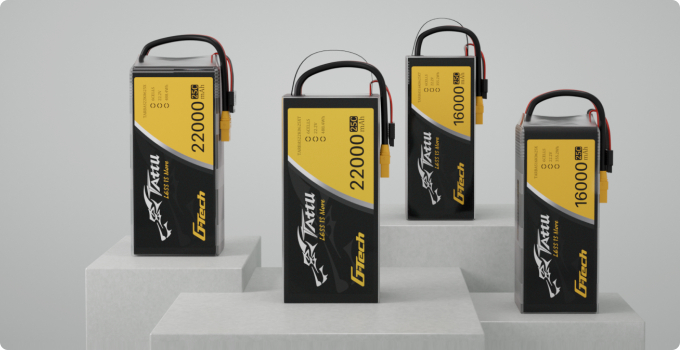
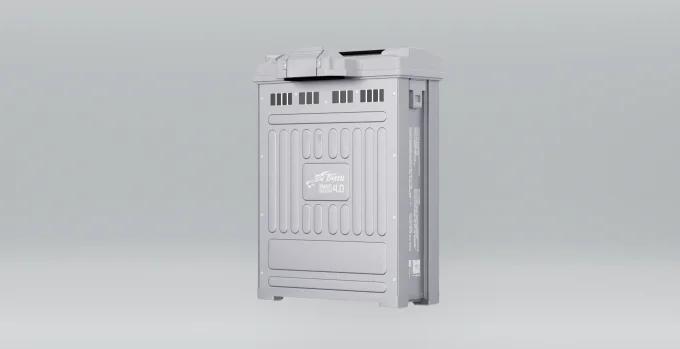
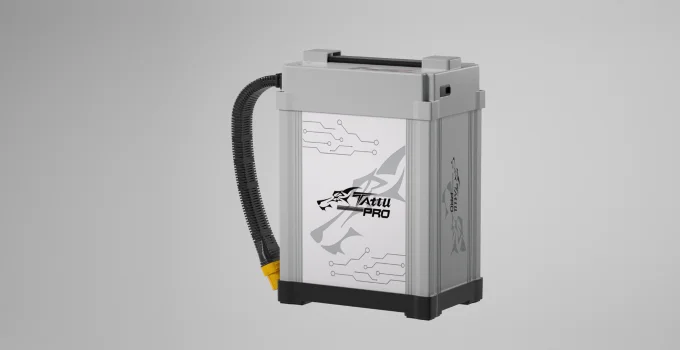
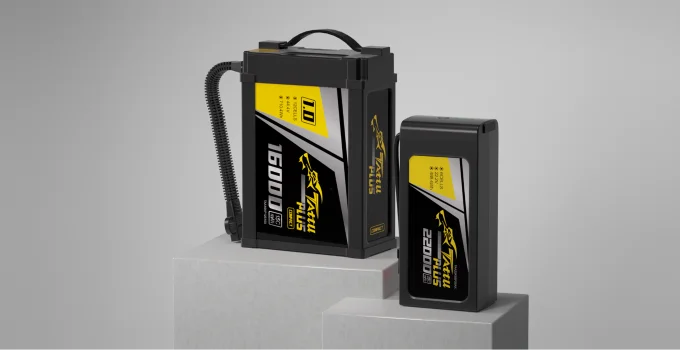
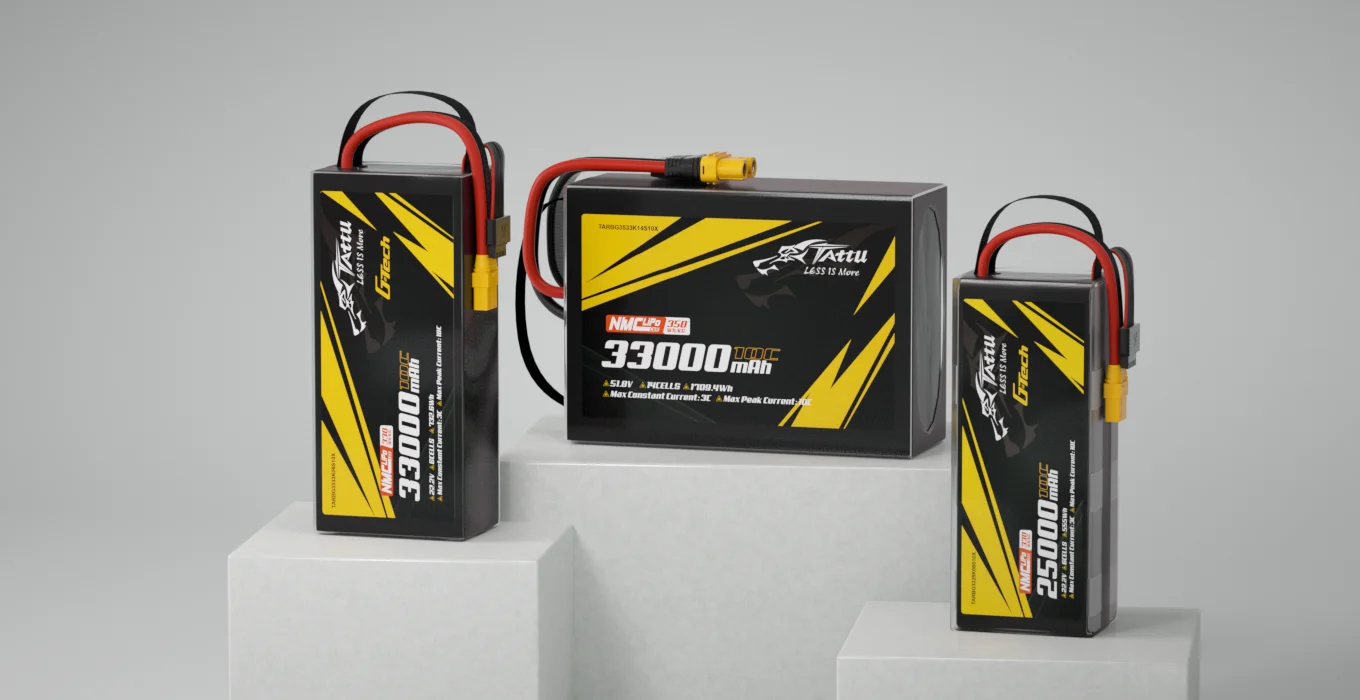
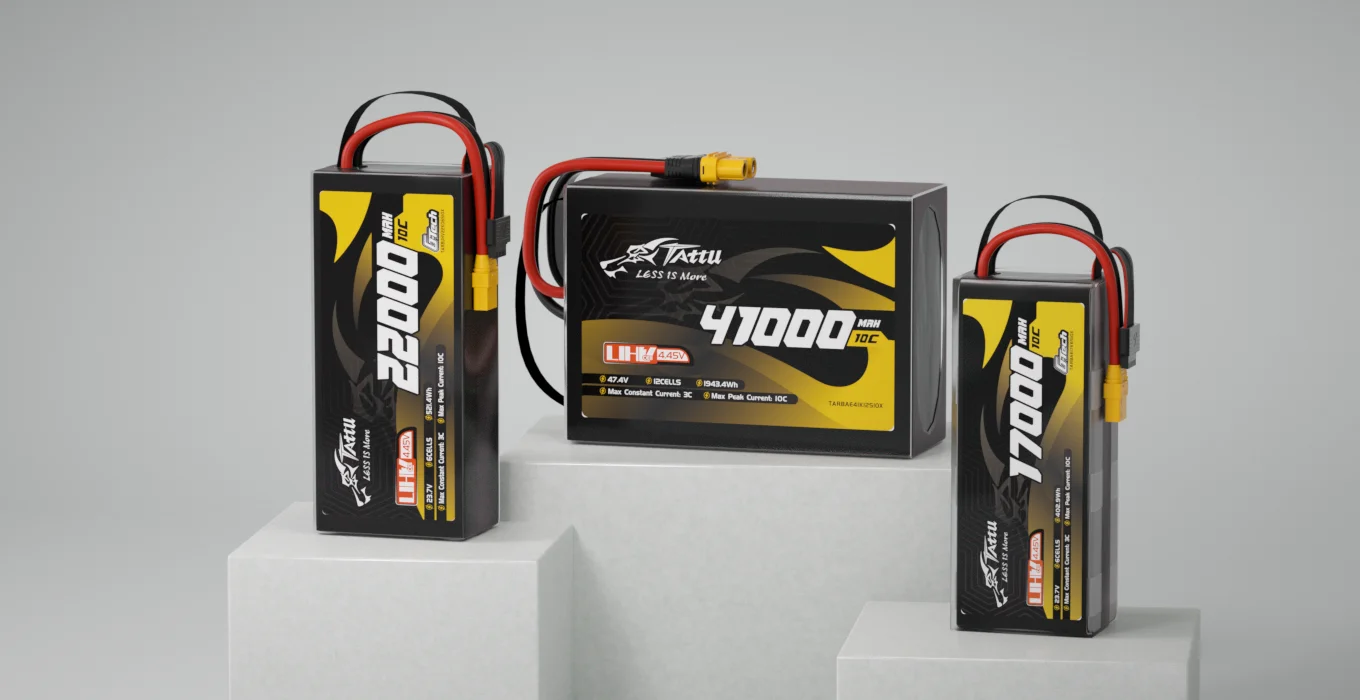
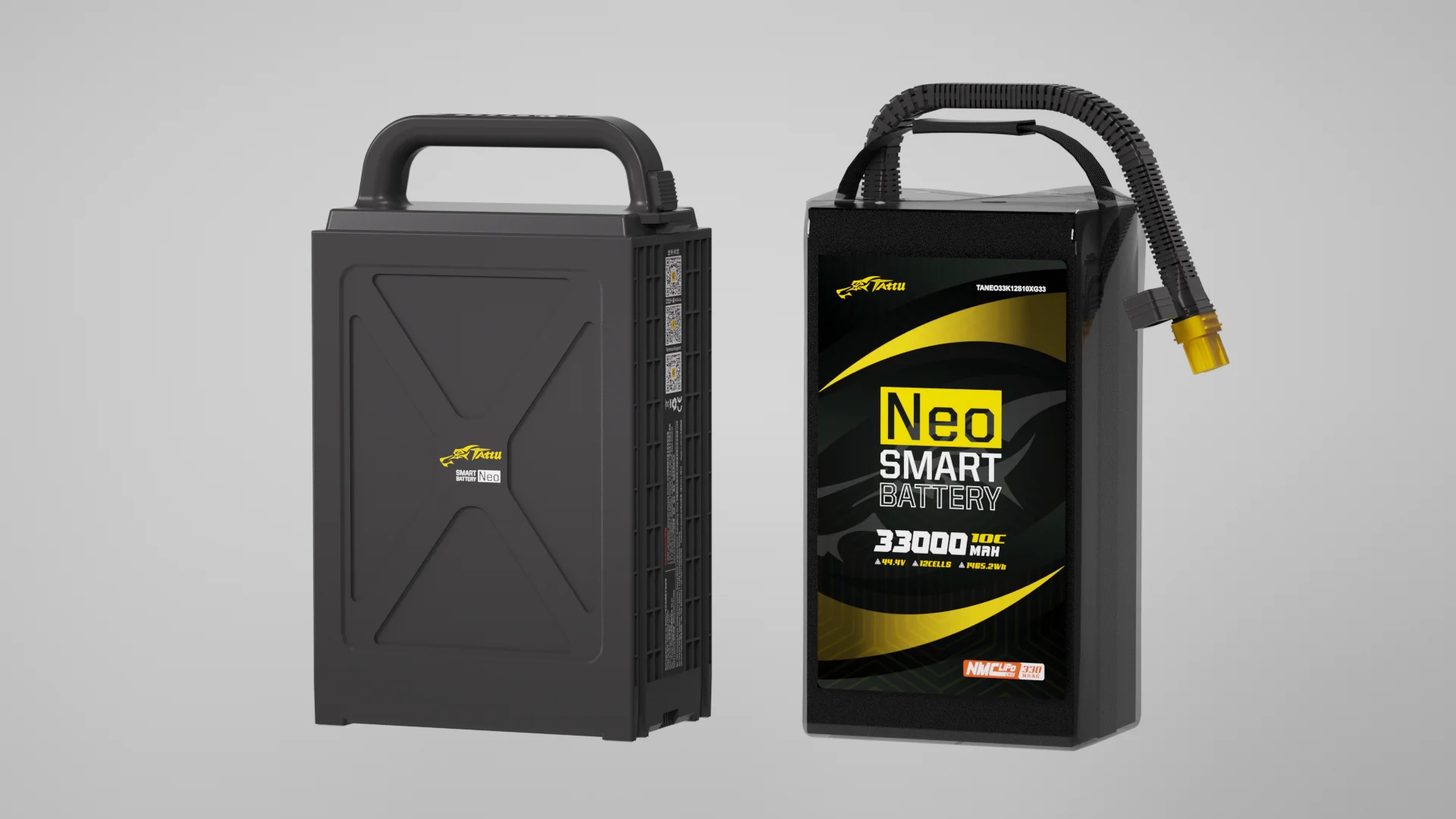
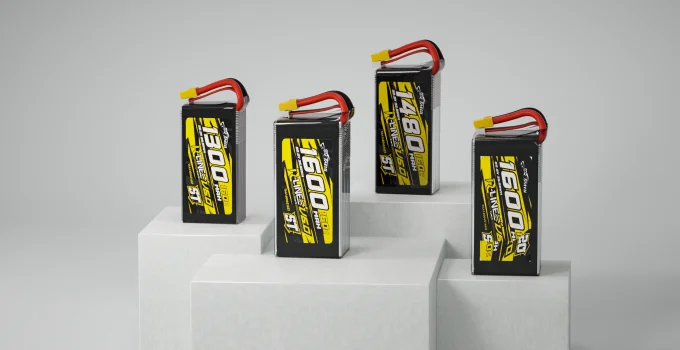
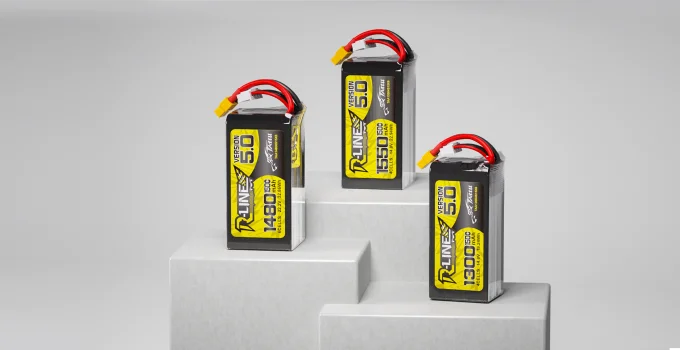
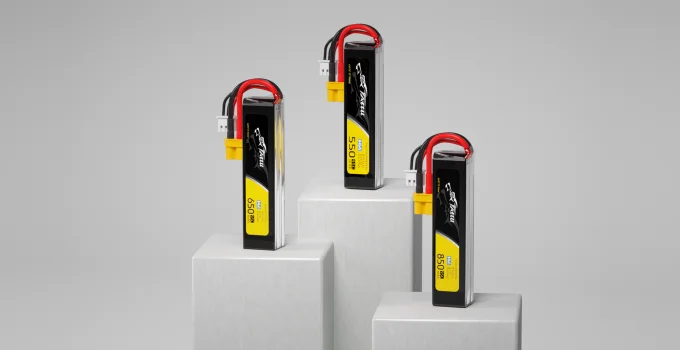
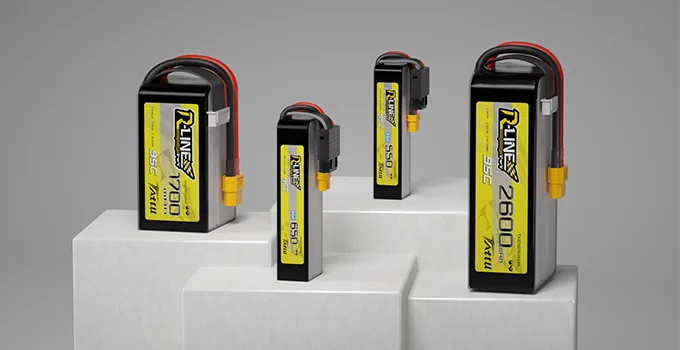
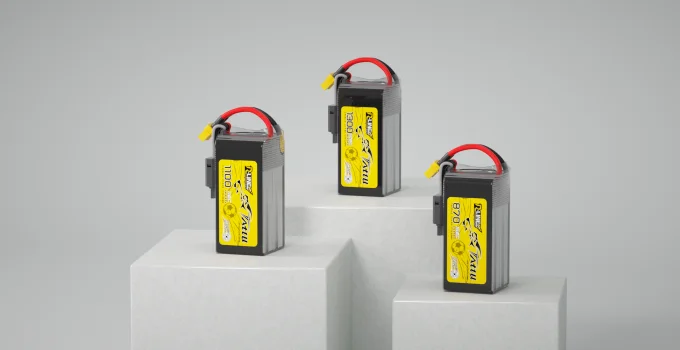
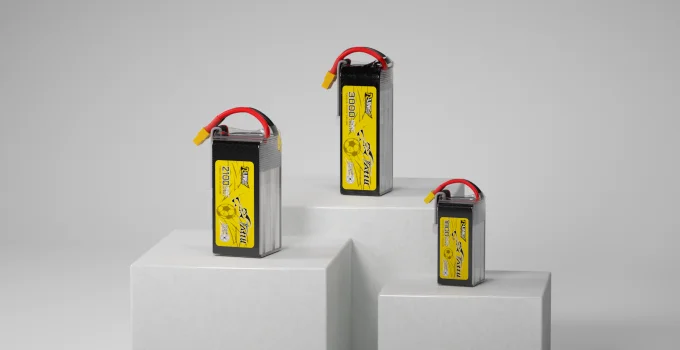
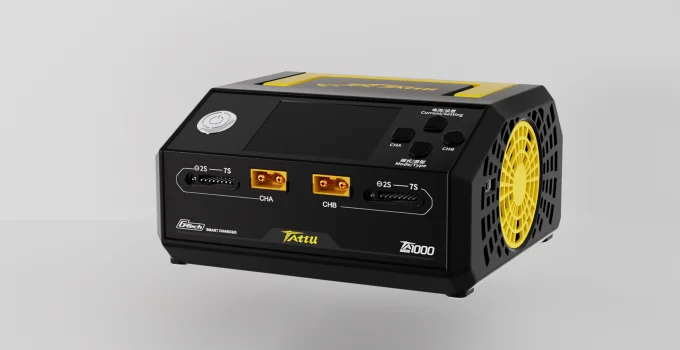
As a leading global manufacturer of drone batteries, Tattu has a deep
understanding of the power system requirements of obstacle avoidance drones. We
offer a wide range of soft pack and smart Li-ion uav batteries in multiple
specifications to meet these needs. In addition, we provide custom battery
compartment adaptation services tailored to your specific drone models. For more
information, please contact us at [email protected].





 Blog
 Blog
 Blog


