For applications such as pipeline inspection, wildfire monitoring, border
surveillance, and large-area mapping, flight endurance is often one of the most
important factors in choosing a drone. But achieving longer flight time is not
simply a matter of installing a larger battery. The drone's airframe, propulsion
system, payload, flight speed, and energy storage system all work together to
determine how long it can remain airborne.
So, what makes a drone long-endurance? How do different drone designs
achieve longer flight times? And what type of battery should you choose? This
guide explains the key factors and provides practical advice for selecting a
battery for a long-endurance drone.
1. What Is a Long-Endurance Drone?
A long-endurance drone is an unmanned aerial vehicle (UAV) designed to
remain airborne for an extended period without landing or recharging.Unlike
consumer drones designed mainly for short flights, long-endurance drones are
built for missions that require continuous operation. These include aerial
surveillance, infrastructure inspection, environmental monitoring, and
long-distance mapping.
There is no single flight-time threshold that officially defines every
long-endurance drone. The term depends on the aircraft type and its intended
mission. A multirotor that can fly for 60 minutes may be considered
long-endurance in its category, while a fixed-wing UAV designed for several
hours of flight has a different performance standard. The main goal is to
maximize useful time in the air while carrying the required equipment and
maintaining enough energy for a safe return and landing.
2. What Is the Difference Between a Long-Endurance and a Long-Range
Drone?
People often mix up endurance and range, yet they measure two different
things. Long-endurance refers to how long a drone can stay in the air. It is
usually measured in minutes or hours. A drone designed for continuous monitoring
may need to remain over the same area for as long as possible. Long-range refers
to how far a drone can travel. It is usually measured in kilometers or miles. A
long-range drone is designed to cover greater distances from its launch point or
ground station.
For example, a drone used to monitor a forest fire may need long endurance
so it can observe the same area for several hours. A pipeline inspection drone
may need both long endurance and long range to cover a large section of
infrastructure in one flight.
A drone can have long endurance without having an equally long operating
range. If it spends most of its flight time hovering or monitoring one location,
it may stay airborne for a long time without covering much distance. In
practice, long missions usually need a balance of both, because flying far out
takes time and you still need enough energy left to come home safely.
3. How Long Can a Long-Endurance Drone Fly?
The flight time changes a lot depending on the type of drone and what
powers it. A standard electric fixed-wing drone might fly for 1 to 4 hours. If
you use a hybrid system that burns gas to charge the battery, the flight time
can go up to 8 hours or more. For the very longest missions, some drones use
hydrogen fuel cells or solar power. These special drones can stay up for more
than 24 hours, and some solar-powered models have even flown for nearly two
months straight.
4. How Do Long-Endurance Drones Achieve Extended Flight Times?
Long-endurance drones achieve longer flight times by reducing the energy
needed to stay airborne and increasing the amount of usable energy they can
carry.
The first factor is aerodynamic efficiency. Fixed-wing drones use their
wings to generate lift, which reduces the amount of energy required to maintain
altitude. A multirotor, in contrast, must continuously use its propellers to
generate lift.
The second factor is weight reduction. A lighter aircraft needs less power
to fly. This is why manufacturers pay close attention to airframe materials,
motor selection, wiring, landing gear, and payload design.
The third factor is propulsion efficiency. Motors and propellers should be
matched to the aircraft's weight and intended cruising speed. Larger, properly
matched propellers can improve efficiency in suitable designs.
Finally, the energy storage system plays a major role. A battery with
higher energy density can store more energy without adding as much weight. This
gives the aircraft more usable energy for the same battery mass.
5.What Factors Affect a Drone's Flight Endurance?
Even the best drone will fall short of its spec sheet if real-world
conditions work against it. Wind is one of the biggest culprits in the field:
flying into a 15 mph headwind forces the aircraft to work harder just to make
forward progress, cutting flight time noticeably. Cold weather slows chemical
reactions inside batteries and drops usable voltage, while extreme heat can
cause packs to warm up faster under load. Air density also matters—thin air at
high mountain elevations means propellers get less "bite," requiring more power
to generate lift. Finally, how you fly plays a huge role. Smooth, steady
cruising saves energy, whereas constant climbing, rapid braking, and aggressive
maneuvers drain power fast.
6. What Drone or Class of Drone Has the Longest Flight Time?
There is no single answer because different UAV categories use different
energy systems.
At the extreme end, solar-powered high-altitude long-endurance (HALE)
aircraft achieve some of the longest flight durations. Airbus Zephyr is a
well-known example, with its 2010 flight lasting 14 days and 22 minutes.
Among conventional electric UAVs, fixed-wing aircraft generally offer much
longer endurance than multirotors of similar size because they generate lift
through forward movement rather than continuously relying on rotor thrust.
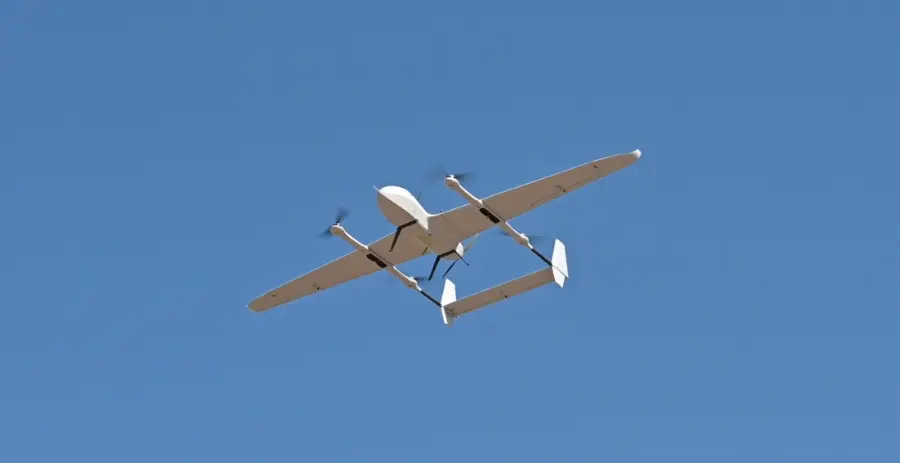
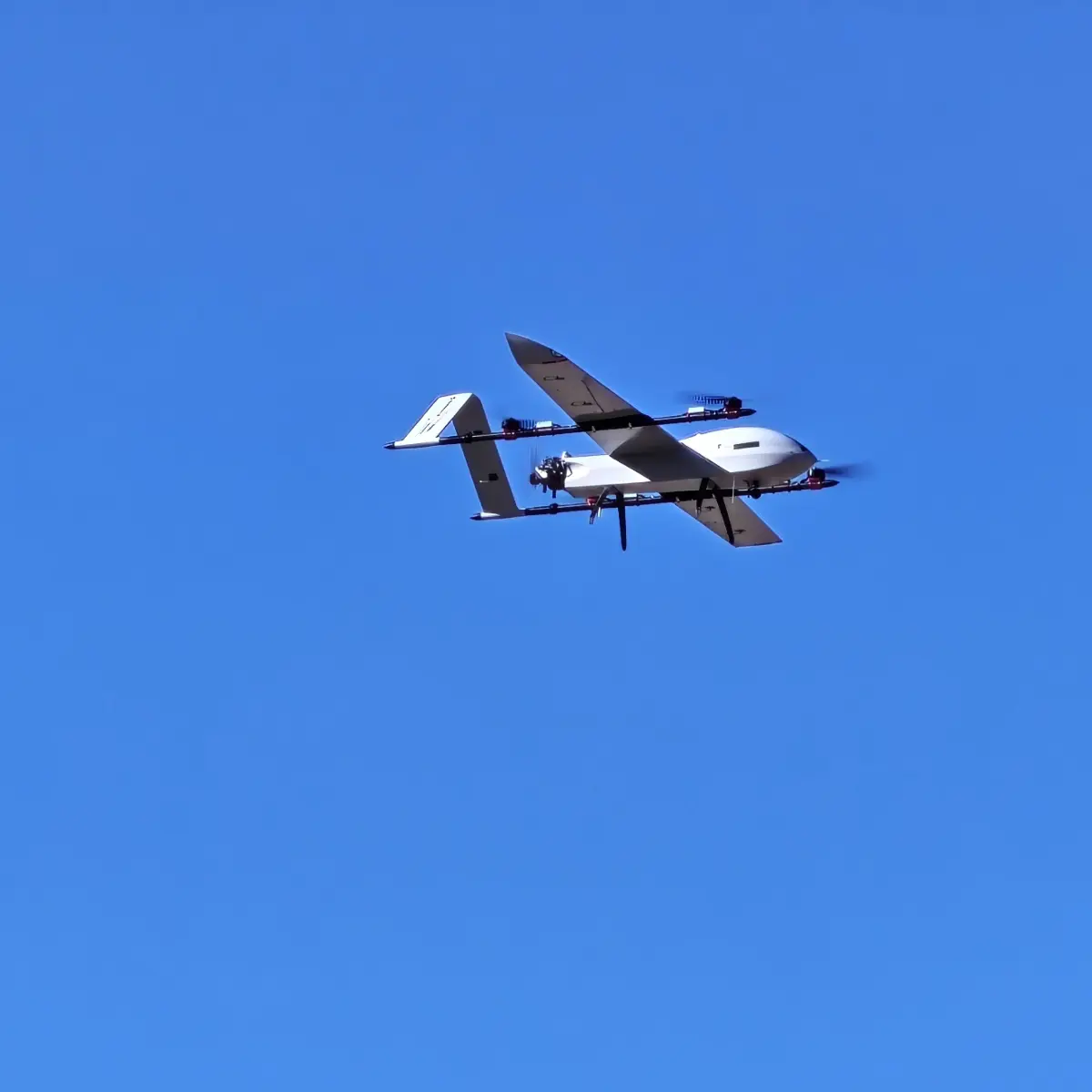
Hybrid fixed-wing VTOL drones are another important category. They can take
off and land vertically, then transition to efficient forward flight.
Fuel-powered and hybrid aircraft can also achieve very long flight times
because liquid fuels generally store much more energy per unit mass than
rechargeable lithium batteries.
For battery-powered commercial applications, fixed-wing and efficient VTOL
platforms are usually the first categories to consider when long flight time is
the main priority.
7. Why do fixed-wing and VTOL drones fly much longer than multirotors?
Think about a multirotor drone, like a quadcopter. To stay in the air, its
motors must spin fast the entire time. It is constantly fighting gravity. A
fixed-wing drone is different. Its wings create lift as it moves forward, so the
motor only needs to push it against the wind. It is much more efficient.
VTOL (Vertical Take-Off and Landing) drones are a mix of both. They can
take off like a multirotor but then fly forward like a fixed-wing plane. This
makes them very useful for long missions where you don't have a runway, and they
get much better endurance than a pure multirotor once they are in cruise
mode.
8. How Does Payload Weight Affect Drone Flight Time?
Every extra gram a drone carries must be lifted against gravity, which
increases the power required from the propulsion system. Adding a
high-resolution camera, LiDAR unit, thermal sensor, or extra radio gear directly
reduces available flight time. On a multirotor, extra weight often shows up
right away as a noticeable drop in minutes because the motors must spin faster
just to hold altitude. On a fixed-wing drone, extra weight also increases the
stall speed and drag, meaning the aircraft needs more power to stay in the air.
In real operations, pilots often have to choose between a heavier, sharper
sensor and a longer flight time—or split a large survey area into more flights
with a lighter load.
9. What Are the Main Applications of Long-Endurance Drones?
Long-endurance drones shine whenever a job covers wide terrain or requires
patience over time:
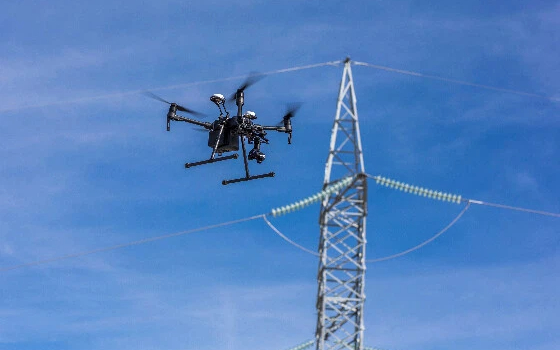
·Pipeline inspection: Operators fly along oil, gas, or water lines to spot
leaks, corrosion, or ground movement without sending crews to hike or drive
remote routes every week.
·Border surveillance: Long-flight aircraft patrol wide stretches of land
or coast, giving security teams persistent eyes over areas that are hard to
cover with fixed cameras.
·Wildfire monitoring: Drones stay aloft over active or recent burn zones
to track hot spots with thermal cameras and watch how smoke and fire lines shift
without putting pilots in smoky skies.
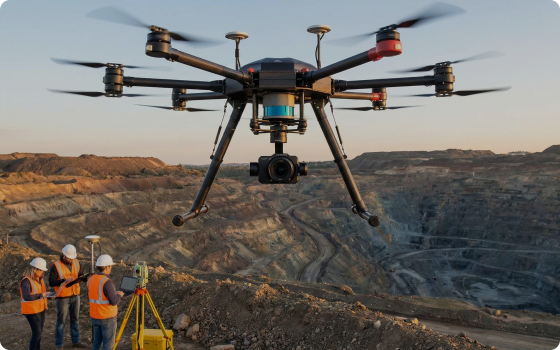
·Long-range mapping drone: Surveyors use long-endurance fixed-wing or VTOL
drones to capture aerial photos or LiDAR data across farms, mines, forests, and
construction sites in fewer battery swaps.
·Tethered drone for telecom: A tethered drone stays connected by a power
and data cable to the ground, allowing continuous power for hours or days to act
as a temporary cell tower, Wi-Fi relay, or communications hub during emergencies
or large events.
10. What Type of Battery Is Best for Long-Endurance Drones?
There is no single "best" battery for every drone, because different
chemistries trade off energy capacity, burst power, weight, and safety. Lithium
polymer (LiPo) batteries are popular because they deliver strong current when
motors need a sudden boost, such as taking off or fighting a gust of wind.
Lithium-ion (Li-ion) packs tend to offer higher energy density for steady,
lower-current cruising, which makes them attractive for long-endurance
fixed-wing flights where you want maximum flight time at a gentle cruise speed.
Semi-solid-state and high-energy lithium cells are also gaining ground for
commercial endurance builds, promising more watt-hours per kilogram while trying
to improve thermal stability. The right choice depends on whether your drone
needs punchy current bursts or long, steady energy delivery.
11. How to Choose a Battery for a Long-Endurance Drone?
When you are picking a battery, you need to look at a few key numbers.
First, look at Energy Density. This is usually measured in Wh/kg. The
higher this number, the more flight time you get for the weight you carry. For
long missions, you want a battery with high energy density.
Second, check the Capacity (mAh). This tells you how much charge the
battery holds. A higher number means a longer flight, but remember that a higher
capacity battery will also be heavier. You have to find the right balance for
your specific drone.
Third, consider the Discharge Rate (C-rating). This tells you how much
power the battery can give out at once. A long-endurance cruise might only draw
modest current, but takeoffs, climbs, wind gusts, or VTOL transitions can pull
sharp spikes. If a battery's discharge rating is too low, voltage can sag under
load and trigger early low-voltage warnings—or worse, cause a mid-air power
drop.
Then, always check the Voltage. You must make sure the battery voltage
matches what your drone's motors and electronic speed controllers (ESCs) are
expecting. If the voltage is too low, the drone won't fly well. If it is too
high, you could burn out your electronics.
Also check cell quality, cycle life, and weather tolerance. Endurance
missions are tough on batteries, so reliable cells that hold voltage well,
handle hundreds of charge cycles safely, and perform predictably in your local
temperatures will save you money and keep your aircraft safe.
Finally, test in your actual operating conditions before trusting a new
battery on a critical job. Fly a conservative test route with your real payload
and wind conditions, watch cell voltages under load, and leave a healthy safety
margin so your drone always lands with plenty of charge to spare.
Conclusion
Choosing a battery for a long-endurance drone is an aircraft-level
engineering decision. Battery capacity matters, but it must be evaluated
together with energy density, weight, discharge capability, voltage, thermal
performance, and mission requirements. For fixed-wing and endurance-focused VTOL
drones, high-energy semi-solid state batteries are often a strong option.
The most effective approach is to start with the required flight time and
average power consumption, calculate the energy demand, and then select a
battery that meets the aircraft's electrical and mechanical limits while
maintaining a safe energy reserve. For UAV manufacturers, working with an
experienced battery supplier early in the aircraft design process can also help
optimize pack dimensions, cell configuration, weight, and power output.
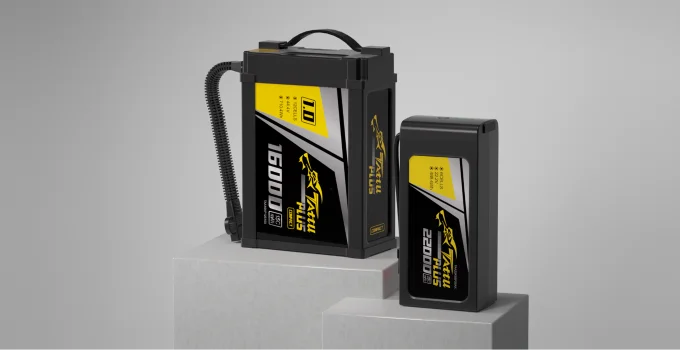
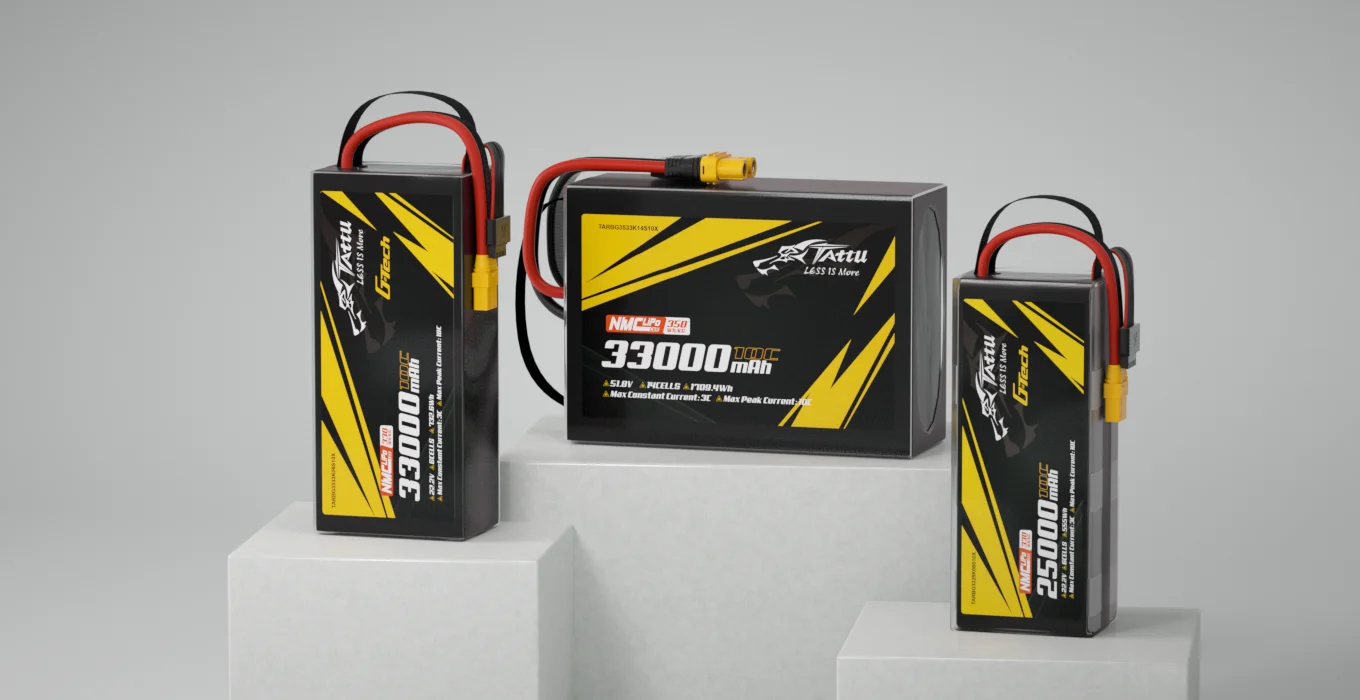
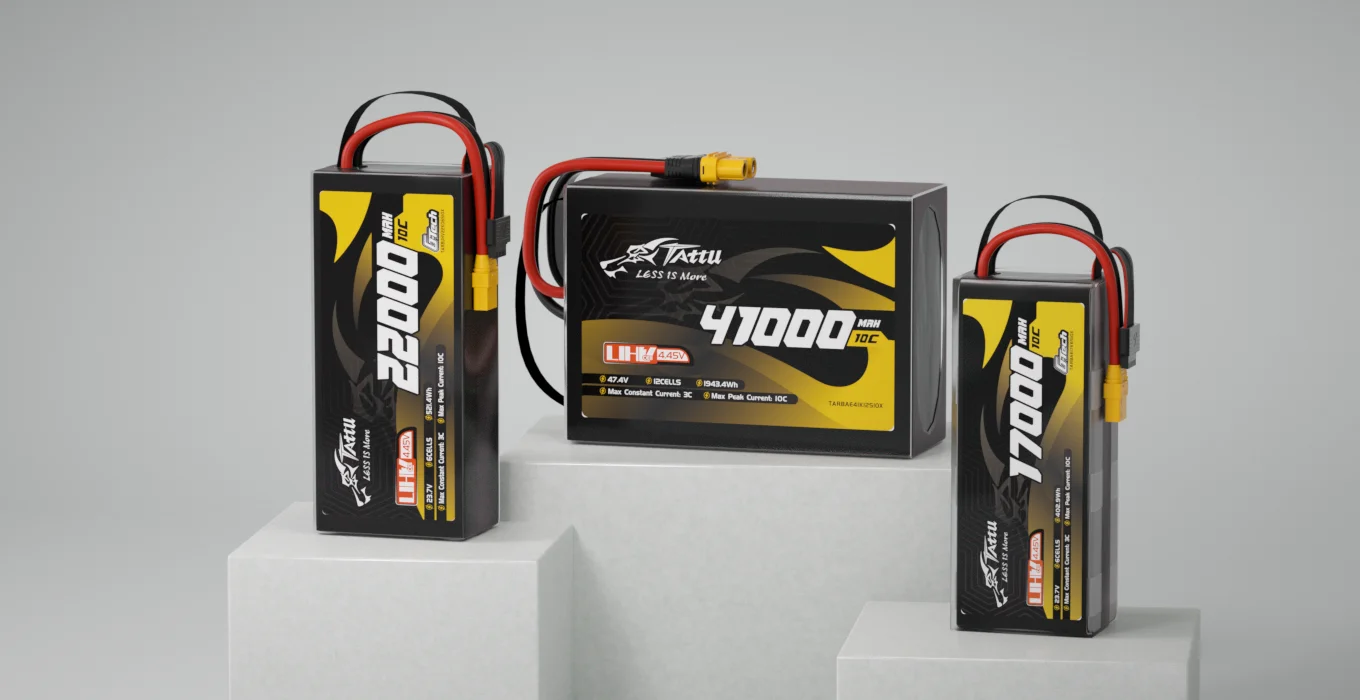
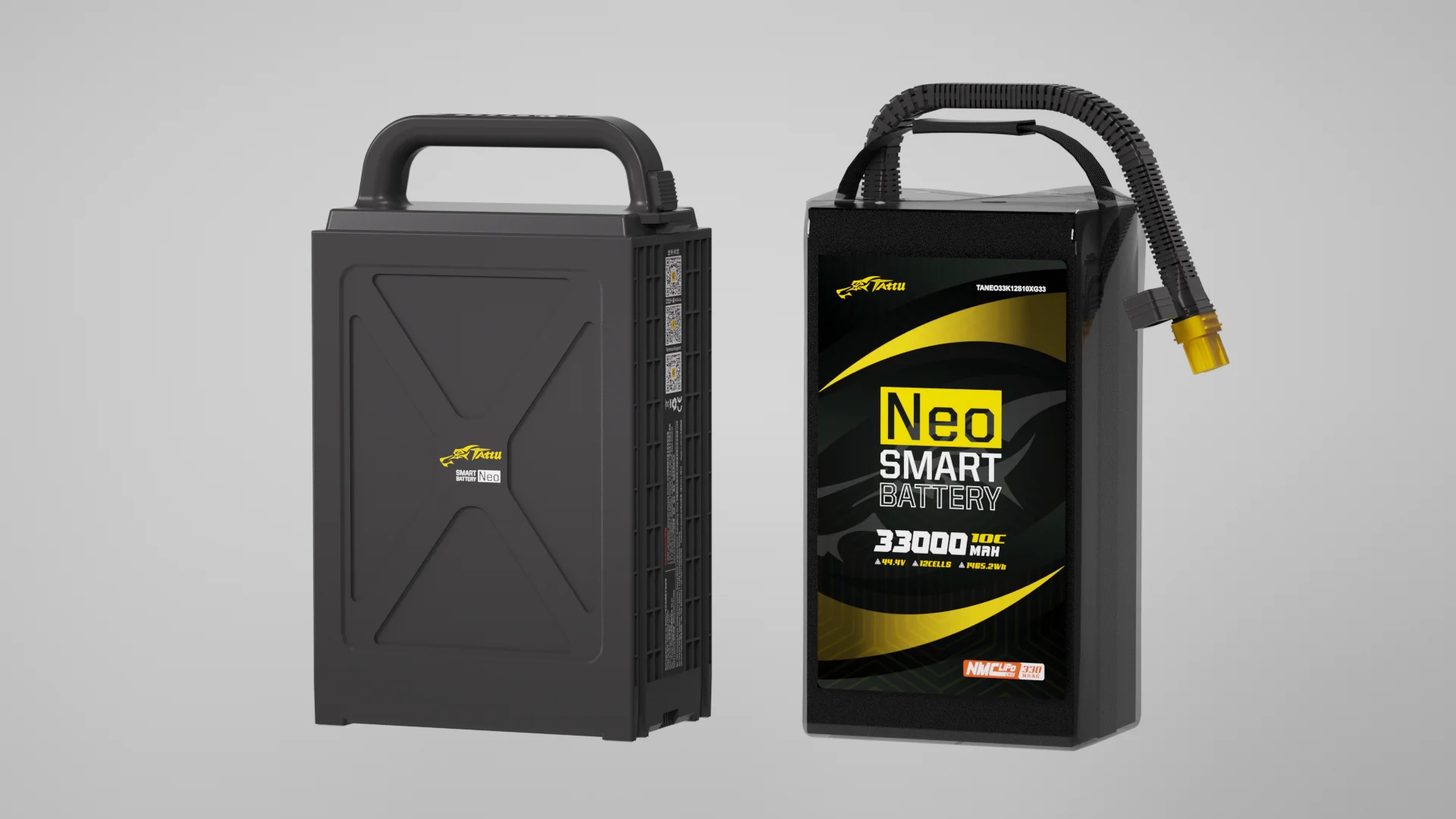
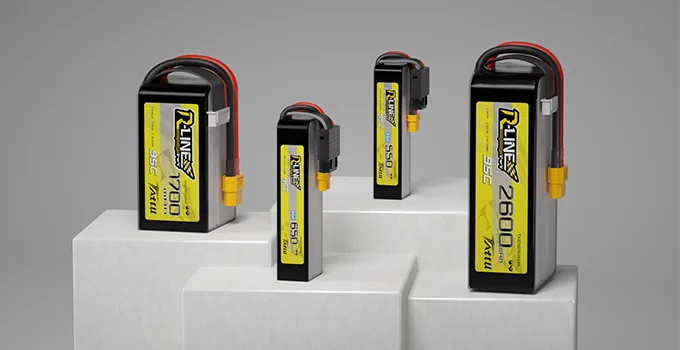
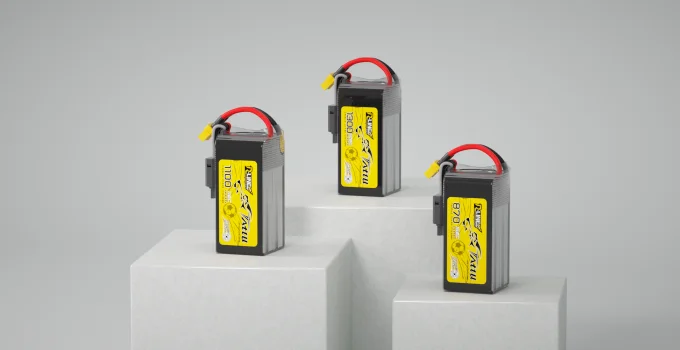
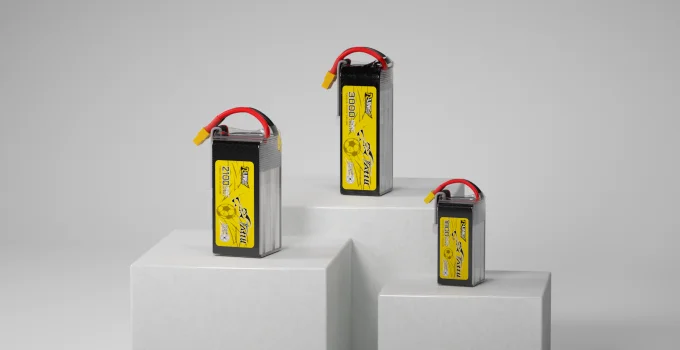
As a leading global drone battery manufacturer with 13 years of experience
in UAV power system design, Tattu can work with you from the earliest stages of
drone development to create a battery solution tailored to your aircraft's
specific requirements. Our 500wh/kg semi-solid state battery solutions are
designed to maximize flight endurance, optimize power performance, and improve
overall operational efficiency. Looking for the right battery solution for your
long-endurance drone? Contact us at [email protected] to discuss your
project.






 Blog
 Blog
 Blog


