As drones become more widely used in agriculture, industrial inspection,
cargo delivery, surveying, and other professional applications, their power
systems are facing higher demands. Longer flight time, greater payload capacity,
higher output power, and better operating efficiency are all becoming
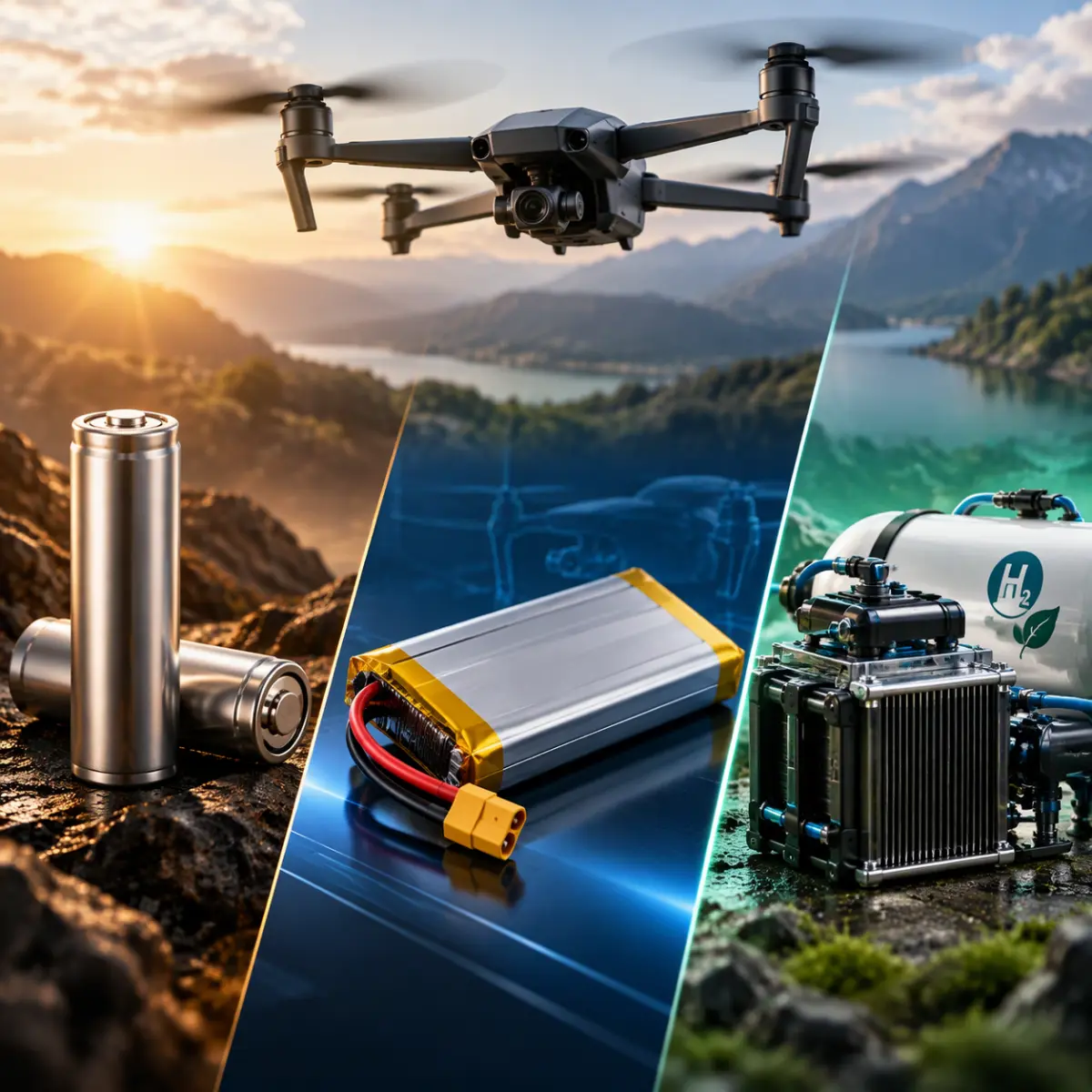
important. Today, lithium polymer (LiPo) batteries remain one of the most widely used
power sources for drones. However, new technologies, including rechargeable
lithium-metal batteries and hydrogen fuel cells, are creating more options for
future UAV development.
Each technology has its own strengths and limitations. LiPo batteries are
known for their high discharge capability and reliable power output.
Lithium-metal batteries offer the potential for much higher energy density.
Hydrogen fuel cells can support longer missions by generating electricity from
stored hydrogen. But which technology offers the best performance? And which one is most
likely to shape the future of drone power? To answer these questions, it is important to understand how each
technology works and how well it meets the actual needs of different UAV
applications.
1. What Is a Lithium-Metal Cell, and Where Do Drones Use It?
A lithium-metal cell works like a normal lithium-ion battery, but with one
key change: the anode (negative electrode) is made of pure lithium metal instead
of graphite. This matters because lithium metal stores far more energy per unit
of weight — its theoretical capacity is about 3,860 mAh/g, roughly ten times
that of graphite. In practice, most lithium-metal cells pair the metal anode
with a solid or semi-solid electrolyte, which helps control the safety problems
(dendrites, or tiny metal spikes, can short the cell) that blocked this
chemistry for decades.
Where does it fit in drone operations?
·Long-range commercial drones and cargo drones. In 2026, US solid-state
developer Factorial received its first commercial drone battery order for
lithium-metal cells, after a customer flight test showed more than a 30% range
increase over conventional batteries .
·High-performance industrial UAVs. Chinese suppliers now list
production-grade lithium-metal drone cells at 500 Wh/kg, alongside even lighter
"anode-less" designs at 550 Wh/kg . Ganfeng Lithium has also started small-scale
production of a 500 Wh/kg lithium-metal solid-state cell .
·eVTOL and next-generation platforms. Companies like Basquevolt report
lithium-metal cells above 400 Wh/kg today, with aerospace production targeted
from 2027 .
What still needs improvement?
Rechargeable lithium-metal cells face problems linked to uneven lithium
deposits. Needle-like growths, called dendrites, can damage the separator
between the electrodes and cause an internal short circuit. Reactions between
lithium and the electrolyte can also reduce performance over time. Scientific
reviews identify these as major barriers to wider use. For now, lithium-metal
batteries are a promising option for future high-energy UAVs, but their
long-term reliability, production cost, and commercial availability still need
further validation.
2. What Is a LiPo Cell, and Where Do Drones Use It?
LiPo — short for lithium polymer — is the battery almost every drone owner
has touched. Inside, it is essentially a lithium-ion chemistry built into a soft
pouch, using a gel or polymer electrolyte. It is light, cheap, can deliver very
high current on demand, and can be made in thin, flexible shapes. This makes
them especially suitable for drones that require rapid power output during
takeoff, climbing, acceleration, hovering, and maneuvering.
Where does it fit in drone operations?
Nearly everywhere. Consumer camera drones, FPV racing quads, agricultural
spraying drones, delivery drones, and most commercial inspection and mapping
fleets. LiPo remains the standard because it offers the best balance of power,
cost, and availability — not because it is the best at any single thing.
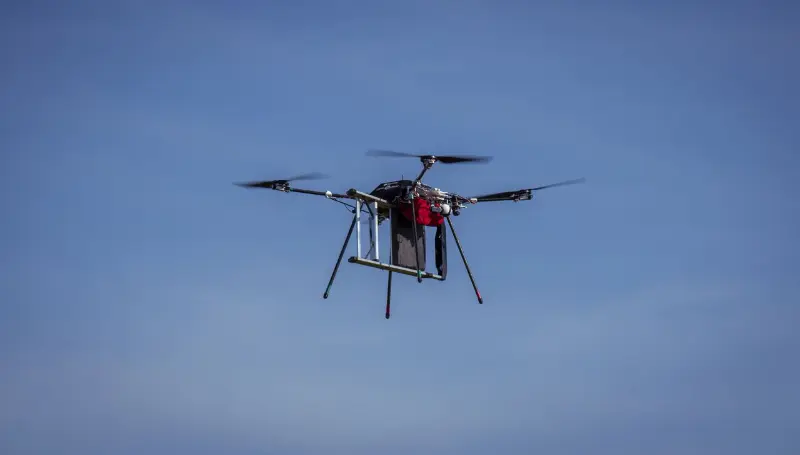
However, conventional LiPo batteries also have limitations. Their energy
density is relatively limited compared with emerging high-energy battery
technologies. High discharge rates can generate considerable heat, and repeated
high-load operation can accelerate battery aging. They also require proper
charging, cell balancing, temperature monitoring, and protection against
physical damage.
3. What Is a Hydrogen Fuel Cell, and Where Do Drones Use It?
A hydrogen fuel cell is not a battery. It is a small power generator:
hydrogen gas from a pressurized tank reacts with oxygen from the air across a
membrane (usually a PEM — proton exchange membrane), producing electricity,
heat, and water vapor. As long as hydrogen keeps flowing, electricity keeps
coming.
Why it matters for drones: hydrogen itself carries about 33 kWh/kg — vastly
more than any battery material. Even after you add the tank, valves, and
fuel-cell stack, complete systems reach roughly 250–540 Wh/kg in practice, with
some optimized system claims near 1,000 Wh/kg . That is why hydrogen drones fly
for hours instead of minutes, and refueling takes minutes instead of a long
recharge .
Real-world use cases:
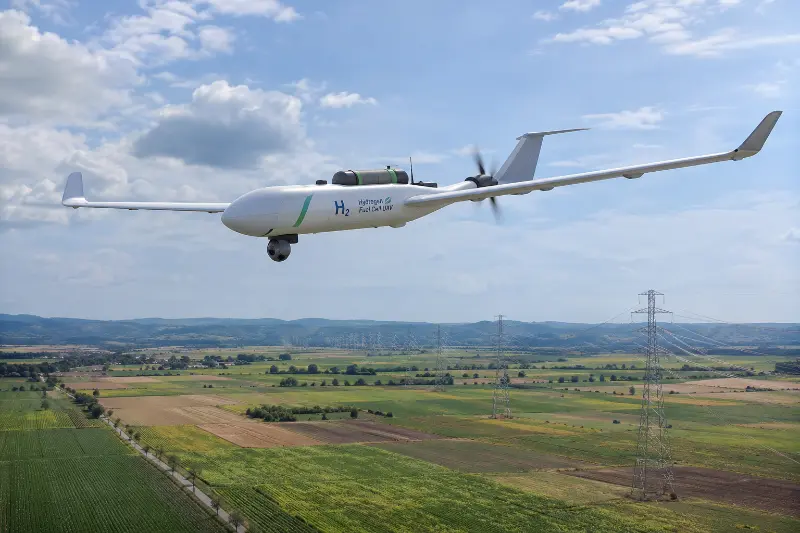
·Long-endurance inspection and surveillance. A 3.5 kW hexacopter with a
9-liter hydrogen tank and a small lithium buffer flew about 62 minutes; a
record-setting compressed-hydrogen drone stayed aloft 331 minutes under highly
optimized conditions . These platforms suit pipeline patrol, border
surveillance, and large-area mapping.
·Beyond-visual-line-of-sight (BVLOS) operations, where landing to swap
batteries would break the mission.
·Cold environments, where batteries lose capacity but fuel cells keep
working.
The honest drawbacks
Hydrogen tanks are bulky (volumetric energy density is poor), the fuel cell
stack has low power density so most hydrogen drones still carry a lithium
battery for take-off and sudden power needs , hydrogen infrastructure is scarce,
and the hardware costs far more than batteries . In addition, fuel cells do not
always respond as quickly as batteries to sudden changes in power demand. For
this reason, many UAV designs use a hybrid power system that combines a hydrogen
fuel cell with a lithium battery.
4. Which Technology Has the Highest Energy Density?
Energy density is one of the most important factors in drone power system
design. It describes how much energy a power sour ce can provide relative to its
weight or volume. For UAV applications, gravimetric energy density, measured in
Wh/kg, is especially important because every additional kilogram affects payload
capacity and flight performance. However, comparing lithium-metal batteries,
LiPo batteries, and hydrogen fuel cells requires some care. Their energy density
figures are not always measured at the same level. Cell or system level
(weight-based, Wh/kg):
| Technology | Typical figure today | Notes |
| LiPo | 150–250 Wh/kg | Mature, cheap, very high power output |
| Lithium-metal (solid/semi-solid) | 300–500+ Wh/kg | The highest of any rechargeable cell you can actually buy |
| Hydrogen fuel cell system | 250–540 Wh/kg practical (up to ~1,000 claimed) | Highest system-level ceiling; wins on long missions |
Per kilogram of power system, hydrogen has the highest ceiling, and
lithium-metal has the highest of anything you can recharge from a wall socket.
LiPo trails both but still wins on power delivery and price. One more twist: by
volume (Wh/L), the ranking changes — hydrogen tanks are large, and lithium-based
batteries are compact . For a small drone where every cubic centimeter counts,
that matters.
5. Which Drone Power Technology Is Most Likely to Become Mainstream?
There is unlikely to be one power technology that replaces all others. Different UAV applications have very different requirements, so the future
market will probably develop around several complementary technologies.
LiPo Will Remain Important for High-Power Drones
LiPo batteries already have a mature supply chain, established charging
systems, and extensive experience in UAV applications. For FPV racing,
agricultural spraying, and heavy-lift multirotors, high discharge capability and
reliable power output remain essential. Even as new battery technologies
improve, these applications will continue to need power sources capable of
handling demanding load conditions.
Lithium-Metal Batteries May Become an Important High-Energy Option
Rechargeable lithium-metal batteries have significant potential for future
electric aviation and long-endurance UAVs. If researchers can solve the problems
of cycle life, dendrite growth, safety, and manufacturing cost, they could
provide a meaningful improvement in battery energy density. However, widespread
adoption will depend on more than laboratory performance. Manufacturers must
also demonstrate stable production quality, repeatable performance, and reliable
operation under real flight conditions.
Hydrogen May Grow in Long-Endurance Industrial UAVs
Hydrogen fuel cells have a clear advantage in missions where long flight
time is the main priority. For example, infrastructure inspection, remote
monitoring, and long-range operations may benefit from the ability to fly for
several hours without carrying an extremely large battery pack. However,
hydrogen infrastructure and system integration remain important barriers. As a
result, hydrogen is more likely to become a specialized solution for
long-endurance UAVs than a universal replacement for battery-powered drones.
Hybrid Systems Could Become More Common
Another promising direction is combining different power technologies. A
hydrogen fuel cell can supply steady power, while a high-power lithium battery
handles sudden increases in demand. Similarly, future high-energy battery cells
could be combined with advanced battery management and thermal control systems
to improve overall flight performance. Rather than relying on one technology to
solve every problem, future UAV power systems may use different energy sources
to perform different tasks.
6. Beyond These Three: What Else Is Coming?
Lithium-metal batteries and hydrogen fuel cells are not the only
technologies that could improve UAV performance.Several other battery
technologies are also worth attention.
1. Silicon-Anode Lithium-Ion Batteries
Silicon has a much higher theoretical lithium storage capacity than
graphite. Replacing some or all of the graphite in a conventional lithium-ion
battery with silicon can increase the amount of energy stored in a cell without
completely changing the existing battery architecture.Some advanced
silicon-anode cells have already reached energy densities of around 400–450
Wh/kg. Potential applications include long-endurance fixed-wing UAVs,
high-altitude platforms, and electric aviation. The main challenges include
silicon expansion during charging, electrode degradation, and maintaining long
cycle life.
2. Semi-Solid-State and Solid-State Batteries
Semi-solid-state and solid-state batteries are attracting considerable
attention because they offer new ways to improve energy density and battery
safety. It is important to understand that these terms describe electrolyte and
cell design approaches rather than one specific electrode chemistry. Some
solid-state batteries can also use lithium-metal anodes. By changing the
electrolyte structure, researchers aim to improve stability and reduce some of
the safety risks associated with conventional liquid-electrolyte systems.
3. Lithium-Sulfur Batteries
Lithium-sulfur (Li-S) batteries are another promising technology. They use
a sulfur-based positive electrode and commonly a lithium-metal negative
electrode, so they overlap with the lithium-metal category rather than forming a
completely separate alternative. Sulfur is relatively abundant and has a high
theoretical energy capacity. Lithium-sulfur chemistry therefore has the
potential to deliver much higher specific energy than conventional lithium-ion
batteries. This makes it attractive for weight-sensitive applications such as
long-range UAVs and electric aircraft. However, lithium-sulfur batteries still
face several major challenges. The most important include the shuttle effect,
lithium dendrite growth, and capacity degradation during repeated charging and
discharging.
Conclusion
The comparison between lithium-metal cells, LiPo batteries, and hydrogen
fuel cells shows that there is no single solution for every drone
application.LiPo batteries remain a practical choice for high-power UAVs because
of their strong discharge capability, mature technology, and established supply
chain. Rechargeable lithium-metal batteries offer exciting possibilities for
future high-energy applications, but further progress in cycle life, safety, and
manufacturing is still needed. Hydrogen fuel cells provide another route to
longer flight endurance, particularly for industrial UAVs performing
long-duration missions. Their wider adoption, however, depends on improvements
in hydrogen storage, system weight, cost, and refueling infrastructure.
Looking ahead, silicon-anode, semi-solid-state, solid-state, and
lithium-sulfur batteries could further expand the performance limits of electric
drones. Ultimately, the best drone power system will not simply be the one with
the highest energy density. It will be the one that delivers the right balance
of energy, power, weight, safety, operating cost, and reliability for the
mission.
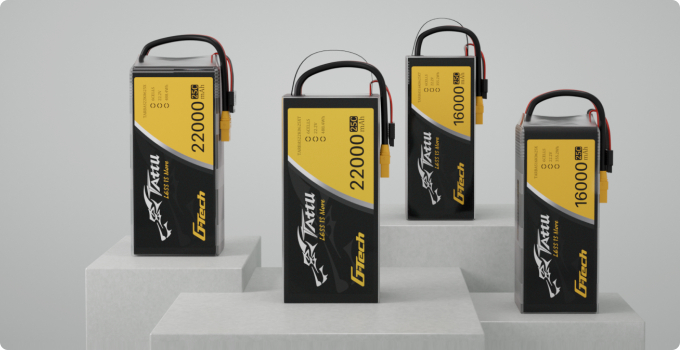
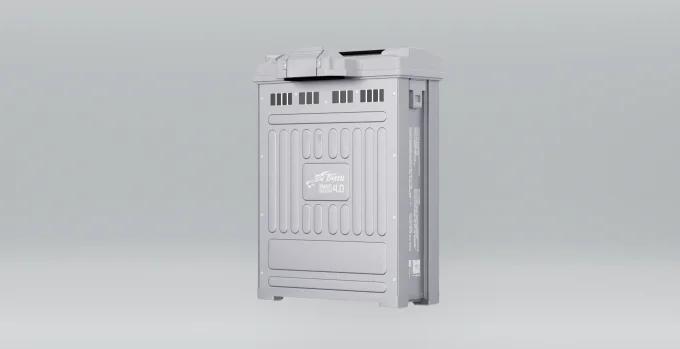
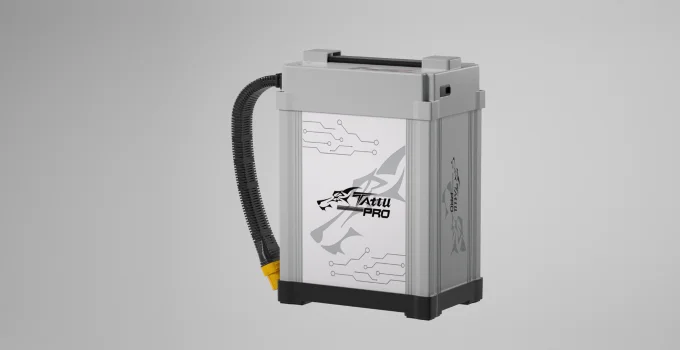
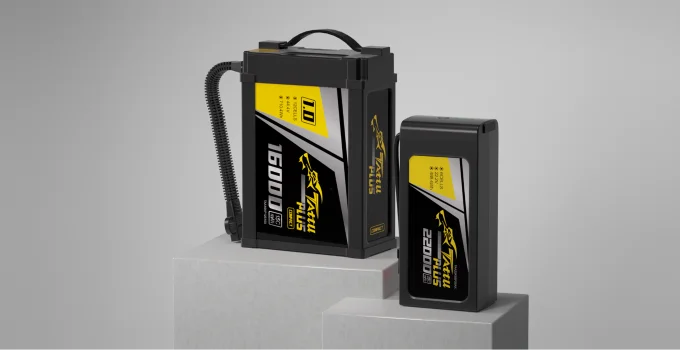
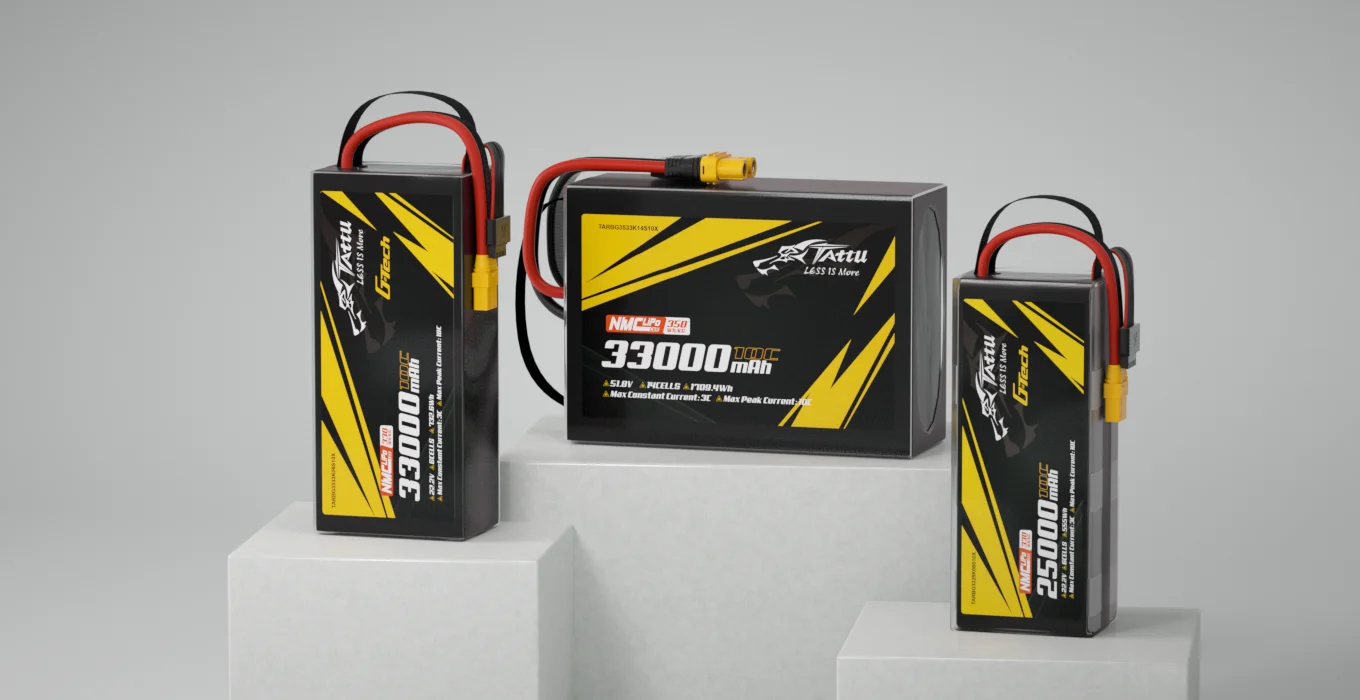
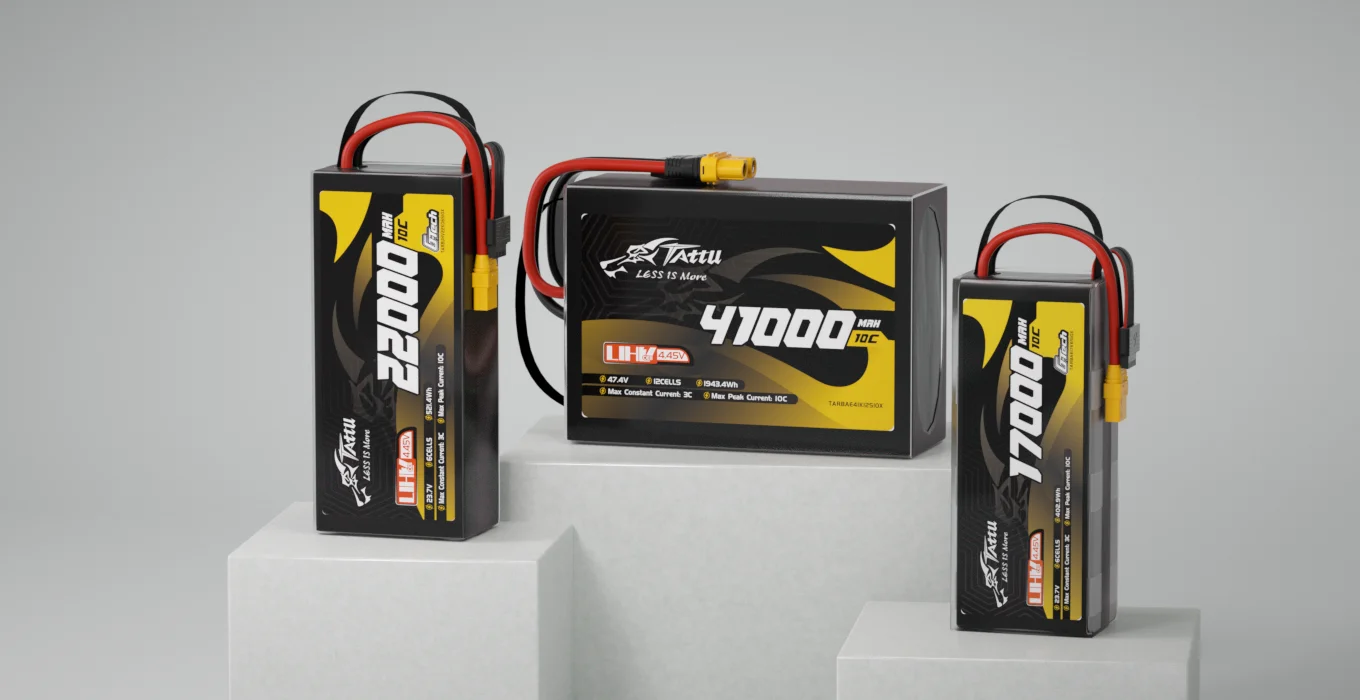
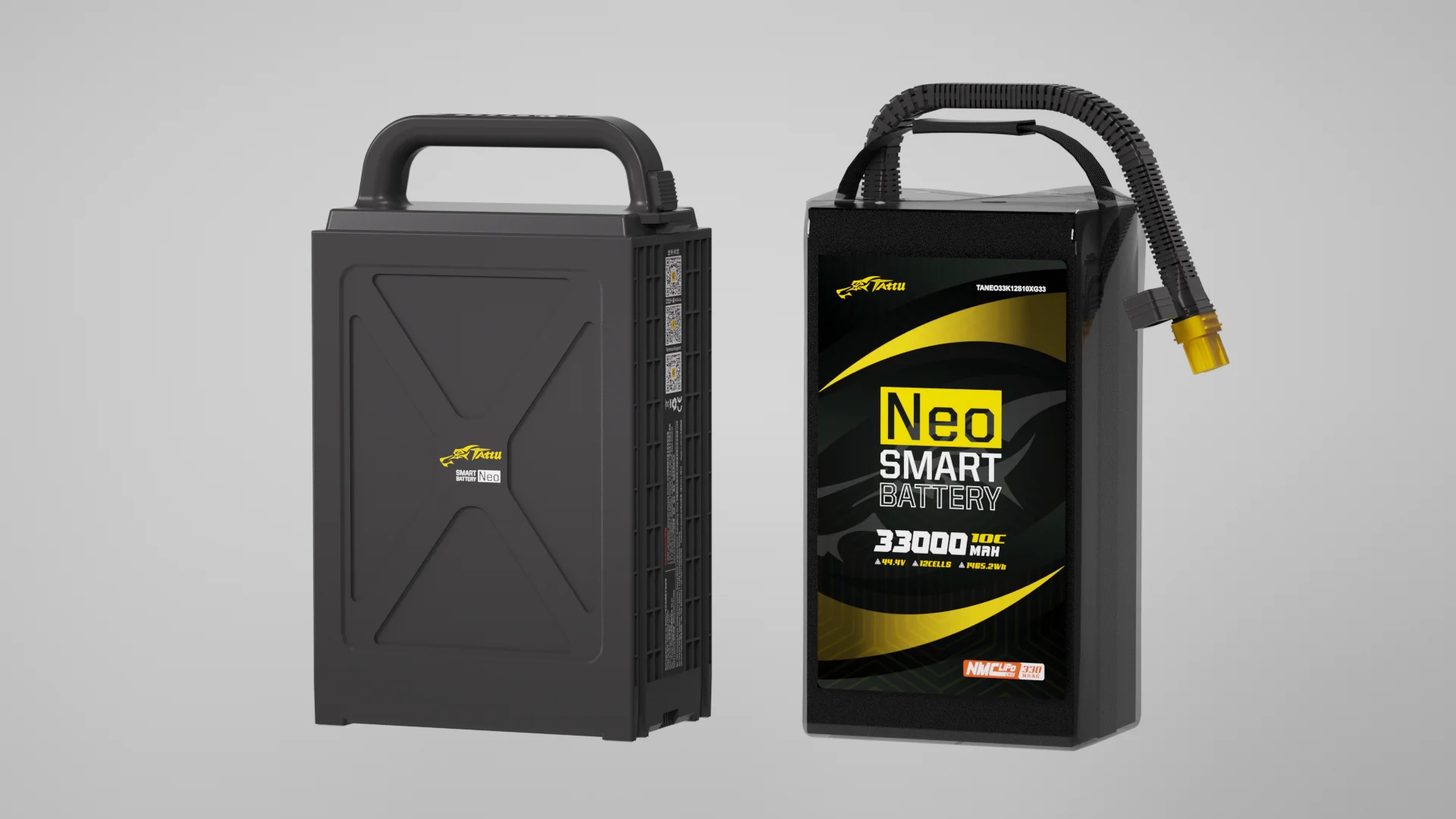
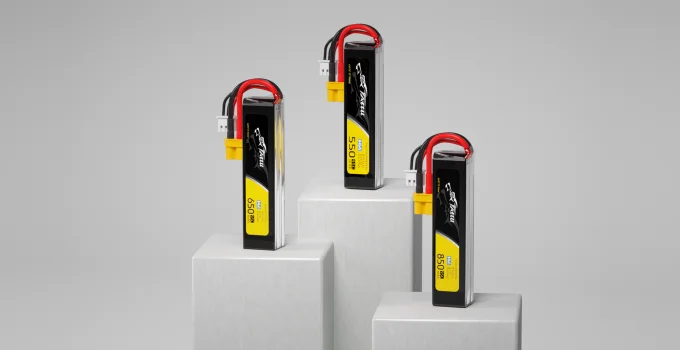
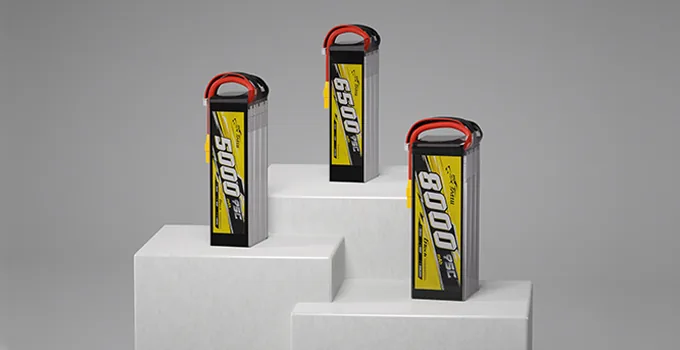
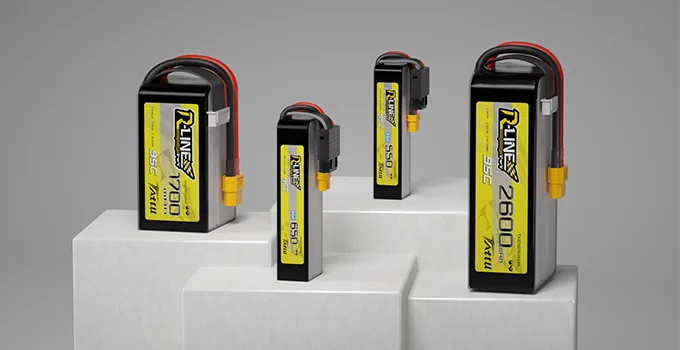
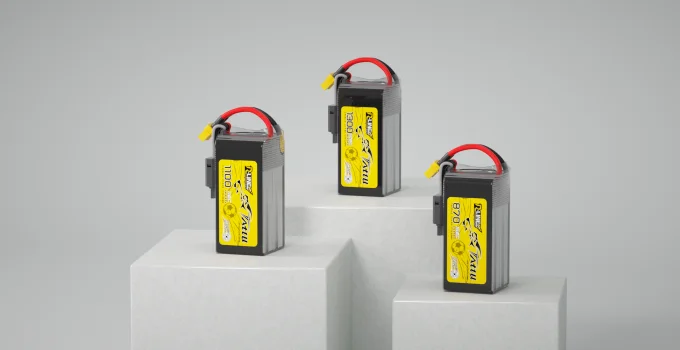
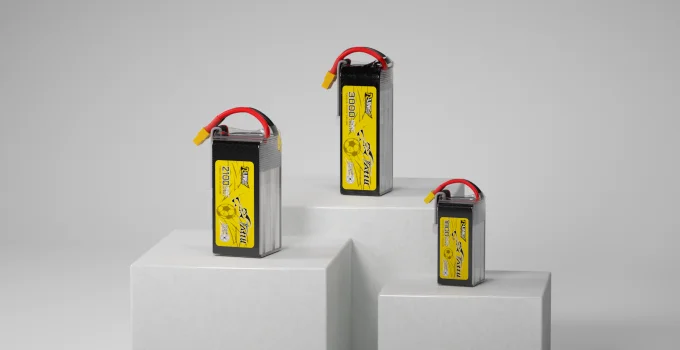
As a leading global drone battery manufacturer, Tattu provides a complete
lineup of pouch-cell and smart high-rate LiPo batteries tailored for commercial
UAV and recreational FPV applications. For long-endurance requirements, Tattu
semi-solid-state drone batteries leverage advanced silicon-carbon anode
technology to achieve an energy density of up to 500 Wh/kg—making them the ideal
power solution for extended VTOL and fixed-wing missions. For technical
inquiries or custom battery solutions, contact our team at
[email protected].







 Blog
 Blog
 Blog


