Tattu 5.0 Powers Heavy-Lift UAV Carrying a Large Bronze Payload
Case Study
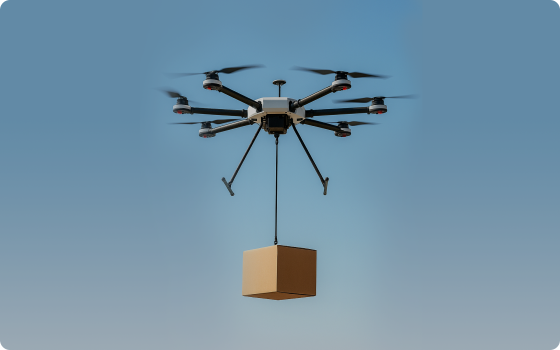
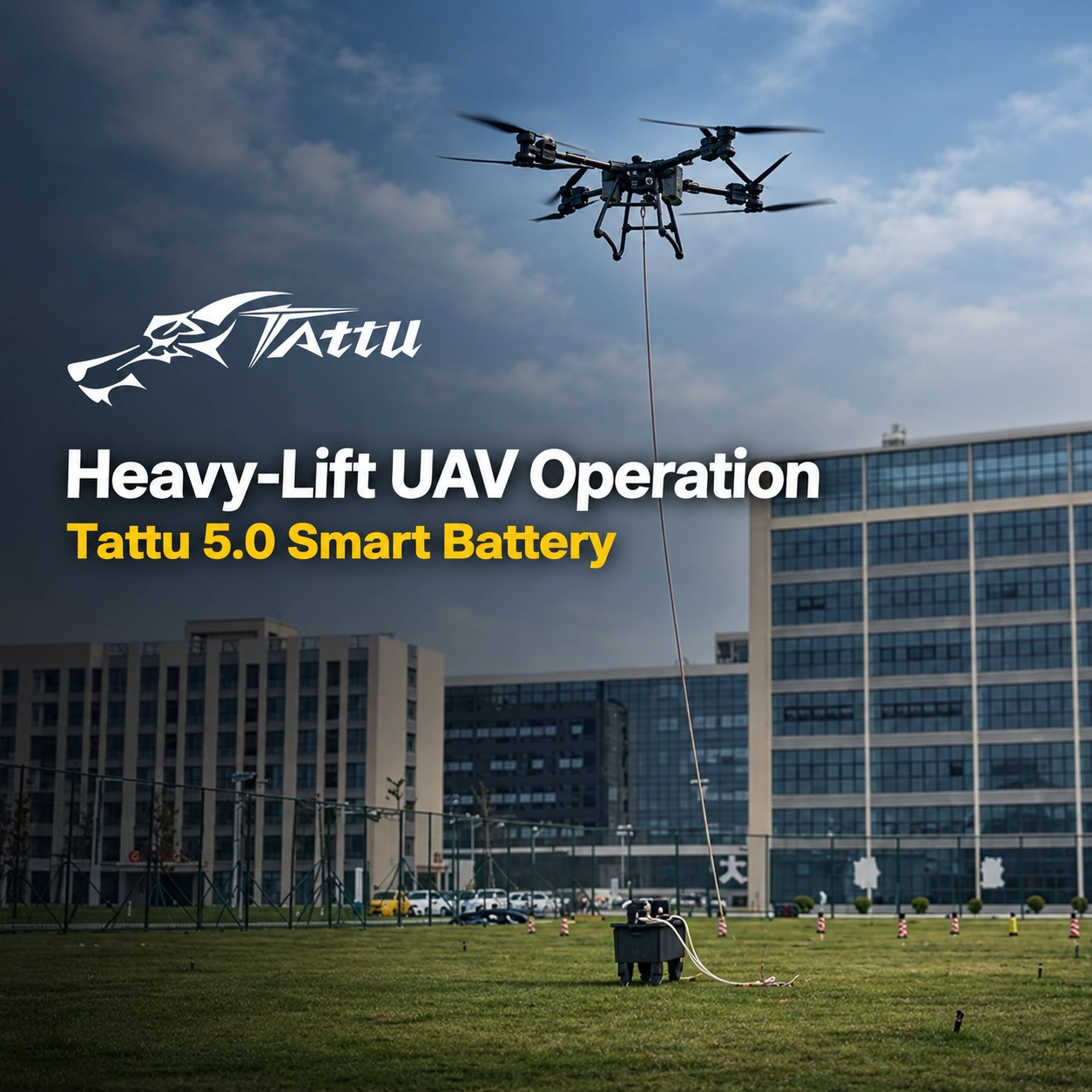
In this real-world flight demonstration, a heavy-lift multirotor UAV powered by Tattu 5.0 Smart Batteries lifts a large bronze payload using a suspended cargo line.
The aircraft completes payload lifting, hovering, position adjustment, and loaded flight. These different flight stages place changing demands on the propulsion system and provide a practical look at how the battery performs under heavy-load conditions.
Case Overview
Item
Details
Application
Heavy-Lift UAV
UAV Type
Large Multirotor Cargo UAV
Payload
Large Bronze Payload
Battery Used
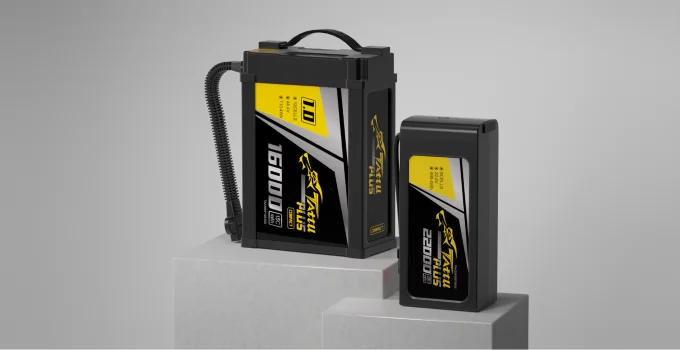
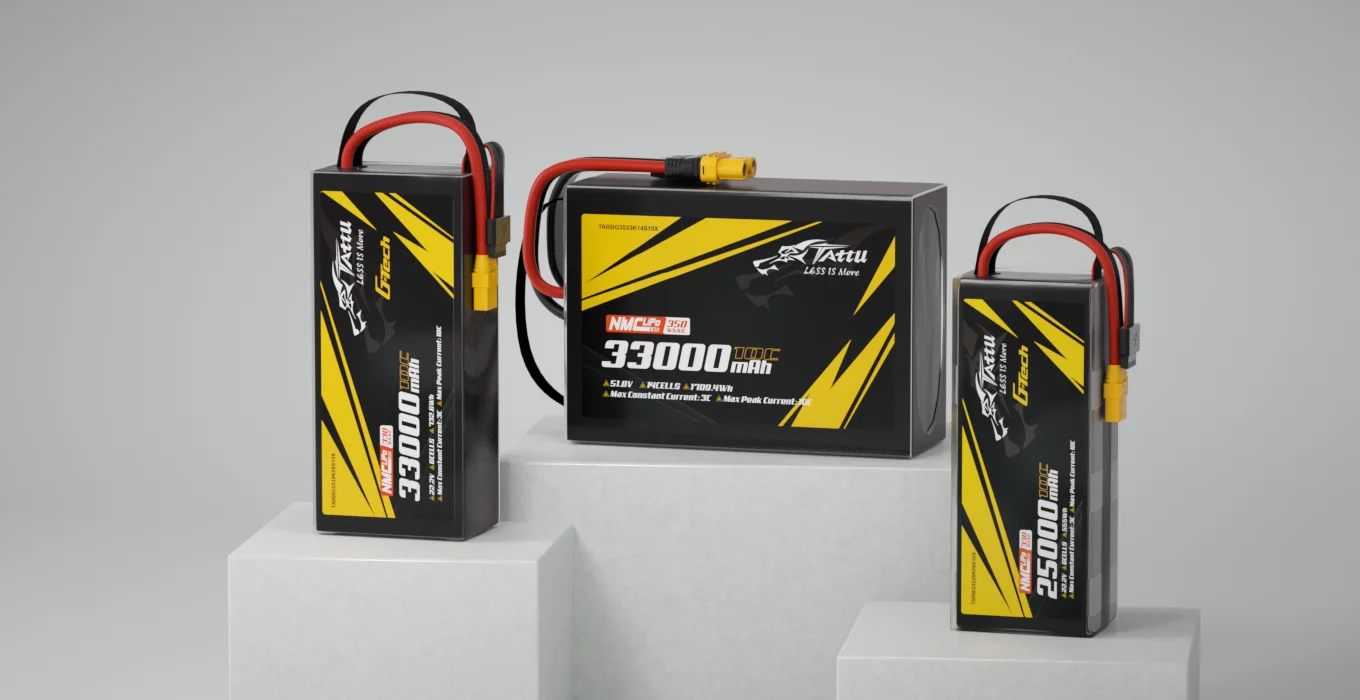
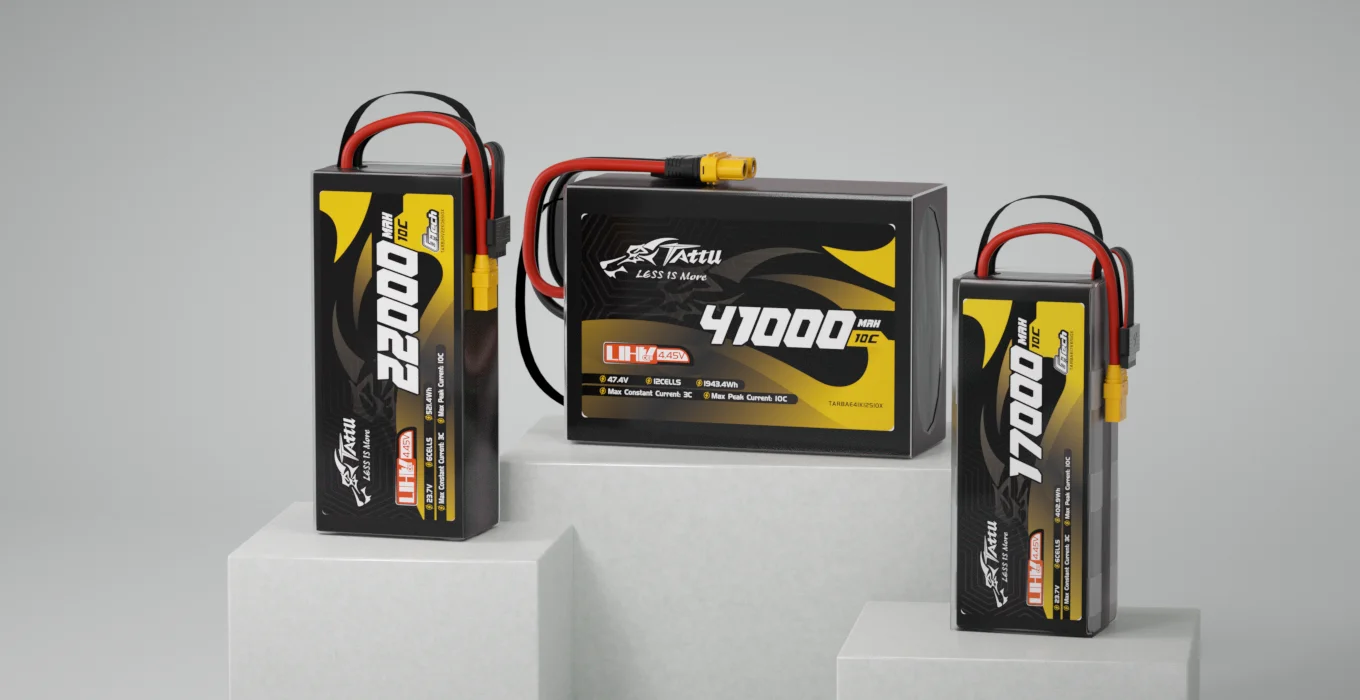
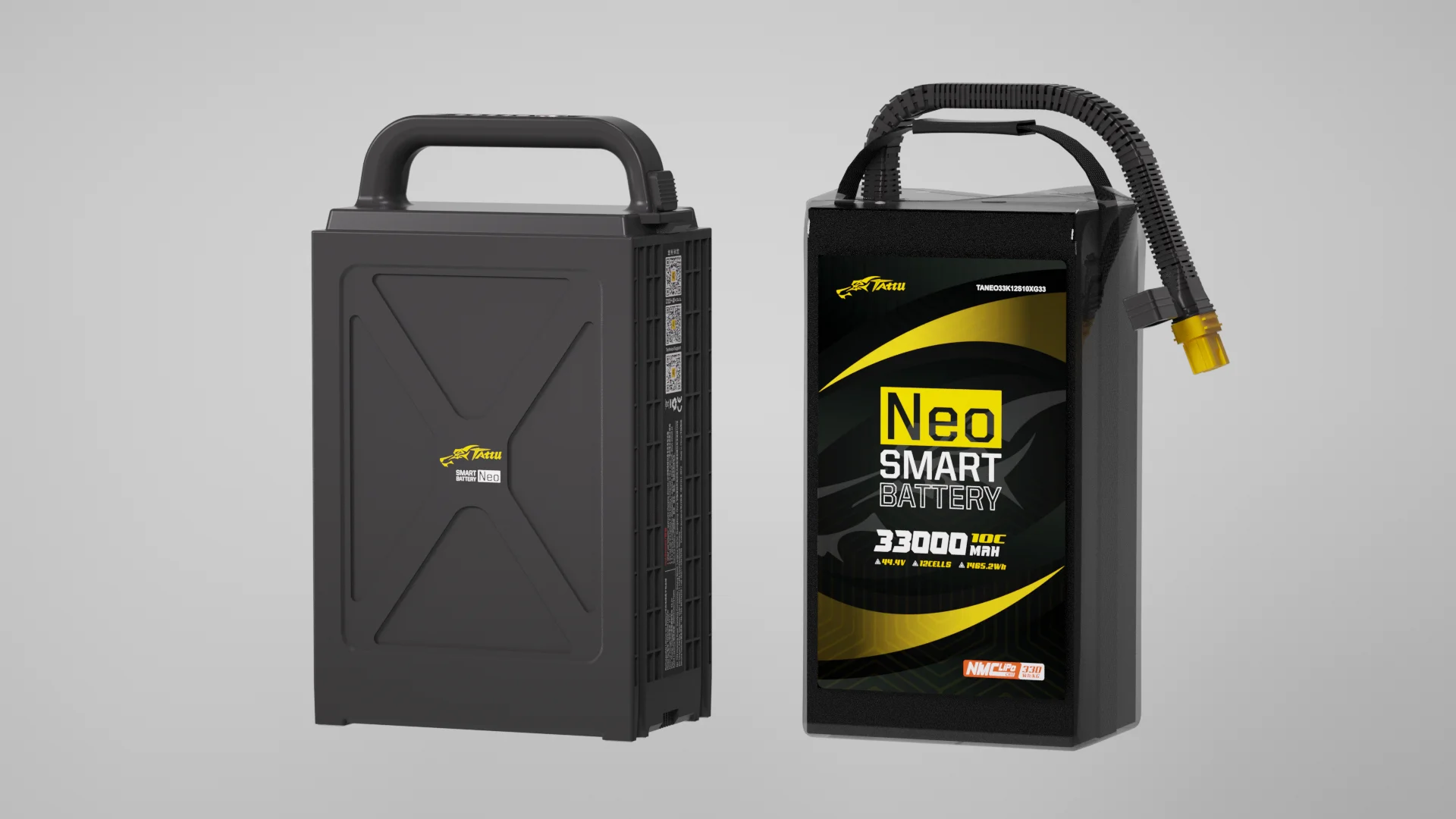
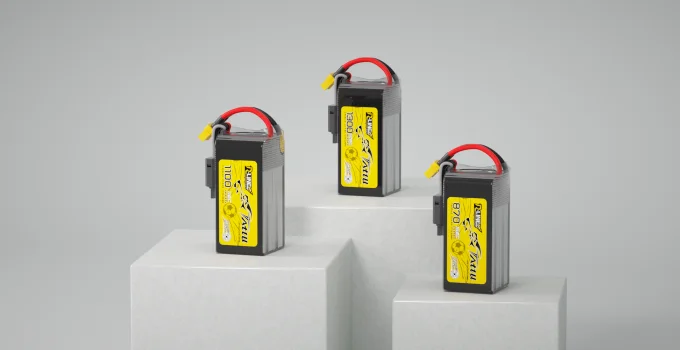
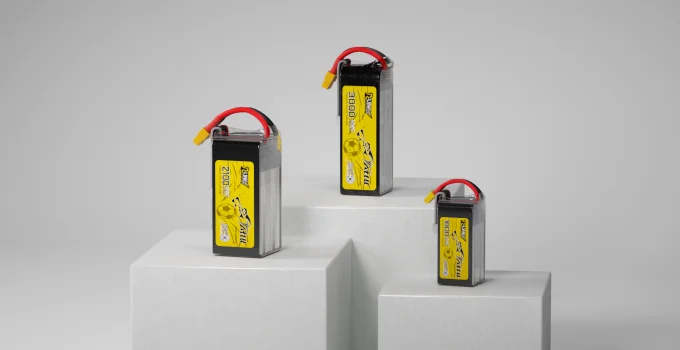
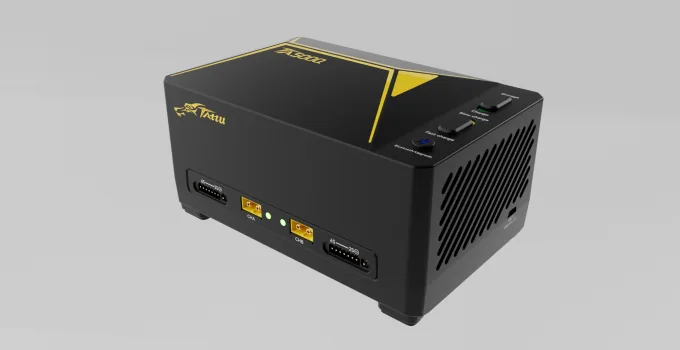
Tattu 5.0 Smart Battery
Working Conditions
Payload Lift, Hovering, Position Adjustment and Loaded Flight
Power Requirement
High Power Output and Stable Delivery Under Heavy Load
Working Video
Power Requirements for Heavy-Lift UAV Operations
Carrying a suspended heavy load creates a different power profile from unloaded flight.
During takeoff and the initial lifting stage, the propulsion system must generate enough thrust to lift both the UAV and its payload. This creates a relatively high power demand on the battery.
Once the payload is airborne, the aircraft must continue supporting the load while maintaining altitude and position. At this stage, sustained and stable power delivery becomes especially important.
A suspended payload can also move beneath the aircraft. When the UAV adjusts its position, changes direction, or responds to load movement, the motors continuously adjust their output to maintain flight stability.
For this type of mission, the battery therefore needs to support both strong output during high-load stages and stable power delivery throughout sustained flight.
Tattu 5.0 is developed for high-power industrial UAV platforms, helping support the changing power requirements that occur during lifting, hovering, and loaded flight.
Why Power Stability Matters with Suspended Loads
Payload capacity is not determined by maximum thrust alone.
A heavy-lift UAV continuously moves between different power states during an actual mission.
When the load first leaves the ground, power demand rises quickly. During hovering, the aircraft requires sustained output to maintain altitude. When the payload moves or the UAV corrects its position, individual motors may temporarily increase or reduce power to stabilize the aircraft.
This means the battery must respond to both sustained loads and rapid changes in demand.
Stable battery output gives the propulsion system a more consistent power foundation, helping the aircraft respond effectively as operating conditions change.
For heavy-lift UAVs, this becomes particularly important when carrying large suspended loads where aircraft movement and payload movement can influence each other.
Operational Value of Heavy-Lift UAV Transport
Suspended-load UAVs provide a flexible way to move equipment, materials, and irregularly shaped cargo without requiring the payload to fit inside the aircraft structure.
This can be useful for short-distance transport across construction sites, open terrain, slopes, waterways, or other locations where direct ground access is inconvenient.
Instead of relying entirely on fixed ground routes, operators can use aerial transport to connect working areas more directly and support on-site material movement.
For industrial users, the value is not simply lifting a heavier object. It is the ability to introduce a more flexible transport option into operations where terrain, distance, access, or payload shape can make conventional handling more complicated.
Case Value
This flight provides a practical demonstration of Tattu 5.0 Smart Batteries operating under real heavy-load conditions.
The battery supports several different stages within the same mission: initial payload lifting, sustained hovering, position correction, and loaded flight. Each stage creates a different power demand on the propulsion system.
Rather than demonstrating a single peak-output moment, the case shows the importance of maintaining power delivery as the aircraft moves between different operating states.
For Tattu, this provides a real application reference for Tattu 5.0 in high-power industrial UAV and suspended-load operations, where both output capability and power stability are critical to the overall propulsion system.




 Case Study
 Case Study
 Case Study


