From Sci-Fi Dream to Reality: Tattu Powers Ayu's Electric Flying Skateboard
Case Study
Inspired by the Green Goblin's flying glider in Spider-Man, Chinese tech creator Ayu set out to turn a sci-fi dream into reality.
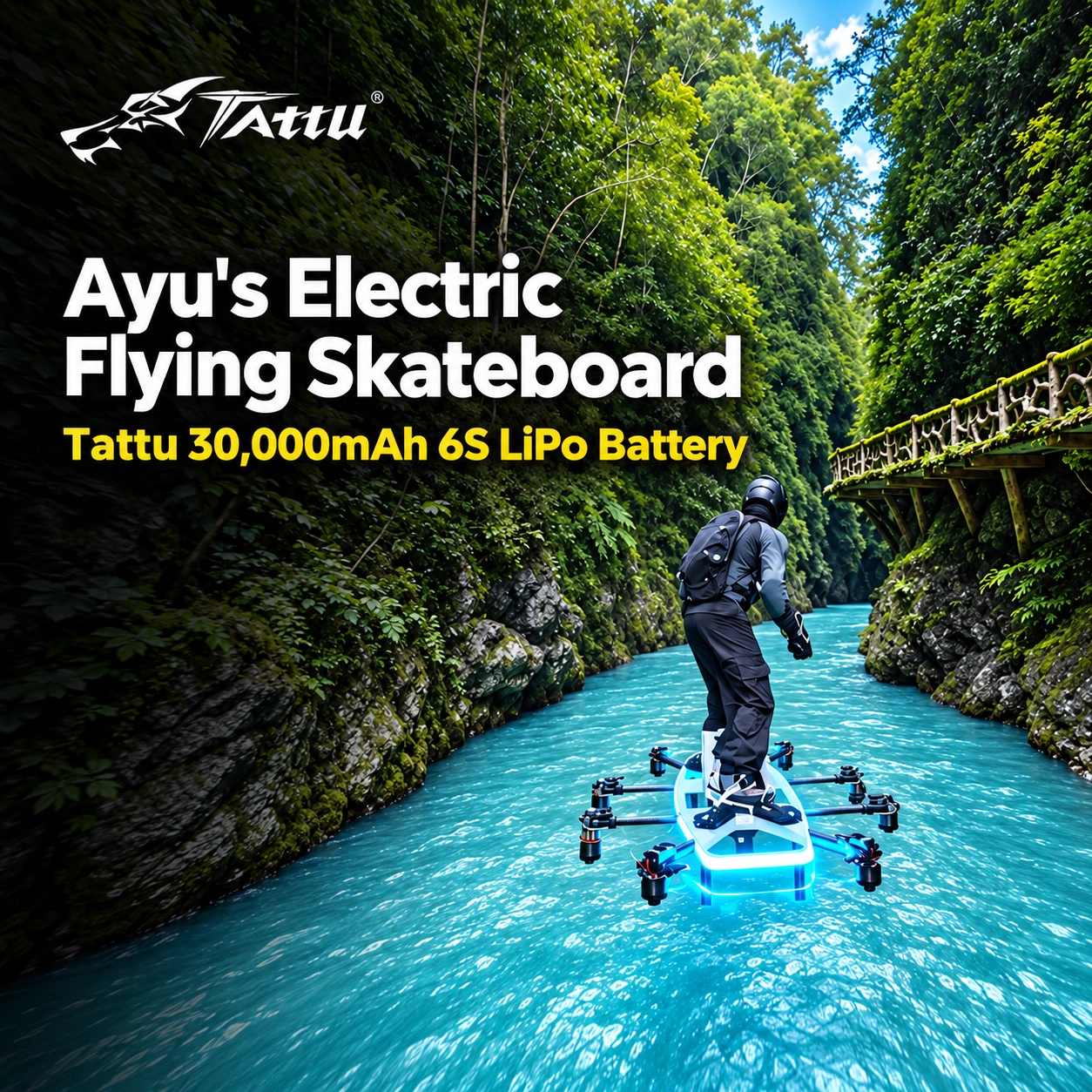
With a passion for technology and hands-on engineering, Ayu built his own electric flying skateboard. Before unveiling it at a technology event in Shanghai, he had already flown it over the Yangtze River and the town of Badong in Hubei, and tested it in the canyons at Baren River Scenic Area.
At the Shanghai event, Ayu flew onto the stage on his own creation. His controlled low-altitude hovering and straight-line flight brought a familiar sci-fi scene to life.
Behind this achievement are countless hours of testing, engineering work, and a powerful electric propulsion system supported by Tattu batteries.
Case Overview
Item
Details
Application
Electric flying skateboard
Battery Setup
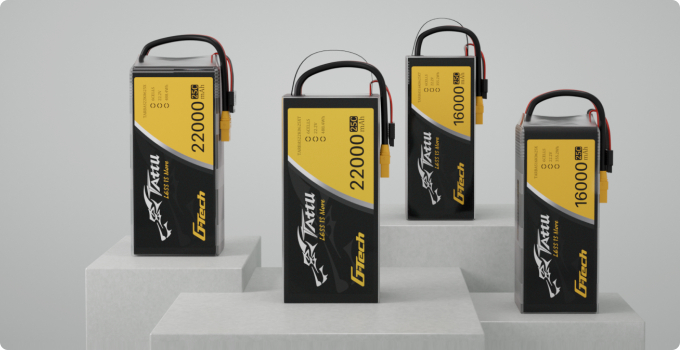
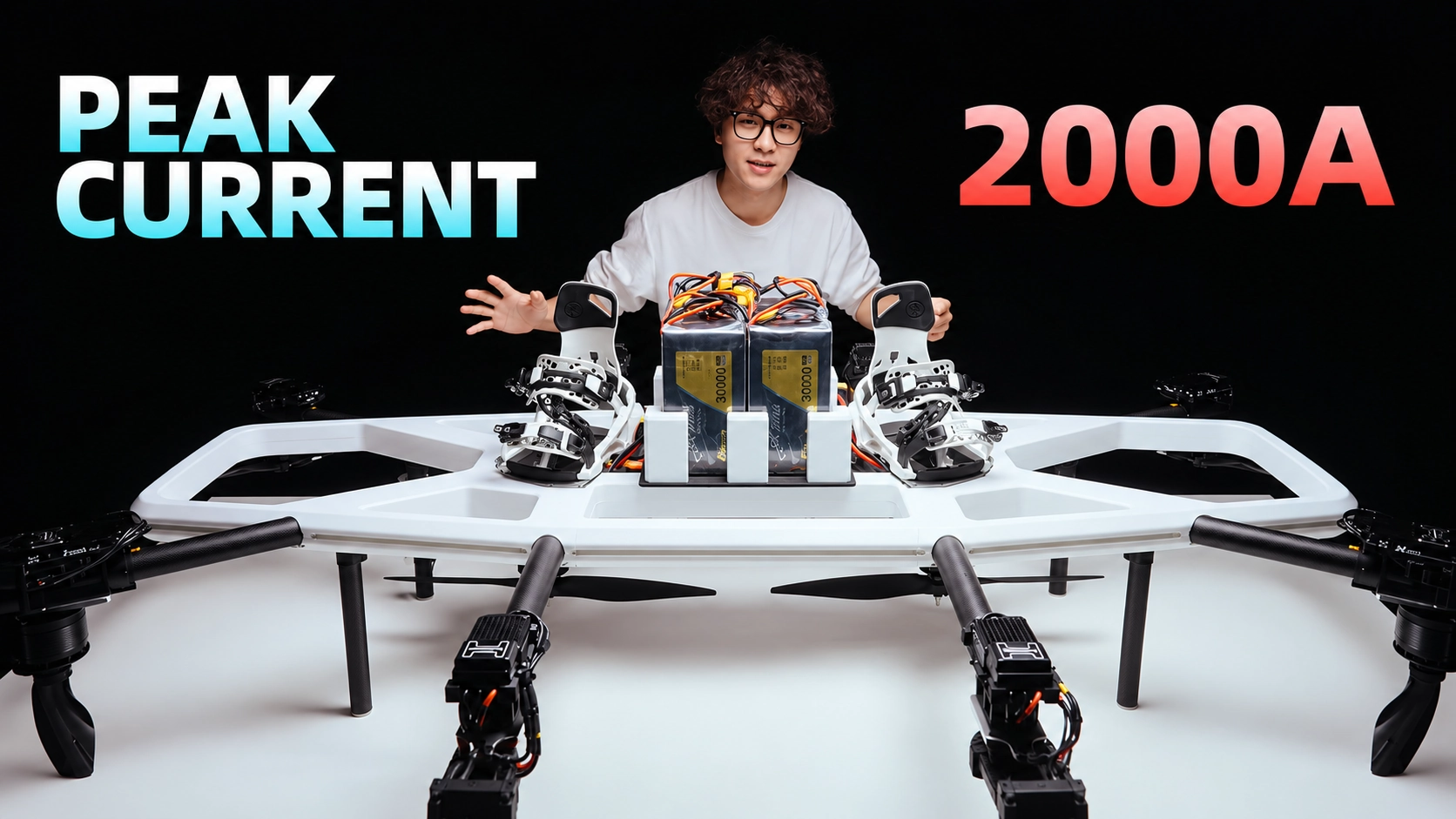
8 × Tattu 30,000mAh 6S 25C LiPo batteries
Peak System Current
Up to 2,000A
Weight per Battery Pack
3,494g
Propulsion System
10 brushless motor units, each producing over 30kg of thrust
Flight Performance
Low-altitude hovering and straight-line flight
Project Video
From Failed Tests to Electric Power
Building the flying skateboard was not easy.
Ayu first explored a turbojet engine design. During early tests, the engines were placed too close together, causing hot exhaust to flow back into the air intakes and leading to a combustion incident.
Rather than give up, Ayu used AI to help analyze the problem and explore a new approach. He eventually switched to electric propulsion.
The final design uses ten brushless motor units, each producing over 30kg of thrust. Together, they generate enough thrust to lift a load equivalent to the weight of four adults.
Switching to electric power was a key step in turning Ayu's sci-fi dream into a working flying prototype.
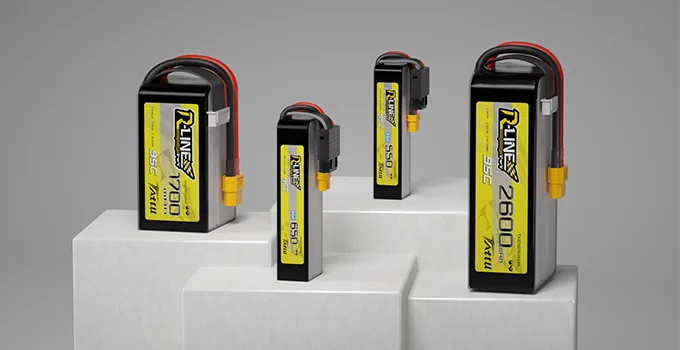
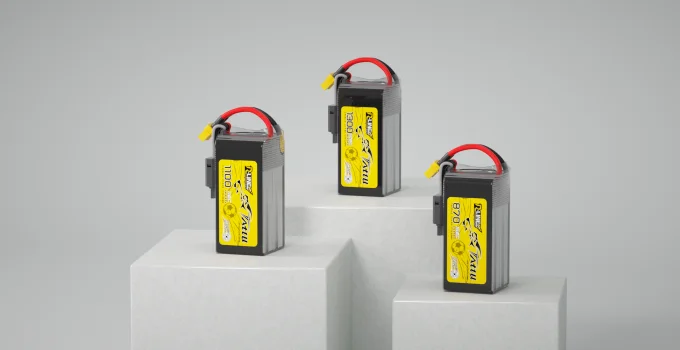
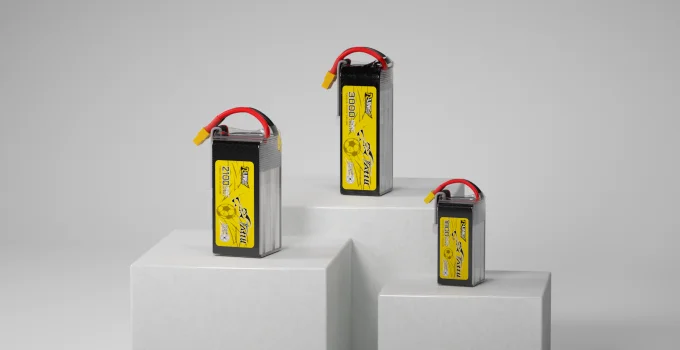
With a capacity of 30,000mAh and a 25C discharge rating, these batteries offer high capacity and strong discharge performance for demanding power applications.
For a flying platform with ten motor units, choosing the right battery is important. The battery must meet the system's power needs while fitting the design's weight and space limits.
Tattu has extensive experience developing batteries for UAVs and other high-performance applications. This project shows how Tattu batteries can also support new and unconventional electric platforms.
AI Voice Guidance Helps Ayu Control His Flight
Power is only part of the challenge. Ayu also needed a way to manage his body position while riding the flying skateboard.
He built an AI-assisted guidance system using two smartphones. During flight, the system sends voice prompts through a Bluetooth headset. For example, it may say, "Your center of gravity is shifting left," helping him adjust his body position.
Through repeated practice and testing, Ayu learned to perform low-altitude hovering and straight-line flight. His project brings together engineering, AI, and hands-on problem-solving to make an ambitious idea fly.
Tattu: Powering New Ideas
From drones to electric flying skateboards, battery technology continues to find new applications.
In Ayu's project, Tattu batteries provide power for a flying machine inspired by science fiction. It is another example of how the right battery can help turn an ambitious idea into reality.
Tattu offers a range of battery solutions for UAVs and other high-performance applications. If you are developing a drone or a new electric device, contact our team to discuss a battery solutionthat fits your project's needs.







 Case Study
 Case Study
 Case Study


