The drone industry is moving beyond manually piloted flights toward systems
that can operate independently, collect data automatically, and respond to
real-world events with minimal human involvement. Two terms frequently appear in
this transition: drone-in-a-box systems and autonomous UAVs.
Although they are often discussed together, they describe different aspects
of drone technology. A drone-in-a-box system focuses on where and how a drone is
stored, deployed, charged, and maintained, while an autonomous UAV focuses on
how independently a drone can perform missions.
A drone can be autonomous without being housed in a box, and a
drone-in-a-box system can include different levels of autonomy depending on its
software and mission capabilities. This guide explains how these technologies
work, how they differ, and how to choose the right solution for different
operational needs.
What Is a Drone-in-a-Box System and How Does It Work?
A drone-in-a-box (DiaB) system is a complete, self-contained aerial
infrastructure package. The aircraft lives inside a weatherproof enclosure that
also serves as its launch pad, landing pad, charging (or battery-swap) station,
data uplink, and environmental shelter. The system is typically installed at or
near the operational site and remains there.
When a mission is triggered—either on a scheduled routine or in response to
an external sensor alert (like a perimeter breach)—the box physically opens, and
the drone launches automatically. Upon completing its data-gathering mission,
the drone navigates back to the box, lands precisely on the pad, offloads its
data to the cloud via the box’s network connection, and begins recharging for
the next flight.
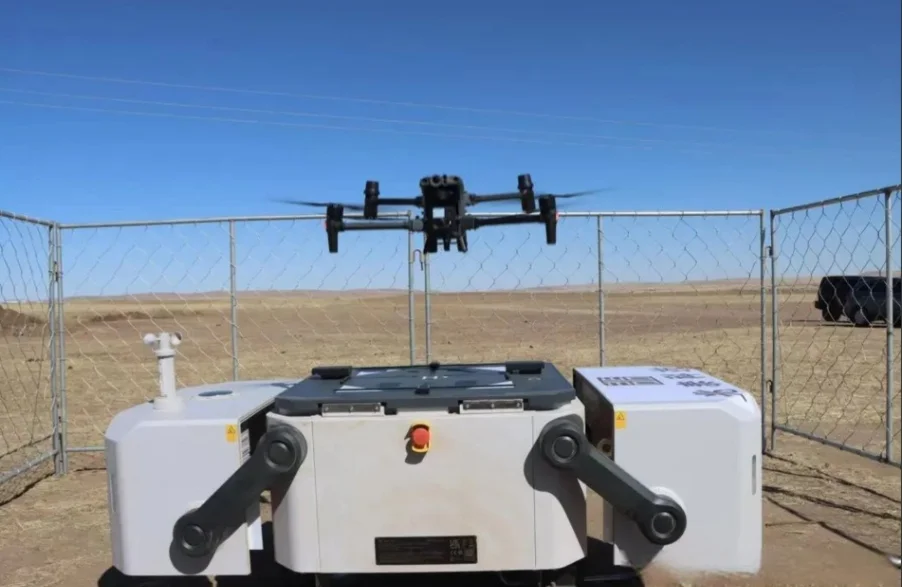
That closed loop changes the economics of drone operations. Instead of
transporting equipment, deploying a pilot, launching manually, recovering the
aircraft, and processing footage after every flight, an organization can keep a
drone at the asset it needs to monitor. This is particularly useful for solar
farms, substations, construction sites, ports, mining areas, rail corridors, and
perimeter-security applications.
What Is the Difference Between a Drone Docking Station and a
Drone-in-a-Box?
The terms are often used interchangeably, yet they are not identical. A
drone docking station (or dock/nest) refers primarily to the physical
hardware—the weatherproof box with landing platform, charging interface,
environmental controls, and mechanical actuators. A drone-in-a-box system is the
full solution: the dock plus the aircraft, communications links,
mission-management software, data workflows, and operating procedures that
enable remote or automated operations. In short, the dock is a component; the
DiaB is the operational ecosystem built around it.
What Are the Different Drone-in-a-Box Configurations?
There is no single DiaB architecture. The right configuration depends on
mission frequency, payload, weather exposure, power availability, regulatory
conditions, and how much human involvement the operator can accept.
Fixed, single-drone station
This is the most common arrangement: one compatible multirotor lives in one
weatherproof dock at a fixed site. It is suitable for recurring perimeter
patrols, roof inspections, progress documentation, thermal scans, and incident
response.
Networked multi-dock deployment
A multi-dock network uses several stations across a large industrial site,
city district, pipeline route, or logistics campus. The control platform
allocates tasks by location, battery state, dock availability, weather status,
and priority. This configuration can reduce travel time to an alert and create
redundancy.
Mobile or vehicle-mounted dock
A dock can be installed on a trailer, truck, vessel, or temporary field
base. This arrangement is useful for disaster assessment, temporary construction
projects, infrastructure surveys, and emergency operations. Mobility improves
coverage but creates additional engineering issues: vibration, orientation,
leveling, secure power, reliable communications, and accurate take-off and
landing references after relocation.
How is a Drone-in-a-Box Powered and Charged?
The box itself is typically powered by direct grid tie-ins, heavy-duty
generators, or independent solar arrays paired with buffer batteries for remote
off-grid locations. When it comes to charging the drone inside the box, the
industry relies on three main methods:
•Conductive (Contact) Charging: The most common method. When the drone
lands, metal contact points on its landing gear or belly touch electrified rails
on the landing pad. It is fast and efficient but requires high-precision
landing.
•Inductive (Wireless) Charging: Similar to a smartphone charging pad, power
is transferred via electromagnetic fields. It is highly tolerant of slight
landing misalignments and eliminates the risk of dirty or corroded contact
points, though it generates more heat and charges slower.
•Robotic Battery Swapping: Instead of waiting for a charge, internal robotic
arms physically remove the depleted battery and slot in a fully charged one.
This allows the drone to be airborne again in seconds, maximizing uptime.
What Is an Autonomous UAV and How Does It Work?
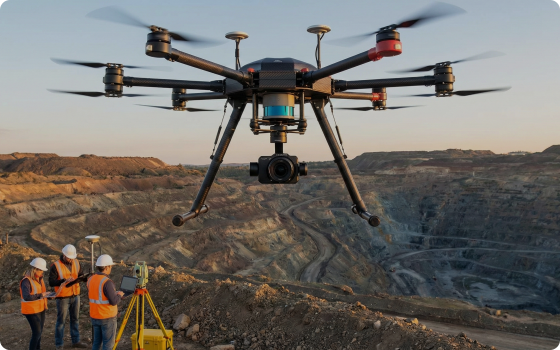
An autonomous UAV is an aircraft capable of performing significant
portions—or all—of a mission with little or no real-time human control. It
senses its environment, processes data onboard or at the edge, makes decisions,
and acts on them. Core enablers include multi-sensor suites (cameras, LiDAR,
radar, IMU, GNSS), onboard computing for perception and planning, and software
that handles navigation, obstacle avoidance, and mission adaptation.
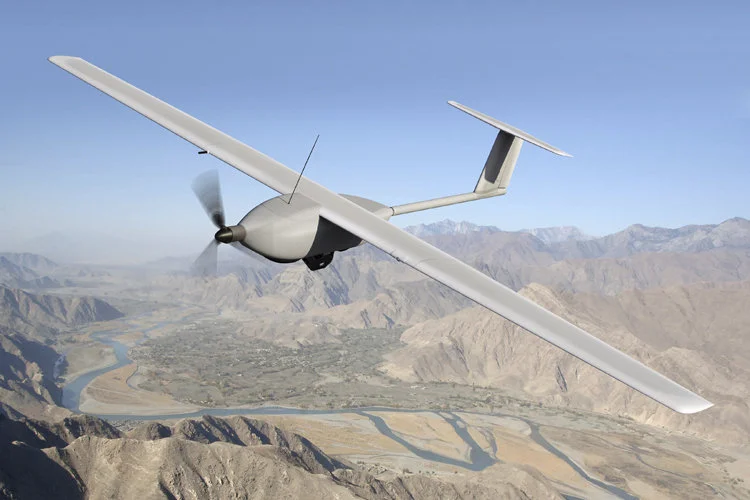
Instead of blindly following a pre-programmed GPS path, a truly autonomous
UAV uses onboard edge computing and a payload of sensors to "see" the world. It
processes this data in real-time to avoid unexpected obstacles, adapt its flight
path to changing wind conditions, and dynamically track moving targets without
requiring a human to touch a control stick.
What Is the Difference Between an Autonomous UAV and a Regular Drone?
A regular (or conventional) drone is typically remotely piloted or flies
automatic, pre-programmed routes. The pilot retains responsibility for real-time
decisions; the aircraft executes instructions but does not independently
interpret novel situations. An autonomous UAV can handle those situations
itself. Regulatory frameworks (such as EASA distinctions) reinforce the
difference: automatic operations follow predetermined paths and require the
remote pilot to intervene for unplanned events, while autonomous operations rely
on the system’s ability to cope with the unforeseen. Most consumer and many
commercial drones remain automatic or pilot-assisted rather than fully
autonomous.
What Batteries Do Autonomous UAVs Use?
The limiting factor for any autonomous aerial system is energy density and
reliability. Because these UAVs perform computationally heavy tasks (real-time
AI processing, active LiDAR scanning) while flying, they demand highly
specialized power systems. Standard consumer RC batteries are insufficient. For
sustained, automated B2B operations, the industry relies on highly engineered
chemistries and intelligent management:
•Lithium Polymer (LiPo): The undisputed standard for the UAV itself. LiPo
offers the exceptional high-discharge rates required to lift heavy sensor
payloads and execute aggressive obstacle-avoidance maneuvers while maintaining a
lightweight, modular form factor.
•Lithium Iron Phosphate (LiFePO4): While slightly heavier, LiFePO4
chemistries are increasingly specified for the buffer batteries inside the
docking stations. They offer immense thermal stability (crucial for outdoor
boxes in extreme heat) and can endure thousands of deep charge cycles without
significant degradation.
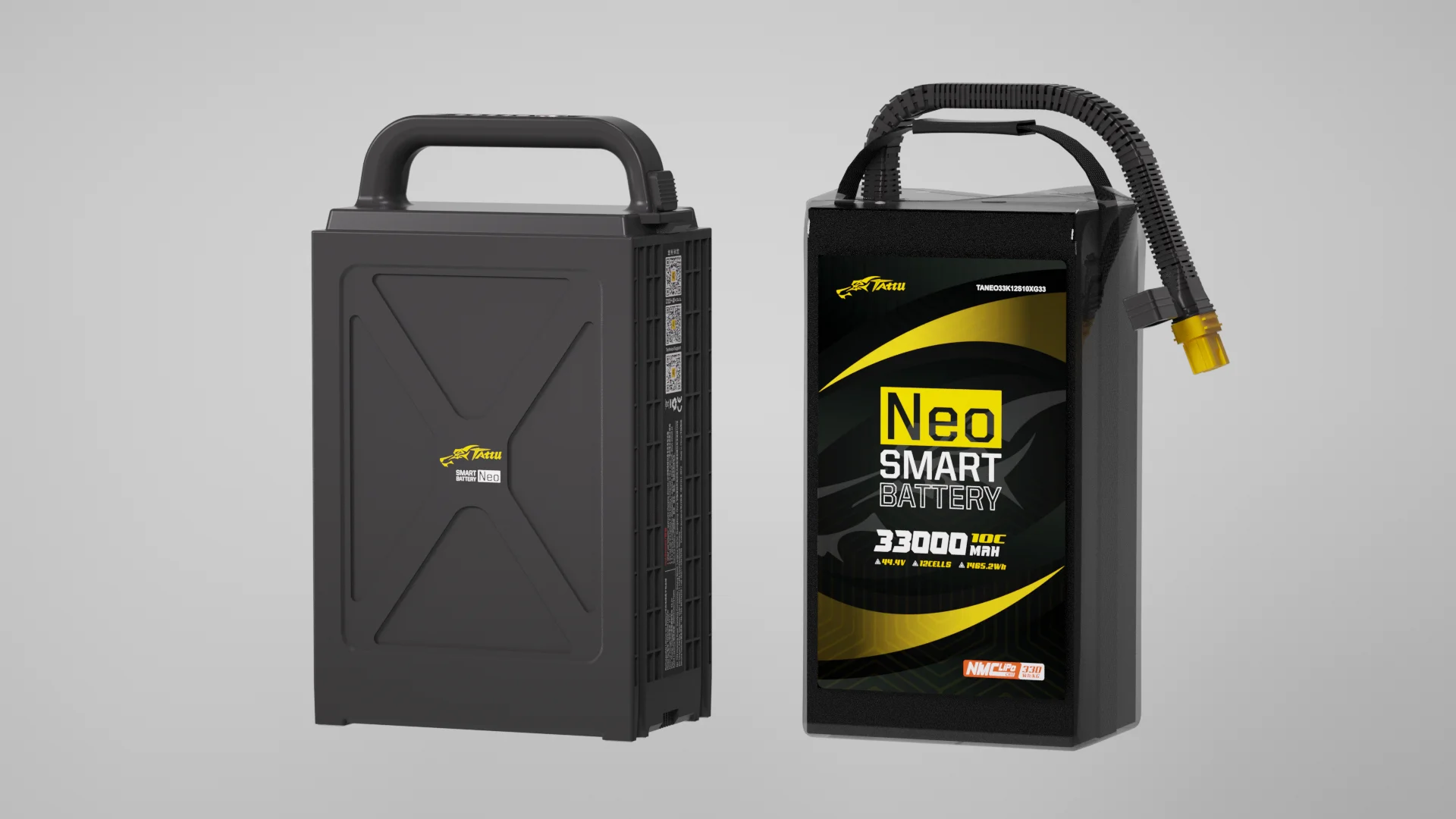
•Smart Battery Management Systems (BMS): An autonomous UAV cannot simply fly
until it dies. It utilizes Smart Batteries equipped with integrated BMS boards.
These boards communicate seamlessly with both the drone's flight controller and
the DiaB's edge computer, constantly broadcasting the State of Charge (SoC),
cell health, and temperature. If the BMS detects abnormal thermal spikes, it
automatically triggers the drone to abort the mission and return to the box
safely.
Drone in a Box vs. Autonomous UAVs: What’s the Difference?
To put it simply: The Autonomous UAV is the vehicle; the Drone-in-a-Box is
the infrastructure.
You can have an autonomous UAV without a box. For example, a surveyor can
manually take an autonomous drone out of the trunk of their car, place it on the
ground, and let it map a forest entirely on its own. Conversely, you cannot have
a fully automated Drone-in-a-Box system without an autonomous UAV inside it. The
box requires a smart aircraft capable of launching, navigating, and landing
precisely back on its charging pins without a pilot.
Many modern DiaB platforms incorporate high levels of autonomy, and many
autonomous UAVs benefit from docking infrastructure. The concepts are
complementary rather than mutually exclusive. Together, they form a complete,
closed-loop system. The autonomous UAV provides the aerial intelligence, and the
DiaB provides the physical automation, ultimately allowing enterprises to scale
their data collection efforts without scaling their pilot headcount.
Conclusion
Drone-in-a-box systems and autonomous UAVs are closely connected, but they
solve different parts of the operational challenge. Autonomy enables a UAV to
navigate, inspect, react to defined conditions, and complete repeatable missions
with less continuous pilot input. A drone-in-a-box system adds the
infrastructure needed to make those missions scalable: protected storage,
automated charging, remote connectivity, mission scheduling, and fleet
oversight.
As commercial industries scale their operations, relying on human pilots
for routine, repetitive data collection is becoming a logistical bottleneck. The
true value of these technologies lies not in deploying one or the other in
isolation, but in their deep integration. When cutting-edge autonomous airframes
are paired with robust docking infrastructure and advanced battery management
systems, organizations transition from merely operating individual drones to
commanding a continuous, self-sustaining data acquisition pipeline. This
closed-loop automation is the definitive future of industrial aerial operations,
allowing enterprises to maximize their operational uptime while fundamentally
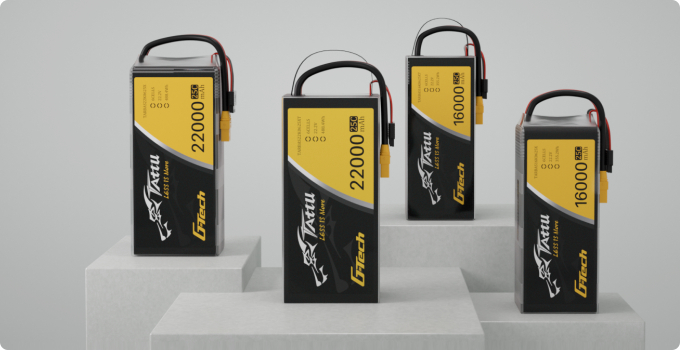
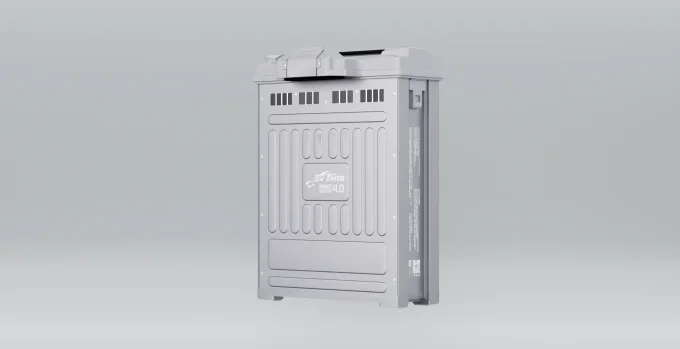
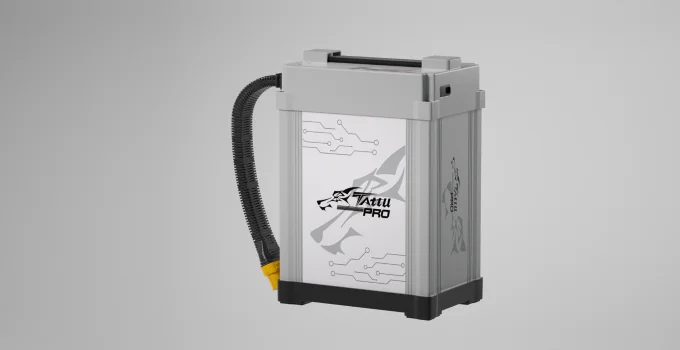
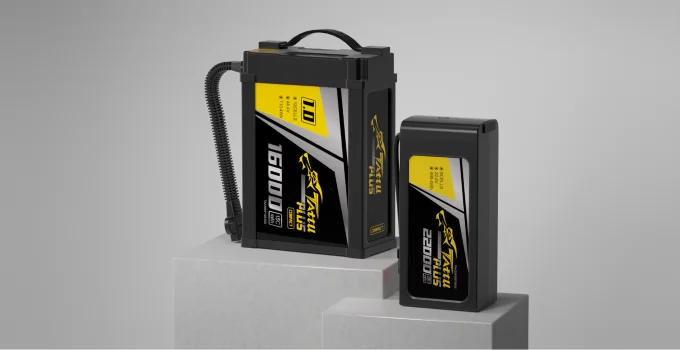
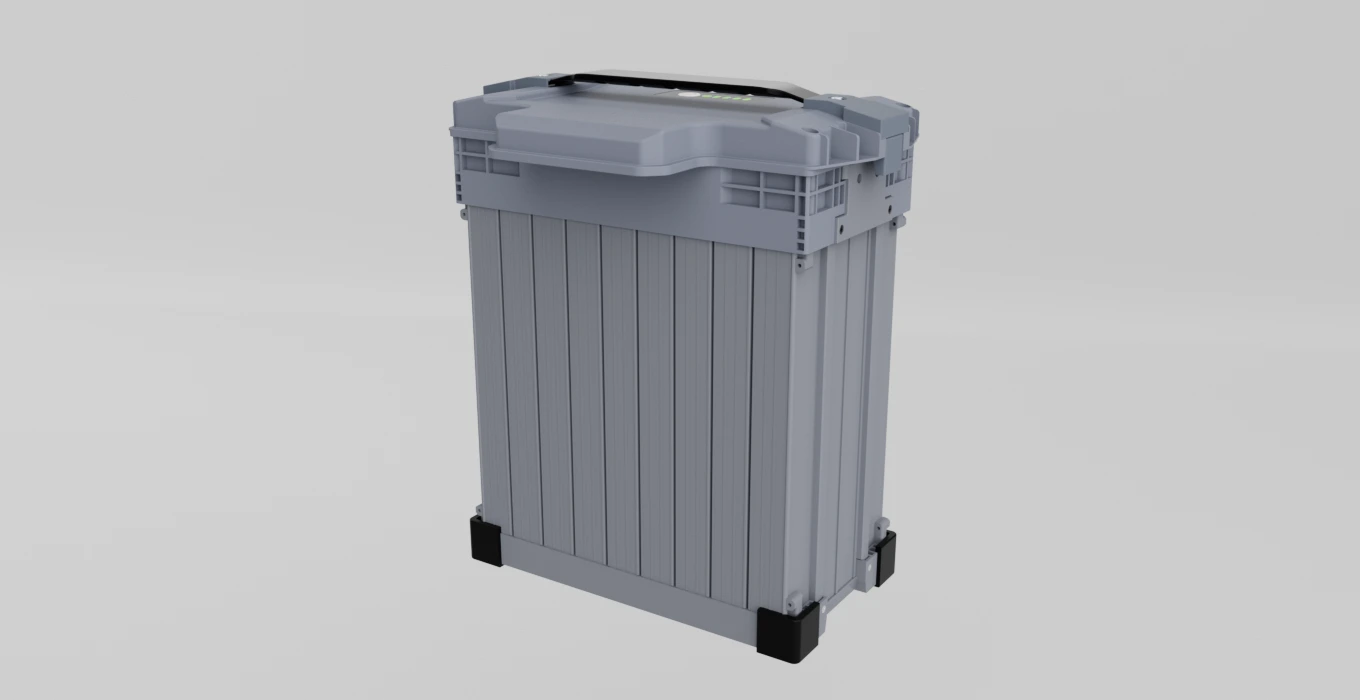
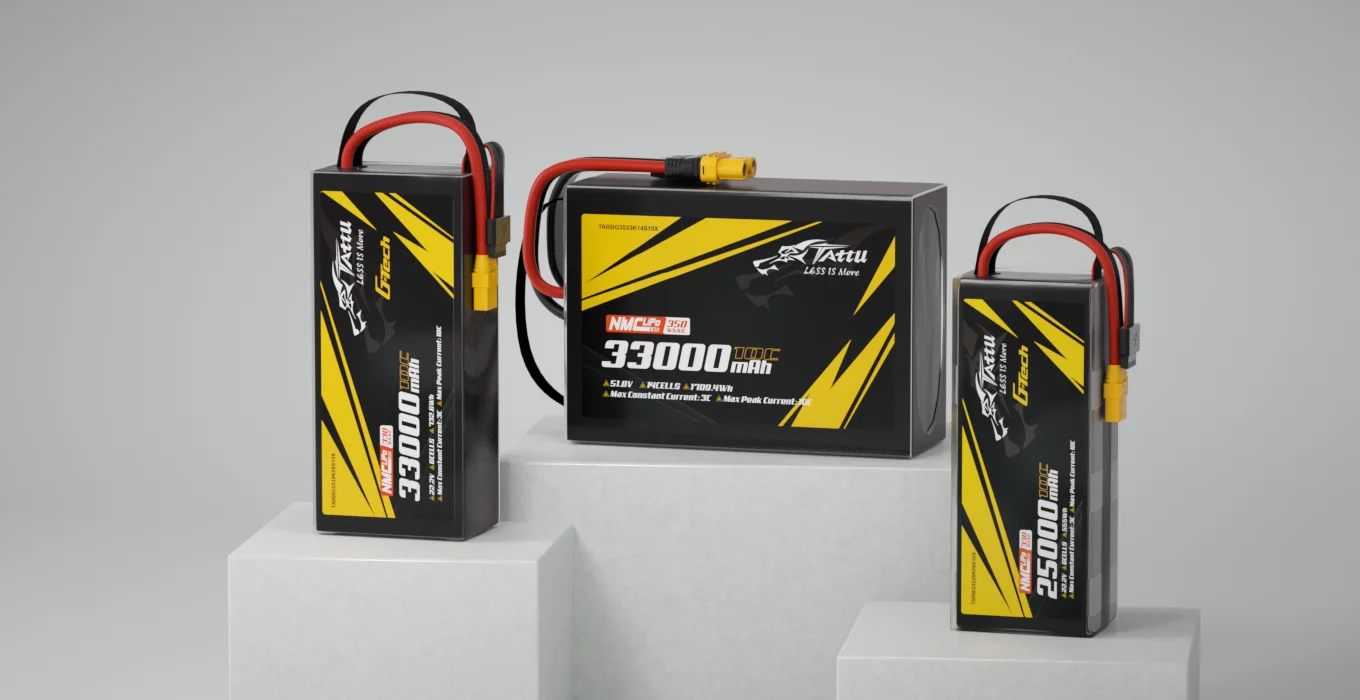
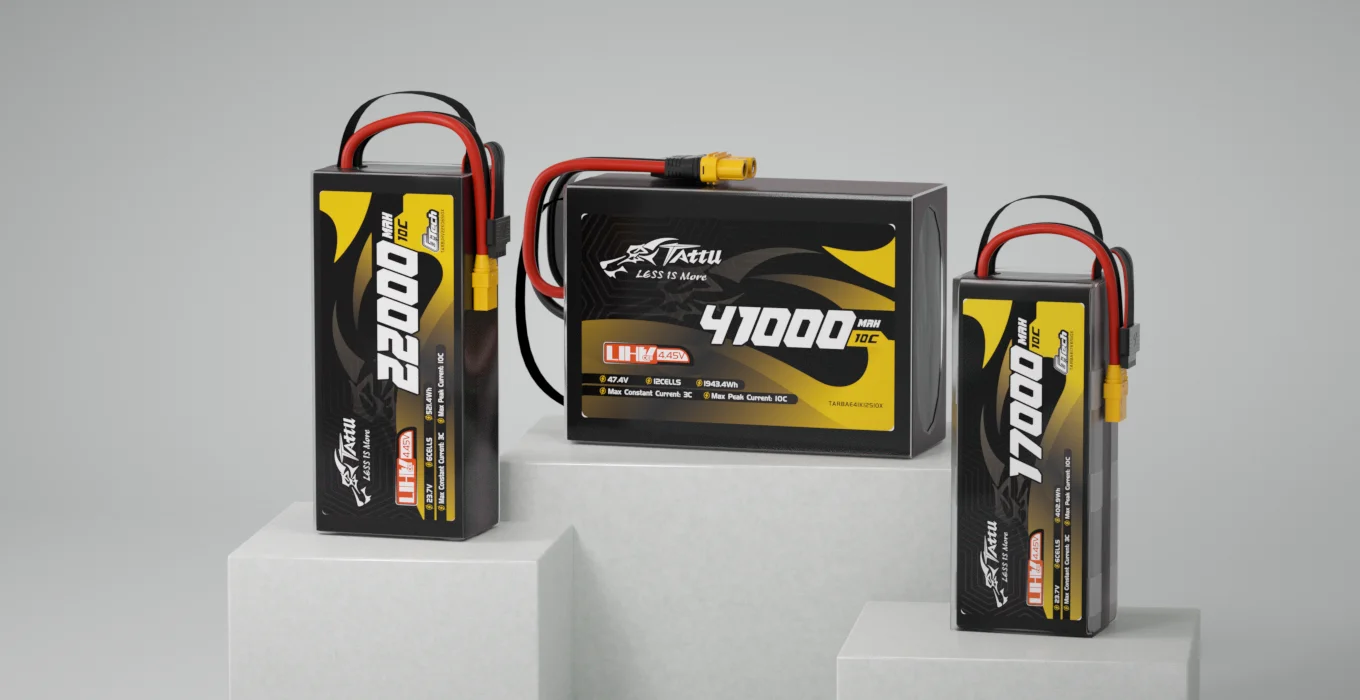
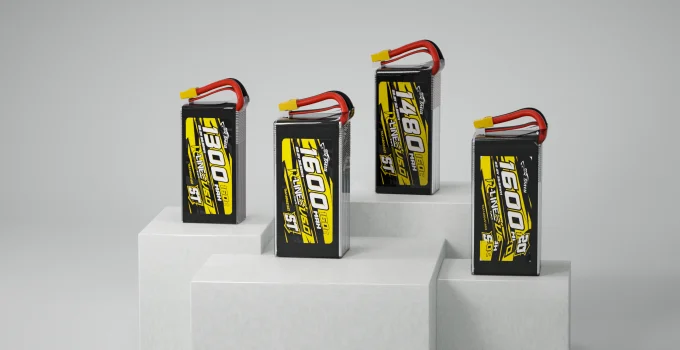
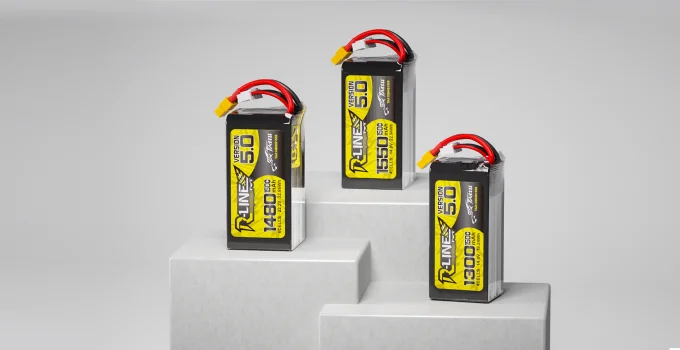
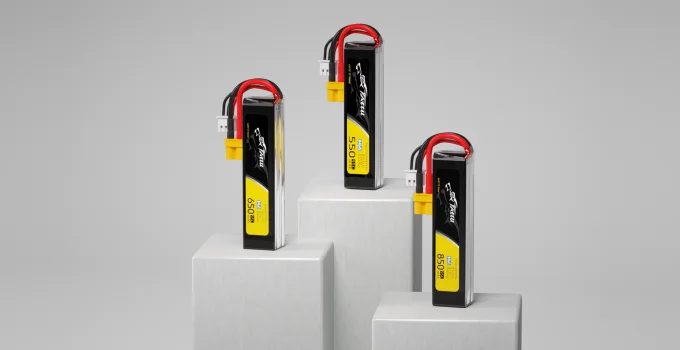
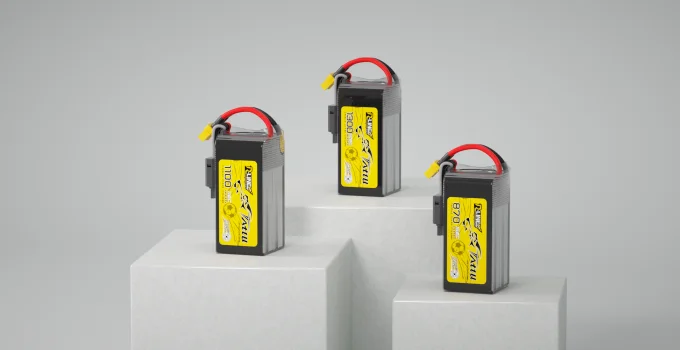
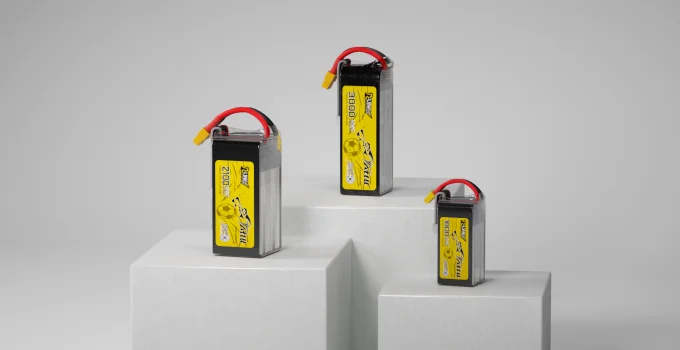
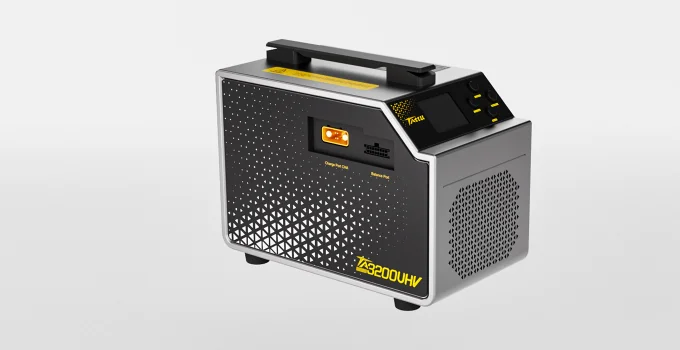
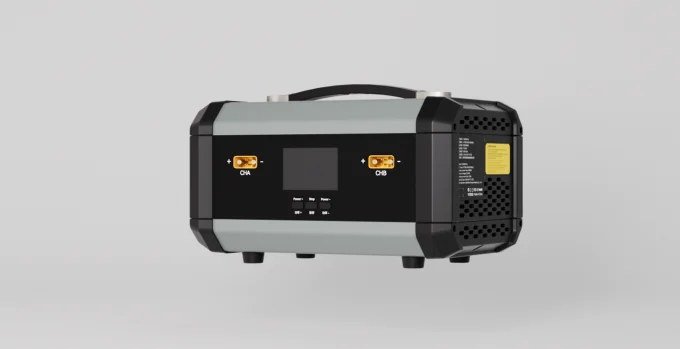
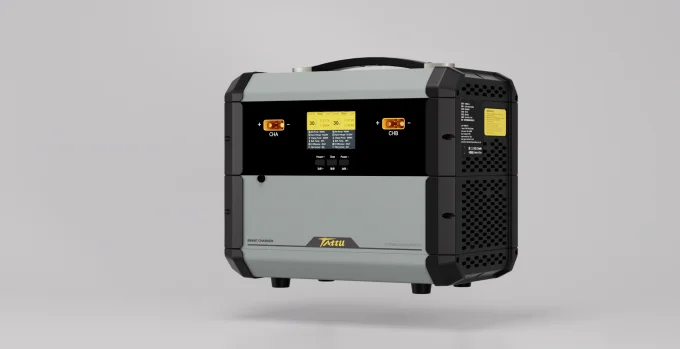
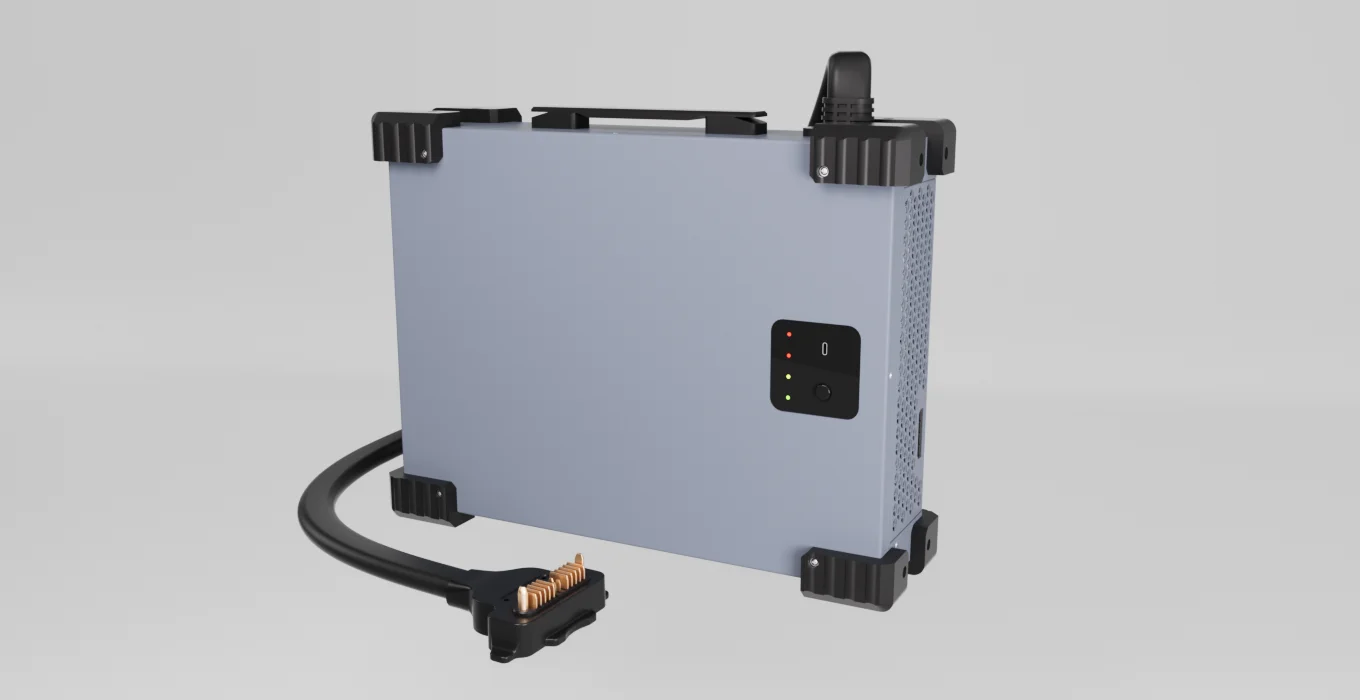
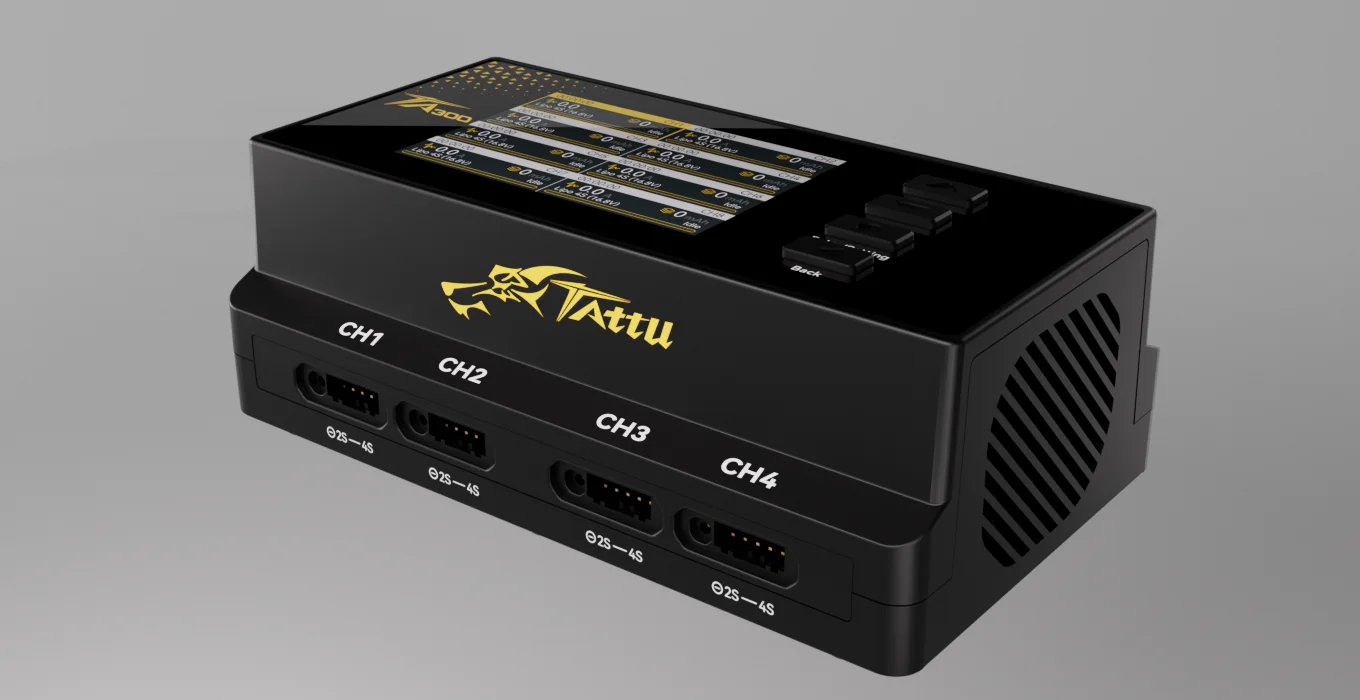
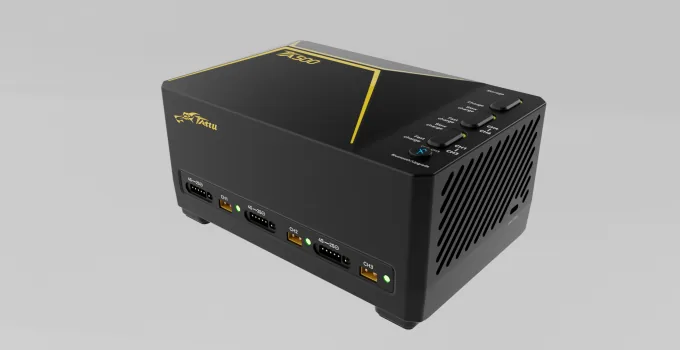
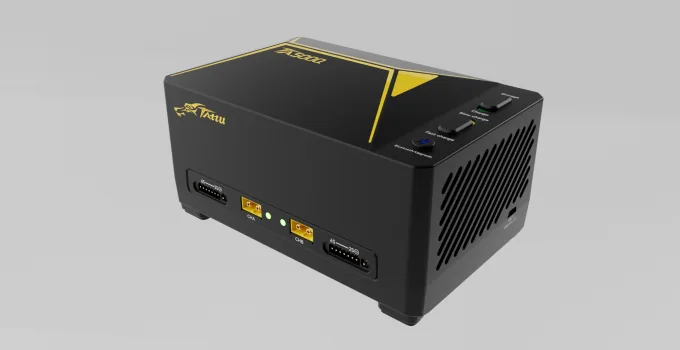
minimizing human risk and overhead. As a global leader in drone battery manufacturing, Tattu offers semi-solid-state batteries with an energy density of up to 500 Wh/kg. Designed for autonomous drone-in-a-box systems, these batteries provide an ideal power solution for endurance-intensive applications such as surveying, mapping, and infrastructure inspection. For further inquiries, technical support, or bulk order requests, please reach out to us at [email protected].




 Blog
Blog
 Blog
Blog
 Blog
Blog


