Choosing a battery connector is not just about picking the one with the
highest advertised amp rating. In high-current DC systems—RC cars, UAVs, drones,
e-bikes, robots, portable power packs, and energy-storage projects—the connector
affects voltage drop, heat buildup, plug life, serviceability, and safety. The
XT90, QS8, and AS150U are three of the most common options for 6S–12S+ LiPo
systems, but they differ significantly in current rating, anti-spark design,
wire compatibility, and intended applications.
XT90, QS8, and AS150U connectors are all used for high-current lithium
battery connections, but they are designed around different priorities. XT90 is
compact and widely available. QS8 is larger and better suited to very high
burst-current applications. AS150U is often chosen when the system needs not
only power contacts but also signal pins for smart batteries or control
communication. This guide breaks down what each connector is, how they compare,
and which one you should choose for your next build.
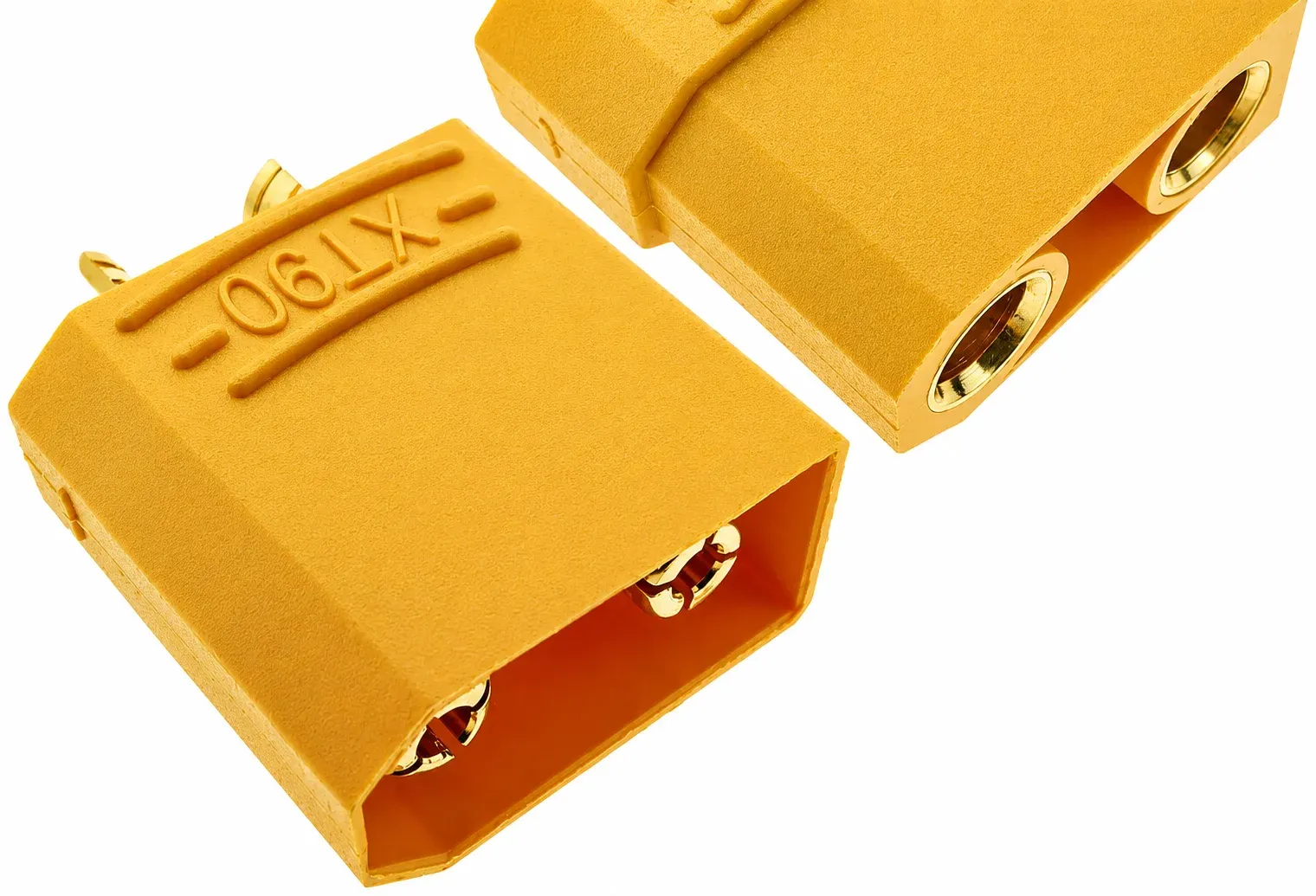
What is an XT90 Connector?
The XT90 is a 2-pin, high-current DC power connector widely used in RC
hobby, drone, and light electric vehicle applications. It uses a molded nylon
housing and gold-plated bullet-style contacts. The housing is keyed, which helps
prevent reverse-polarity mating. In practical terms, XT90 is popular because it offers a good balance of
size, cost, availability, and current-handling capability. It is common in RC
aircraft, drones, electric skateboards, e-bikes, scooters, robotics, and DIY
battery packs.
Key specifications:
•Current rating: 90A continuous, up to 150A momentary
•Wire compatibility: Up to 8AWG (commonly 10–12AWG in practice)
•Temperature range: -20°C to 120°C
•Voltage rating: Typically up to 500V DC
There are several XT90-family variants:
•Standard XT90: Basic high-current two-pin connector.
•XT90H: XT90 with a protective rear cap or housing, often used for cleaner
wire exits and better strain relief.
•XT90S / XT90-S: Anti-spark version. It uses a staged contact design or
pre-charge path to reduce the spark that happens when a battery is connected to
capacitive loads such as ESCs or motor controllers.
What is a QS8 Connector?
The QS8 (sometimes labeled QS8-S) is a next-generation, anti-spark
high-current connector designed to outperform the XT90 in demanding
applications. It uses larger 8mm gold-plated brass contacts and integrates a
pre-charge resistor to eliminate the “pop” and arcing that damages connectors
over time.
Compared with XT90, QS8 is physically larger, heavier, and usually accepts
thicker cable. Many QS8 listings specify support for up to 6 AWG wire, which
makes it attractive for systems with large battery packs and high burst
currents. It is the connector of choice for heavy-lift custom multirotors,
large-scale RC models, and applications where raw, unregulated power throughput
is the sole priority.
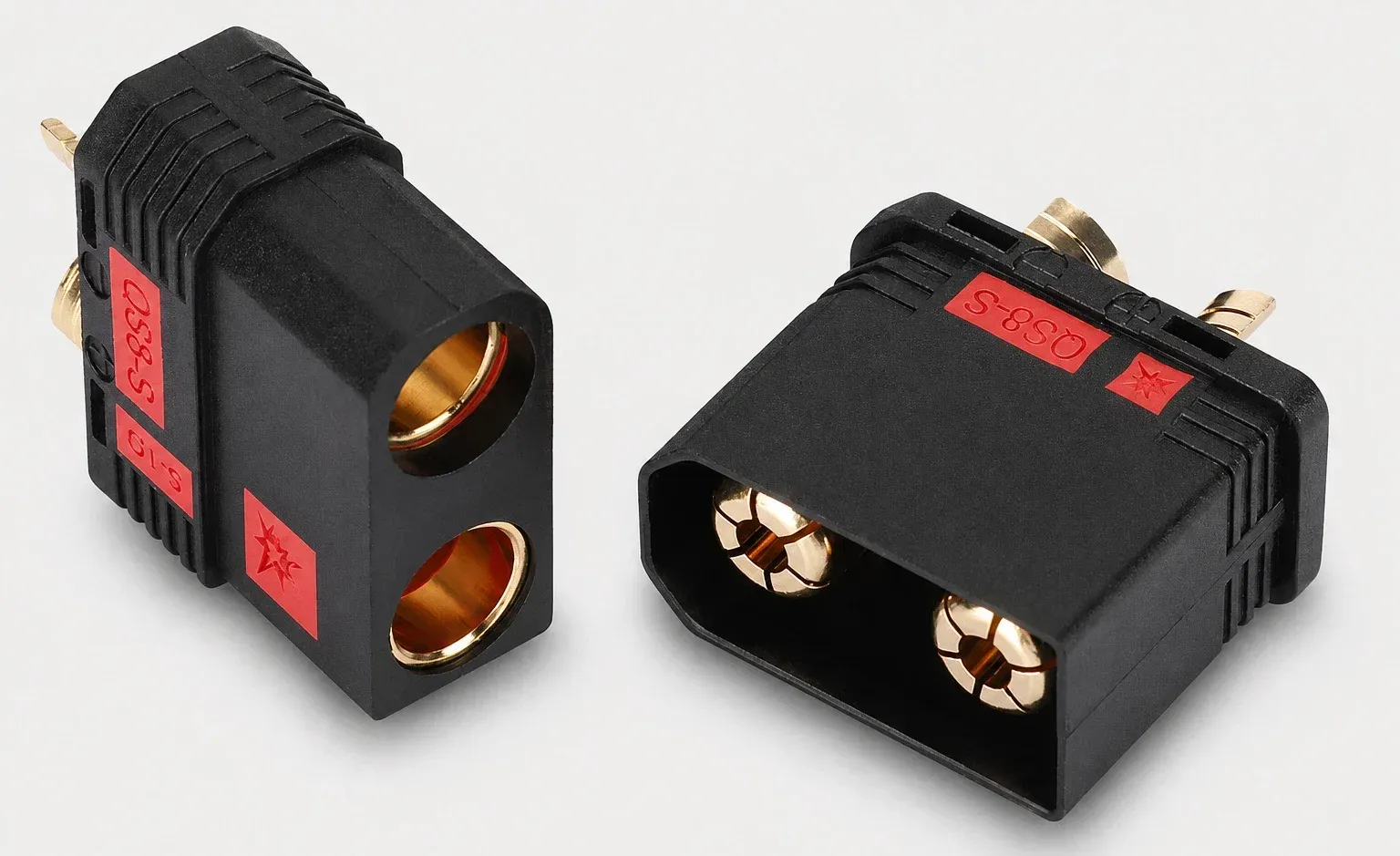
Key specifications:
•Current rating: 110A continuous, 300–500A peak (10 seconds)
•Wire compatibility: 6–10AWG (up to 6AWG recommended)
•Voltage rating: 600V DC
•Flame retardant: UL94 V0
•Anti-spark: Built-in via staggered pin lengths and internal shunt
paths
What Is an AS150U Connector?
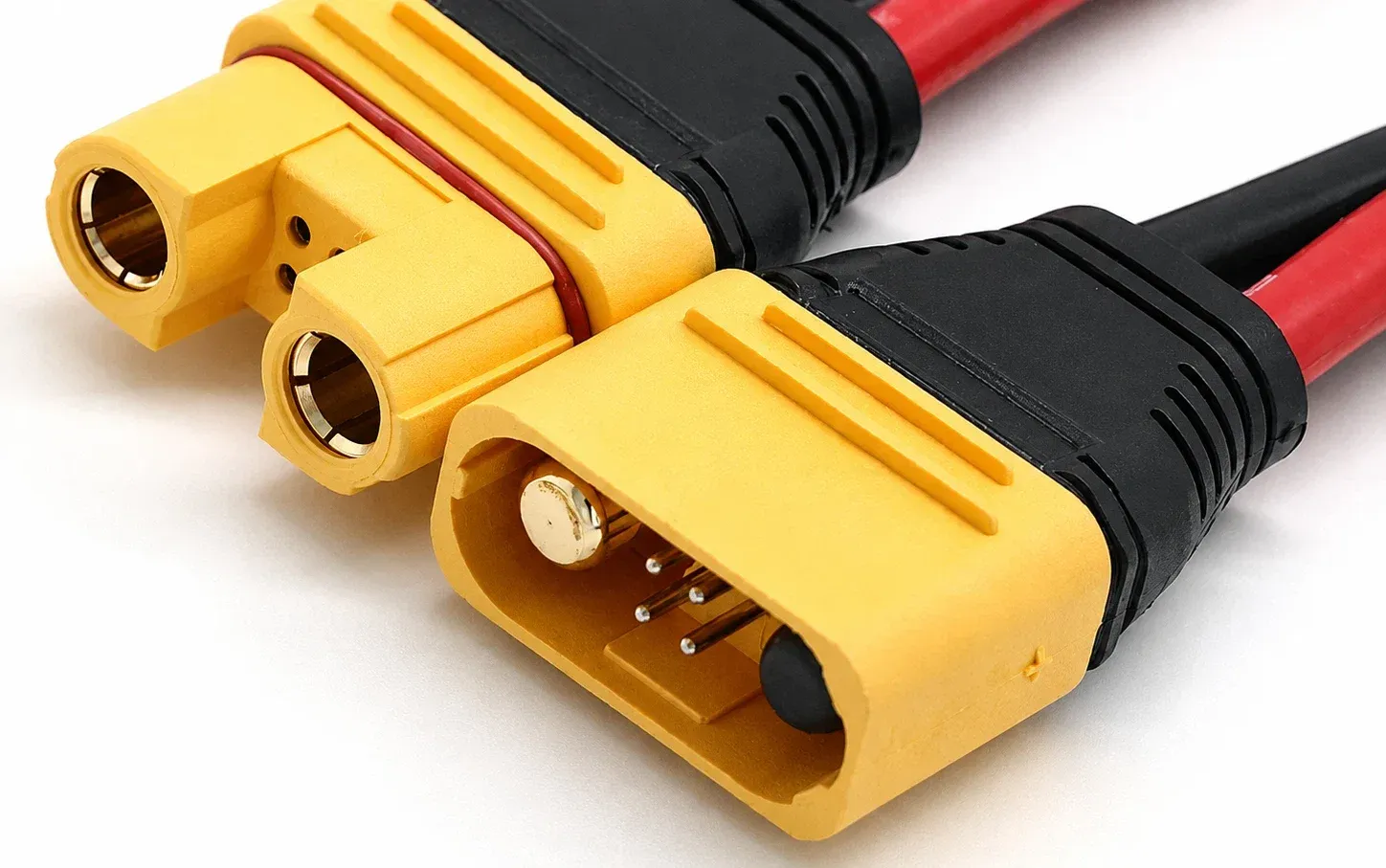
AS150U is a high-current AMASS connector family often used in UAVs,
agricultural drones, smart batteries, and industrial battery systems. Unlike
XT90 and QS8, AS150U is not only about two power terminals. Many AS150U versions
include a combined power-and-signal layout, such as 2 main power contacts plus 4
signal pins.
That signal-pin feature is the key reason to choose AS150U. In smart
battery systems, the connector may need to carry power and also support
low-current communication, battery identification, temperature sensing, status
reporting, or charger/battery coordination. XT90 and QS8 are usually power-only
connectors, so they cannot replace AS150U in systems that depend on those extra
signal pins. It is the standard for modern agricultural drones, professional
mapping UAVs, and commercial platforms relying on intelligent battery
protocols.
AMASS AS150U specifications vary by exact version. Distributor data for
AS150U-F lists it as a 6-pin connector with 70A current rating, 500V rated
voltage, UL94 V-0 polyamide housing, and -20°C to 120°C operating temperature.
AMASS AS150U datasheets also list main power contacts around 70A, signal pins
around 1A, and instantaneous current around 140A for some versions. A newer
AMASS AS150U(2+4)-M specification lists 75A current rating and 80V DC rated
voltage for that specific model.
This matters because the “150” in AS150U should not automatically be
interpreted as a universal 150A continuous-current rating. In many real product
documents, AS150U is closer to a 70–75A rated connector with higher
short-duration capability, depending on the exact version and wire setup.
XT90 vs QS8 vs AS150U Connector: What’s the Difference?
The biggest differences are current class, size, anti-spark capability, wire
compatibility, signal support, and typical application.
Feature | XT90 | QS8 | AS150U |
Continuous current | 90A | 110A | 70A |
Peak/surge current | 150A | 300–500A | 140A |
Voltage Rating | 500V DC | 600V DC | 500V DC |
Bullet Diameter | 4.5–5.0 mm | 8.0 mm | 7.0 mm |
Max Wire Gauge | 8 AWG | 6 AWG | 8 AWG |
Anti-Spark | XT90-S variant only | Built-in (QS8-S) | Built-in |
Signal Pins | No | No | Yes (4 pins) |
Ideal Voltage | Up to 12S | 12S to 24S+ | 12S to 28S |
XT90 vs QS8 vs AS150U Connector: Which One to Choose?
Choosing the right connector dictates the safety and capability of your
platform. Use these guidelines to align the connector with your operational
needs:
•Choose the XT90-S if: You are building medium-sized quadcopters, cinematic
FPV rigs, or sub-10kg drones operating on 6S to 12S architectures. It offers the
best balance of low weight, compact size, and adequate power delivery for
standard applications.
•Choose the QS8 if: Your application requires sheer brute-force power
transfer without the need for smart data feedback. If you are operating
heavy-lift logistics drones, speed-run RC vehicles, or extreme power setups
pulling over 120 amps continuously, the massive 8mm bullets of the QS8 will
prevent heat bottlenecking.
•Choose the AS150U if: You are integrating an intelligent, commercial-grade
UAV platform. If your drone uses smart batteries and requires BMS communication
for enterprise tasks like agricultural spraying, surveying, or automated
charging, the AS150U is mandatory. It ensures both high-voltage power delivery
(supporting 14S-28S semi-solid state battery or standard LiPo packs) and crucial data
telemetry.
FAQ About XT90, QS8, and AS150U Connectors
Is XT90 really rated for 90A?
Not always as a continuous rating. Some XT90-family connectors are marketed
as 90A-class connectors, but specific AMASS XT90H/XT90S datasheets list rated
current around 40–45A and instantaneous current around 90A. The safe answer is:
check the exact datasheet and derate for wire size, temperature, enclosure, and
duty cycle.
Why is an anti-spark connector so important for high-voltage drones?
When connecting a high-voltage battery (typically 8S and above) to an ESC,
the capacitors inside the ESC pull a massive, instantaneous rush of current.
This arcs across the connector before they even touch, creating a spark that
erodes the metal plating. Over time, this increases electrical resistance,
causing the connector to overheat. Anti-spark connectors route the initial
connection through a resistor to pre-charge the capacitors safely.
Can I use an AS150U connector on a "dumb" battery without a BMS?
Yes, it is physically possible to wire only the main power leads and leave
the signal pins empty. However, this defeats the primary advantage of the
AS150U. If you do not need smart battery data, a QS8 is generally a more
cost-effective and rugged choice for pure power transfer.
Are XT90, QS8, and AS150U compatible with each other?
No. They have different housings, contact sizes, and mating geometries. You
need adapters if you want to connect systems using different connector families.
For high-current systems, adapters should be treated carefully because each
extra connection adds resistance and another potential heat point.
Are XT90 and XT90-S connectors compatible with each other?
Yes. A standard XT90 male plug will fit into an XT90-S female plug, and
vice versa. However, to benefit from the anti-spark feature, the female
connector (which belongs on the battery side) must be the "S" variant containing
the internal resistor ring.
Are these connectors waterproof?
Standard XT90 and AS150U datasheets commonly list IP40 or non-sealed
construction, so they should not be treated as waterproof connectors. If your
system operates outdoors, use sealed enclosures, boots, strain relief,
dielectric protection where appropriate, or a connector specifically rated for
water exposure.
Which connector is best for drones?
For small to mid-size drones, XT90 or XT90-S is often sufficient if the
current rating fits. For large UAVs or agricultural drones with smart batteries,
AS150U is often more appropriate because it supports both power and signal
connections. For very high-current custom UAV systems without signal
requirements, QS8 may be considered.
Conclusion
There's no universal "best" connector—only the right connector for your
specific application. The XT90 remains the gold standard for mid-power builds
where cost and weight matter. The QS8 dominates in high-current, high-vibration
environments where 100A+ is the norm. The AS150U fills the niche for smart
systems that need integrated signal lines and weatherproofing.
The most important step is to match the connector to the real electrical
and mechanical conditions of your build. Current rating, wire gauge, voltage,
anti-spark behavior, temperature rise, mating cycles, and pinout all matter. A
properly selected connector should run cool, mate securely, resist arcing, and
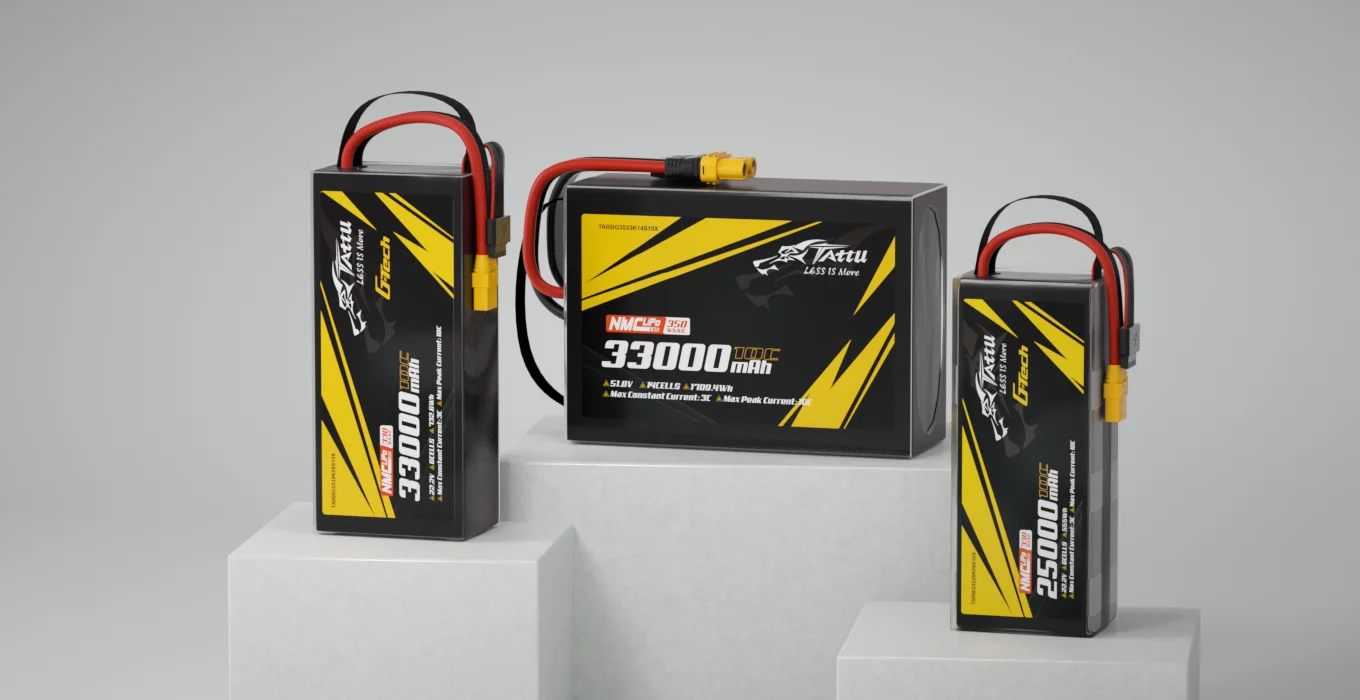
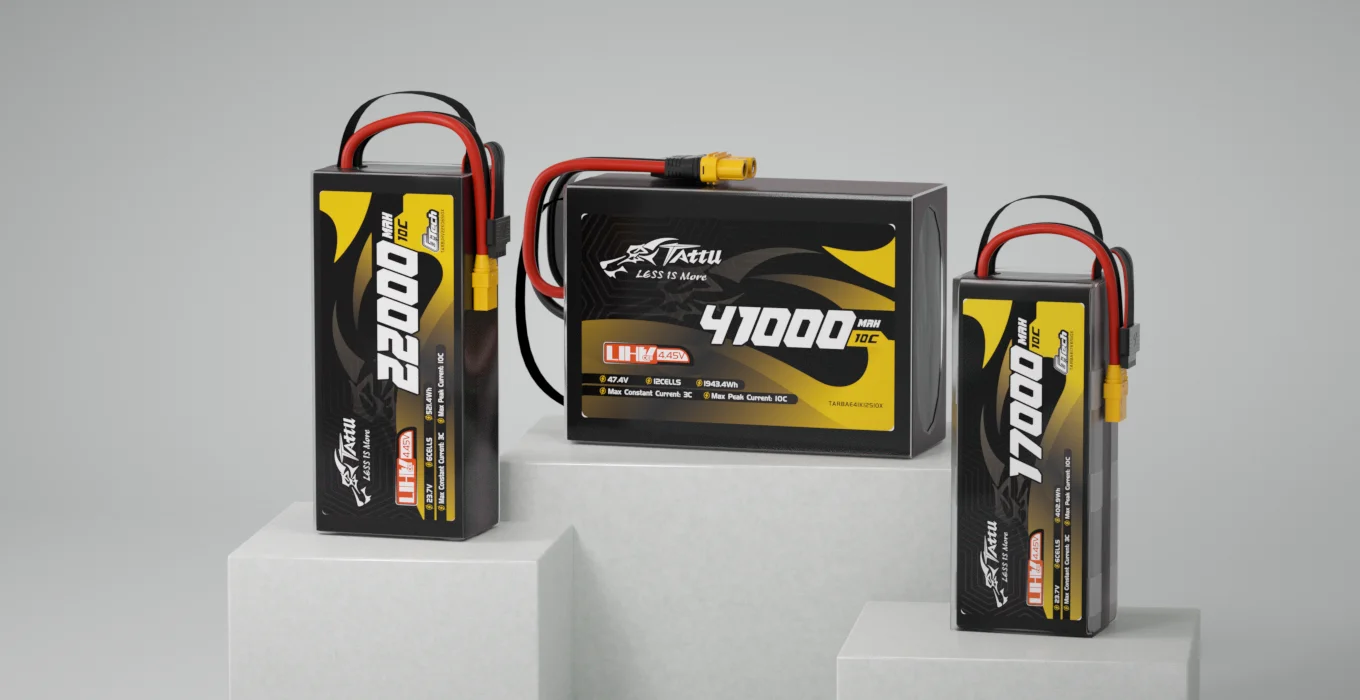
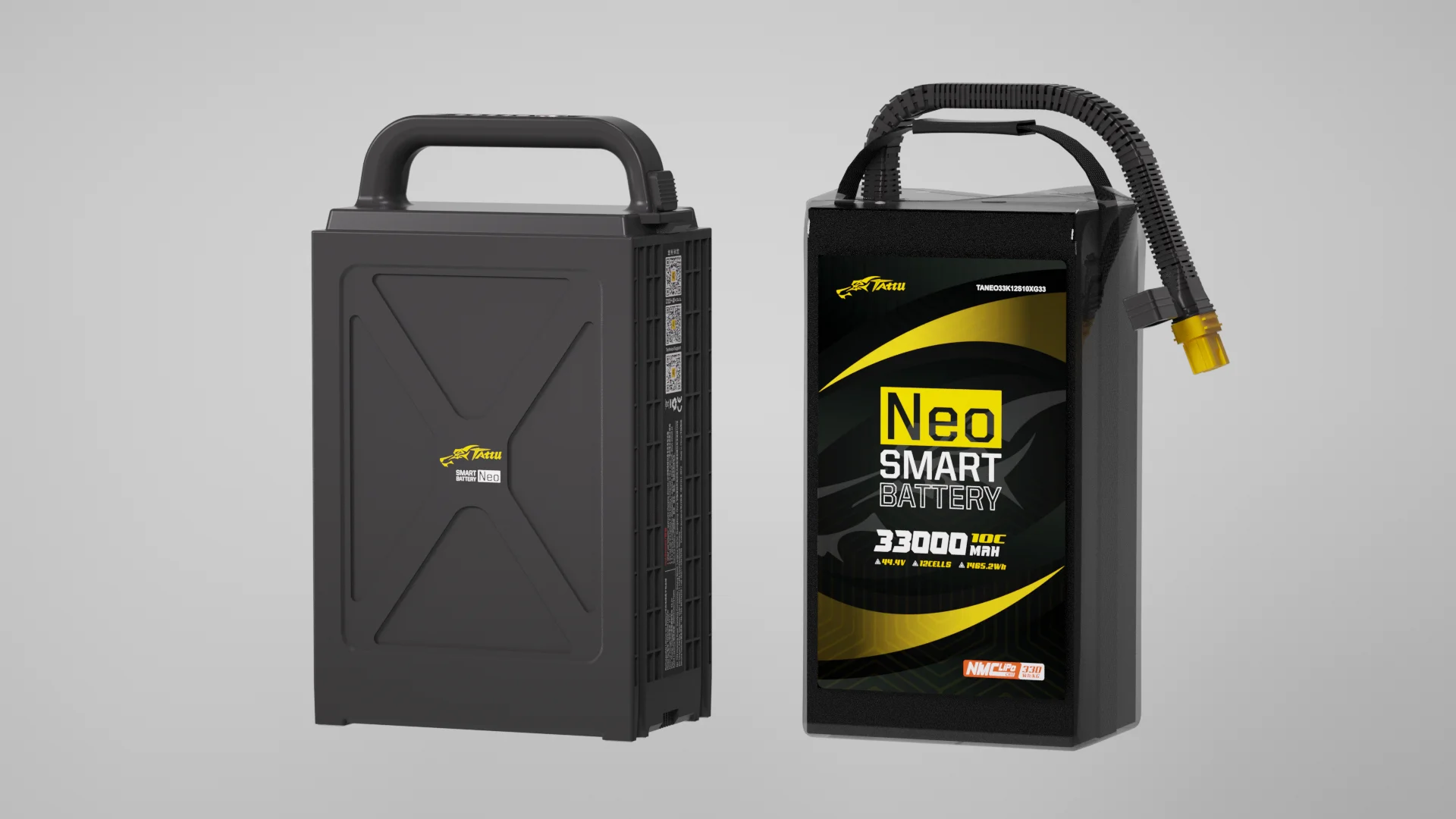
support the full system architecture—not just look strong on a spec sheet. As a world-leading drone battery manufacturer, Tattu delivers end-to-end custom battery services. We tailor every aspect of your power system, including integrating any specific connector type required for your application. For more information, please feel free to contact us at [email protected].







 Blog
Blog

 Blog
Blog


