An X-Class FPV drone is a large-scale multirotor built for
first-person-view flight that sits in a distinct size and power category far
above the everyday 5-inch racing or freestyle quad. The defining standard,
established through X-Class racing events that began gaining traction around
2016, requires a motor-to-motor diagonal measurement between 800 mm and 1,200
mm. Propellers commonly range from roughly 9–15 inches in diameter, with no hard
upper limit on motor, battery, or propeller size beyond practical engineering
constraints.
However, the term has become less rigid in the commercial FPV market.
Manufacturers now also describe some 13- and 15-inch long-range, cinematic, and
heavy-lift platforms as “X-Class,” even when their dimensions or mission differ
from the original racing category. That distinction matters. An X-Class racing
drone, a long-range X-Class drone, and an X-Class heavy-lift drone may share
similar component sizes, but they should not be designed or evaluated in the
same way.
This guide explains what X-Class means in practice, how fast these drones
can fly, how payload should be evaluated, what battery systems they use, how to
select motors and ESCs, what goes into building one, and how much a realistic
X-Class project costs.
What is an X-Class FPV Drone?
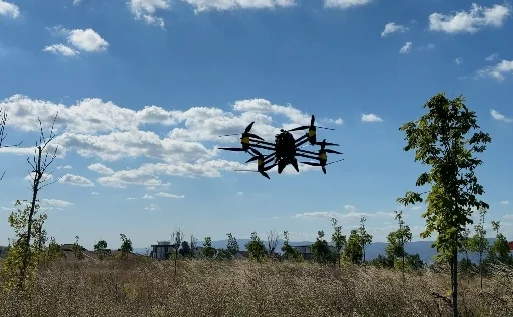
“X-Class” started as a community term for giant FPV racing and heavy-lift
quads that are significantly larger than conventional 5–7 inch platforms. There
is no single standard, but most X-Class builds share several
characteristics:
•Frame size and props: 500–800 mm wheelbase with 10–15 inch propellers
(13–15 inch is common in modern builds).
•Weight and form factor: Take-off weights from 5–15 kg depending on
battery and payload.
•Voltage and power: High-voltage systems (8S–12S) with large stator motors
and high-current ESCs.
•Purpose: Originally giant race quads, now also used as heavy-lift
cinelifters and long-range / long-endurance platforms for professional work.
How fast can an X-Class FPV drone fly?
Early X-Class race events were already clocking 100+ mph (160+ km/h) on 4S
systems with large frames. Modern 8S–12S builds on optimized frames push that
envelope further: Vendor and community data for 10–15 inch FPV platforms suggest
typical top speeds of 150–180 km/h, with some frames advertising 180+ km/h in
race trim.
•Long-range or heavy-lift builds with big props and camera payloads
usually trade peak speed for thrust and efficiency, flying more in the 120–160
km/h range. Key constraints on top speed:
•Propeller efficiency envelope: Large props generate enormous thrust, but
drag and blade tip speed quickly eat away efficiency at very high RPM.
•Airframe drag: Tall stacks, big cameras, and large batteries create
significant frontal area.
•Battery sag and current limits: Sustained high-speed passes can easily
pull 150–250 A on a 12S system; voltage sag and temperature quickly become the
limiting factors.
What Is the Payload Capacity of an X-Class FPV Drone?
Payload capacity is where X-Class really departs from conventional FPV.
These platforms are engineered to lift kilograms, not grams. Some long-range and
heavy-lift X-Class FPV drones on the market claim maximum payload capacities of
10–15 kg.
However, raw numbers on product pages tell only part of the story. From an
engineering point of view:A conservative planning rule for multirotors is 2:1
total thrust–to–AUW (all-up weight). That is, total maximum thrust of all motors
= 2 × (drone weight + payload). This gives you reasonable control authority and
climb performance.
For example, a 15-inch X-Class rig with four motors that each produce 12 kg
of thrust (48 kg total) might be flight-planned around a 12–16 kg AUW (rig +
battery + payload) to keep thrust-to-weight ≥ 3:1 for agile cinematic work.
What is a Long-Range X-Class FPV Drone?
A Long-Range X-Class drone trades aggressive acceleration and
maneuverability for efficiency, flight time, and signal reliability. Unlike
5-inch long-range setups that struggle in high winds, a heavy long-range X-Class
cuts through turbulent weather effortlessly. Equipped with high-capacity low-C
batteries, lower KV motors, and ultra-efficient 14-inch to 16-inch propellers,
these giant platforms can achieve 15 to 30+ minutes of flight time.
What Battery Systems Are Required for an X-Class FPV Drone?
There is no single battery voltage required by every X-Class drone.
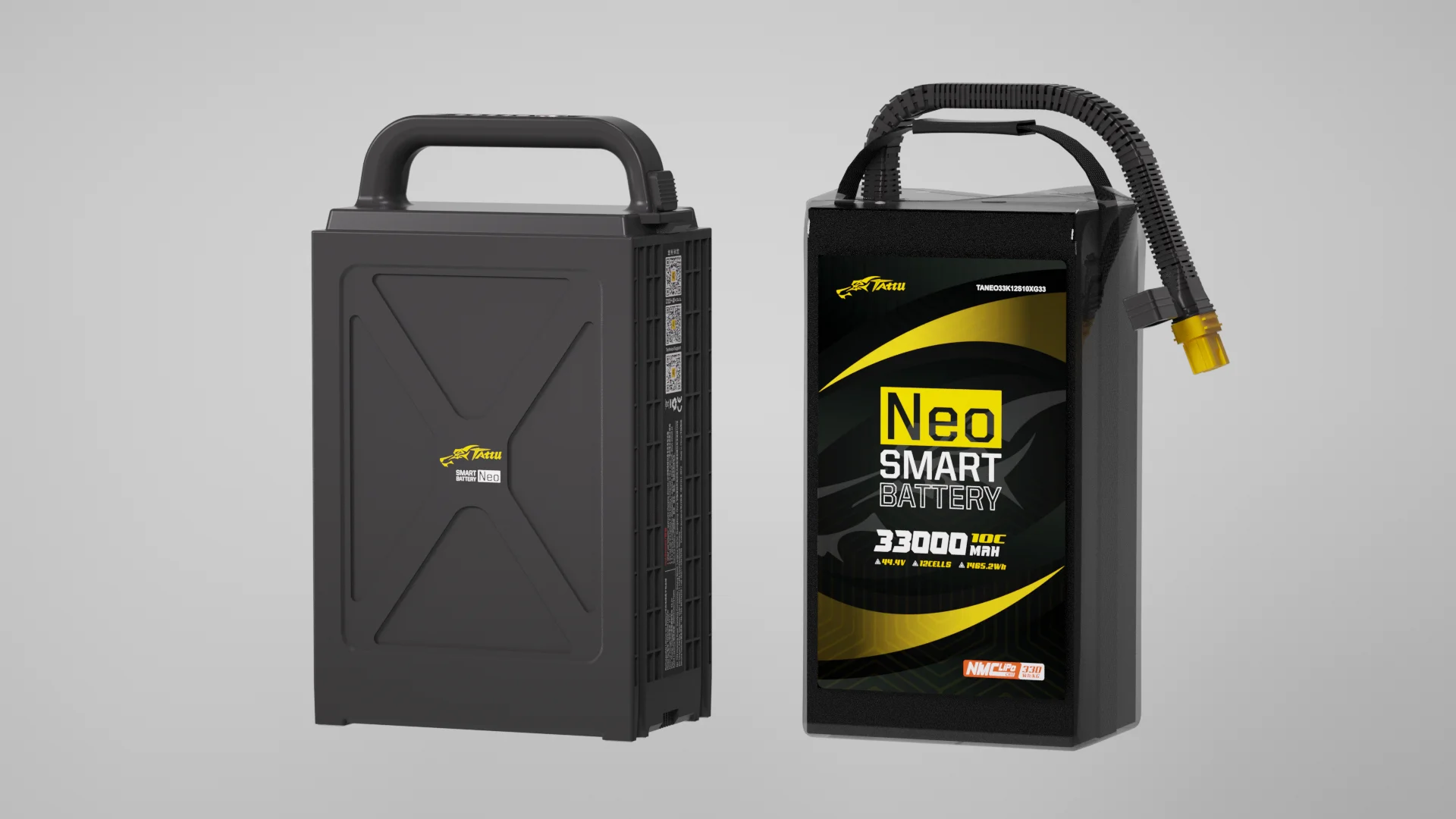
Historically and commercially, X-Class power systems have included 6S, 8S, and
12S configurations, with 12S particularly attractive for very high-power builds
because increasing voltage allows the same electrical power to be delivered at
lower current than a lower-voltage system.
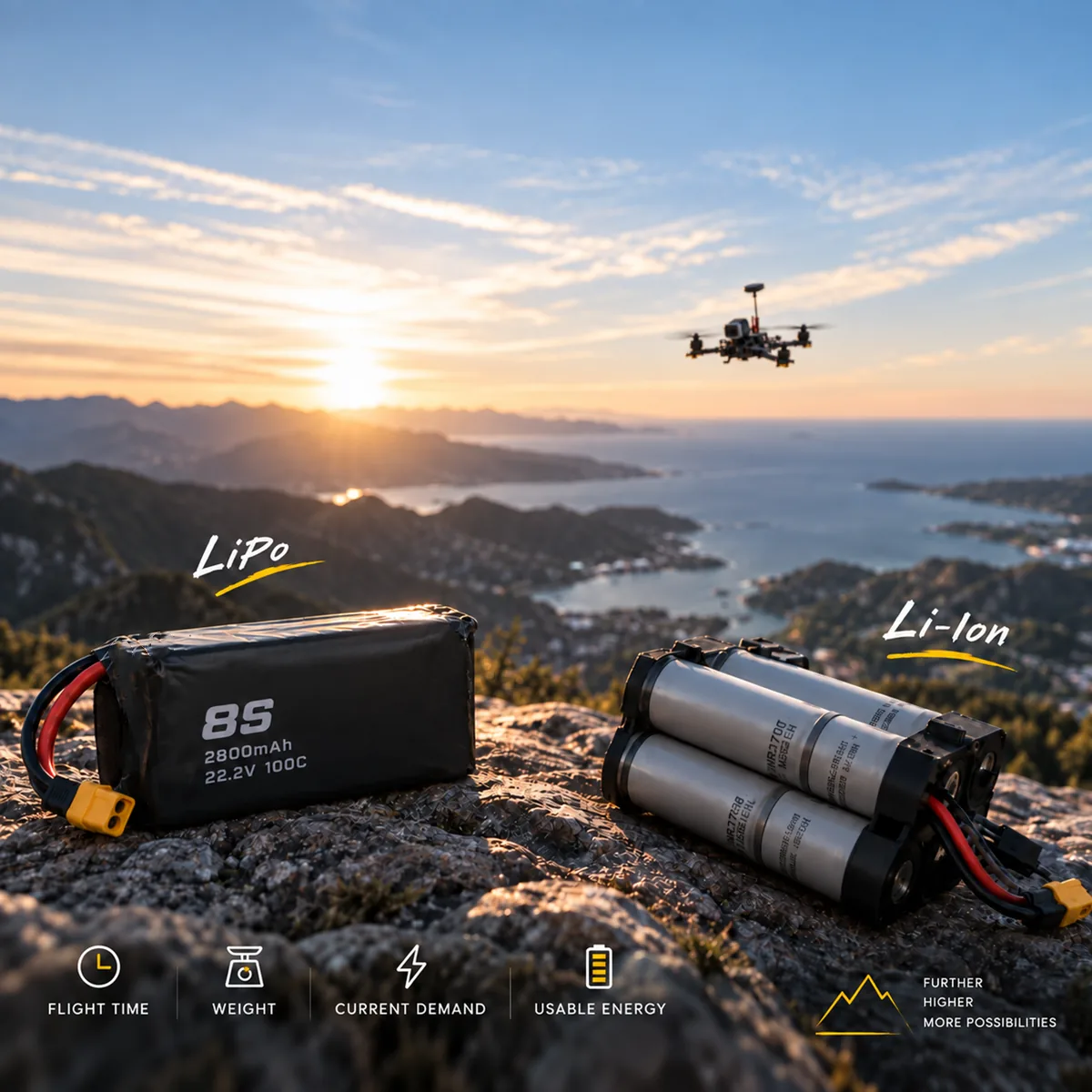
A common way to create a 12S system is to connect two matched 6S batteries
in series. Large commercial X-Class platforms may similarly be designed around
pairs of high-capacity 6S packs. The correct battery cannot be selected by cell
count alone. Capacity determines energy storage but also adds mass. Discharge
capability determines how much current the pack can deliver without severe
voltage sag or overheating. The connector, wiring, power-distribution board, and
ESCs must all tolerate the same current.
On a large drone, this makes seemingly minor items such as connectors
important engineering components. Established X-Class build references include
high-current AS150 and QS8 anti-spark connectors as well as 12S
power-distribution hardware rated for hundreds of amps.
For this reason, copying a battery recommendation from another X-Class
build is not enough. The battery must be matched to the motor KV, propeller, ESC
voltage rating, expected current, all-up weight, and intended flight profile as
a system.
How Do I Build an X-Class FPV Drone? What Motors, ESCs, Batteries, and
Propellers Should I Use?
Building an X-Class machine starts with a purpose-designed frame capable of
handling the stresses of large props and high power—examples include dedicated
X-Class or “beast-class” frames with thick carbon arms and reinforced motor
mounts. Component selection must be matched as a system rather than mixed from
smaller-drone inventories.
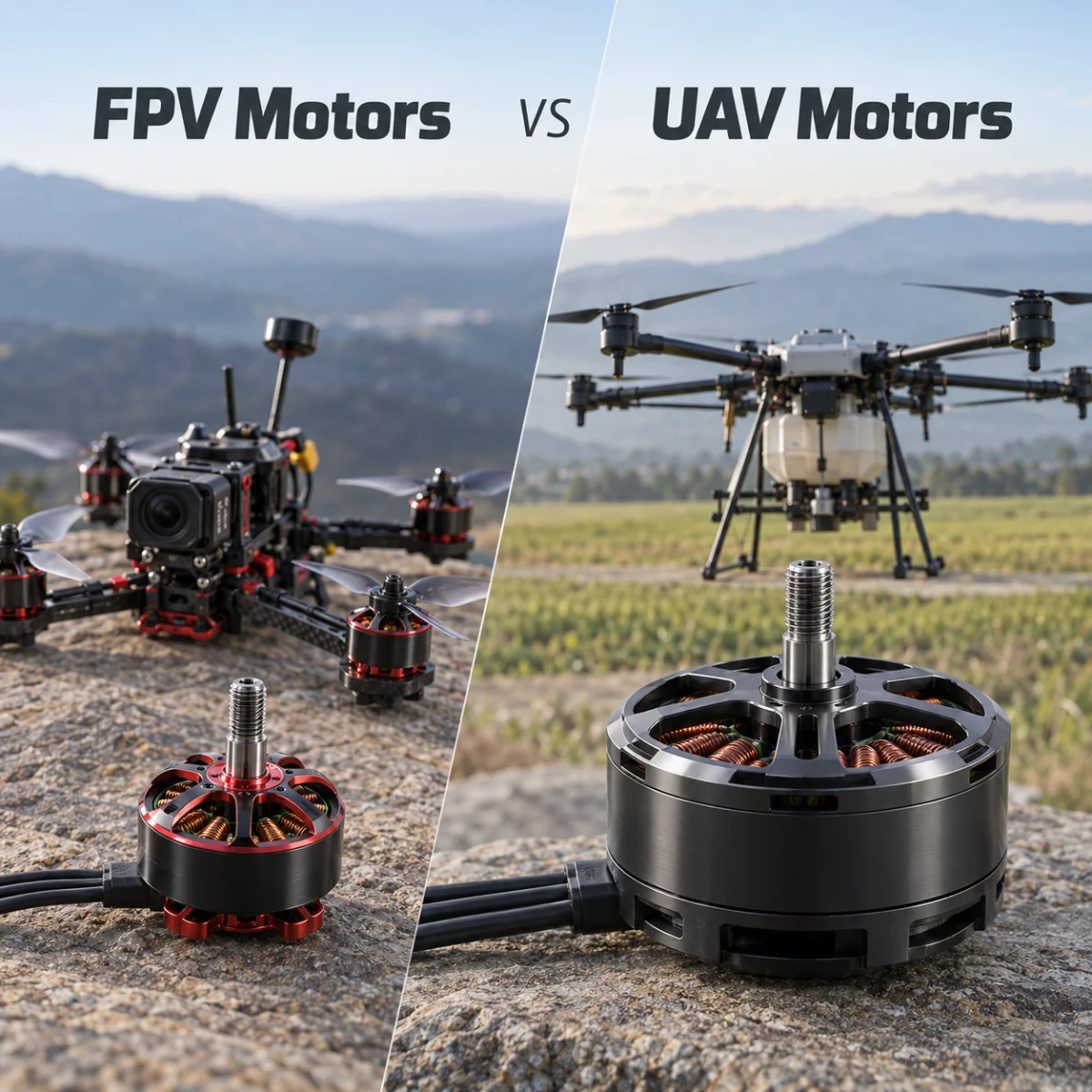
Motors are larger, lower-KV units sized for the intended voltage and prop
diameter (commonly in the 300–500 KV range for higher-cell packs on
13-inch-class props, or correspondingly higher KV on lower voltage). Individual
high-amp ESCs (often 100–120 A or more, sometimes 4-in-1 units rated for the
current) or specialized X-Class ESCs are preferred over standard freestyle
hardware.
Flight controllers need solid processing and sufficient UART/power options;
many builders favor proven boards with good vibration handling. Propellers are
large, stiff, and matched to the motors—tri-blade or bi-blade designs in the
10–15 inch range are typical. Batteries follow the high-capacity, high-voltage
approach already described.
Power distribution, soldering quality, and mechanical security become
critical because loose connections or inadequate current capacity fail under the
loads involved. Firmware setup requires careful PID and filter tuning to account
for the different mass and inertia. Expect a longer build process, higher parts
cost, and more iterative testing than a 5-inch project. Many experienced
builders begin with established parts lists from pilots who have already flown
the class successfully and then refine based on their own goals (racing speed,
payload, or endurance).
How much does an X-Class FPV drone cost?
X-Class drones sit in a different budget category than freestyle rigs.
Based on current market pricing for 10–15 inch frames, industrial-grade ESCs,
and large LiPos:
Entry-level / hobby X-Class build
Using value-oriented components, 10–13 inch props, 8S LiPos: USD
800–1,200 for the airframe, plus batteries and FPV gear.
Serious long-range or cinema-capable build
13–15 inch, 12S power, heavy-lift motors, high-end ESCs, dual packs,
premium FC and link: USD 1,500–3,000+, depending on payload integration.
Professional turnkey systems
Custom X-Class rigs tuned for cinema, LiDAR, or industrial payloads often
fall in the USD 5,000–10,000+ range once you include gimbals, sensors, and
spares.
Conclusion
X-Class FPV drones offer an unparalleled adrenaline rush and cinematic
capabilities that smaller platforms simply cannot replicate. However, they are
not for beginners. The combination of multi-kilogram mass, 100+ mph speeds, and
spinning carbon fiber blades makes an X-Class quad as dangerous as a flying
lawnmower. If you are an experienced FPV pilot to expand into heavy-lift,
high-speed production, mastering the mechanics and electrical nuances of X-Class
is one of the most rewarding milestones in modern drone engineering. As a
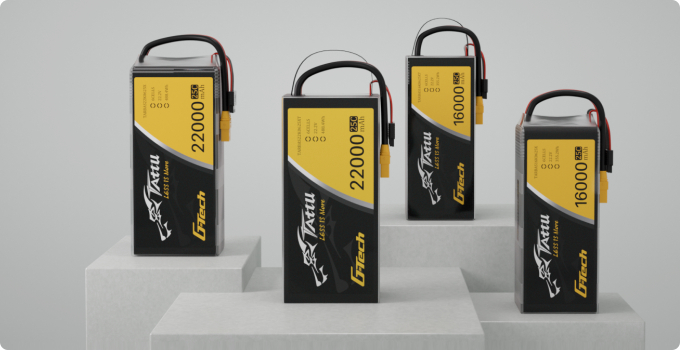
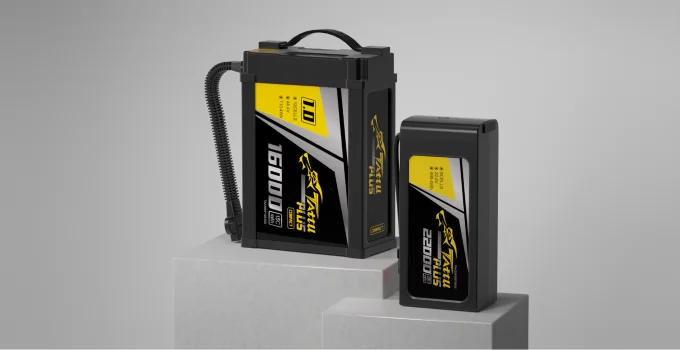
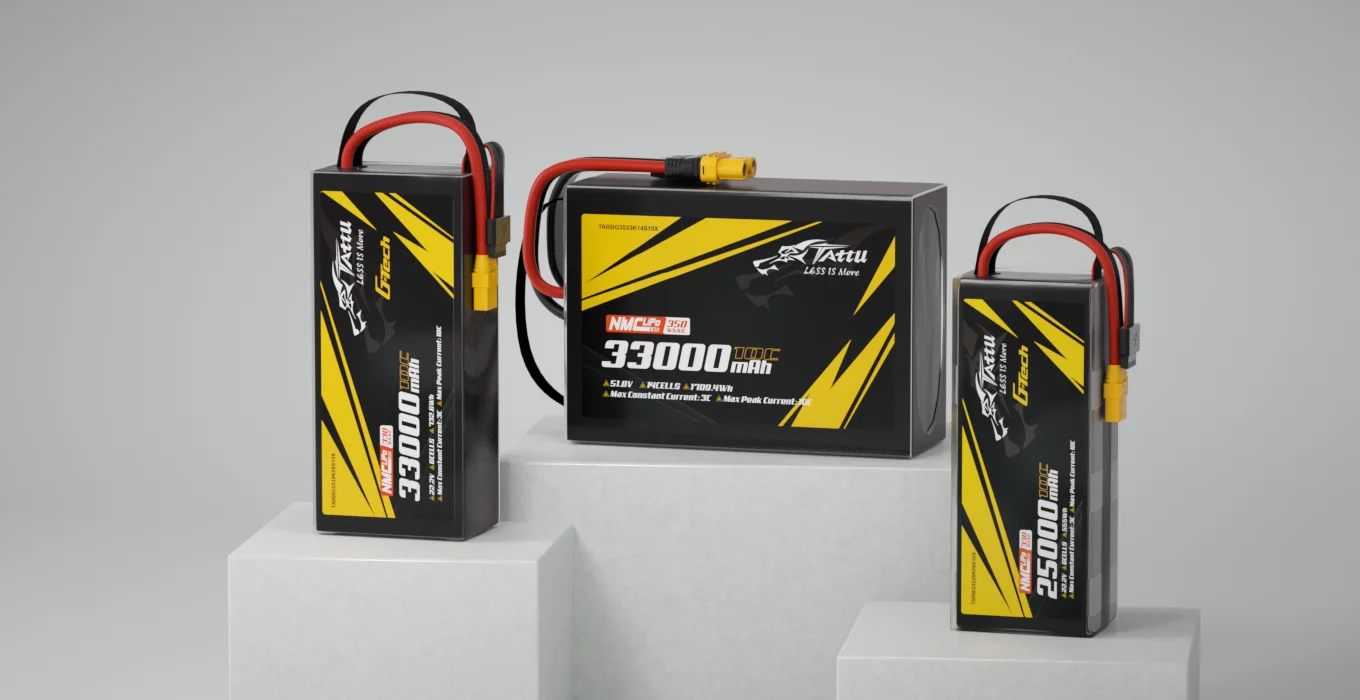
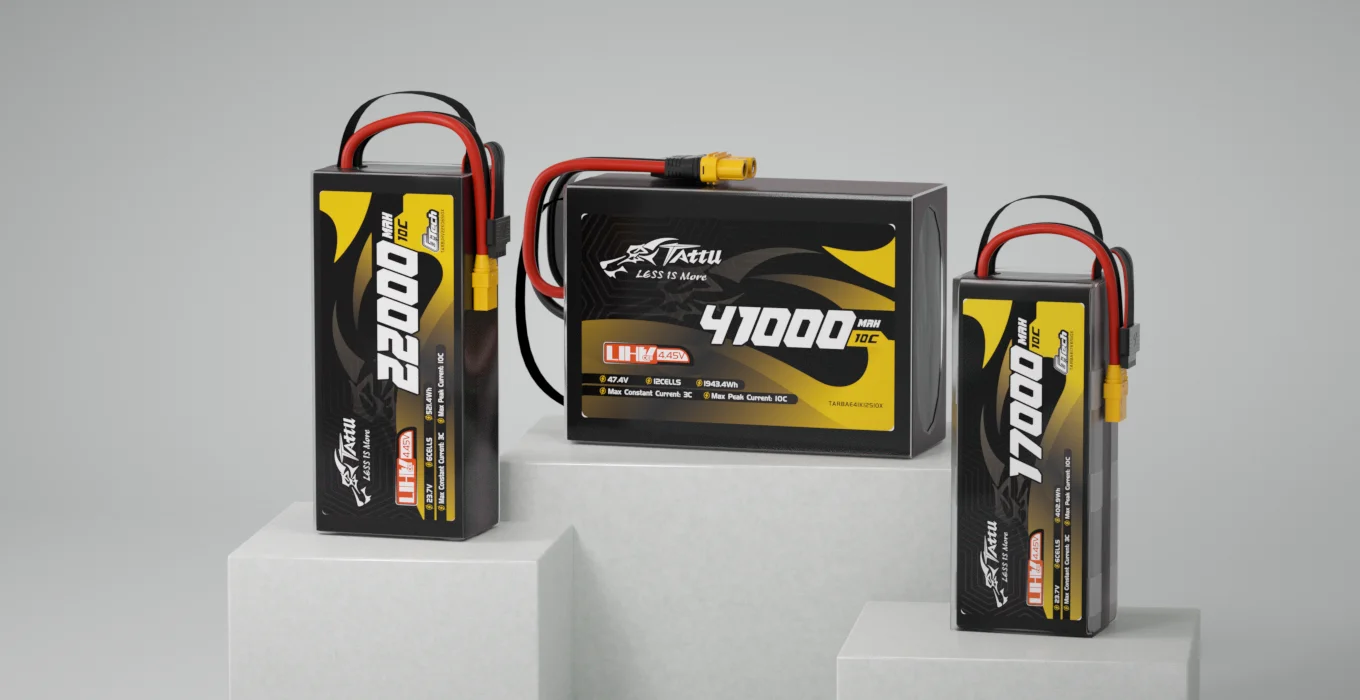
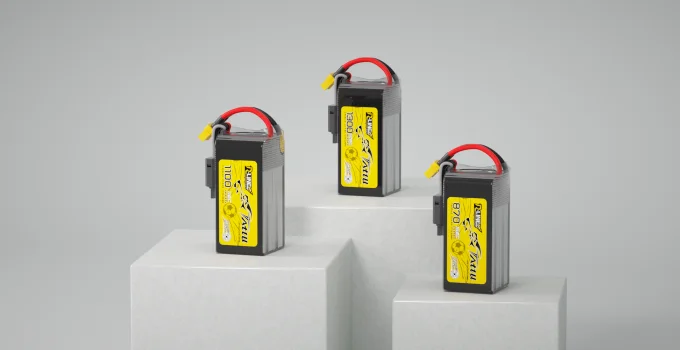
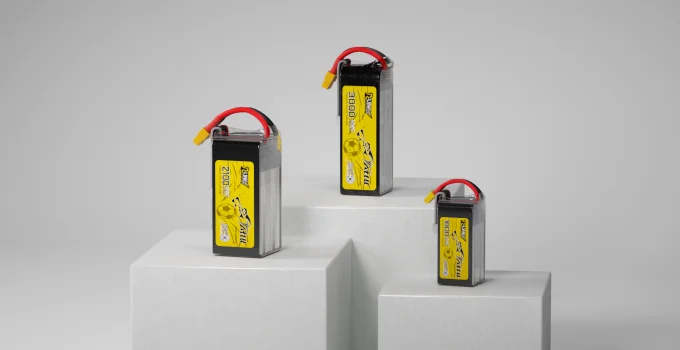
leading global drone battery manufacturer, Tattu offers a comprehensive range of
8S and 12S FPV LiPo batteries with capacities from 5,000mAh to 20,000mAh, designed
to meet the power requirements of 13-inch, 15-inch, and 17-inch X-Class FPV
drones. To find the right battery for your specific setup, visit our FPV Battery
Finder and filter available models by voltage, capacity, and other key
specifications. For more information, please feel free to contact us at [email protected].





 Blog
Blog
 Blog
Blog
 Blog
Blog


