Heavy-lift unmanned aerial vehicles designed for aerial cargo transport and emergency firefighting place extreme demands on their onboard power systems. Whether transporting critical supplies across mountainous terrain or deploying fire-suppression equipment into high-risk zones, 100kg-class platforms require high energy density, sustained voltage stability, and dependable endurance under full-load conditions.
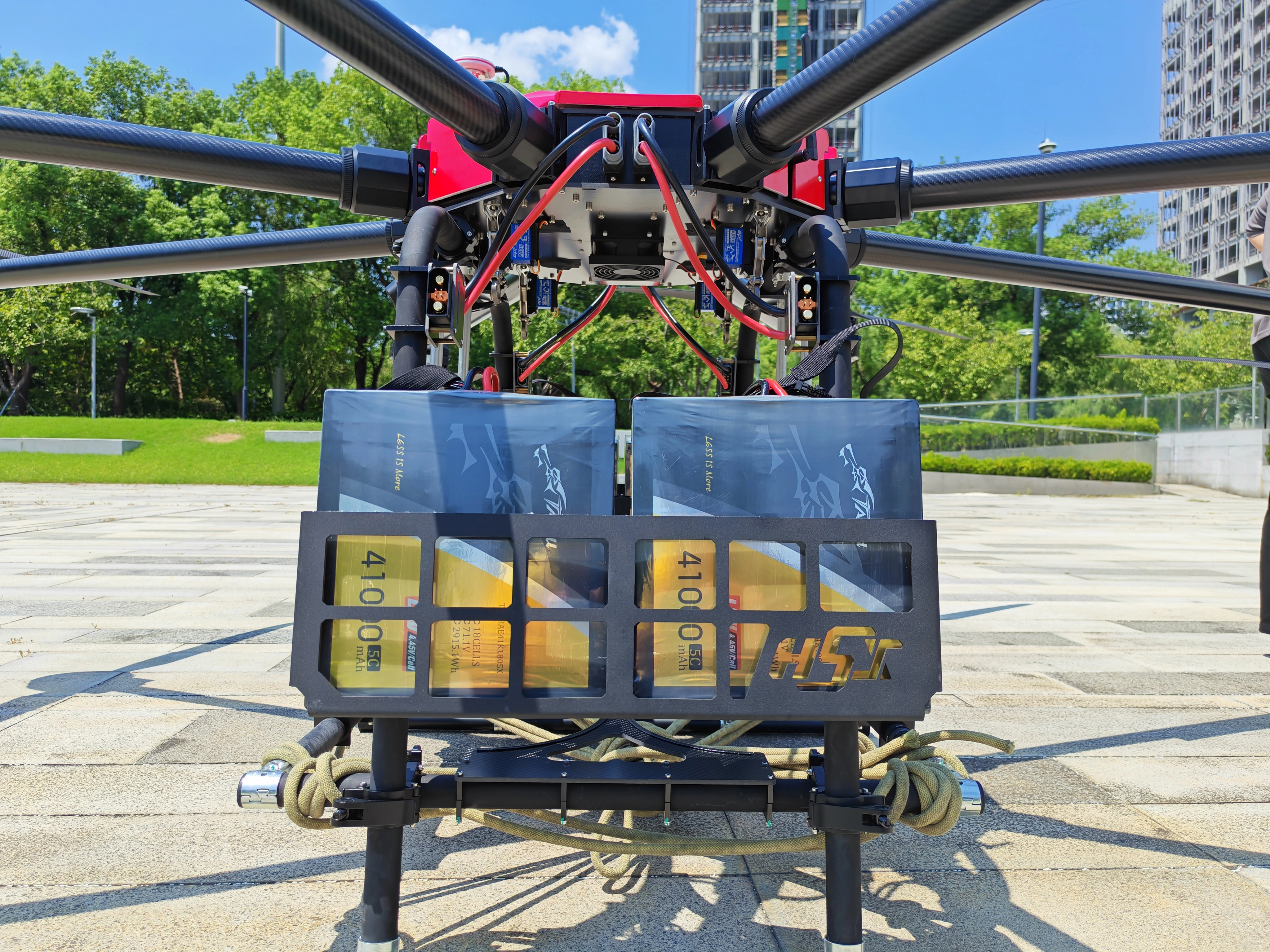
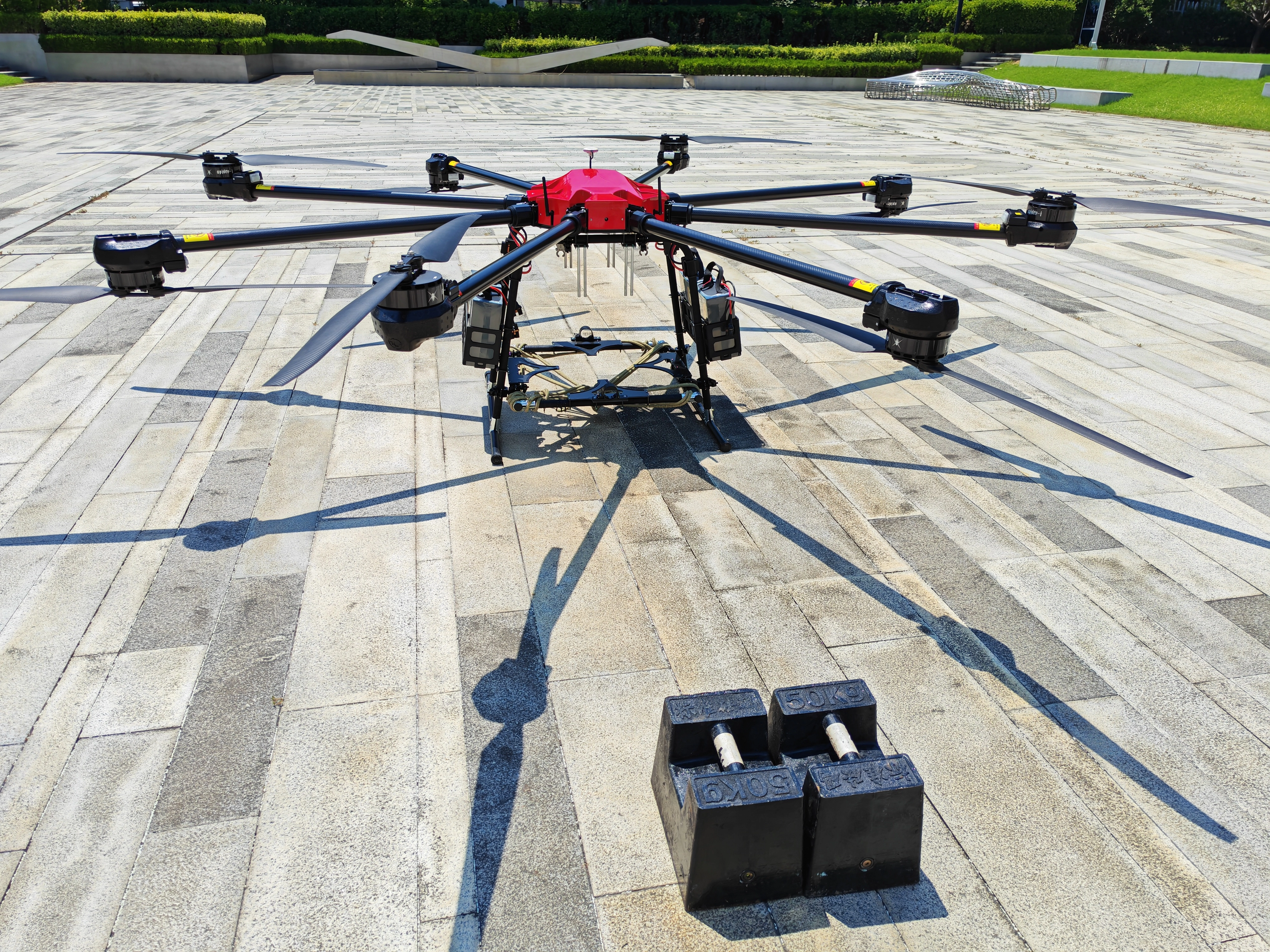
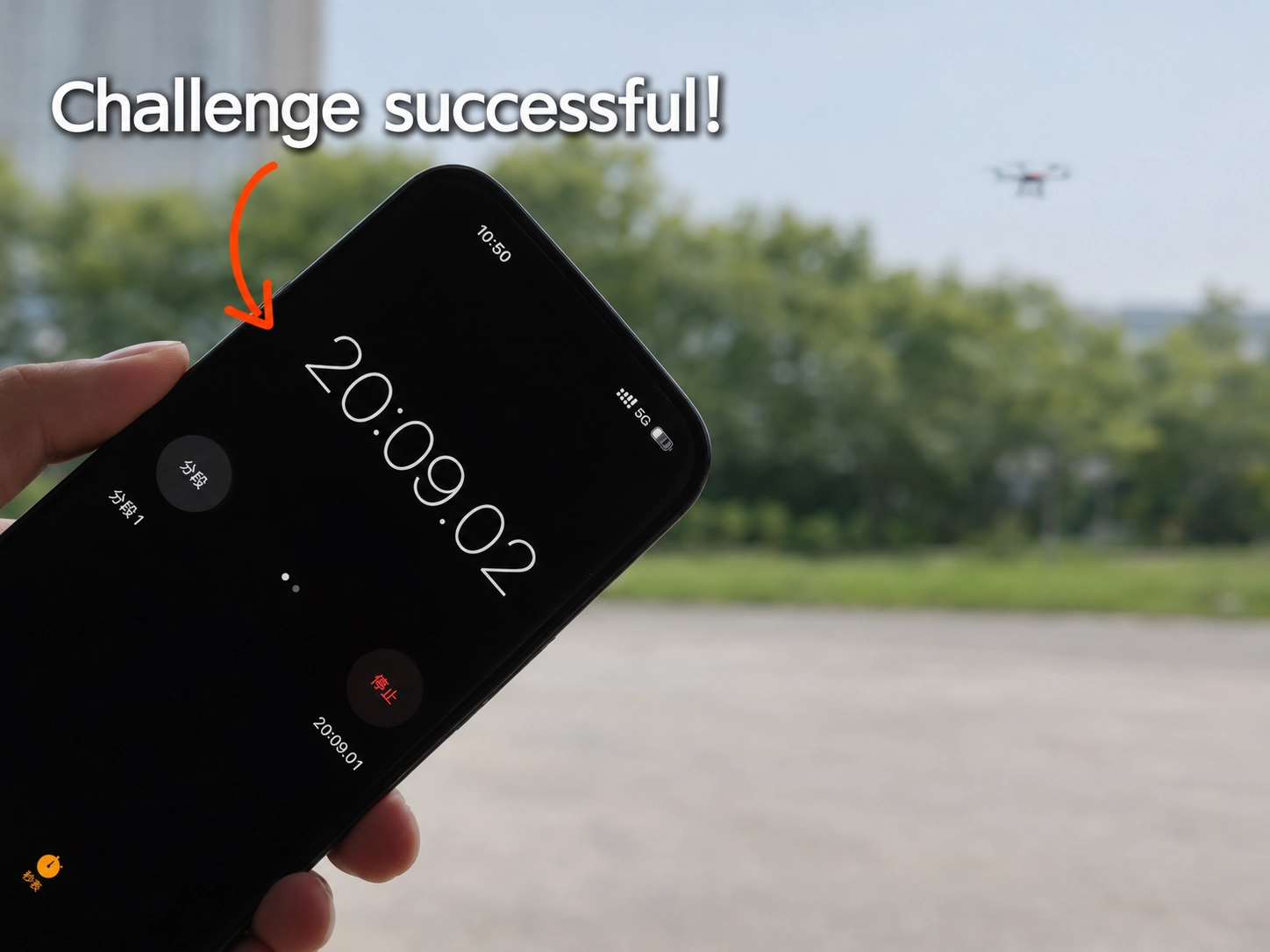
In a full-load flight validation, the H300 Heavy-Lift UAV—an industrial octocopter engineered for heavy-duty transport and firefighting applications—completed a 22-minute flight carrying a 100kg payload. The aircraft was powered by four Tattu 41,000mAh 4.45V 18S Ultra High Voltage (UHV) batteries, demonstrating how a high-voltage, high-energy-density power architecture directly supports 100kg-class industrial operations.
Case Overview
| Item | Details |
|---|
| Application | Heavy-Duty Cargo Transport & Aerial Firefighting |
| Platform | H300 Heavy-Lift UAV (8-Axis Octocopter) |
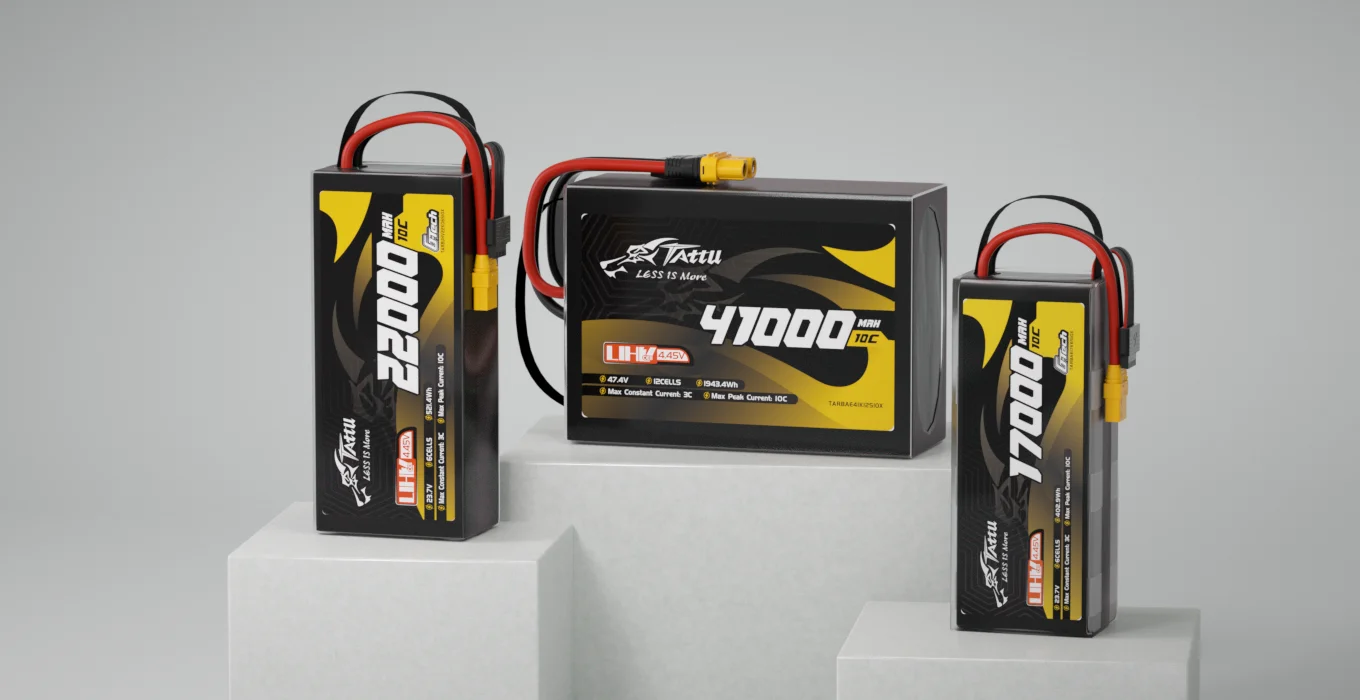
| Battery Used | 4 × Tattu 41,000mAh 4.45V 18S UHV Battery |
| Payload | 100 kg |
| Flight Duration | 22 minutes |
Operation in Action
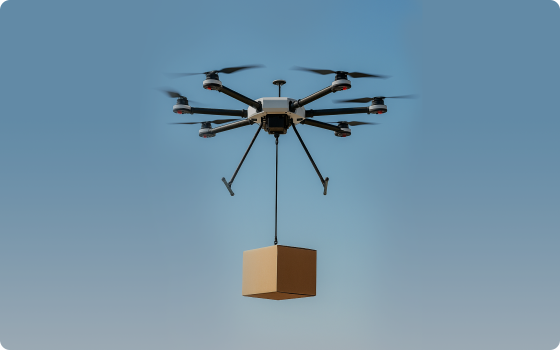
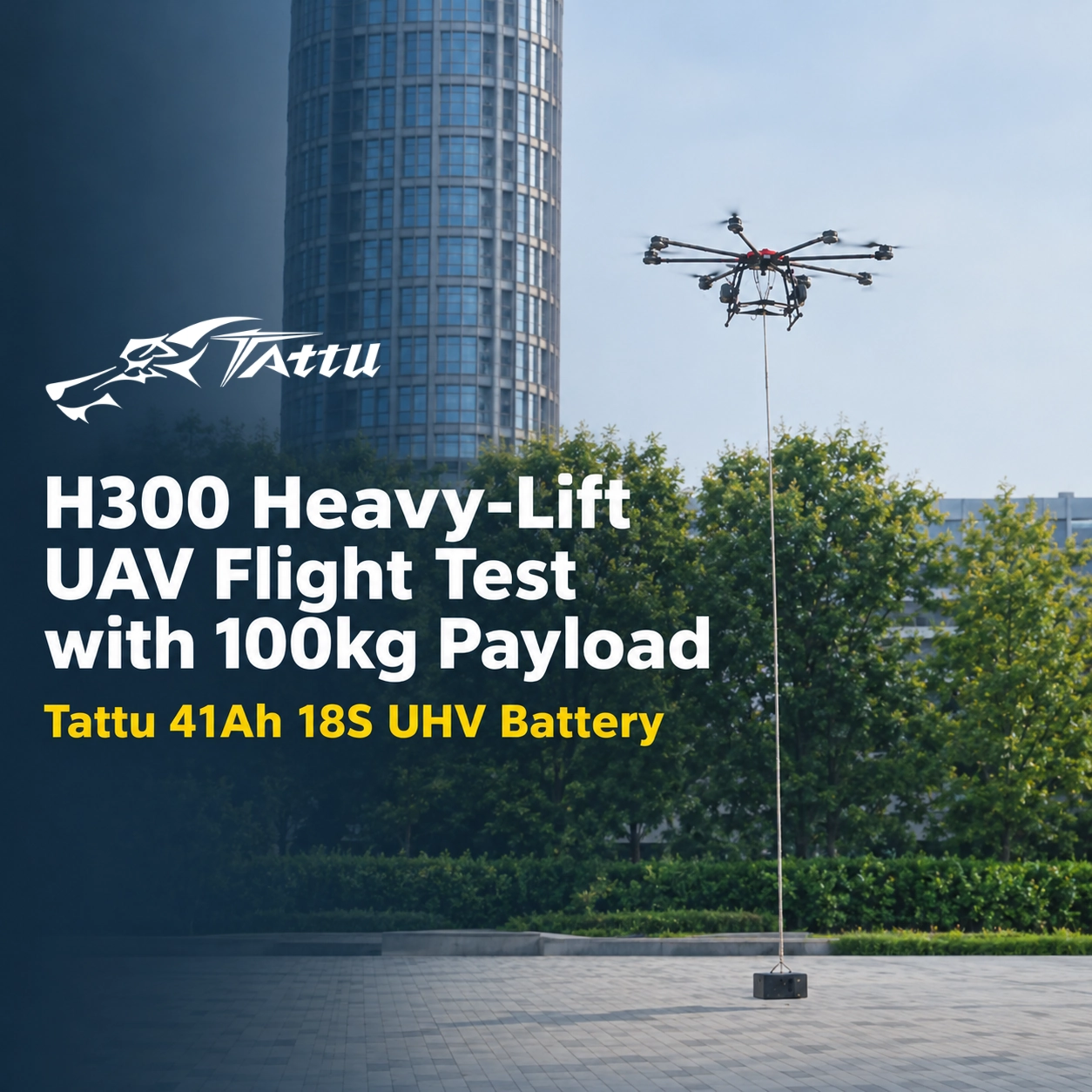
During full-load validation, the H300 octocopter lifted off cleanly with a 100kg payload secured beneath the airframe, powered by the four-pack Tattu 41Ah 18S UHV battery array mounted to the central power bay.
Power Demands of 100kg-Class Heavy-Lift Missions
Carrying a 100kg payload pushes an octocopter propulsion system into continuous high-power operation. Real-world cargo logistics and firefighting missions require sustained vertical climbs, loaded cruising, and extended station-keeping hover—all of which place severe electrical and thermal stress on the battery system.
Voltage Stability Under Continuous High Load: If a battery pack experiences sharp voltage sag under heavy current draw, motor thrust efficiency drops immediately. This forces the flight controller to compensate with higher throttle levels, reducing dynamic control headroom during critical maneuvers.
Thermal Management & Energy Efficiency: Delivering high power over a 22-minute flight window generates substantial heat across wiring, connectors, and ESCs unless system voltage is stepped up to keep current levels controlled—all while keeping total battery mass low enough to preserve the 100kg payload capacity.
Tattu Battery Solution: Matching 18S UHV Architecture to Mission Demands
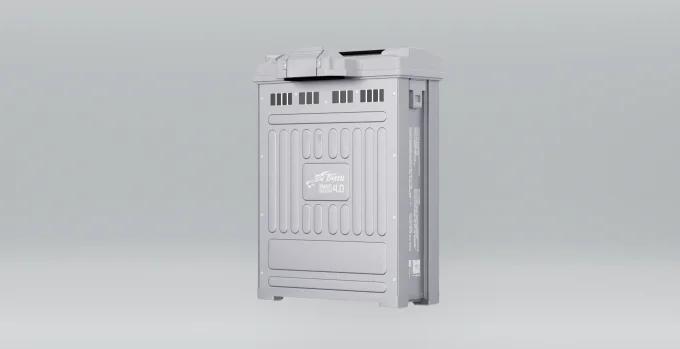
To validate the H300 platform's power and endurance capabilities at its 100kg full-load rating, the aircraft was configured with four Tattu 41,000mAh 4.45V 18S Ultra High Voltage (UHV) batteries.
Higher Energy Density to Protect the 100kg Payload Budget
Tattu UHV cells feature a 4.45V per-cell upper charge voltage, delivering higher gravimetric energy density than standard 4.2V LiPo batteries. By storing more total energy per unit mass, the 4 × 41,000mAh UHV pack configuration provides the watt-hour capacity needed for a 22-minute full-load flight without eating into the H300's 100kg payload allocation.
18S High-Voltage Architecture for Reduced Current Stress
Operating at an 18S nominal voltage architecture significantly lowers the current required to generate equivalent propulsion power compared to lower-voltage setups. Lower operating current reduces resistive heat buildup across power distribution boards, ESCs, and connectors during prolonged full-load climbs and hovering—improving electrical efficiency and thermal reliability across demanding mission environments.
Controlled Operating Window for Predictable Mission Planning
The Tattu UHV series operates within a 4.45V to 3.0V per-cell voltage range as the State of Charge (SOC) decreases from 100% to 0%, providing a controlled and reliable operating window for UAV applications. Combined with a higher discharge voltage platform across the discharge curve, the four-battery system maintains consistent thrust response from takeoff through loaded flight and landing.
Test Results & Operational Impact
During the 100kg full-load validation flight, the H300 Heavy-Lift UAV achieved:
100kg Full-Load Lift Capability: Lifted and carried the 100kg payload cleanly while maintaining stable flight attitude and control authority.
22-Minute Full-Load Endurance: Delivered 22 minutes of continuous flight time at maximum payload, proving operational readiness for real-world transport and firefighting deployments.
Thermal and Electrical Stability: The 18S UHV configuration minimized current-induced thermal stress under continuous heavy-lift power demand.
Explore Tattu UHV & Custom Heavy-Lift Power Solutions
From 100kg-class cargo logistics to emergency aerial firefighting, heavy-lift UAVs require power systems engineered specifically around payload-to-weight ratios, voltage stability, and thermal safety.
Explore the UHV Series: Discover how Tattu UHV Batteries deliver higher energy density and a controlled 4.45V–3.0V operating window for industrial platforms.
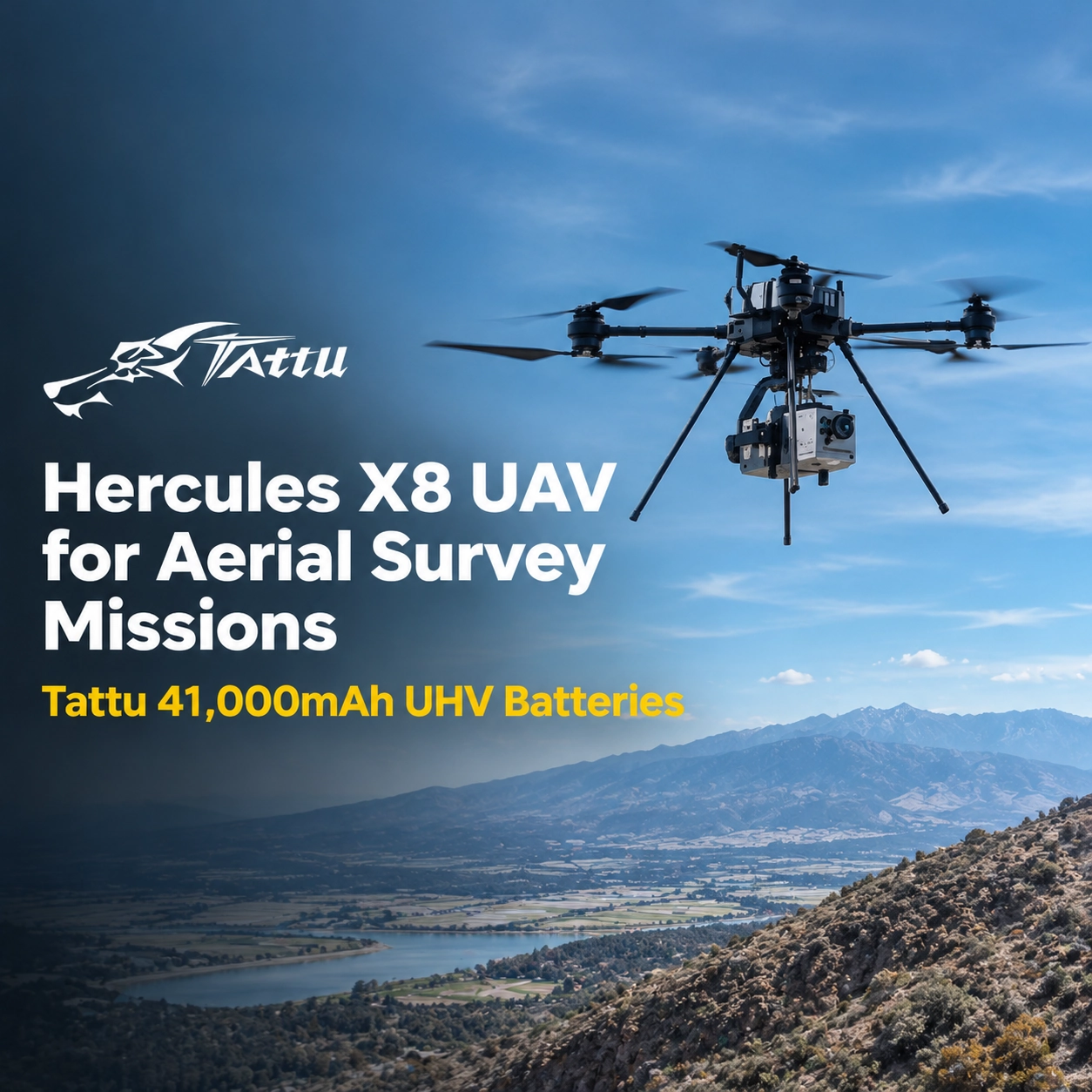
Similar Heavy-Lift Applications: Learn how Tattu powers heavy-payload aerial operations in our Hercules Heavy-Lift Aerial Survey Case Study.
Custom UAV Battery Engineering: Building a heavy-lift platform with specific series/parallel voltage or form-factor requirements? Contact Tattu's engineering team to configure a tailored power system for your aircraft.






 Case Study
 Case Study
 Case Study


