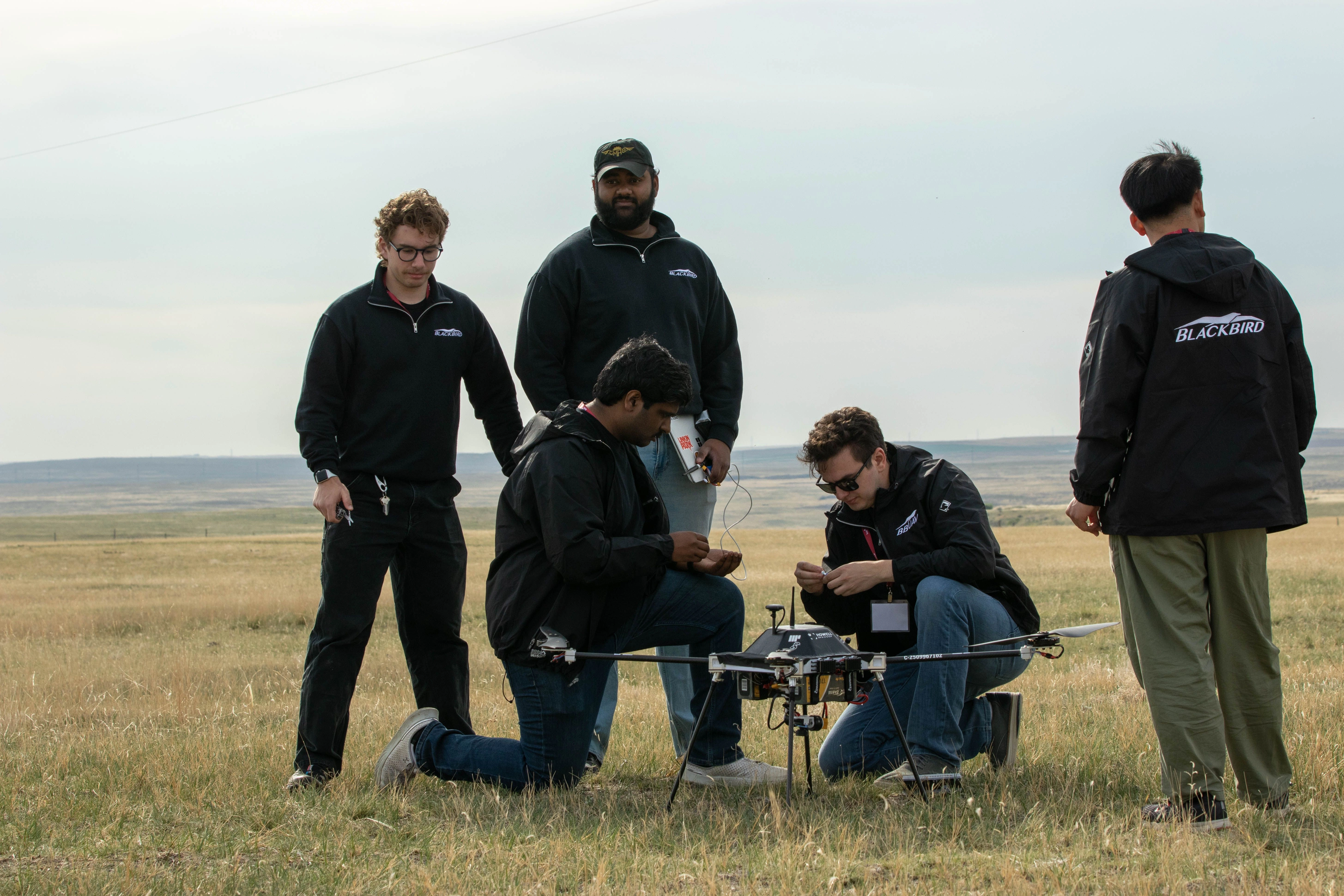
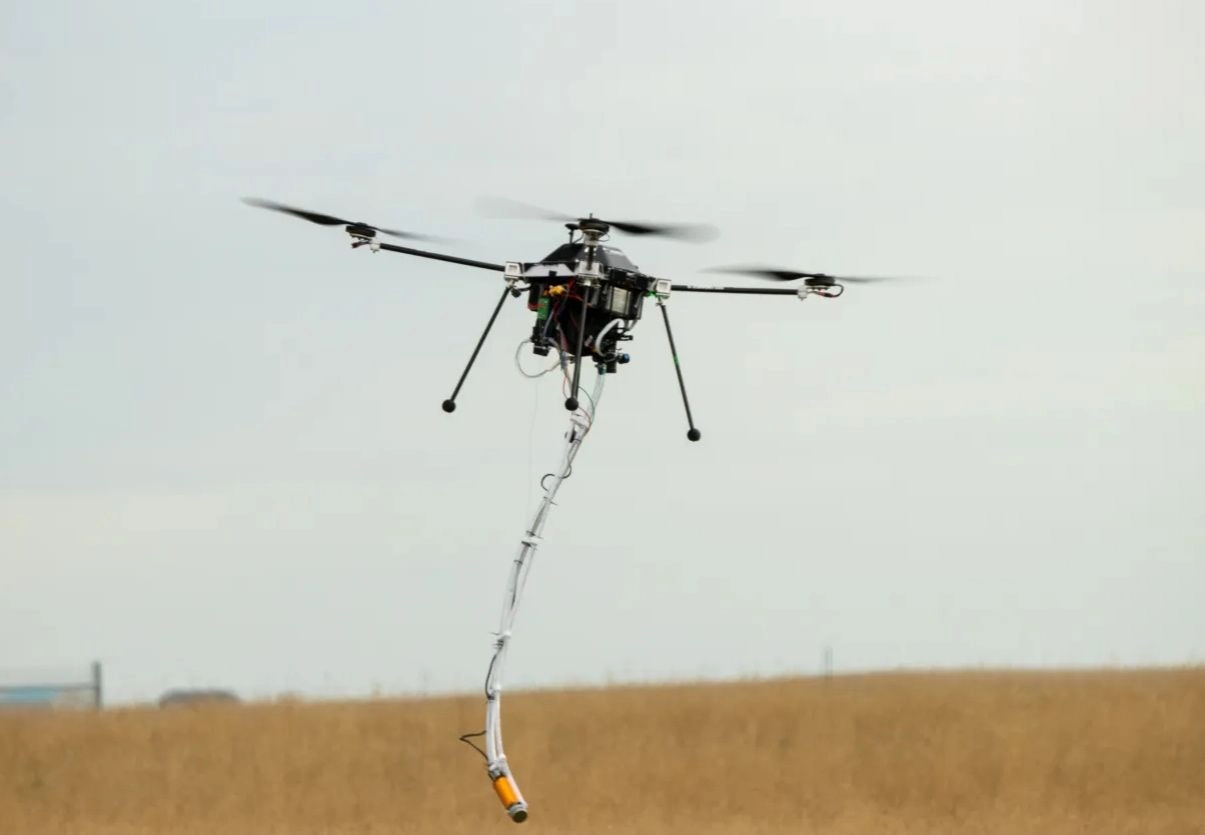
Developed by the Blackbird UAV team at Carleton University, this custom-built firefighting drone was designed to explore new possibilities in autonomous wildfire detection and response.
At the 16th Annual Aerial Evolution Association of Canada (AEAC) Student UAS Competition, held in May 2025 in Medicine Hat, Alberta, the team achieved 3rd Place Overall with its Goliath drone.
The competition challenged student teams to develop an aerial system capable of autonomously detecting multiple fire hotspots across a wide area, collecting water from a reservoir, and delivering it to designated target areas.
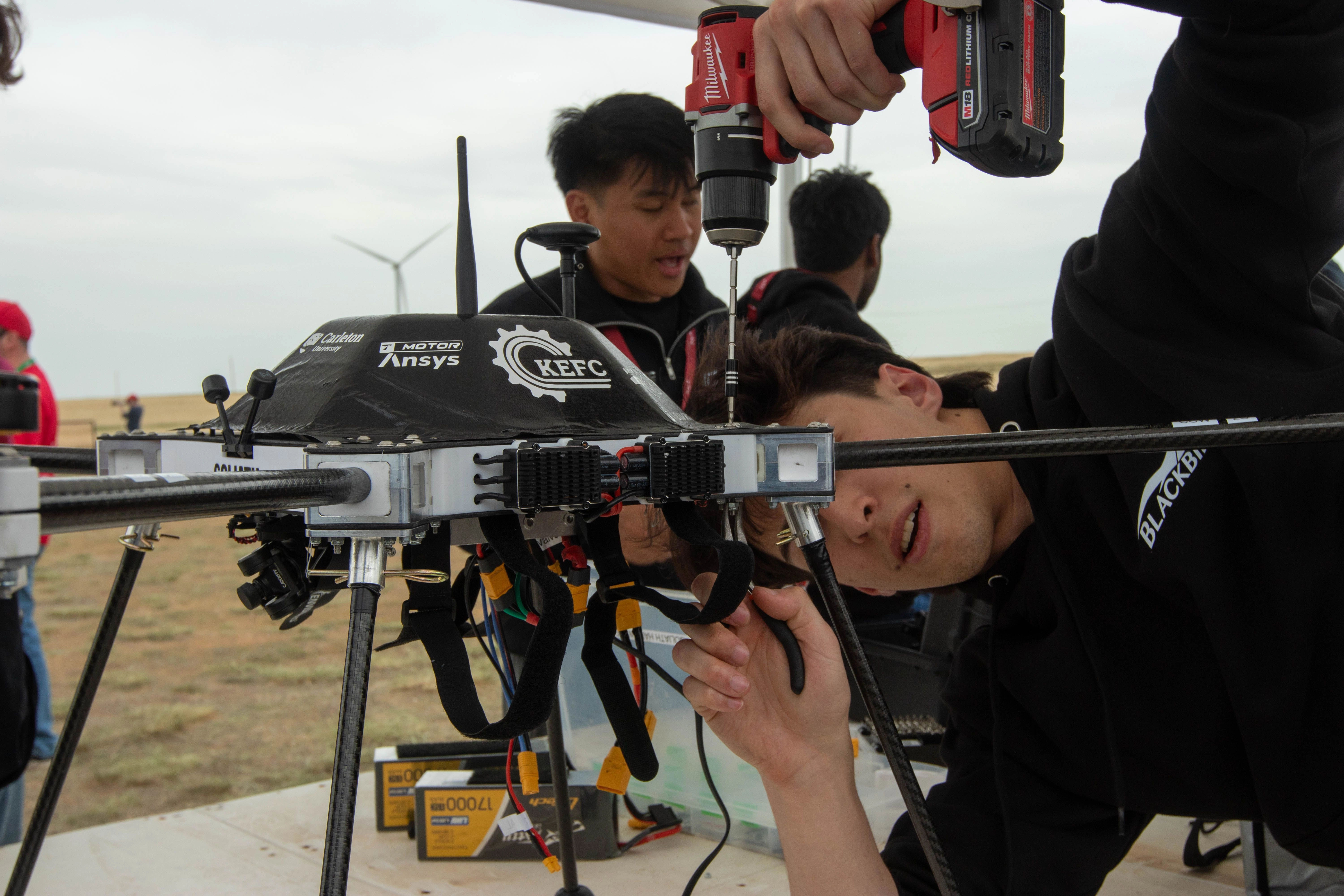
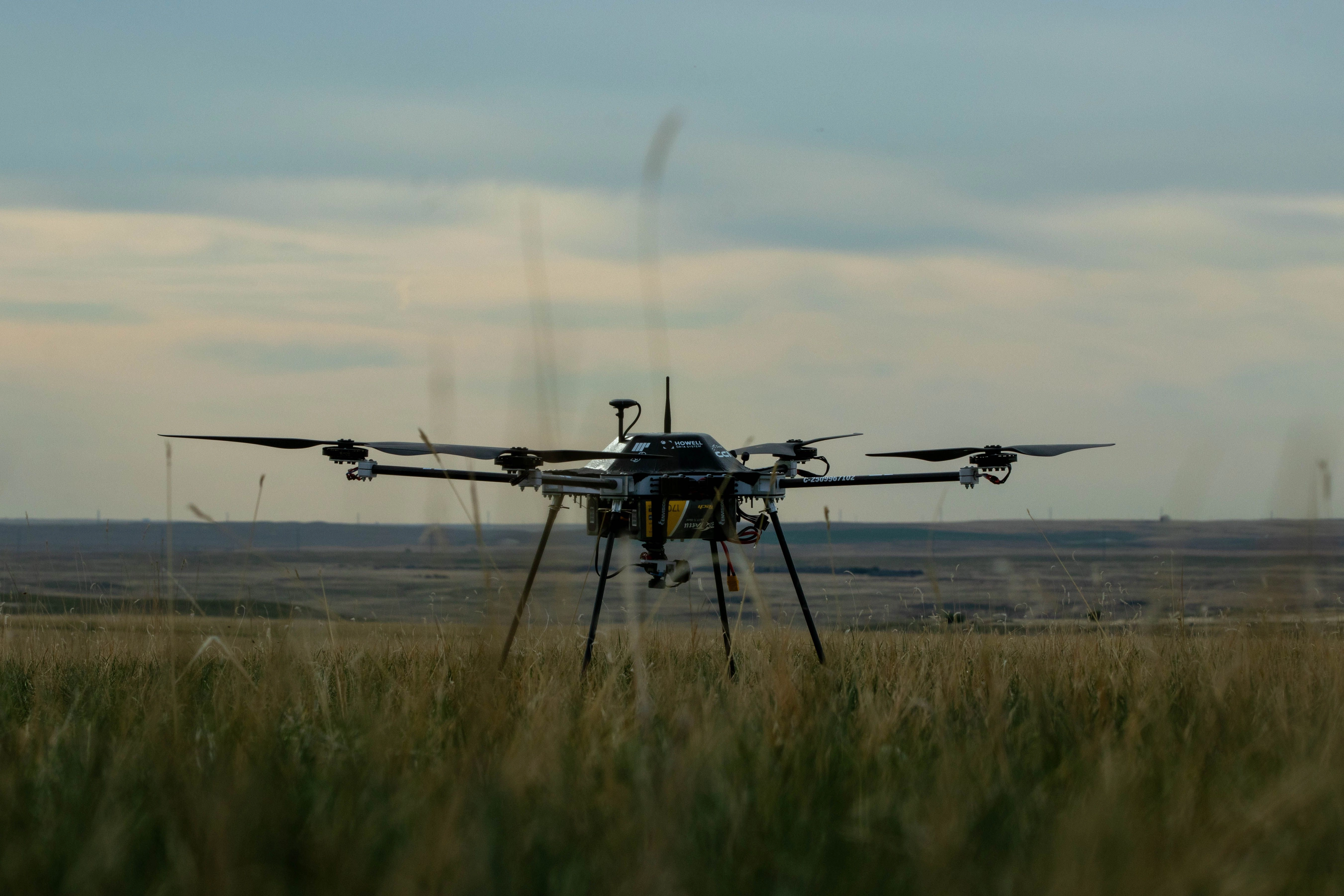
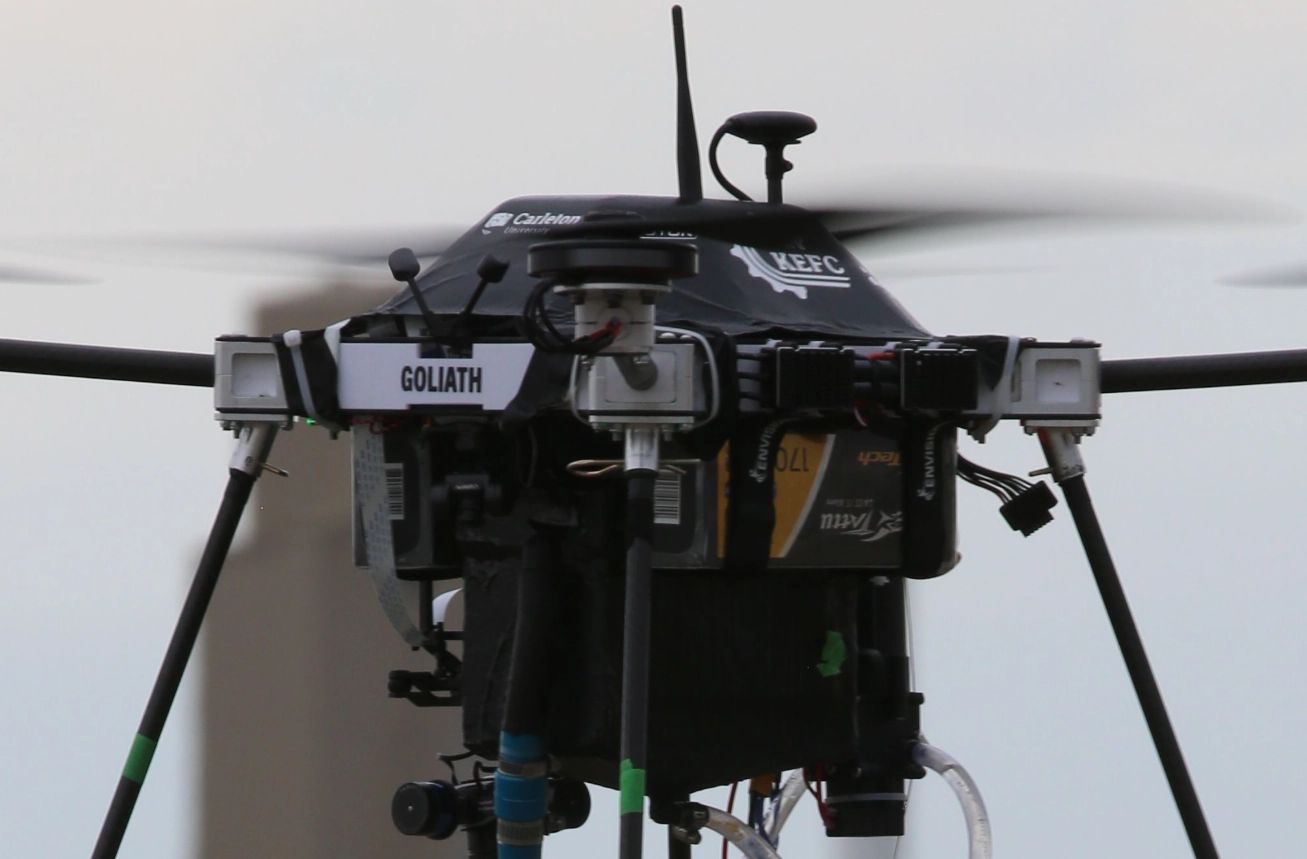
To meet these requirements, the team developed a custom quadcopter featuring a fully modular payload compartment, allowing camera and water tank systems to be easily interchanged. Equipped with First Person View (FPV) cameras and LTE communication, the aircraft combines autonomous mission capabilities with precise pilot control.
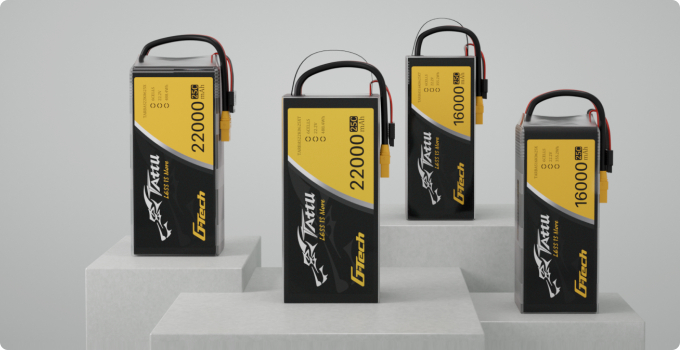
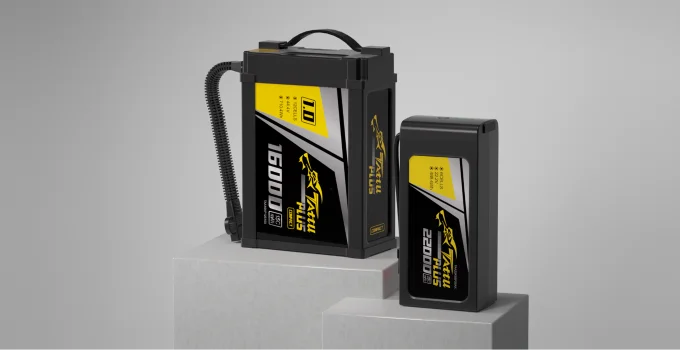
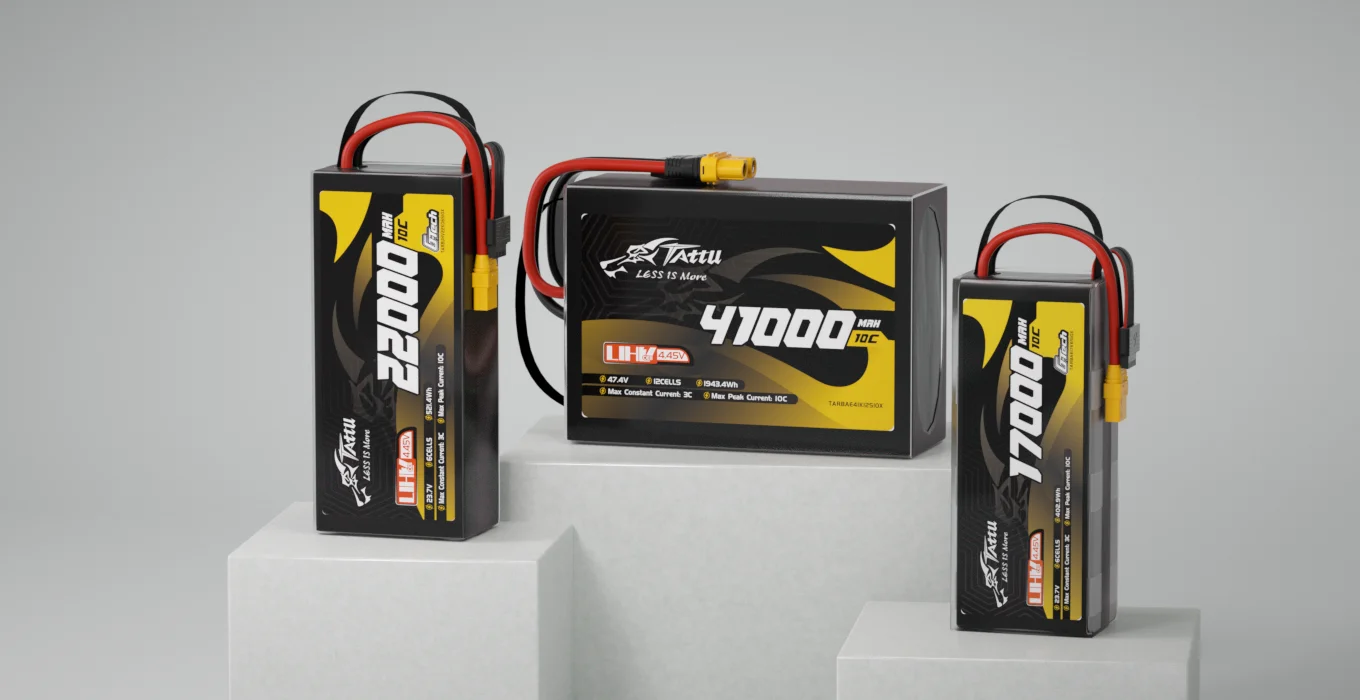
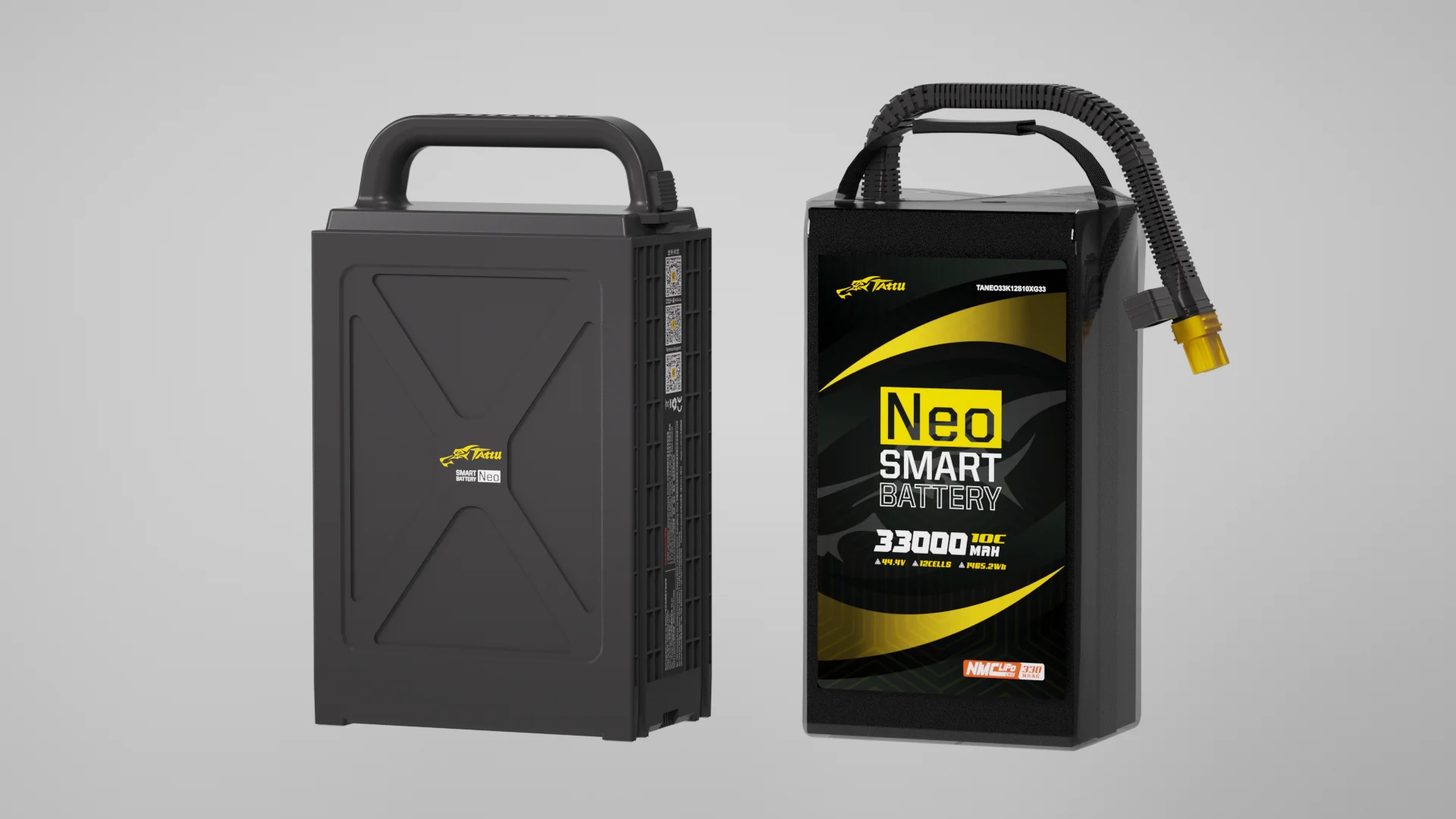
For its power system, the drone uses two Tattu 17,000mAh 6S High Voltage LiPo batteries, supporting the propulsion requirements of this 15kg MTOW aircraft.
Case Overview
| Item | Details |
|---|
| Application | Autonomous Firefighting & Wildfire Detection |
| Competition Achievement | 3rd Place Overall, 2025 AEAC Student UAS Competition |
| Development Team | Blackbird UAV, Carleton University |
| Maximum Takeoff Weight | 15 kg |
| Maximum Speed | 45 km/h (24.3 knots) |
| UAV Configuration | Quadcopter |
| Battery Setup | 2 × Tattu 17,000mAh 6S High Voltage LiPo |
Mission in Action
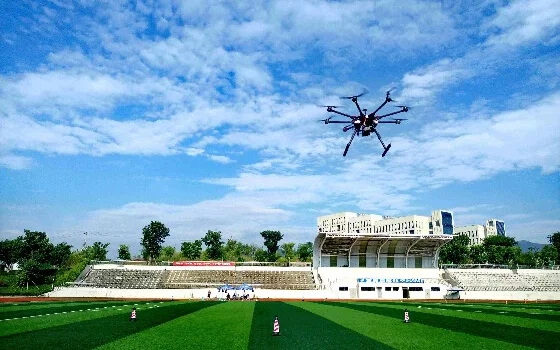
The autonomous firefighting UAV in action at the 2025 AEAC Competition.
Autonomous Wildfire Detection and Response
The primary objective of this project was to develop an autonomous aerial system capable of identifying and responding to multiple fire hotspots.
The drone was designed to scan a wide area, autonomously detect fire hotspots, and proceed to a water reservoir to collect water before delivering it to designated target locations.
By integrating aerial detection, autonomous flight, and targeted water delivery, the project explores how UAV technology can contribute to wildfire monitoring and emergency response.
Modular Payload Design for Mission Flexibility
A key feature of the aircraft is its fully modular payload compartment, which allows the team to quickly switch between camera and water tank systems.
This flexible design enables the same drone platform to accommodate different mission requirements, from aerial hotspot detection to water delivery, without requiring a complete aircraft redesign.
FPV cameras provide pilots with a first-person view during flight, helping improve situational awareness and control precision. Meanwhile, the LTE-based communication system supports the aircraft's connected operational architecture.
Engineering and Competition Achievement
Designed and developed by the Blackbird UAV team, the aircraft reflects a multidisciplinary engineering approach covering aerospace design, manufacturing, and system integration.
The team used SolidWorks for CAD design and incorporated a combination of carbon fiber, fiberglass, aluminum machining, and 3D printing in the manufacturing process.
Following extensive testing and design iterations, the team brought the aircraft to the 2025 AEAC Student UAS Competition. Despite encountering technical challenges during the event, Blackbird UAV successfully completed its competition mission and secured 3rd Place Overall among participating teams.
This achievement highlights the team's engineering capabilities and its ability to develop and operate a custom UAV platform for a demanding real-world-inspired application.
Tattu High Voltage LiPo Batteries: Powering the UAV
For a custom-built quadcopter with a maximum takeoff weight of 15 kg, the battery system plays an important role in the overall aircraft design.
The aircraft is equipped with two Tattu 17,000mAh 6S High Voltage LiPo batteries, each providing 17,000mAh of capacity. This battery configuration serves as the onboard power source for the drone's electric propulsion system.
With autonomous flight capabilities, FPV cameras, and modular payload systems integrated into one platform, the aircraft requires a battery solution that fits its specific power system design.
Tattu High Voltage LiPo batteries are part of the team's integrated power solution, supporting the development and operation of this specialized firefighting UAV.
Tattu: Powering the Next Generation of UAV Innovation
From aerial monitoring and industrial operations to specialized firefighting applications, UAV technology continues to expand into increasingly demanding fields.
This project demonstrates how autonomous flight, modular payload engineering, and a dedicated battery power system can come together to explore new possibilities in wildfire detection and response.
Tattu is committed to providing battery solutions for diverse UAV applications, supporting drone developers, engineering teams, and professional operators with power solutions tailored to their aircraft requirements.







 Case Study
 Case Study
 Case Study


