During the busy farming season, every spraying flight is part of a demanding daily schedule. Hot weather, repeated takeoffs and frequent recharging put agricultural spraying drone batteries to work throughout the day.
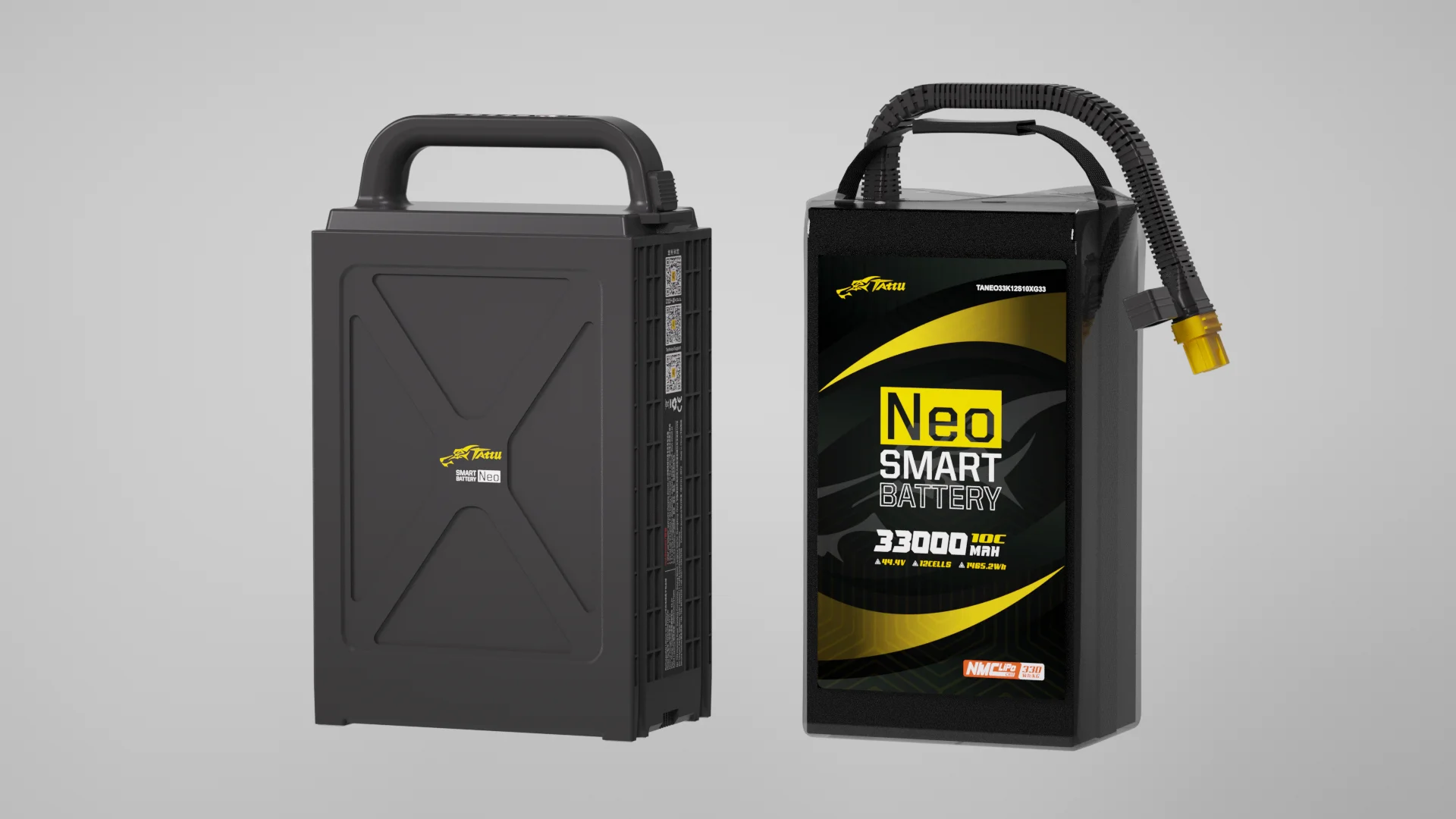
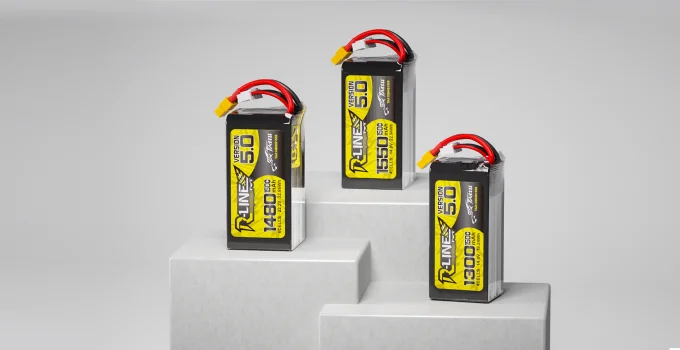
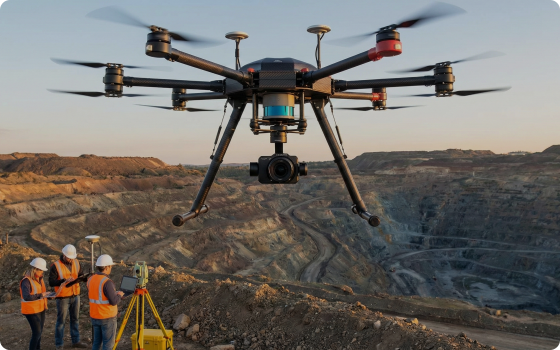
We interviewed a farmer in the field to hear how Tattu 5.0 batteries perform in everyday crop spraying. His setup pairs Tattu 5.0 with a TopXGun FP800-series agricultural drone, a platform featuring an 80L spraying tank and a maximum payload of 85kg.
The conversation focused on three practical questions: how much land one charge can cover, how quickly the battery recharges and whether heat affects the job.
Case Overview
Item
Details
Application
Agricultural Spraying Drone
Drone Platform
TopXGun FP800 Series
Platform Capacity
80L Spraying Tank; 85kg Maximum Payload
Battery Used
Tattu 5.0
Coverage per Charge
Approx. 0.47–0.67 hectares
Daily Spraying Coverage
Approx. 13.3–20 hectares
Charging Time
Approx. 8–10 min
Hot-Weather Feedback
Normal Heat Generation; No Disruption to Work
Watch the field interview to hear the feedback directly.
Keeping Pace with Fieldwork
For farmers, battery performance comes down to getting work done. Spraying, landing, refilling and preparing for the next flight all form part of the daily routine. The battery needs to fit that rhythm.
This interview focused on firsthand working experience rather than laboratory specifications. The farmer's answers connected battery performance with the things that matter during a busy day: useful coverage, quick charging and uninterrupted work.
Approximately 0.47–0.67 Hectares per Charge
The farmer reported covering approximately 0.47–0.67 hectares of farmland per charge with his Tattu 5.0-powered drone.
This puts battery endurance into a practical context: the amount of spraying completed before the next recharge. For agricultural drone users, coverage per charge is a useful reference when planning field sections and battery rotation.
Looking at the full working day, the farmer reported approximately 13.3–20 hectares of drone spraying coverage, compared with around 2–2.7 hectares per person using manual spraying.
His experience illustrates the change in daily workflow that drone spraying brings, with Tattu 5.0 supplying power for the repeated flights involved.
An 8–10-Minute Charging Experience
Asked about charging speed, the farmer's response was direct: charging is fast. He reported that the battery normally charged fully in approximately 8–10 minutes during his fieldwork.
Charging turnaround matters because the work continues between flights. Refilling and flight preparation need to stay coordinated with battery availability. A short charging interval helps batteries return to the working rotation and supports the pace of repeated spraying missions.
For this farmer, charging speed was a clear part of the Tattu 5.0 user experience.
Hot-Weather Operation Without Disruption
The interview also addressed battery heat during hot-weather fieldwork.
The farmer reported normal heat generation and said it did not affect operation. His feedback speaks directly to a practical concern during the farming season: whether the battery can keep working as the day gets hot and flights continue.
In the work he described, battery heat did not interrupt the spraying schedule.
Tattu 5.0 in Everyday Agricultural Use
The interview brings together three aspects of Tattu 5.0's field use: approximately 0.47–0.67 hectares of spraying per charge, an 8–10-minute charging experience and hot-weather operation without heat-related disruption, as reported by the farmer.
Together, these observations show how Tattu 5.0 fits into the working routine of a TopXGun FP800-series agricultural drone. The value is tangible: powering spraying flights, returning to service after charging and keeping pace with the farmer's daily workload.
Find Power for Your Agricultural UAV
Developing an agricultural drone or evaluating batteries for your spraying fleet? Share your aircraft model, payload, daily workload and charging needs with Tattu to discuss a suitable battery and charging solution.








 Case Study
 Case Study
 Case Study


