1. The Challenge: Surpassing the 3-Hour Mark
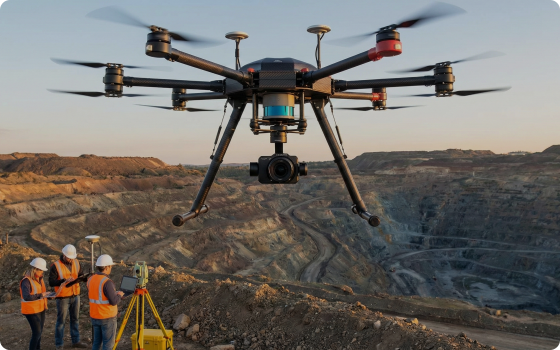
Renowned tech creator Luke Maximo Bell set out with a singular, ambitious
goal: to build the most efficient multirotor drone ever made. His benchmark was
the Sci-Fily Q12, an impressive piece of engineering capable of flying for 3
hours and 12 minutes on a single charge. To break this record, Luke knew that
while massive 40-inch T-Motor propellers and high-efficiency motors were
essential, the true bottleneck was the energy density of the power source.

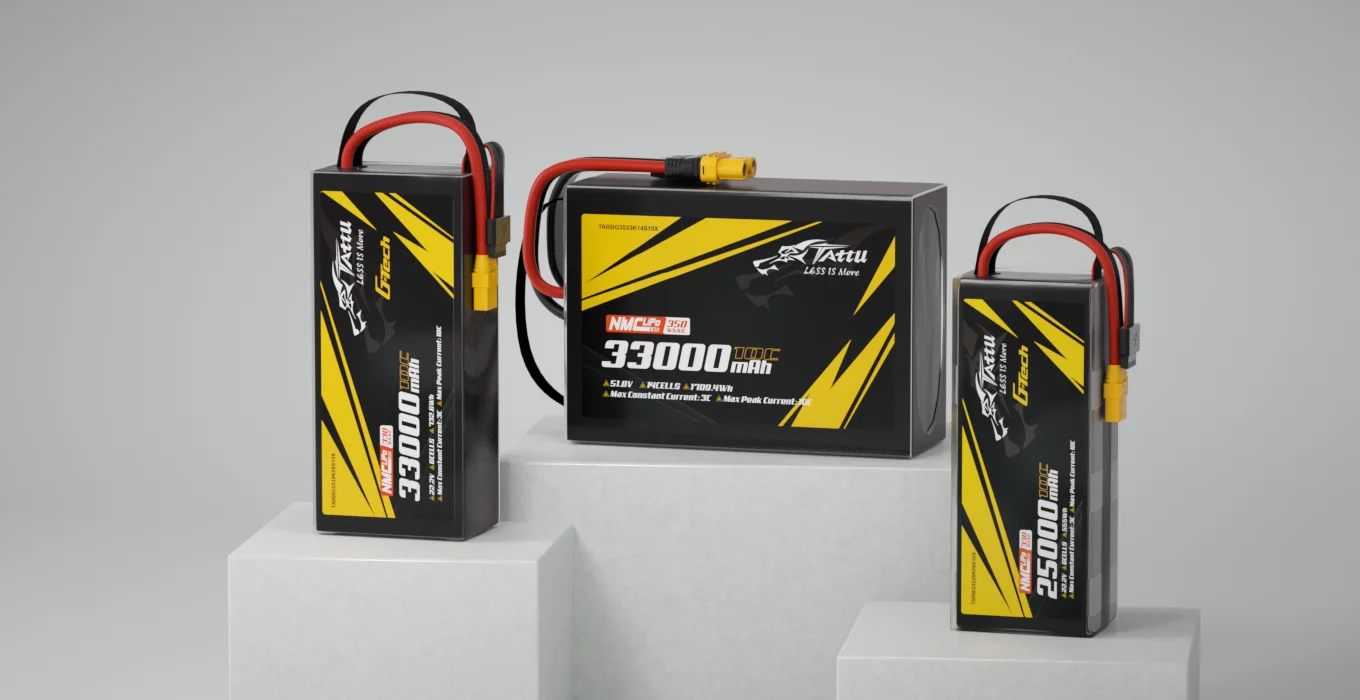
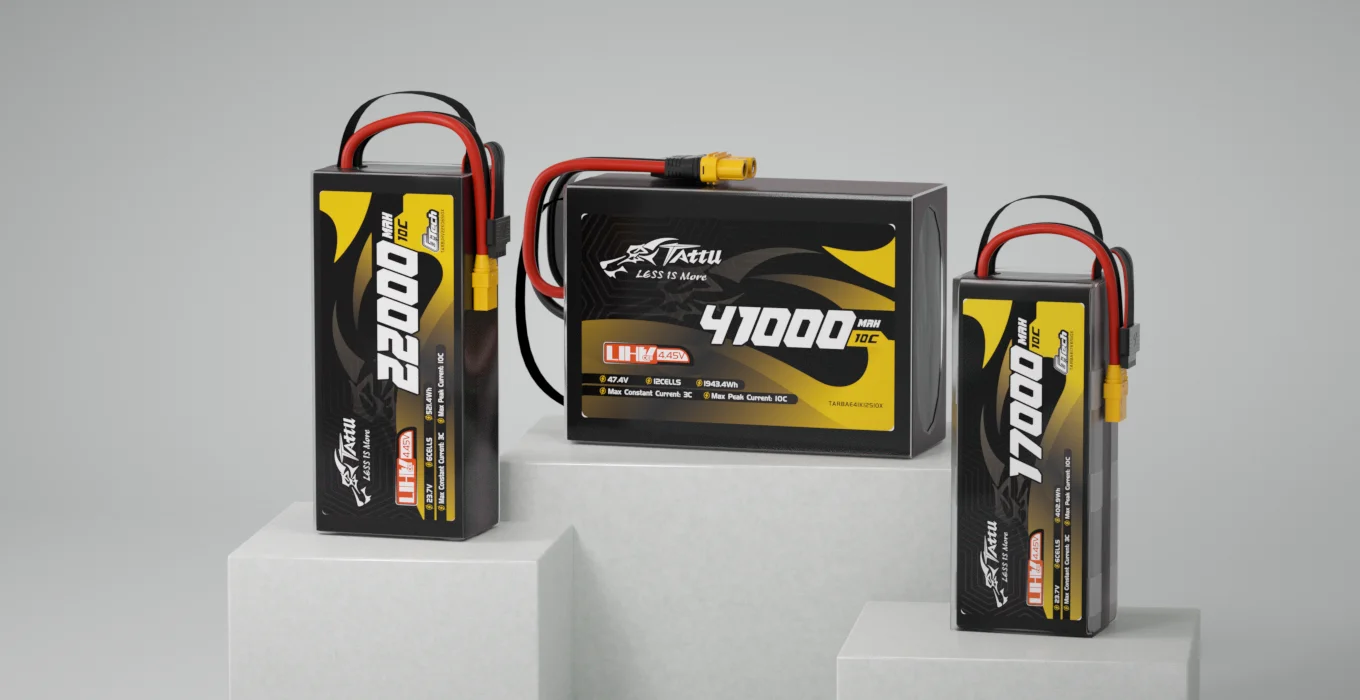
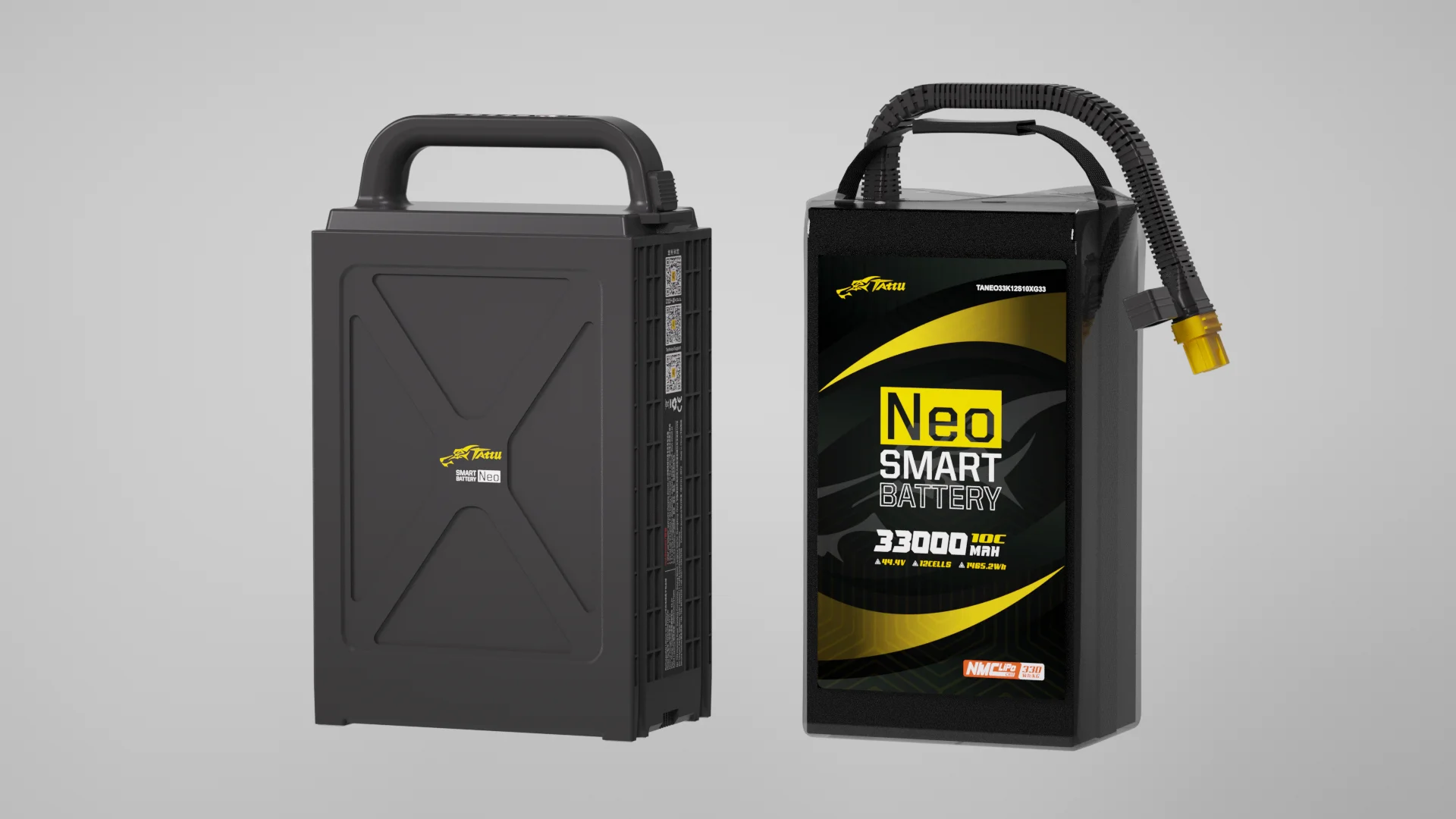
2. The Solution: Tattu NMC Semi-Solid State Batteries
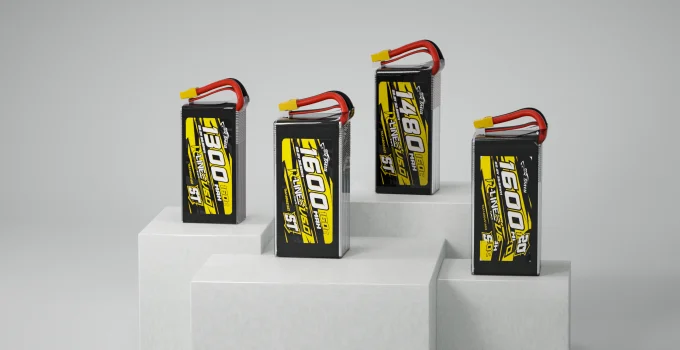
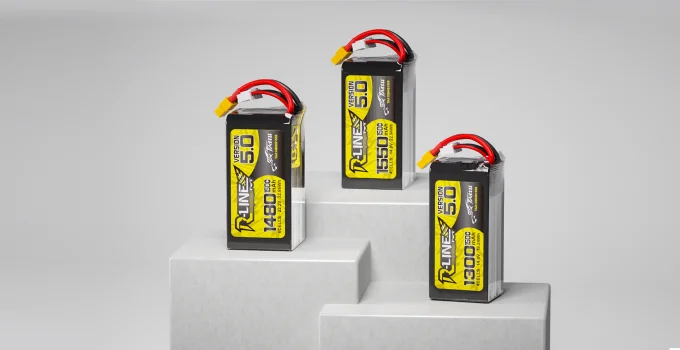
After calculating the optimal battery weight to be between 4,000g and
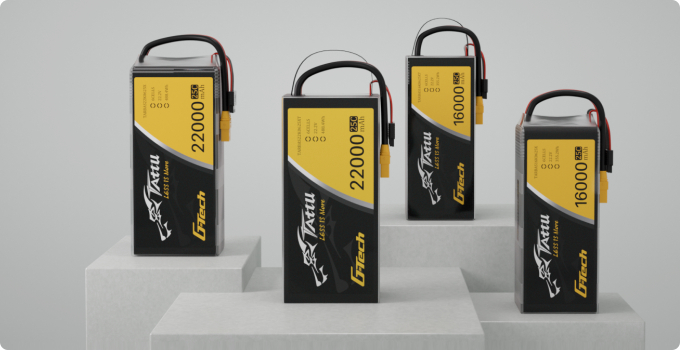
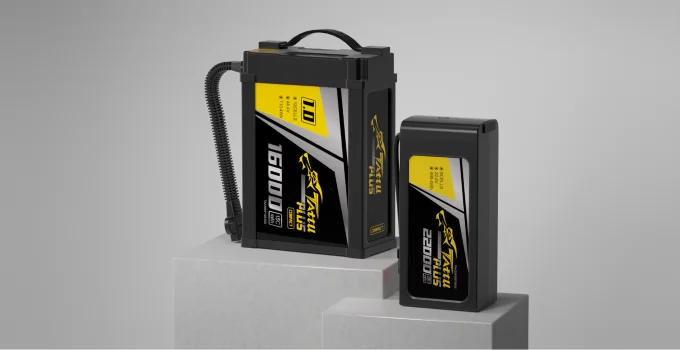
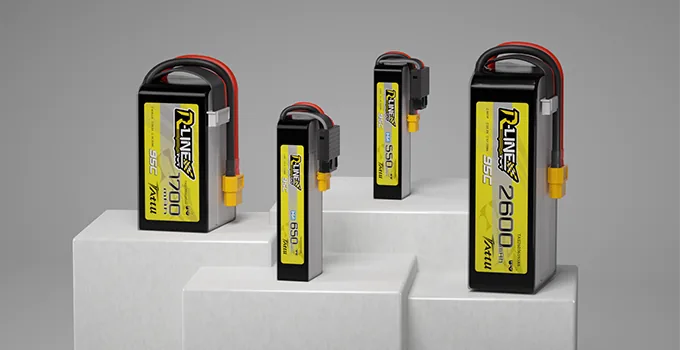
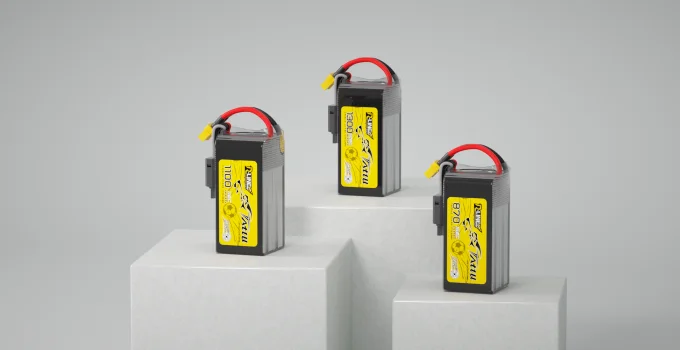
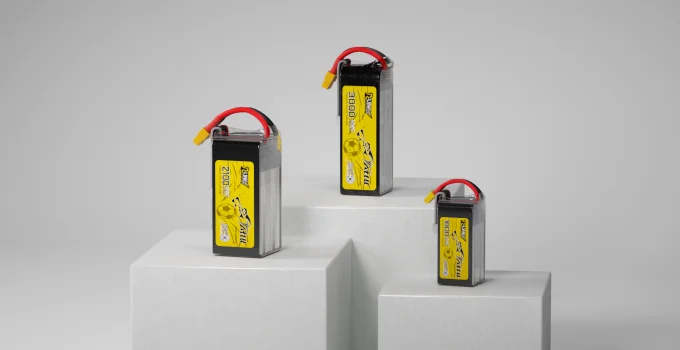
5,000g, Luke selected Tattu NMC Semi-Solid State batteries as the heart of his
record-breaking attempt. These batteries provided a generational leap in
performance:
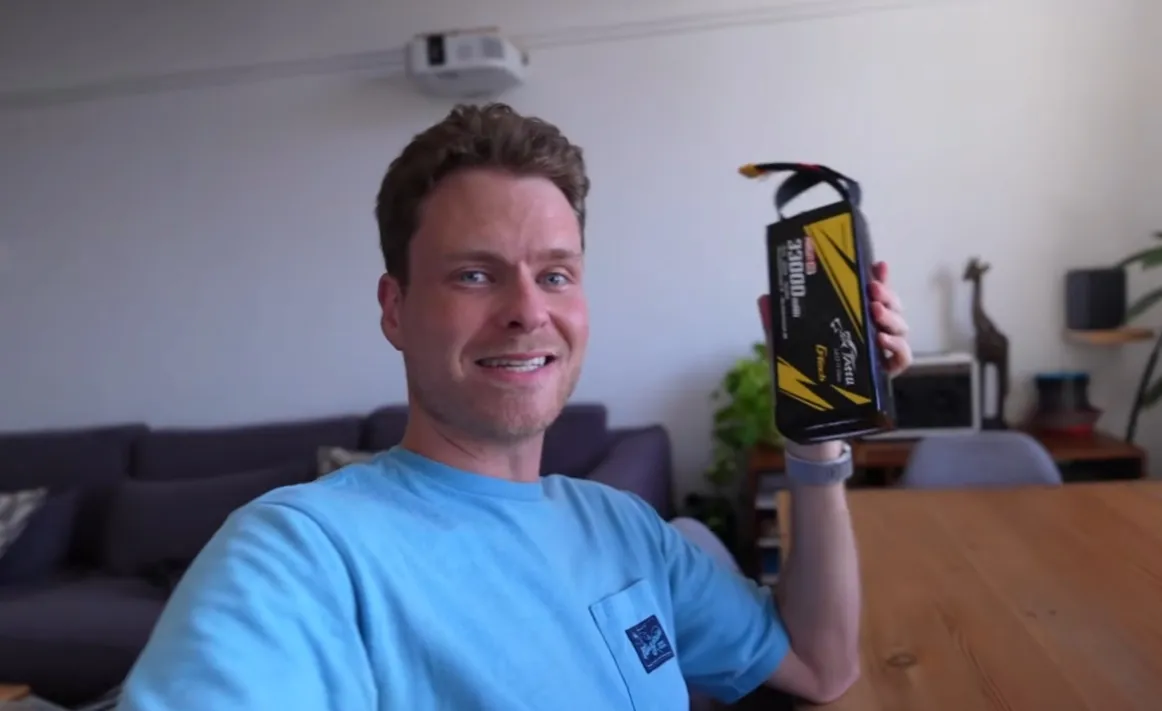
•Exceptional Energy Density: While traditional LiPo batteries typically
offer around 160 Wh/kg with packaging, the Tattu Semi-Solid State batteries
reach approximately 320 Wh/kg.
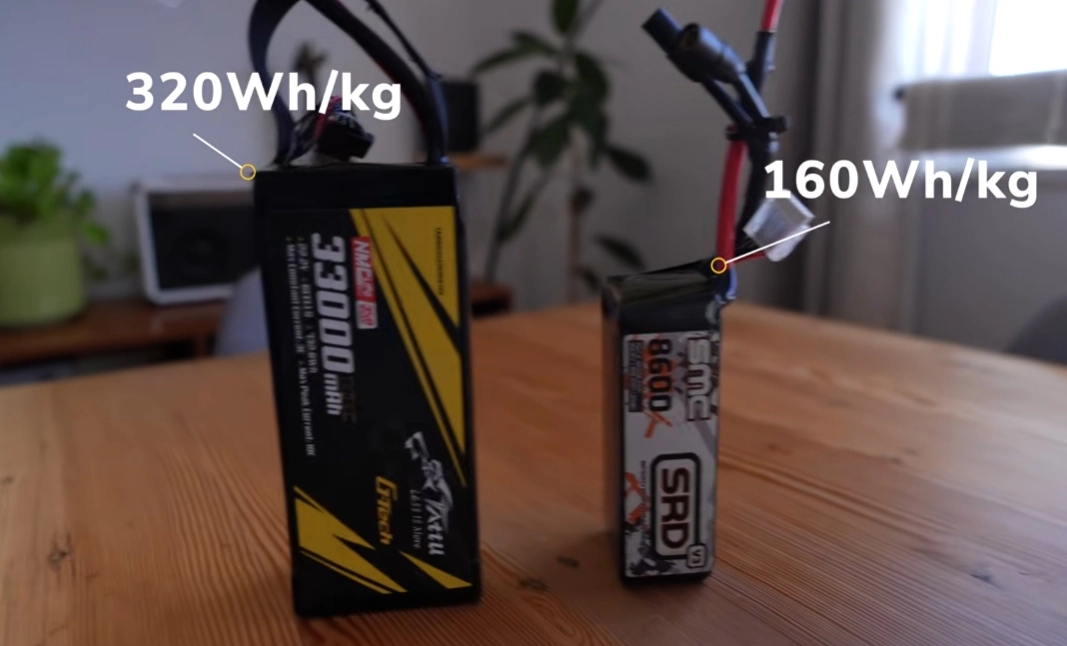
•Double the Capacity: This technology allows the drone to carry twice as
much capacity for the same weight compared to standard battery solutions.
•Optimized for Endurance: Although semi-solid state batteries are not
designed for high instantaneous current, they are the perfect choice for
long-endurance projects where low RPM and steady power draw are required.
3. User Innovation: Pushing Optimization to the Limit
In a display of extreme engineering, Luke customized the Tattu batteries to
shave off every possible gram, demonstrating the flexibility of our product for
professional users:
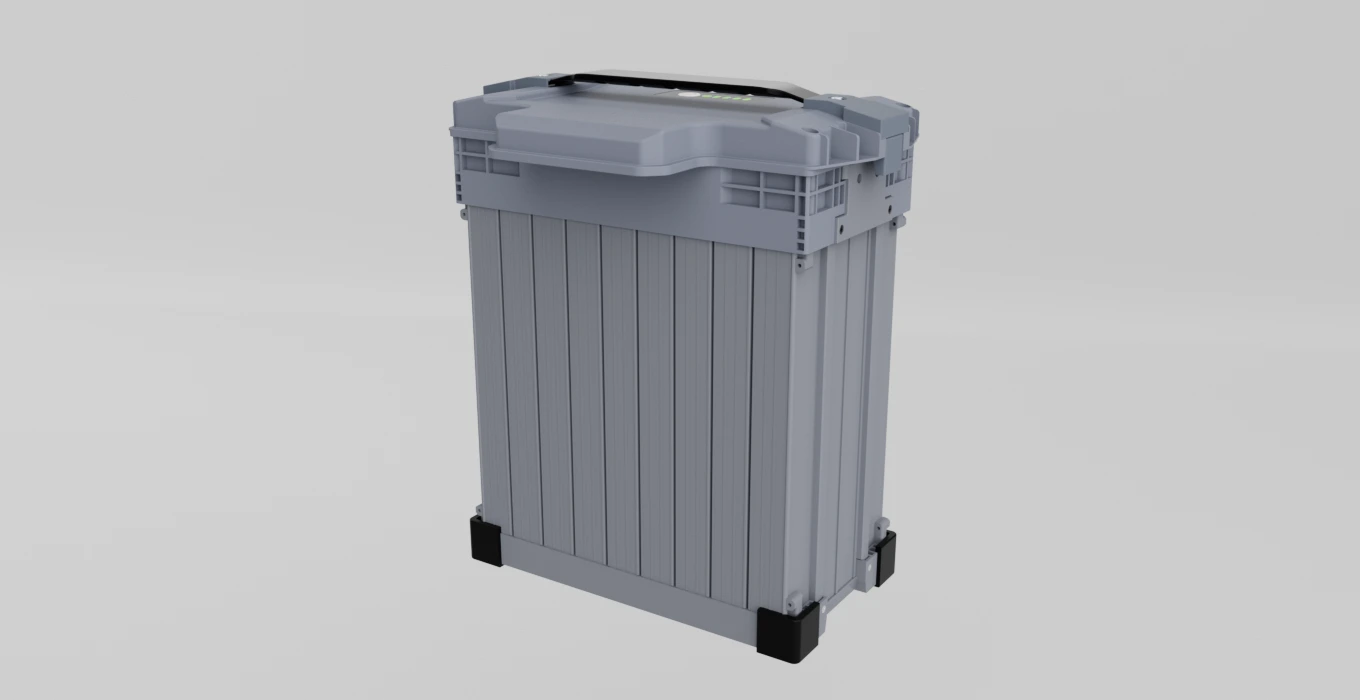
•Stripping for Performance: Luke removed the external protection and
packaging from the batteries.
•Connector Downsizing: He replaced the standard large XT90 connectors with
lighter XT60 connectors, as the drone's specific current draw did not require
the heavier hardware.
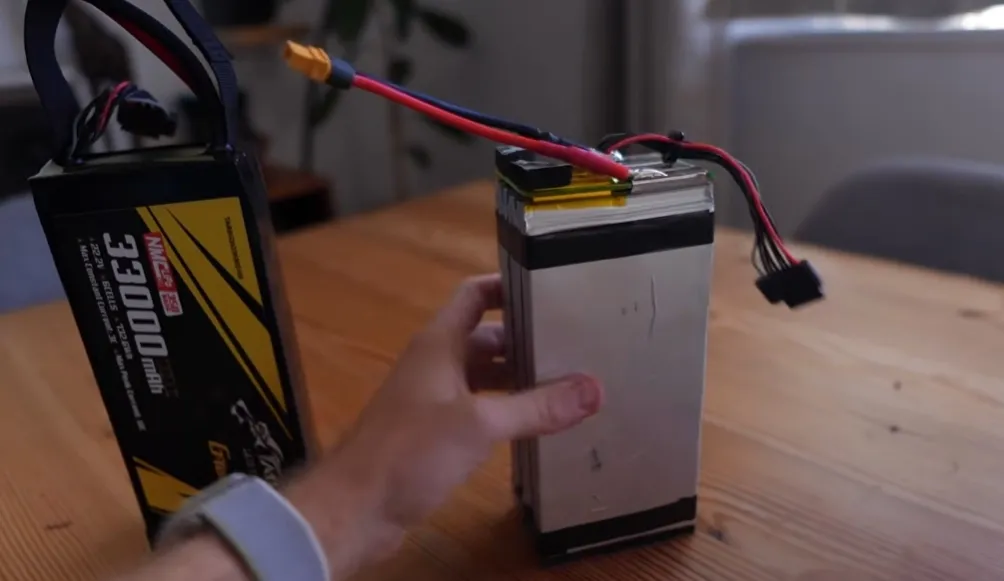
•Significant Weight Savings: These modifications removed 180g of weight per
battery. The total saving of 360g was equivalent to the weight of the entire
carbon fiber frame, directly translating into increased flight time.
4. Results: A New Unofficial World Record
The performance of the Tattu-powered drone during the record attempt was
flawless:
•Superior Efficiency: At the 2-hour and 14-minute mark, the drone still had
at least 33% battery remaining.
•Breaking the Record: The drone officially surpassed the 3-hour and
12-minute mark while "holding position beautifully".
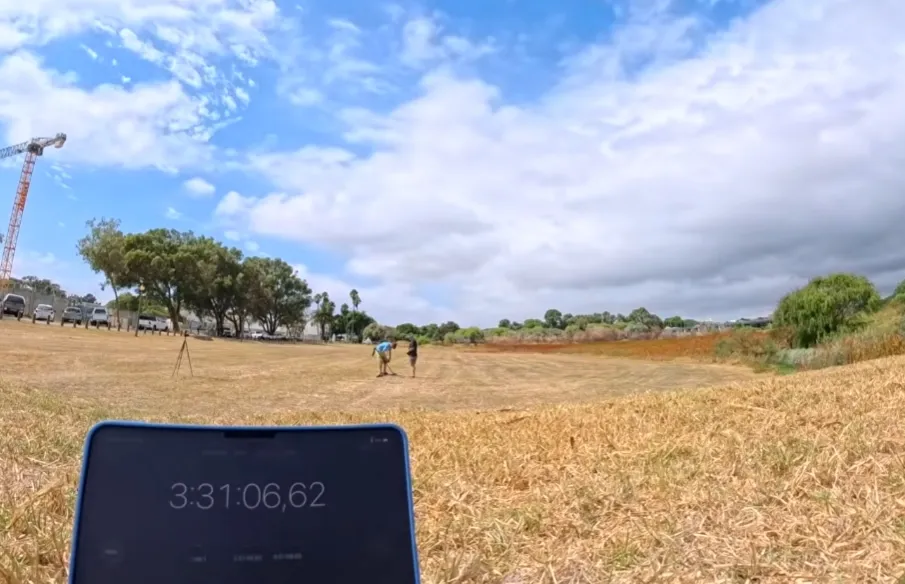
•Final Achievement: Luke landed the drone safely as the cells reached 2.95V,
clocking a final time of 3 hours, 31 minutes, and 6 seconds.
5. Conclusion and Future Potential
This project serves as a definitive proof of concept for Tattu’s semi-solid
state technology. By doubling the energy density of the power system, we helped
Luke beat the previous record by nearly 20 minutes. Furthermore, Luke noted that
in forward flight, power consumption drops from 400W (hover) to just 250W,
suggesting that with Tattu batteries, a flight time exceeding 4.5 hours is
within reach.








 Case Study
 Case Study
 Case Study


