Drones are commonly understood as aircraft that fly without a pilot sitting
inside them. So the phrase "manned drone" can sound contradictory.
In everyday use, however, "manned drone" is sometimes used to describe a
small vertical-takeoff aircraft that looks and operates like a large multicopter
but carries a pilot or passengers. Many of these aircraft are more accurately
described as eVTOL aircraft, powered-lift aircraft, air taxis, or
passenger-carrying VTOL aircraft, rather than drones in the regulatory
sense.
For buyers, operators, and ordinary readers, the more useful question is
not just “Is it manned?” but also: who controls it, what does it carry, where
can it fly, and what safety and regulatory system supports the mission?
What is a Manned Drone?
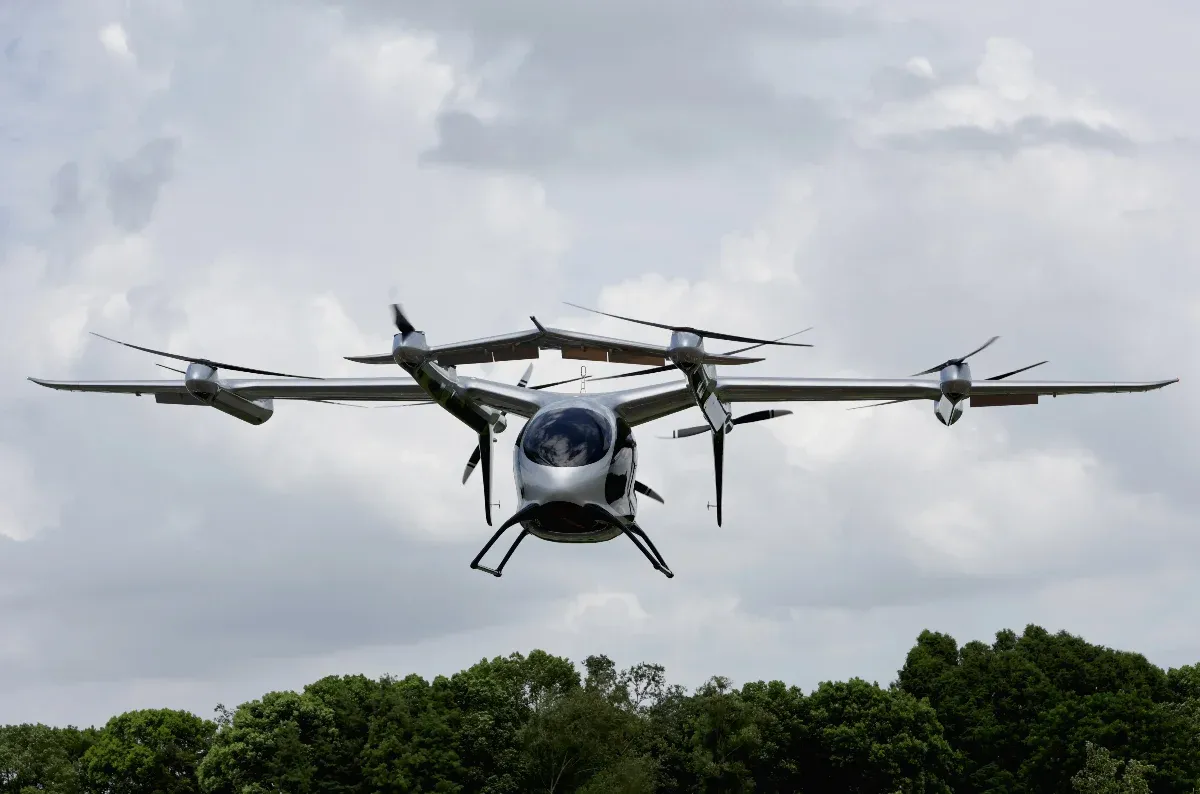
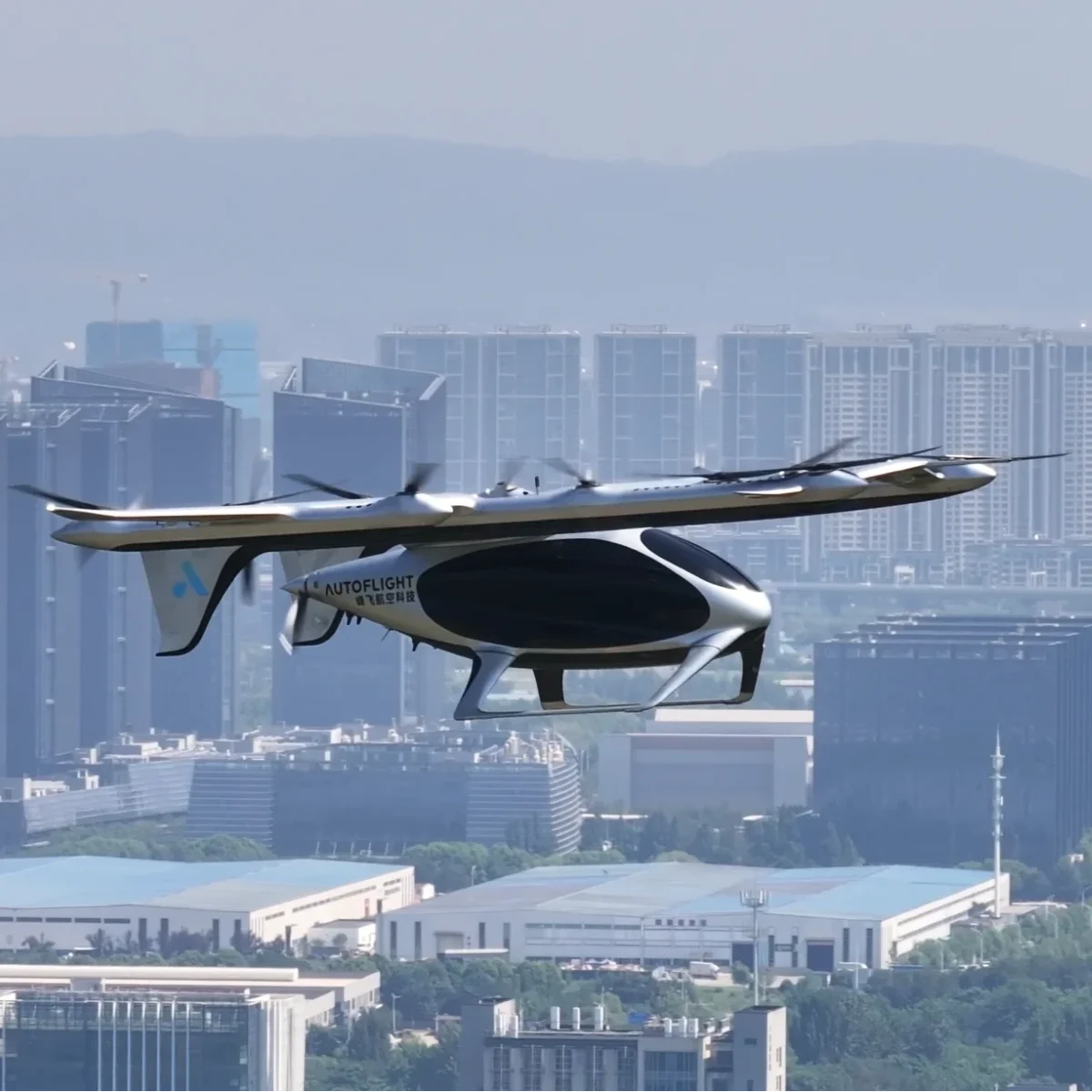
A manned drone—frequently referred to as a passenger drone, electric
Vertical Take-Off and Landing aircraft (eVTOL), or human-carrying Autonomous
Aerial Vehicle (AAV)—is a powered aircraft that utilizes multi-rotor electric
propulsion to transport human passengers through the air.
However, manned does not necessarily mean manually flown. A
passenger-carrying aircraft can incorporate sophisticated automation. The
distinction is whether a person is physically carried on board—not whether every
flight maneuver is manually controlled.
Unlike traditional helicopters, which rely on a complex single main rotor
system and mechanical swashplates, manned drones use distributed electric
propulsion (DEP). Multiple smaller electric motors work in tandem to control
pitch, roll, and yaw dynamically via electronic speed controllers (ESCs).
Key Capabilities & Engineering Features:
•Life-Support & Cabin Integration: Features pressurized or ventilated
seating cabins, environmental controls, and crash-worthy airframes designed to
protect onboard human life.
•Heavy Payload Design: Powered by ultra-high-power battery systems capable
of sustaining multi-hundred-kilogram payloads while managing high continuous
discharge rates and thermal loads.
•Multi-Layered Fail-Safe Systems: Engineered with triple-redundant flight
controllers, dual battery circuits, and ballistic emergency parachutes to ensure
controlled landings even if a motor or cell fails.
Real-World Use Cases:
•Urban Air Mobility (Air Taxis): Bypassing city gridlock by shuttling
commuters between rooftop vertiports on fixed intra-city routes.
•Emergency Medical Evacuation: Rapidly transporting paramedics to remote
accident sites or airlifting critically injured patients directly to trauma
centers.
•Executive & Regional Transport: Offering point-to-point, low-noise
aerial travel between regional corporate hubs and remote facilities.
What Is an Unmanned Drone?
An unmanned drone—more formally an unmanned aircraft, UAV, or part of a
UAS—is an aircraft with no human pilot onboard. It may be controlled by a remote
pilot, fly along a programmed route, or use varying levels of automation.
The UK Civil Aviation Authority defines an unmanned aircraft as an aircraft
that can operate autonomously or be remotely piloted without a pilot onboard.
This definition is important because a drone remains unmanned even when a human
is actively controlling it from the ground. “Unmanned” refers to the lack of an
onboard pilot, not the absence of human responsibility.
An important distinction is that unmanned does not automatically mean
autonomous. An unmanned aircraft may be:
•Remotely controlled: A pilot controls the aircraft from the ground.
•Semi-autonomous: The aircraft automatically performs functions such as
hovering, route following, takeoff, landing, or obstacle avoidance while a
remote pilot supervises the mission.
•Highly automated or autonomous:The aircraft performs much of the mission
itself according to programmed objectives and onboard systems.
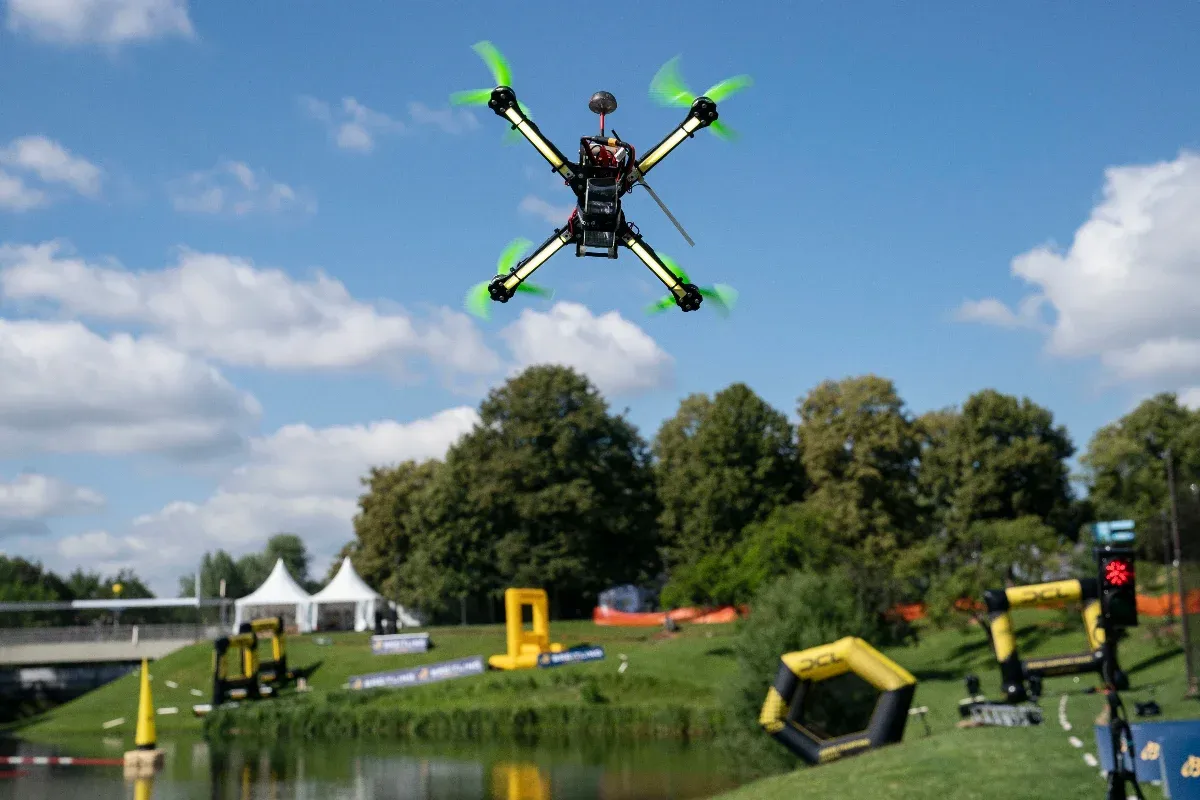
Key Capabilities & Engineering Features:
•Sensor-Driven Payloads: Built to carry high-resolution RGB cameras, LiDAR
scanners, thermal imaging modules, or liquid/cargo delivery mechanisms instead
of passenger seats.
•High Operational Efficiency: Lightweight airframes made from carbon fiber
composites maximize hover times and range by keeping structural mass to a
minimum.
•Autonomous Mission Planning: Capable of following pre-programmed waypoint
routes, maintaining precise terrain-following altitudes, and executing automated
Return-to-Home (RTH) routines during signal loss.
Real-World Use Cases:
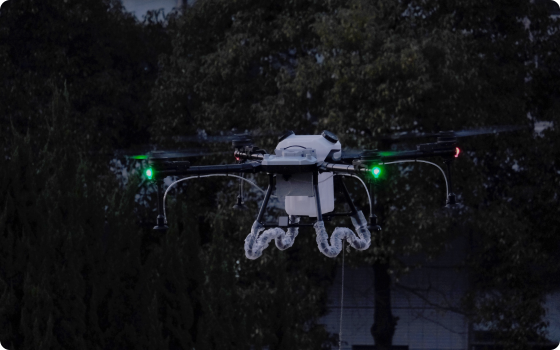
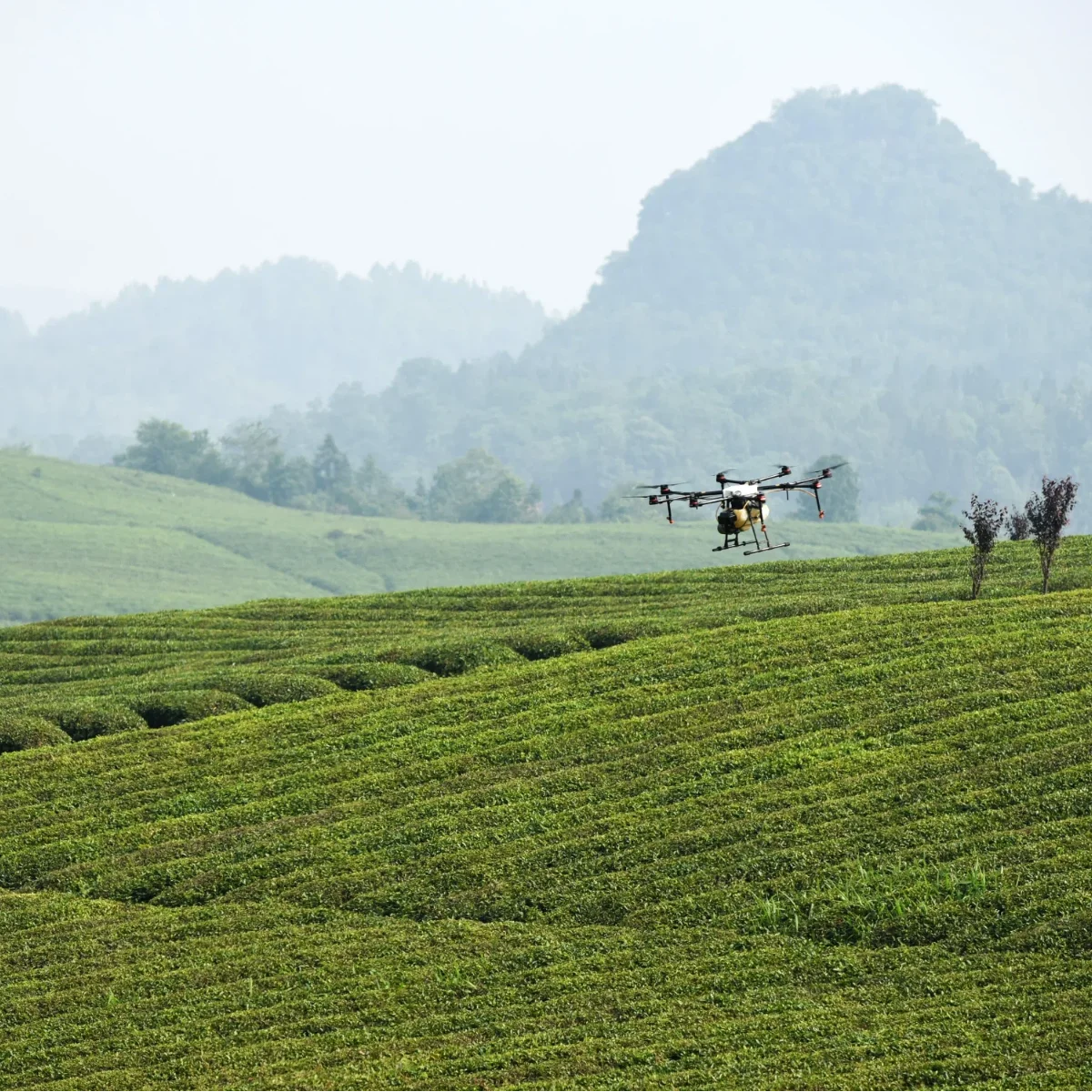
•Precision Agriculture: Spraying crops with millimeter precision and
mapping crop health using multispectral cameras.
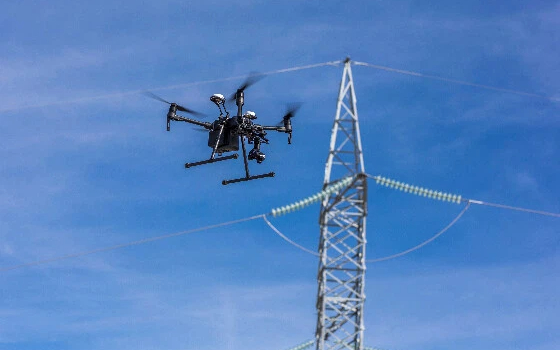
•Industrial Inspection: Checking high-voltage power lines, wind turbines,
and oil platforms without placing human inspectors in hazardous
environments.
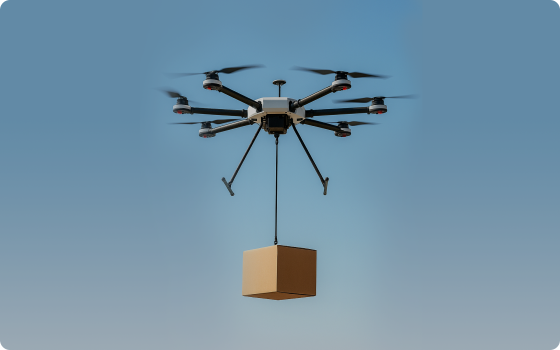
•Last-Mile Logistics: Delivering medical supplies, prescriptions, or small
packages directly to residential backyards.
Manned Drone vs. Unmanned Drone: What's the Difference?
The most important difference is whether people are carried by the
aircraft. But this single difference leads to several major differences in
engineering and operation.
| Feature / Aspect | Manned Drone (Passenger eVTOL) | Unmanned Drone (UAV / UAS) |
| Human onboard | Yes—pilot, passenger, or both | No pilot or passenger onboard |
| Main purpose | Transporting people or larger cargo | Inspection, mapping, agriculture, photography, delivery, monitoring, public safety and other remote tasks |
| Flight control | Onboard pilot, automation, or future remote/autonomous systems | Remote pilot, automation, or autonomous systems |
| Aircraft size | Generally larger | From sub-250 g drones to very large UAS |
| Payload priority | Human occupants and their safety | Cameras, LiDAR, thermal sensors, multispectral sensors, cargo, or other mission payloads |
| Certification | Typically extensive aircraft certification | Varies substantially by aircraft and operation |
| Typical operating cost | Generally higher for passenger-class aircraft | Can be relatively low for small commercial drones |
| Aviation classification | Usually aircraft/eVTOL/powered-lift rather than UAS | UAS or unmanned aircraft |
Manned Drone vs. Unmanned Drone: FAQ
Do manned drones require a licensed pilot inside the cabin?
Not necessarily. While some manned drones feature traditional joystick
controls for an onboard pilot, many modern air taxi designs are fully
autonomous. They are controlled by remote ground operations centers and
pre-programmed flight trajectories, requiring passengers only to select their
destination on a touchscreen interface.
Is a manned drone the same as an eVTOL?
Not necessarily. eVTOL describes an aircraft capable of electric vertical
takeoff and landing. Some eVTOL aircraft are designed to carry people, while
unmanned VTOL aircraft also exist.
Is a drone always unmanned?
In the formal aviation sense, a drone refers to an aircraft without a pilot
onboard. However, everyday use of the word “drone” is less precise.
Can an unmanned drone fly completely by itself?
Yes.An unmanned aircraft can be remotely piloted, semi-autonomous, or
highly autonomous. But unmanned and autonomous are not the same thing. An
agricultural drone following a pre-planned flight path can still be an unmanned
aircraft even if a human operator supervises the operation.
Are unmanned drones always smaller than manned aircraft?
No. Small quadcopters are the most familiar example, but unmanned aircraft
can also be much larger. The important defining characteristic is not size.
Why are batteries so important for electric drones?
For electric aircraft, batteries directly determine how much electrical
energy is available to the propulsion system.
Higher energy density can potentially enable longer flight time, greater
payload, smaller battery mass and greater operational range.
Conclusion
The difference between a manned drone and an unmanned drone is ultimately
not about the number of rotors, whether it uses batteries, or how autonomous it
is. It is about whether people are carried onboard. That is why the future of
aerial mobility is unlikely to be a simple competition between “manned” and
“unmanned” drones. Instead, we are likely to see different levels of human
involvement—from onboard pilots to remote operators to increasingly autonomous
systems—matched to different missions.
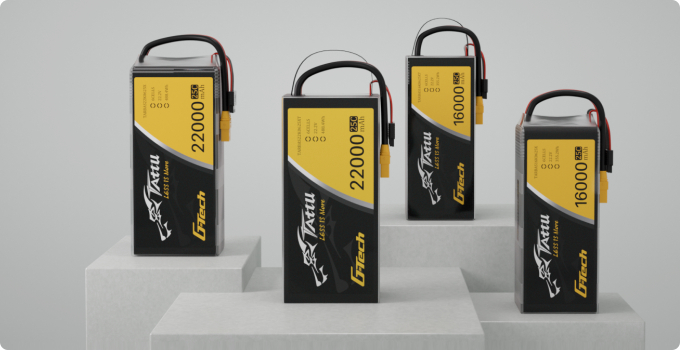
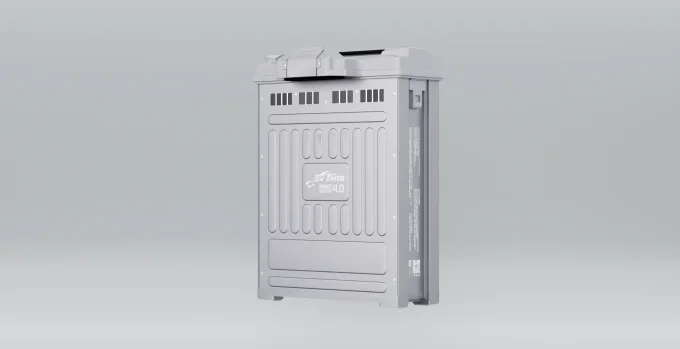
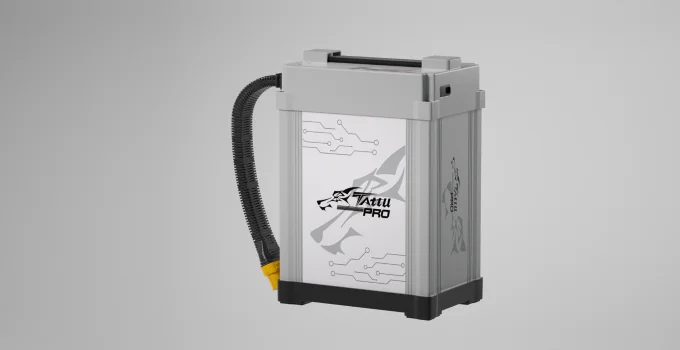
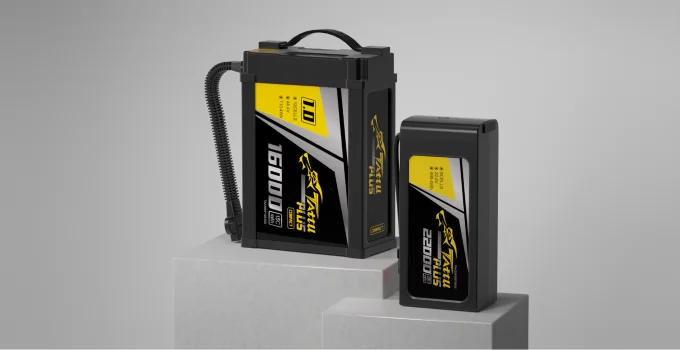
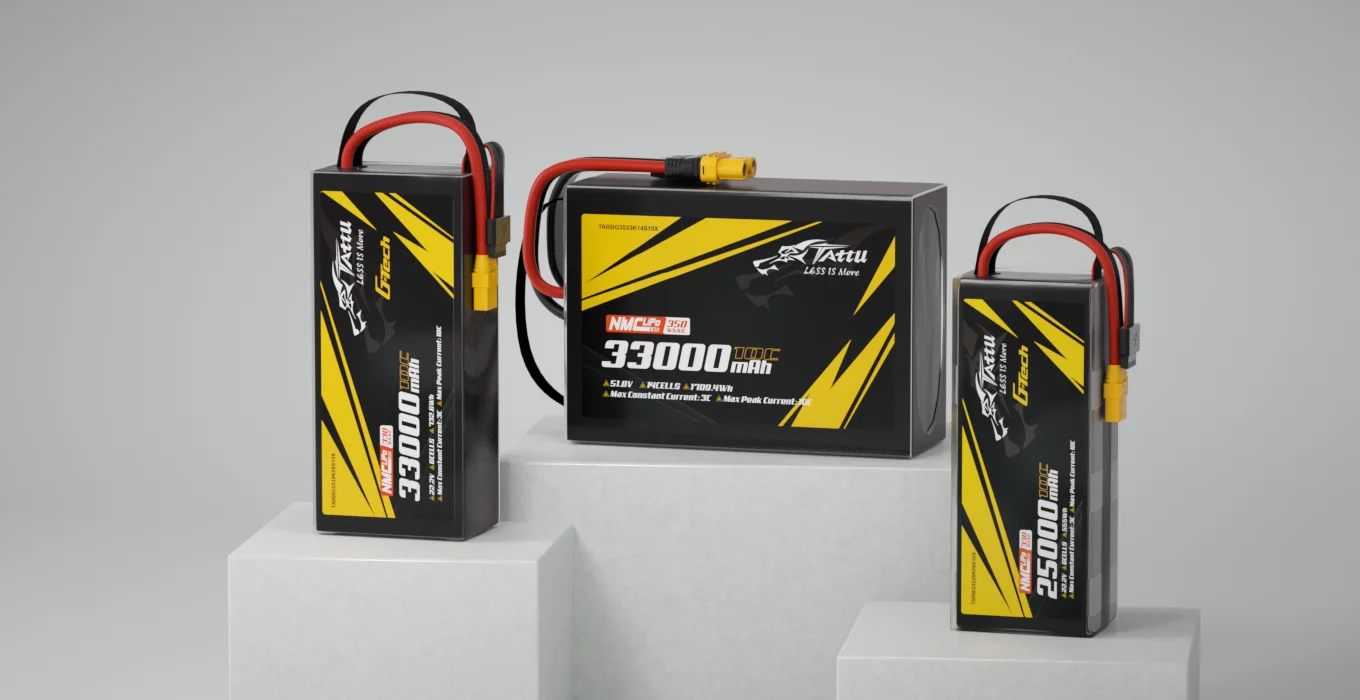
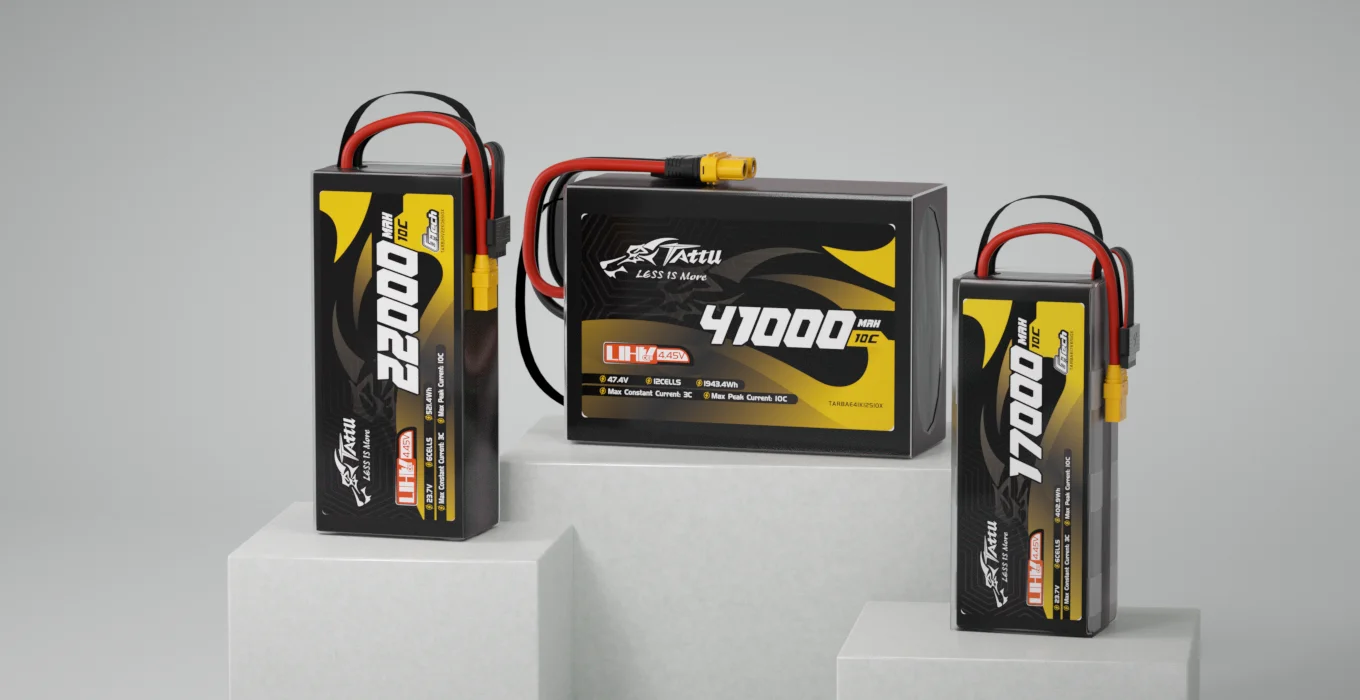
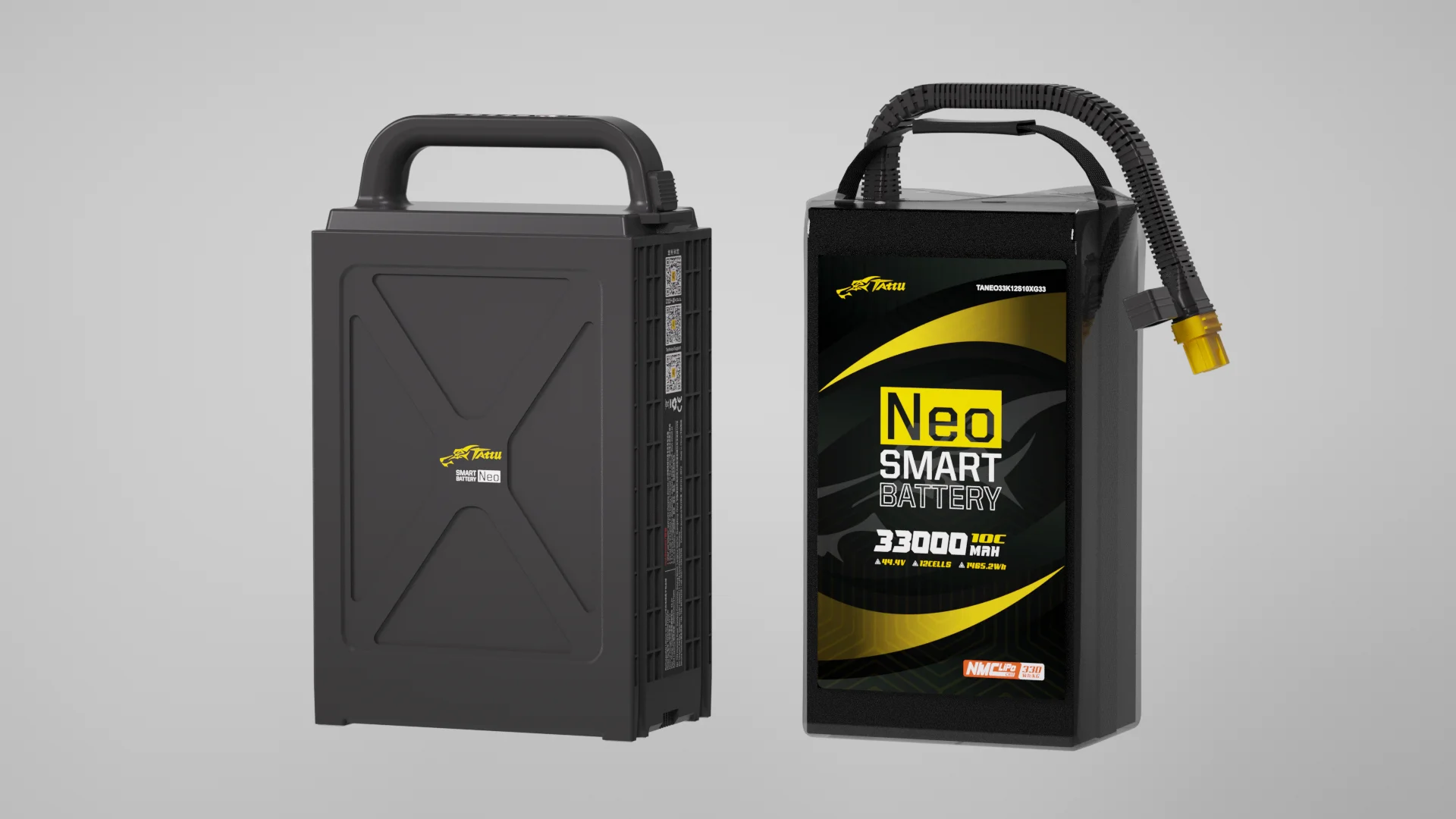
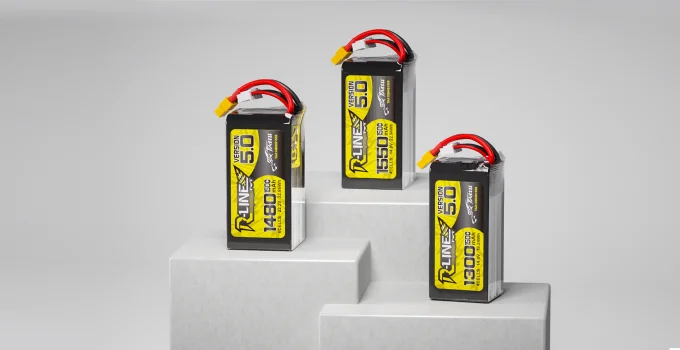
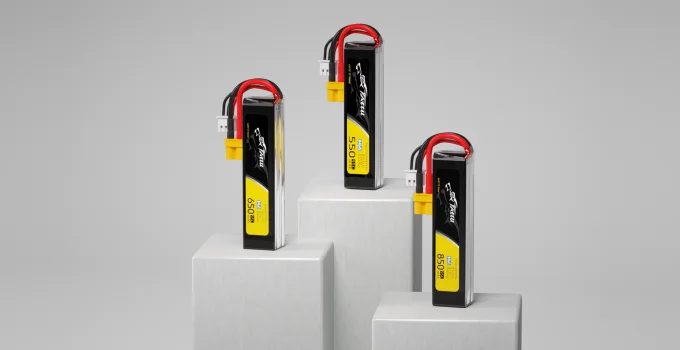
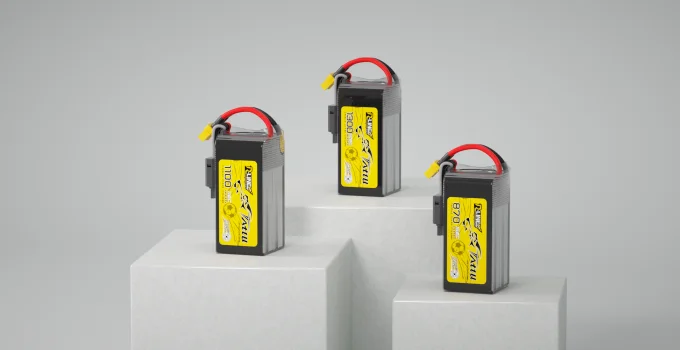
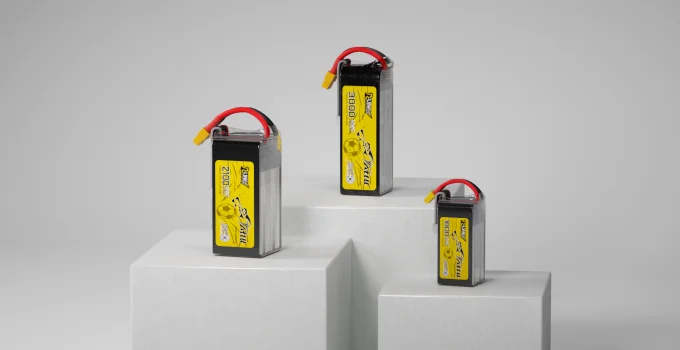
As a leading drone battery solution provider,Tattu delivers advanced power
solutions for next-generation aerial mobility, featuring semi-solid-state
batteries with energy density of up to 500 Wh/kg and high-power drone batteries with discharge rates of up to 160C. From manned eVTOLs to unmanned drones, Tattu
provides high-performance battery solutions engineered for a wide range of
demanding aerial applications. For more information or assistance, please
contact us at [email protected].



 Blog
Blog
 Blog
Blog


