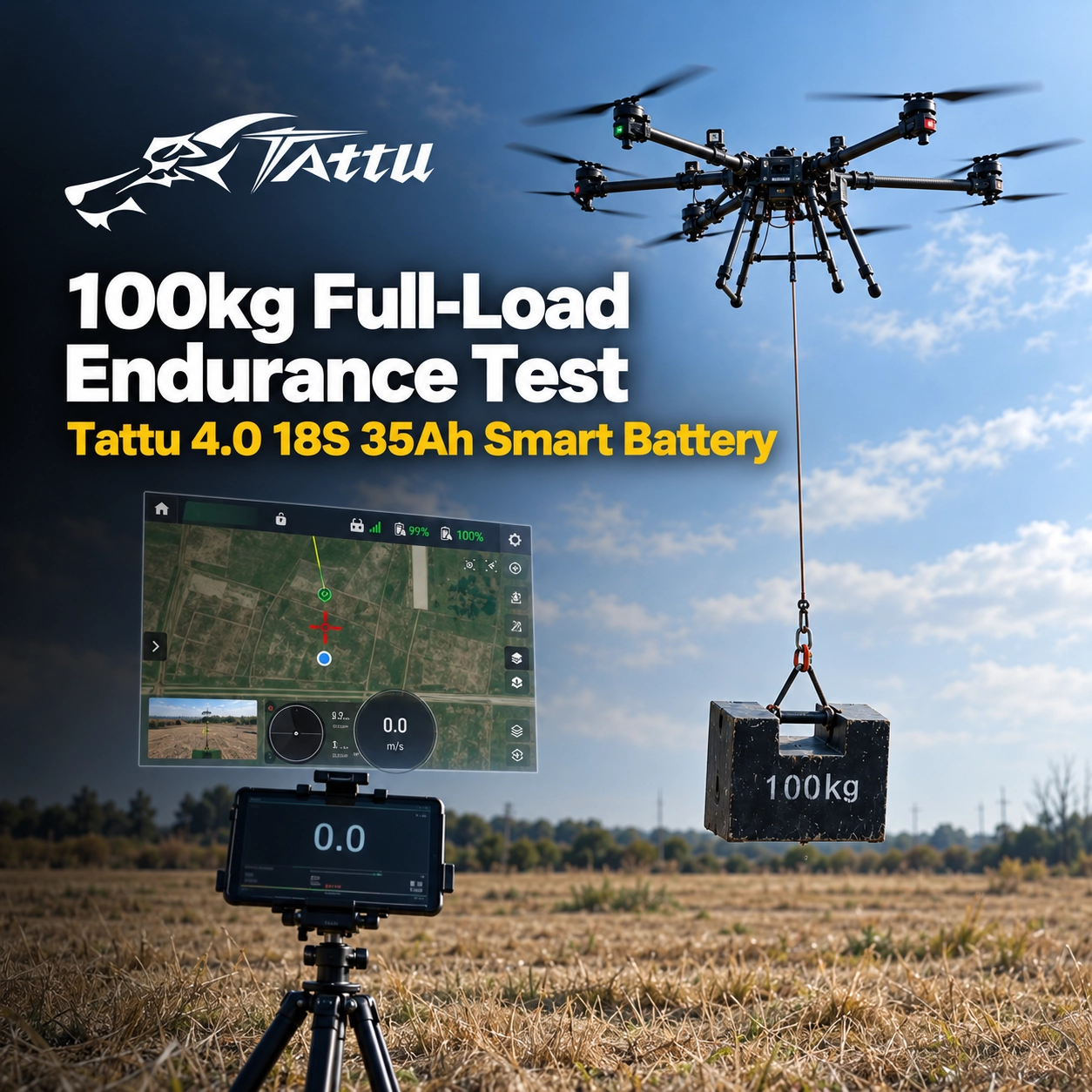
The video records a total flight time of 9 minutes 19 seconds. A separate timer was used to measure the time the 100kg load remained airborne, excluding takeoff and idle time.
This provides a direct view of the hover time supported by the dual 18S 35Ah battery configuration under a 100kg suspended load.
Case Overview
Item
Details
Application
Heavy-Lift UAV
Suspended Load
100kg Test Weight
Battery Used
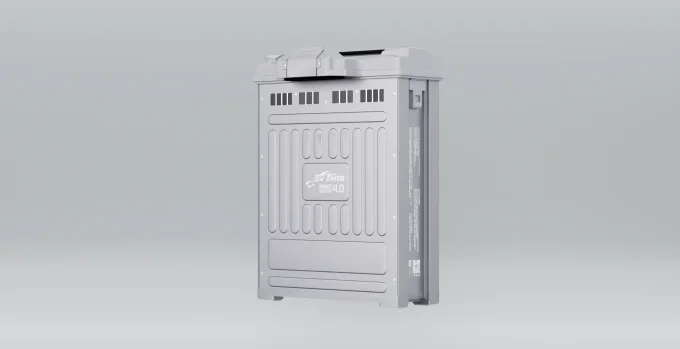
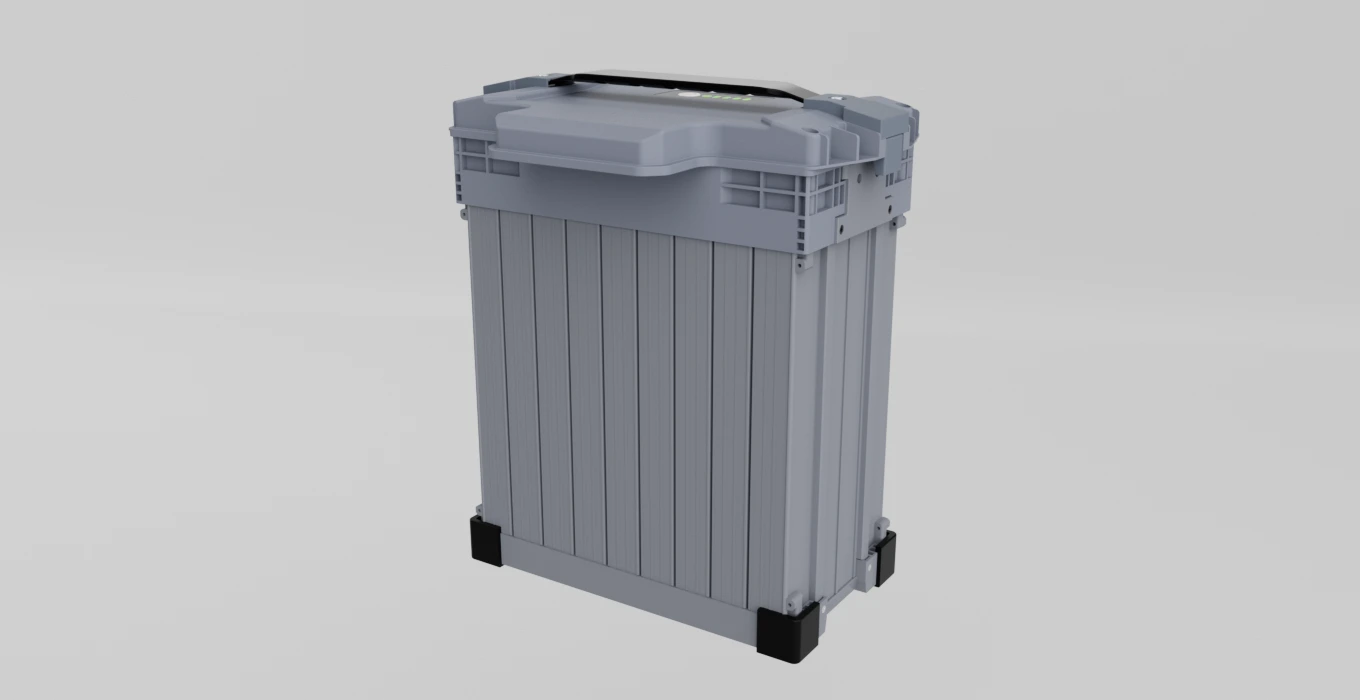
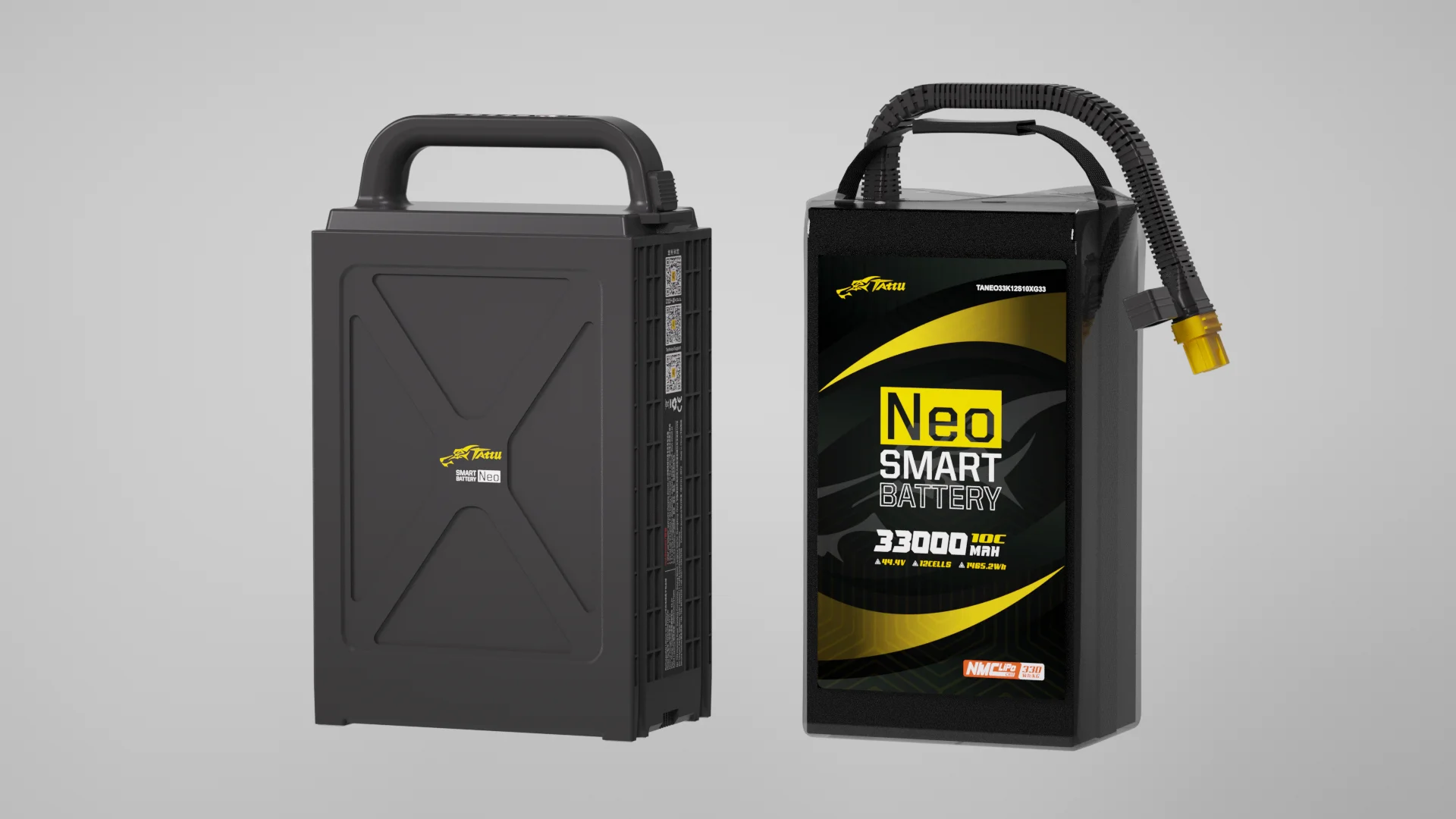
Tattu 4.0 18S 35000mAh Smart Battery x 2
Battery Weight
16.2kg each, 32.4kg total
Starting SOC
100%
Total Flight Time
9 min 19 sec
Hover Time
8 min 50 sec
After takeoff, the UAV lifted the 100kg test weight and maintained the load in the air. During the test, the pilot made height and attitude adjustments as needed.
Hover Time with a 100kg Load
The video records several battery levels during the full-load hover test:
Remaining Battery
Full-Load Hover Time
30%
6 min 37 sec
20%
7 min 28 sec
10%
8 min 16 sec
5%
8 min 50 sec
At 30% remaining battery, the full-load hover timer had reached 6 minutes 37 seconds. The test continued through the 20%, 10%, and 5% battery levels, with the recorded hover time reaching 8 minutes 50 seconds.
These battery levels document the test process, while the main result is the actual hover duration achieved with the 100kg suspended load.
Working Video
Hovering Under Continuous High Load
The test used a suspended 100kg weight, with airborne hover time as the primary measurement.
During hovering, the propulsion system must continuously generate enough thrust to support the UAV, batteries, and suspended payload. Although the aircraft is not covering a long flight route, the propulsion system remains under sustained load throughout the hover.
Using a hover test also reduces variables such as route length, flight speed, and travel distance, making it easier to observe the relationship between payload, battery configuration, and hover duration under a defined test condition.
From Battery Configuration to Usable Hover Time
For heavy-lift UAVs, battery specifications ultimately need to translate into usable time in the air.
Even on the same 18S voltage platform, battery capacity, aircraft weight, payload, and propulsion efficiency can all affect how long a UAV can remain airborne.
Battery selection therefore needs to consider not only voltage and power requirements, but also the target payload and expected hover duration when determining suitable battery capacity and weight.
Supporting Heavy-Lift UAV Applications
Heavy-lift UAVs can support applications such as construction material transport, cargo delivery in mountainous areas, equipment lifting, and short-distance aerial logistics.
Payload, maximum takeoff weight, propulsion system, voltage platform, and required operating time can vary significantly between UAV projects, so battery systems need to be matched to the specific aircraft.
Projects requiring longer hover times need to balance additional battery capacity against the added battery weight. Platforms designed for higher payloads must also account for the current and power requirements of the propulsion system.
If you are developing a heavy-lift, cargo, or other professional UAV, provide Tattu with your target payload, maximum takeoff weight, voltage platform, power requirements, and target hover time to discuss a suitable battery and charging solution.
*The results above apply only to the UAV, battery configuration, and test conditions used in this demonstration. Actual hover time may vary depending on payload, aircraft configuration, temperature, wind conditions, flight-control strategy, and battery condition.





 Case Study
 Case Study
 Case Study


